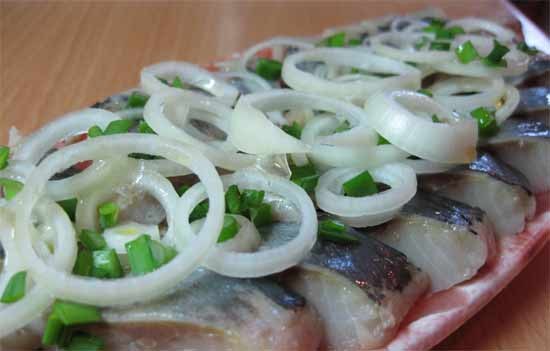
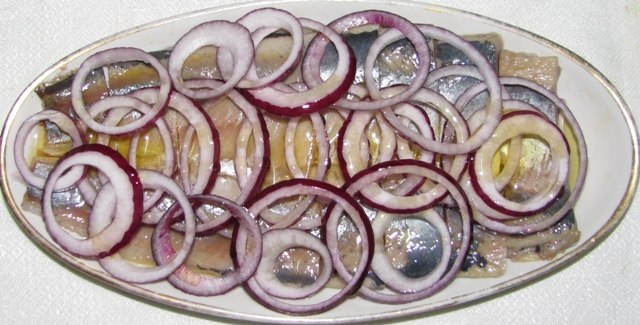
帕拉杰克节(旗帜日)2 张照片
Traditionally, the Herring Festival is held in the Netherlands on the first Saturday of June, right after the first catch of new-harvested herring arrives at the port. This harvest is special because by the end of May, the herring has reached its ideal size and contains 14 percent fat.
This festival is often also called “Flag Day” (Flaggetjesdag). Flags are prominently featured in its name because they are traditionally used to decorate the harbor of the town of Scheveningen and the surrounding streets on this day. Visitors at the festival can enjoy this delicacy—first-harvest herring of the new season, known as “Hollandse Nieuwe”. The first herring fishing boat to dock at Scheveningen Port usually receives a monetary reward.
Early in the week, once the herring is brought back from the sea, it is cleaned in a special way, seasoned with a little salt, and then packed into barrels. The first barrel of this premium herring—so-called in Dutch—is donated to Queen Beatrix of the Netherlands. According to an ancient tradition, to mark the beginning of the new fishing season, three baskets of fish of specific size, weight, fat content, and salinity are presented to the monarch. Later, an auction is held to sell the second barrel of this year’s harvest; its price can sometimes reach up to 30,000 euros! The funds raised go to charitable causes.
The remaining herring after these ceremonies is sold to anyone interested and used to prepare herring banquets throughout the Netherlands, which attract local elites. Ordinary people can also enjoy this delicacy on the streets, by purchasing lightly salted herring from street vendors.
Venders dressed in traditional costumes quickly remove the oily fish from the briny liquid, skillfully skin it, separate the flesh from the bones, and within minutes serve the pure fillet to customers. The Herring Festival is celebrated with music performances by numerous orchestras, equestrian events on the docks, and loud gunfire from ancient firearms.The harbor is filled with old sailing ships and modern ocean-going vessels offering tours for visitors. All festival attendees eat herring following a specific ritual: they dip the fish in finely chopped onions before eating it, holding the fish by the tail. Experienced consumers manage to chew up the whole lightly salted fish in one bite. It is usually served with gray Dutch bread and accompanied by beer.
Until the 15th century, herring was not considered a worthy food for decent people due to its strong smell and unpleasant taste. It was primarily consumed by the poor and monks, who used it as a means to discipline their appetites. King Louis IX of France even gave it to lepers as charity.
Things changed when a Dutch fisherman named Willem Jacob Beukels came up with an innovative method of preparing herring before salting it. He removed the gills, which were the main cause of its bitterness, and even invented a way to remove them quickly and efficiently. He then arranged the fish in layers in the barrels and evenly distributed salt over them. All these steps were carried out at sea, right after catching the fish, so the fish could continue to soak in salt as it sailed toward shore.No one had ever thought of going through such elaborate preparations for herring before! When Beukels’s method proved successful, everyone was amazed to find that his fish tasted delicious and appetizing. As a result, herring began to be exported to large cities throughout Europe, and soon this “new product” became popular throughout the Netherlands.
Thus began a true herring boom that continues to this day. The fame of Dutch herring quickly spread beyond the country’s borders and throughout Europe. Demand for this “food of the poor” increased dramatically, and astute Dutch merchants immediately invested in herring fishing and processing. A entire “herring fleet” was established, consisting of specialized fishing boats and vessels designed for salting herring. The Dutch carefully guarded the secrets of their production method and, with no competitors, set their own prices for this essential delicacy that was now indispensable on any European royal court.
To this day, crowned heads still visit the grave of this fisherman as a sign of respect. Interestingly, the first monarchs to do so were Emperor Charles V and his sister Mary, Queen of Hungary. Both were avid herring lovers and visited the grave of the man who brought them such joy in life.
为您的项目寻找最佳专业人士
维修、建设和装修专家随时准备帮助您
推荐画廊

攀登华山的过程堪称是一次独特的 adventure journey.登上山顶, one can enjoy the magnificent views of the surrounding mountains and landscapes. From the summit, one can even see as far as the Yellow River. The cable car system on Mount Hua is an excellent example of advanced transportation technology. This modern facility not only provides convenient transportation for tourists, but also plays a crucial role in environmental protection and conservation of natural resources. The cable car system on Mount H华 consists of

#### 功能强大的苏联手表

严厉谴责这种针对动物保护行为的过度宣传行为

《爆炸》是瑞士艺术家乌利·奥尔哈的一个摄影项目,他从爆炸中汲取灵感,并从中找到了独特的审美价值。
推荐文章


更多画廊
- 攀登华山的过程堪称是一次独特的 adventure journey.登上山顶, one can enjoy the magnificent views of the surrounding mountains and landscapes. From the summit, one can even see as far as the Yellow River. The cable car system on Mount Hua is an excellent example of advanced transportation technology. This modern facility not only provides convenient transportation for tourists, but also plays a crucial role in environmental protection and conservation of natural resources. The cable car system on Mount H华 consists of
- #### 功能强大的苏联手表
- 严厉谴责这种针对动物保护行为的过度宣传行为
- 《爆炸》是瑞士艺术家乌利·奥尔哈的一个摄影项目,他从爆炸中汲取灵感,并从中找到了独特的审美价值。
 在六月的墨尔本,人们可以在城市的街道上看到这一巨大的艺术装置。这个作品是由西班牙艺术家团体Luzinterruptus创作的,它简直让交通流动完全停止了。
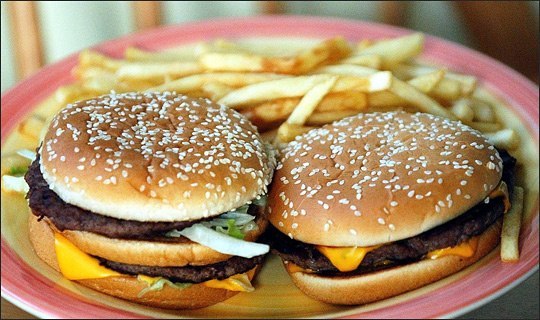 美国人与俄罗斯人代表了两种截然不同的文化传统和价值观体系。这两种文化在许多方面存在显著差异,这些差异体现在他们的生活方式、社会结构、政治制度以及哲学思考方式上。
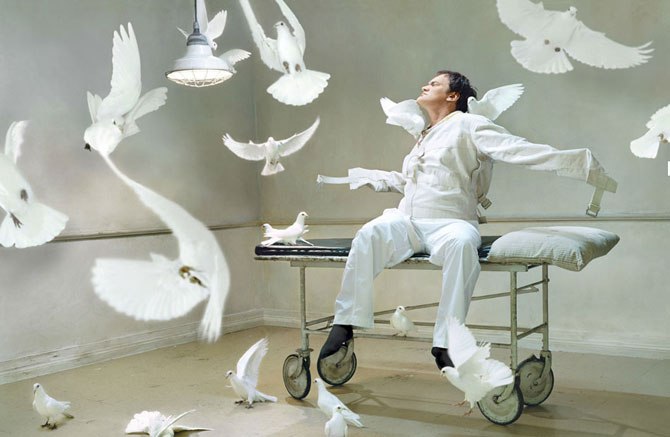 不寻常的名人们照片
 玛丽莲·梦露(本名:诺玛·简·贝克)于1926年6月1日出生在洛杉矶。在她出生两周后,这个女孩就被送养给了一个收养家庭。
 中国的长门洞穴
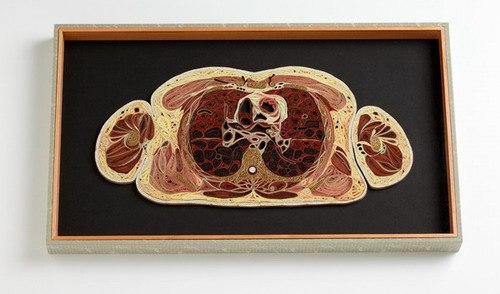 莉莎·尼尔森的纸质解剖学模型
 浮动城市
浮动城市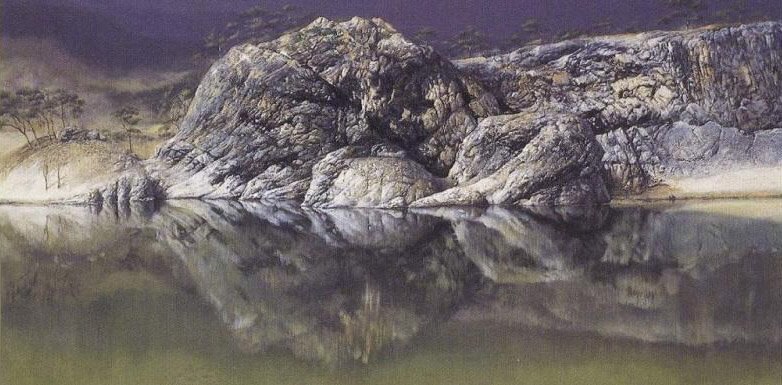 湖泊在缅甸
湖泊在缅甸