在扎戈斯普罗米亚,人们建造没有厨房的房屋,同时还枪杀作家。2 张照片
In Zagospromye, houses were built without kitchens, and writers were executed.
Eighty-five years ago, this concrete architectural masterpiece became a symbol of Kharkiv and has retained that status to this day.
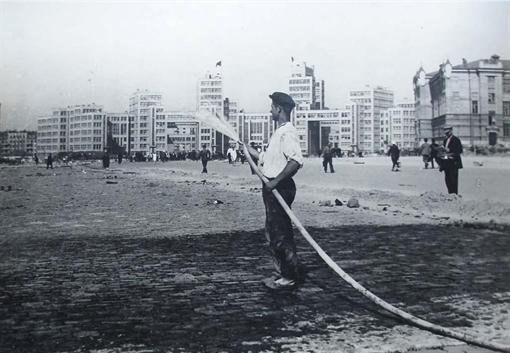
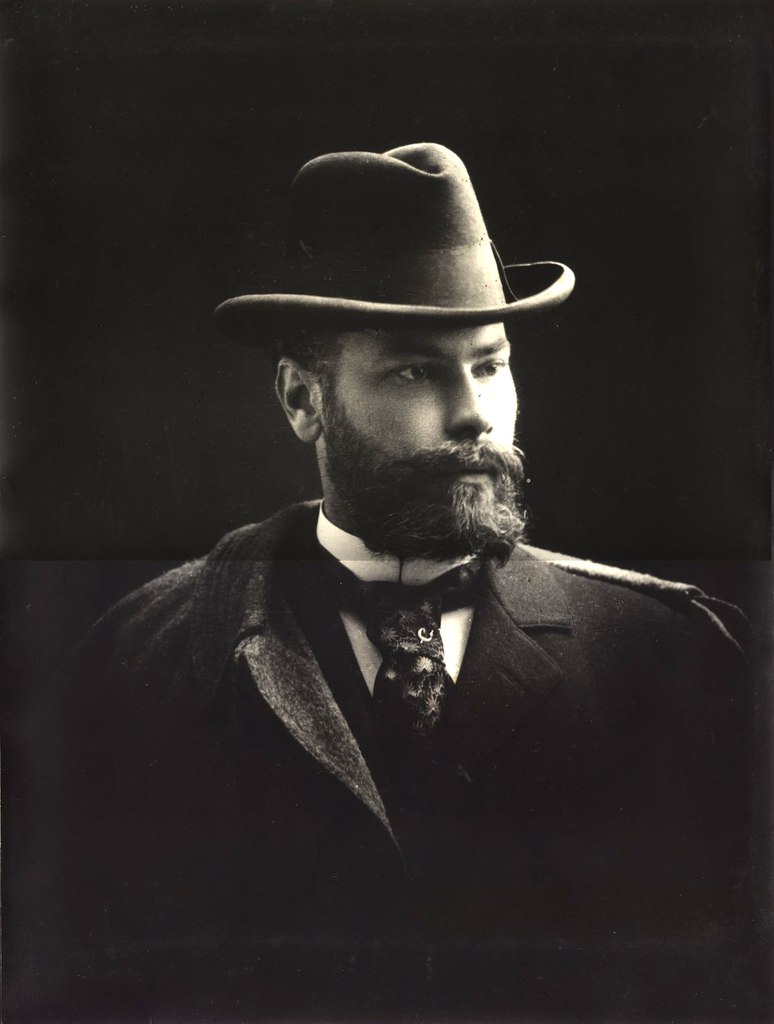
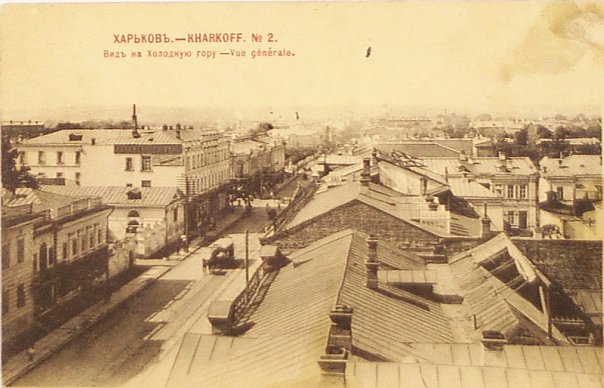
Kharkiv’s most iconic landmark is the State Industrial Building – a structure that emerged relatively recently in the city’s history. Back at the beginning of the 20th century, the site where this architectural marvel now stands was nothing but an empty lot. Once, the university’s grounds marked the edge of the city; after the Civil War, Kharkiv gained the status of a republic’s capital, and new facilities were needed to accommodate the growing population and various organizations. In 1925, a competition was held to design this new landmark. Even the renowned architect Beketov participated, but his neoclassical style did not suit the era’s trends. The winning design was for an unprecedented building with a peculiar name: “The Uninvited Guest.”
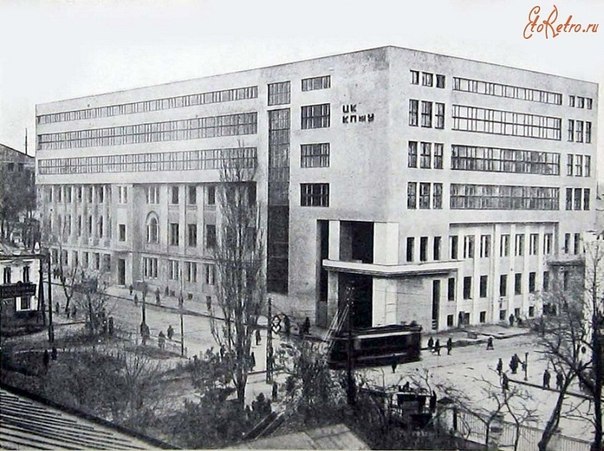
This remarkable structure was completed in record time—just three years. Moreover, construction workers had no access to modern tools such as cranes; they had to transport the earth removed from the excavation site by hand using boats. Despite the primitive working conditions, the building itself was groundbreaking: itsconstructivism style and use of concrete were innovative at that time. Constructivism was just beginning to gain popularity in the Soviet Union, and concrete was still considered a new material for construction.
<
Thanks to Felix Dzerzhinsky’s intervention, this masterpiece of architecture was saved from becoming another unfinished project. In 1927, Dzerzhinsky visited the construction site and ensured additional funding for the project. In honor of him, the people of Kharkiv named the square in front of the State Industrial Building after him—it was called Dzerzhinsky Square until 1991, when it was renamed Freedom Square.
In the early 1990s, it was sometimes referred to as Independence Square, similar to Kiev’s Maidan. However, this name was never officially adopted. According to Alexey Khoroshkovaty, chairman of the city’s toponymic committee, it was never used.
<
Construction of the State Industrial Building was completed in 1928, and its impressive size made it the tallest skyscraper in Europe at that time. The building contained over a thousand rooms, and enormous amounts of coal were required to keep it warm in winter. Local residents recall that the building used to look much more beautiful externally than it does today.
<><>Many people still remember the “House of Word” – another remarkable structure on this site. It was unofficially dubbed “the crematorium” by the locals because of its unusual design. <
<>On Danilevsky Street, there was also a community residence called “New Life.” It occupied an entire block between numbers 18 and 26; today, these areas are separate buildings. This residence was unique in that it incorporated kitchen facilities integrated into the bathrooms in many apartments, or in some cases, kitchens were completely absent.
According to local historian Mikhail Krasikov, Soviet people were supposed to avoid engaging in mundane activities like cooking. Such considerations were even reflected in the apartment design.
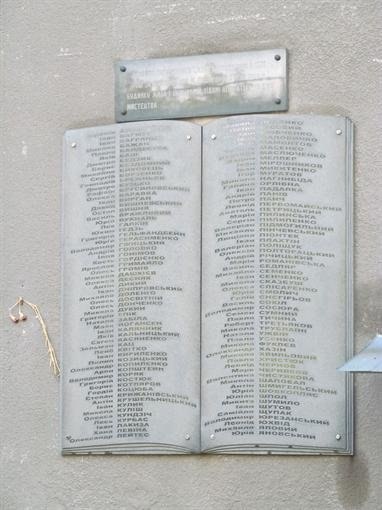
<>The government of Soviet Ukraine allocated housing for the officials working in the State Industrial Building nearby. These residences were located across the street from their workplaces, in the building at number 5 on Pravda Street. For the writers, a special building in the shape of the letter “S” was constructed – the “House of Word.” Here lived notable figures such as Ostap Vishnia and Les Kurbas. However, their stay here was short-lived. Writers and their families moved in in 1930, but three years later, many of them were executed or sent to camps. By 1938, almost all the residents of these apartments had met a tragic end.
Today, many of these buildings that once symbolized hope for a new era now lie in disrepair. The entrances to the “Red Brewster” building have been destroyed, and trees have grown on the facade of the “House of Word.”
Eighty-five years ago, this concrete architectural masterpiece became a symbol of Kharkiv and has retained that status to this day.
Kharkiv’s most iconic landmark is the State Industrial Building – a structure that emerged relatively recently in the city’s history. Back at the beginning of the 20th century, the site where this architectural marvel now stands was nothing but an empty lot. Once, the university’s grounds marked the edge of the city; after the Civil War, Kharkiv gained the status of a republic’s capital, and new facilities were needed to accommodate the growing population and various organizations. In 1925, a competition was held to design this new landmark. Even the renowned architect Beketov participated, but his neoclassical style did not suit the era’s trends. The winning design was for an unprecedented building with a peculiar name: “The Uninvited Guest.”
This remarkable structure was completed in record time—just three years. Moreover, construction workers had no access to modern tools such as cranes; they had to transport the earth removed from the excavation site by hand using boats. Despite the primitive working conditions, the building itself was groundbreaking: itsconstructivism style and use of concrete were innovative at that time. Constructivism was just beginning to gain popularity in the Soviet Union, and concrete was still considered a new material for construction.
<
Thanks to Felix Dzerzhinsky’s intervention, this masterpiece of architecture was saved from becoming another unfinished project. In 1927, Dzerzhinsky visited the construction site and ensured additional funding for the project. In honor of him, the people of Kharkiv named the square in front of the State Industrial Building after him—it was called Dzerzhinsky Square until 1991, when it was renamed Freedom Square.
In the early 1990s, it was sometimes referred to as Independence Square, similar to Kiev’s Maidan. However, this name was never officially adopted. According to Alexey Khoroshkovaty, chairman of the city’s toponymic committee, it was never used.
<
Construction of the State Industrial Building was completed in 1928, and its impressive size made it the tallest skyscraper in Europe at that time. The building contained over a thousand rooms, and enormous amounts of coal were required to keep it warm in winter. Local residents recall that the building used to look much more beautiful externally than it does today.
<><>Many people still remember the “House of Word” – another remarkable structure on this site. It was unofficially dubbed “the crematorium” by the locals because of its unusual design. <
<>On Danilevsky Street, there was also a community residence called “New Life.” It occupied an entire block between numbers 18 and 26; today, these areas are separate buildings. This residence was unique in that it incorporated kitchen facilities integrated into the bathrooms in many apartments, or in some cases, kitchens were completely absent.
According to local historian Mikhail Krasikov, Soviet people were supposed to avoid engaging in mundane activities like cooking. Such considerations were even reflected in the apartment design.
<>The government of Soviet Ukraine allocated housing for the officials working in the State Industrial Building nearby. These residences were located across the street from their workplaces, in the building at number 5 on Pravda Street. For the writers, a special building in the shape of the letter “S” was constructed – the “House of Word.” Here lived notable figures such as Ostap Vishnia and Les Kurbas. However, their stay here was short-lived. Writers and their families moved in in 1930, but three years later, many of them were executed or sent to camps. By 1938, almost all the residents of these apartments had met a tragic end.
Today, many of these buildings that once symbolized hope for a new era now lie in disrepair. The entrances to the “Red Brewster” building have been destroyed, and trees have grown on the facade of the “House of Word.”
为您的项目寻找最佳专业人士
维修、建设和装修专家随时准备帮助您
推荐画廊
推荐文章



更多画廊
 哈尔科夫的“银行家广场”——尼古拉耶夫斯卡亚广场。<br>(第一部分)
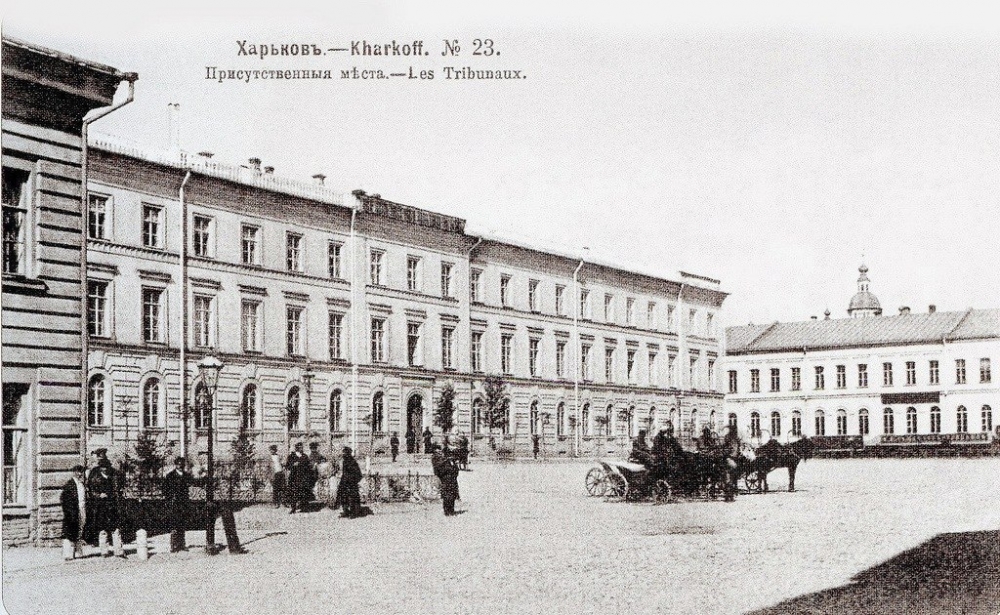 场所的位置往往决定了其命运。一座建筑或某一片土地的所在地,往往会对其未来发展产生深远的影响。
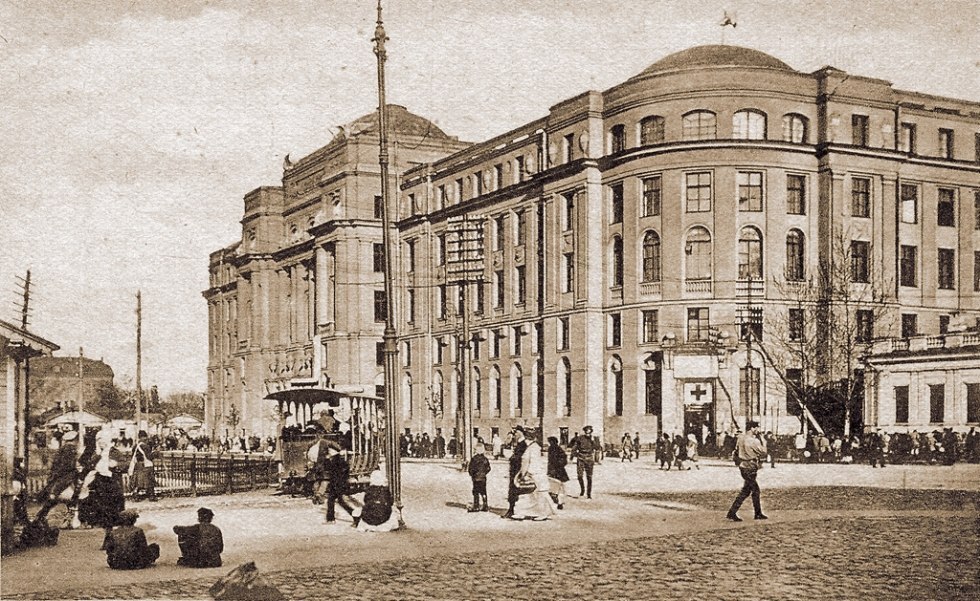 南方铁路管理局是国家工业委员会的前身。
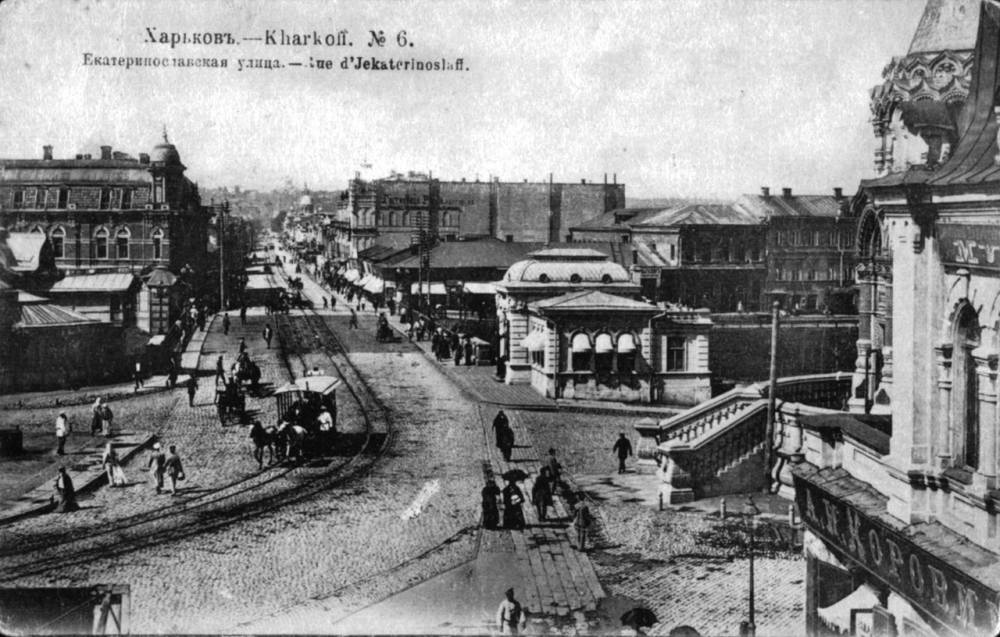 哈尔科夫的老桥们
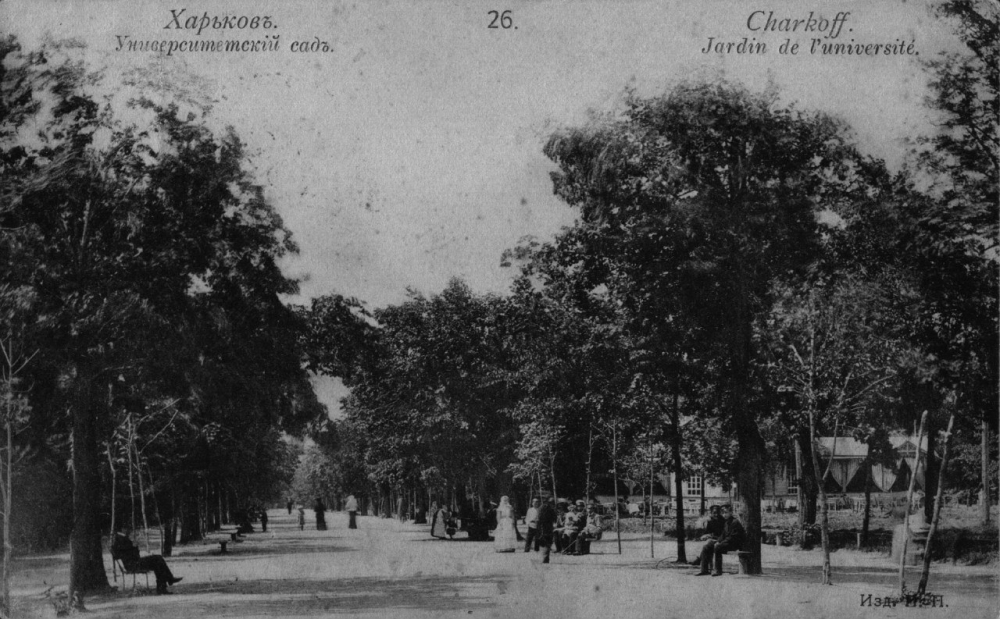 哈尔科夫的公园——T.G.舍甫琴柯花园——大学花园。
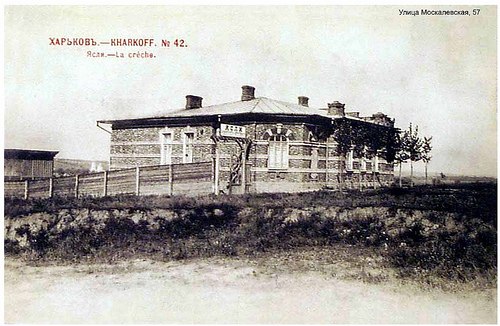 前托儿所、无线电信号屏蔽塔<br>以及第六门诊部的建筑
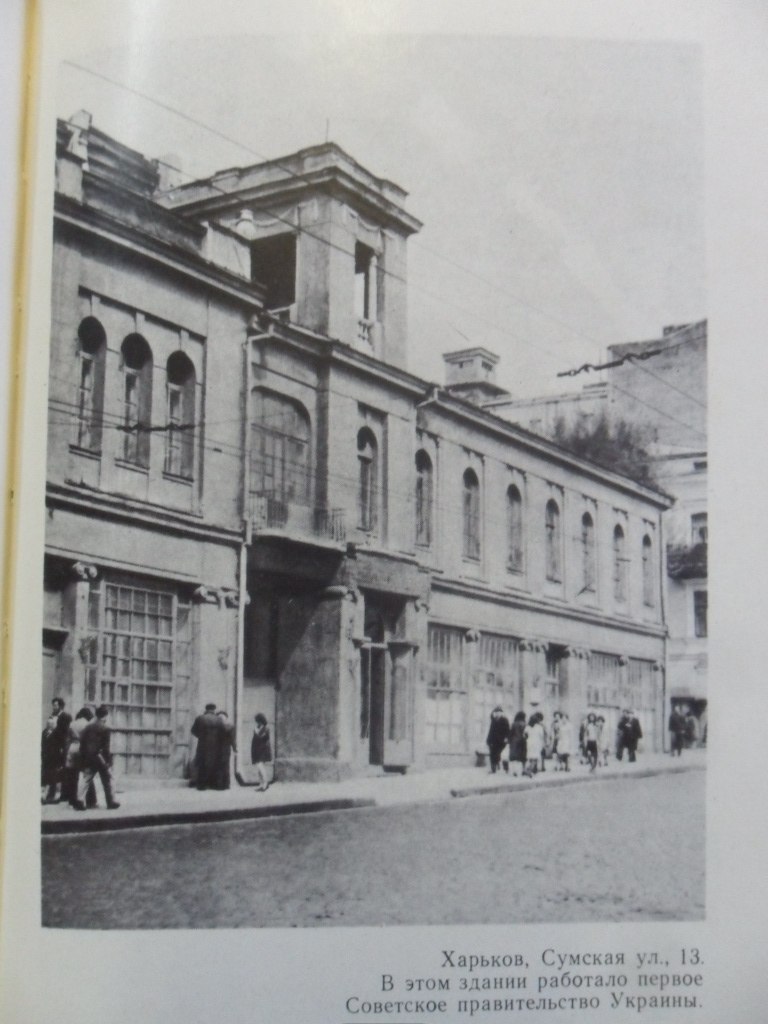 这座用于举办婚礼的宫殿——也就是A.A.尤泽福维奇的宅邸——今年迎来了它的100周年纪念。
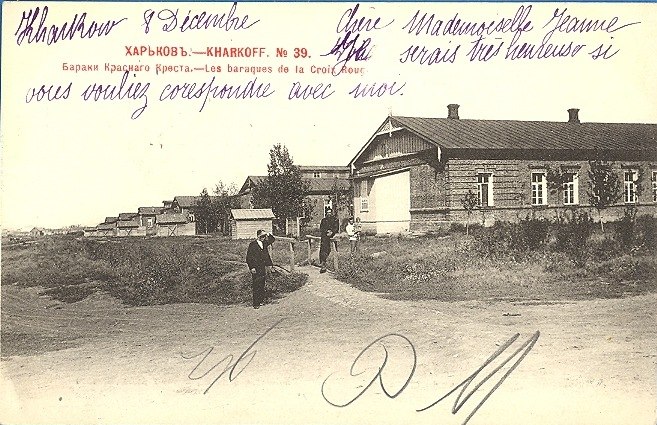 夏蒂洛夫卡——曾是哈尔科夫的郊区,但在20世纪初被并入城市范围。
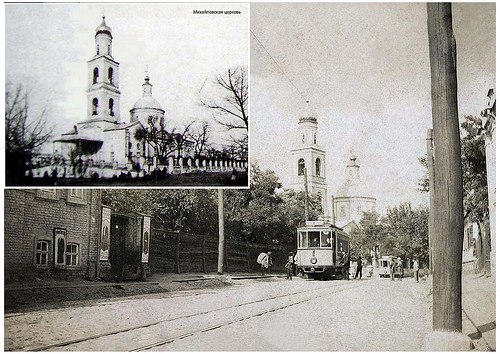 米哈伊洛夫教堂
 亚历克谢·尼古拉耶维奇·别凯托夫<br>(这位建筑师完全可以被称作<br>哈尔科夫建筑界的核心人物。)
 波尔塔瓦之路通向何方
 建设主义的胜利