普希金大街12号,哈尔科夫合唱犹太教堂6 张照片
Пушкинская 12, Xарьковсkaя хоральная синagogue
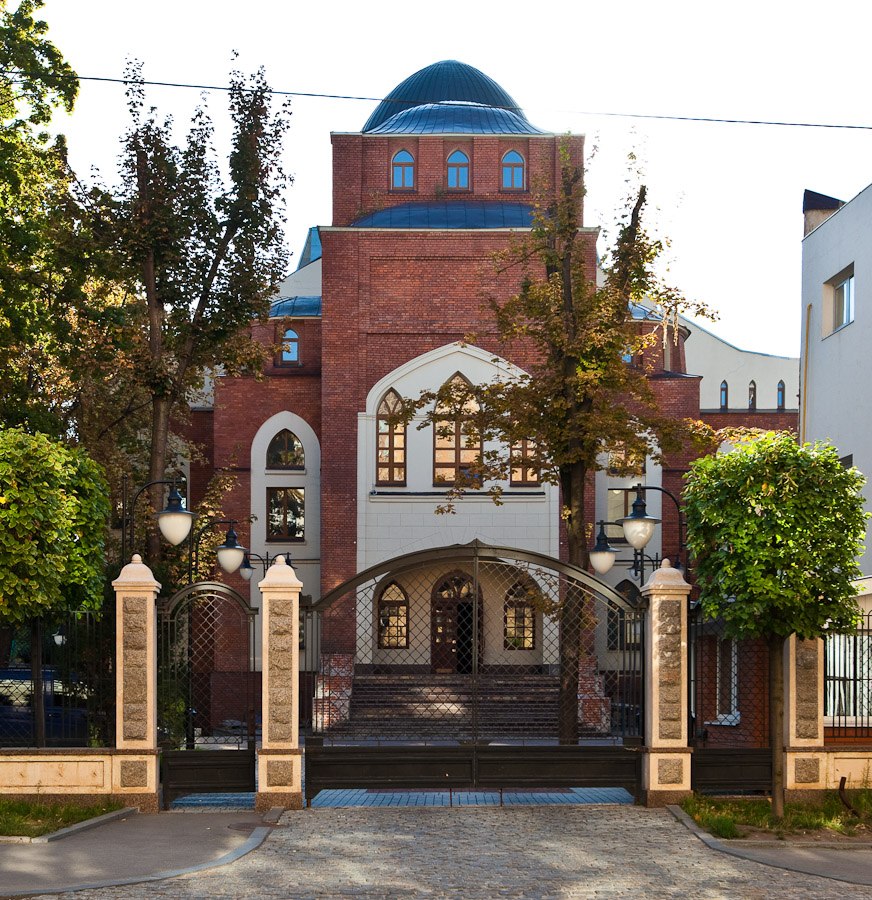
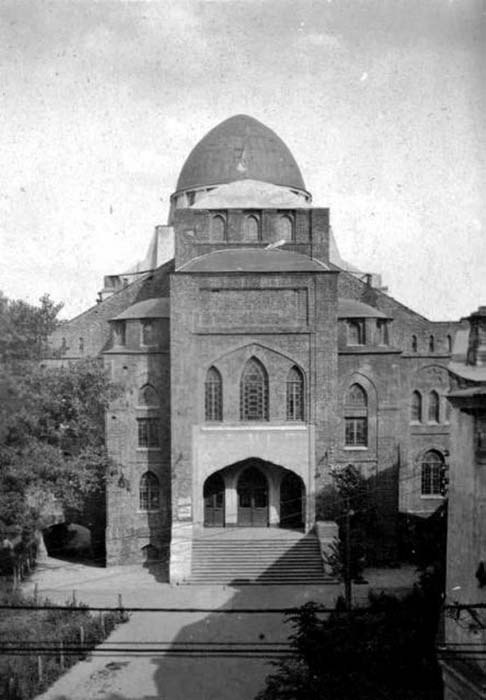
The Xar’kovskaya Choral Synagogue is a unique monument of Jewish synagogue architecture. Its architectural style incorporates elements of various European styles from different periods, including Moorish and Romanesque-Gothic influences, which set it apart from synagogues in Western Ukraine.
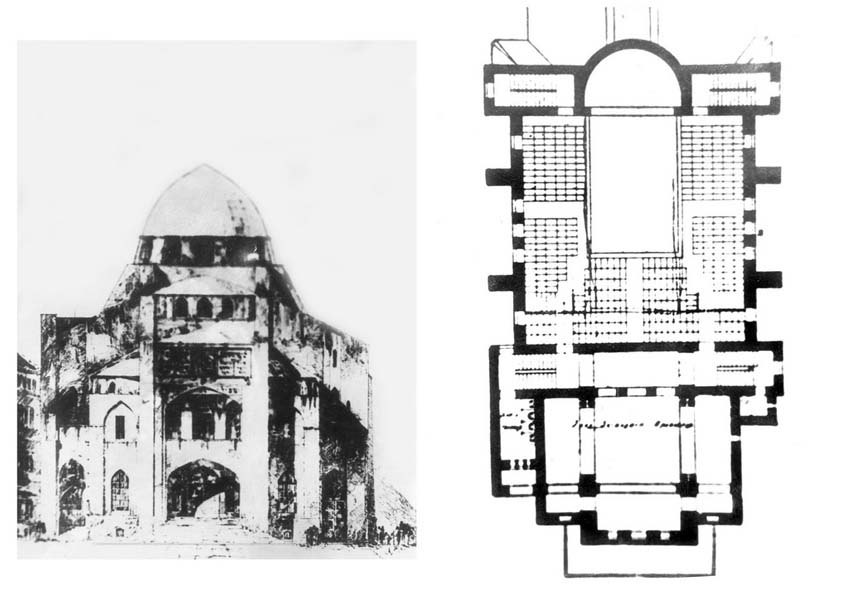
Built in the Modernist style, this synagogue was constructed in 1906. At that time, the dilapidated existing prayer hall had been closed down by the local authorities, forcing the congregation to pray in private locations. In 1909, the management of the First Jewish Prayer Hall entrusted the Imperial Saint Petersburg Architectural Society with organizing a competition to design new plans for the synagogue. J.G. Gevirtz won the competition.
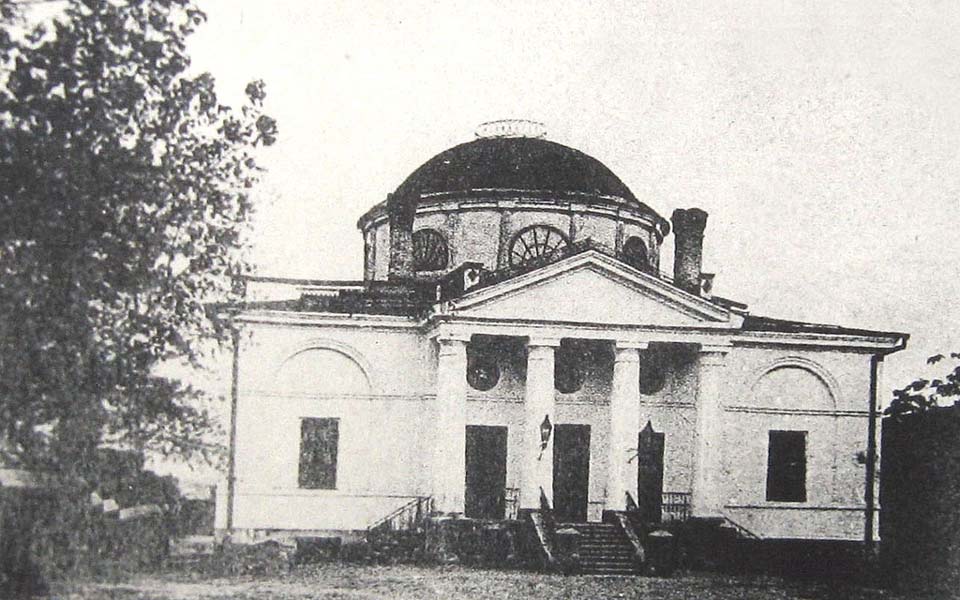
Previously, on this site stood the mansion of the Zarudny family, built in the early 19th century according to the designs of architect P.A. Yaroslavsky. In the 1860s and 1870s, the building was used as a men’s and then a women’s boarding school, and from 1906 until its demolition in 1910, it served as the First Jewish Prayer Hall. According to records, the synagogue had approximately 800 members in 1887, and during trade fairs, up to 3,000 additional Jews would arrive in the city for business activities. The old synagogue was demolished in 1910, and construction of the new one began immediately thereafter.
The foundation stone of the new synagogue was laid on May 10, 1910. The new building was completed in 1913 and soon became a prominent landmark in Xar’kov.
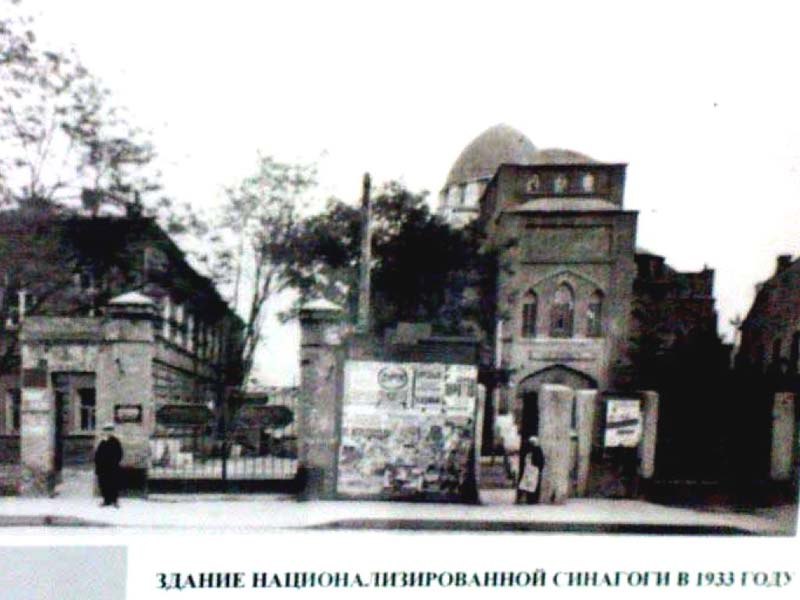
The synagogue was used for its original purpose for around 10 years before being nationalized by the Soviet authorities in 1923 and converted into a Jewish workers’ club. The club operated within the building until 1941, and after the war, the remaining structure was converted into a sports hall. During renovations, the synagogue’s original interior design was destroyed, and the space was divided into two levels using concrete barriers. In 1990, the synagogue was returned to the religious community and restored.
According to some locals, during the post-war years, a boxing ring was also installed in the basement of the building.
#Kharkov #Xar’kov #History ##JewishCulture
The Xar’kovskaya Choral Synagogue is a unique monument of Jewish synagogue architecture. Its architectural style incorporates elements of various European styles from different periods, including Moorish and Romanesque-Gothic influences, which set it apart from synagogues in Western Ukraine.
Built in the Modernist style, this synagogue was constructed in 1906. At that time, the dilapidated existing prayer hall had been closed down by the local authorities, forcing the congregation to pray in private locations. In 1909, the management of the First Jewish Prayer Hall entrusted the Imperial Saint Petersburg Architectural Society with organizing a competition to design new plans for the synagogue. J.G. Gevirtz won the competition.
Previously, on this site stood the mansion of the Zarudny family, built in the early 19th century according to the designs of architect P.A. Yaroslavsky. In the 1860s and 1870s, the building was used as a men’s and then a women’s boarding school, and from 1906 until its demolition in 1910, it served as the First Jewish Prayer Hall. According to records, the synagogue had approximately 800 members in 1887, and during trade fairs, up to 3,000 additional Jews would arrive in the city for business activities. The old synagogue was demolished in 1910, and construction of the new one began immediately thereafter.
The foundation stone of the new synagogue was laid on May 10, 1910. The new building was completed in 1913 and soon became a prominent landmark in Xar’kov.
The synagogue was used for its original purpose for around 10 years before being nationalized by the Soviet authorities in 1923 and converted into a Jewish workers’ club. The club operated within the building until 1941, and after the war, the remaining structure was converted into a sports hall. During renovations, the synagogue’s original interior design was destroyed, and the space was divided into two levels using concrete barriers. In 1990, the synagogue was returned to the religious community and restored.
According to some locals, during the post-war years, a boxing ring was also installed in the basement of the building.
#Kharkov #Xar’kov #History ##JewishCulture
为您的项目寻找最佳专业人士
维修、建设和装修专家随时准备帮助您
推荐画廊
推荐文章



更多画廊
 柬埔寨
柬埔寨 瑞士,卢塞恩
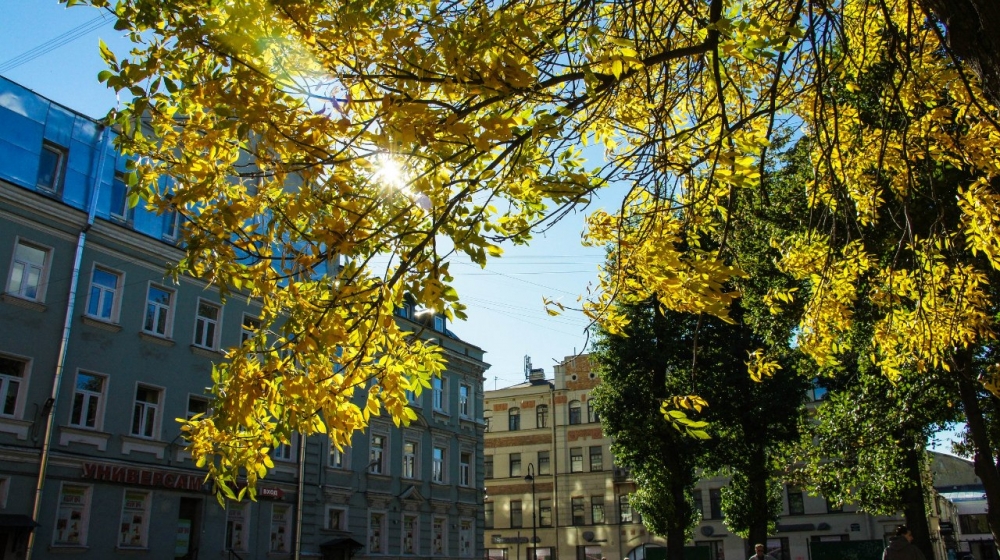 意外地,彼得堡的秋天以如此美好的方式开始了。
 assistant
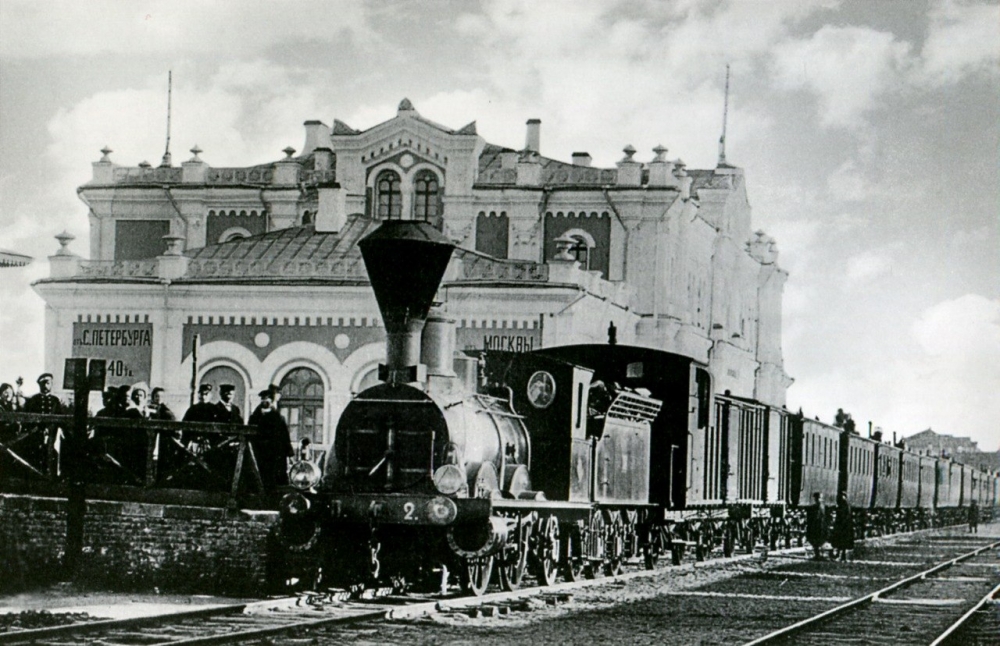 关于该火车站的起源故事……
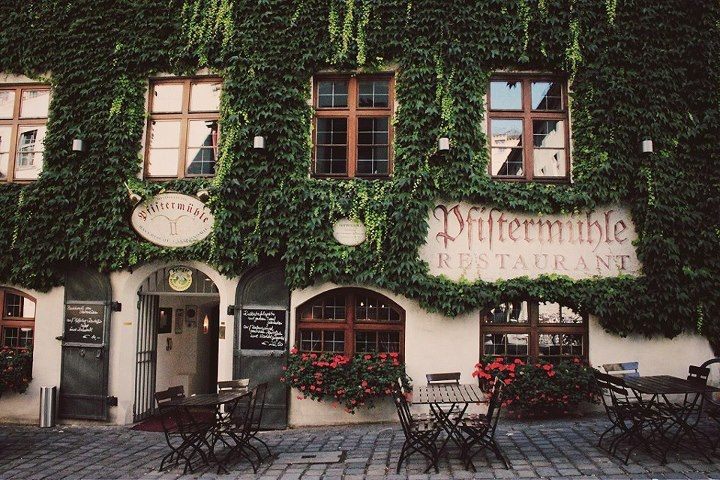 德国慕尼黑
德国慕尼黑 雅加尔在洛罗公园
 #### Church in Greece #### Church in Greece The Church in Greece plays a vital role in the religious life of the country. The Greek Orthodox Church, in particular, holds a prominent position within the Greek society and has a long history and rich cultural heritage. The Greek Orthodox Church is one of the oldest Christian churches in the world, with roots dating back to the 4th century AD. It has played a crucial role in the development of Greek culture and society throughout the centuries. The Greek Orthodox Church also plays an important role in promoting international cooperation and understanding among religions. It actively participates in various international initiatives and activities organized by religious organizations. It encourages believers from different faiths to engage in dialogue and exchanges within the framework of these initiatives. Such efforts contribute significantly to the promotion of peace and understanding among peoples of different cultures and backgrounds. In Greece, the Church is not only a place of worship but also a community center and a center for social activities. It often organizes various events and activities, such as festivals, concerts, lectures, and workshops. These events help to promote cultural diversity and exchange, as well as to enhance the sense of community and belonging among members of the local community. The Church in Greece is an essential element of Greek society and culture, and its influence extends far beyond the religious sphere. Its role in promoting religious freedom and tolerance, as well as in fostering a spirit of unity and cooperation among citizens, is invaluable.
 瑞士
瑞士 古巴
古巴 在森林的深处
 法国波利尼西亚