哈尔科夫马戏团5 张照片
#### Chinese
#### Harbin Circus
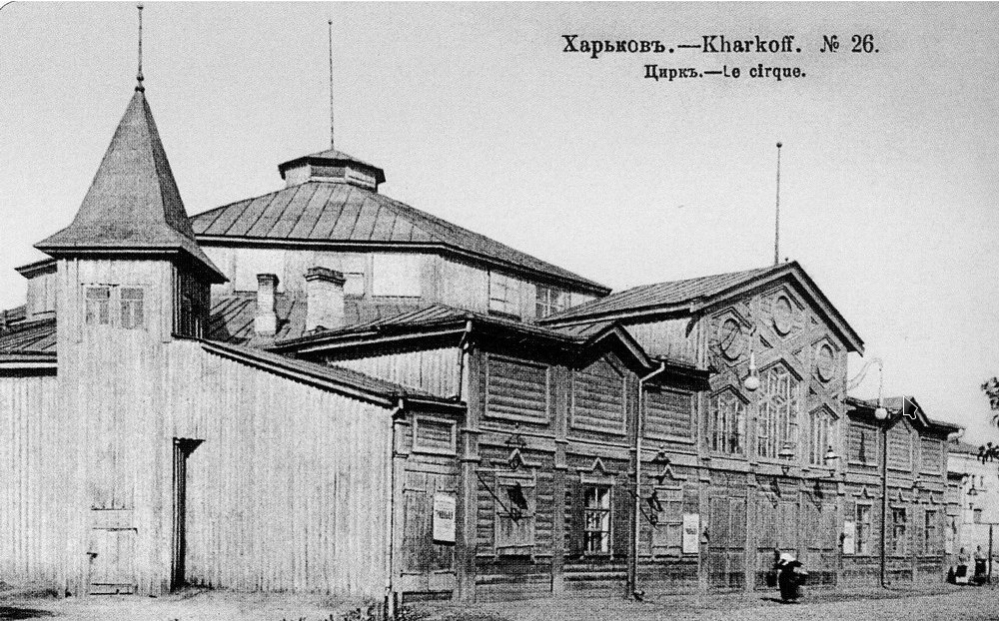
As early as the 18th century, the first street circus performances took place in Kharkiv.
In the early 19th century, there were already 6 circus troupes in the city, performing on markets such as Rybnaya Square, Mikhailovskaya Square (now Rudneva Square) and Mironositskaya Square (now Victory Square) from spring to autumn.
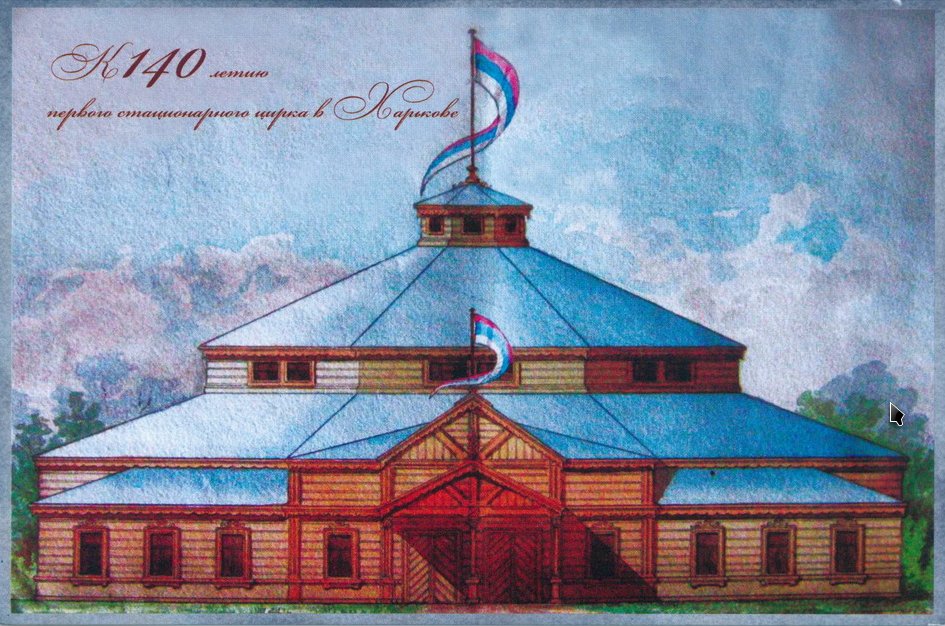
In 1862, the first permanent wooden circus building was constructed in Kharkiv on Moskovskaya Street. It belonged to Wilhelm Sura, a German citizen of Prussia. Five years later, the wooden structure was encased in a brick wall, covered with canvas, and equipped with basic heating systems. In 1868, another wooden circus tent was set up near Sura’s circus. Its owner, Joseph Dersen, was the director of the Moscow Circus.
In 1870, Johann Fritz, a Romanian citizen, built a new wooden circus near Nikolaevskaya Square. In 1881, French entrepreneurs L. and J. Godfroy built a temporary wooden circus building on Torgovaya Square (now Rosa Luxembourg Square) that was authorized to operate there for 5 years; after that period, it was demolished at the governor’s orders.
In 1882, the Italian Ernest Cinizelli constructed a massive wooden circus in Mikhailovskaya Square. In the same year, another wooden circus building was built in the Zhandarmskaya Square area (now Militioner Square) by the famous Nikitin brothers, who founded Russia’s first permanent circus.
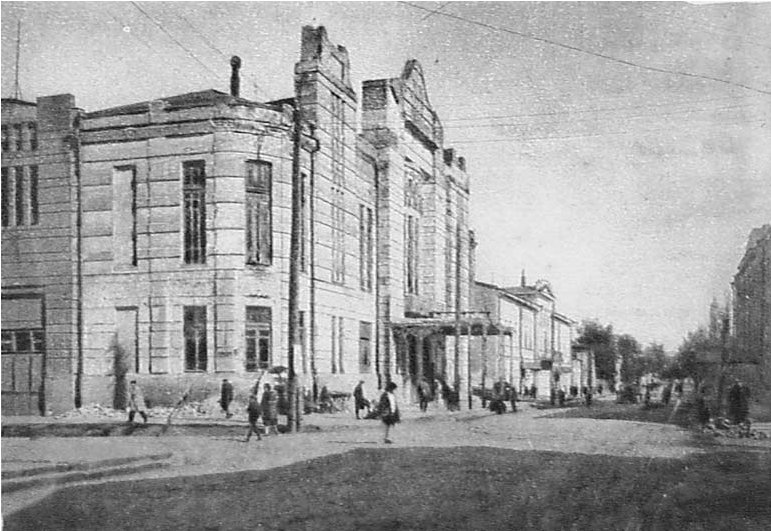
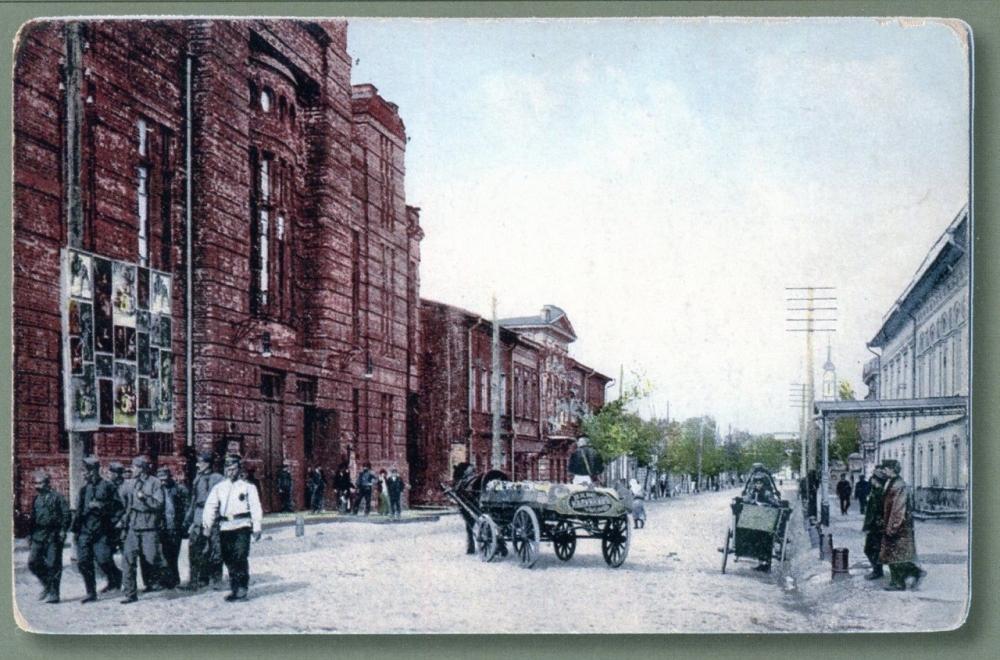
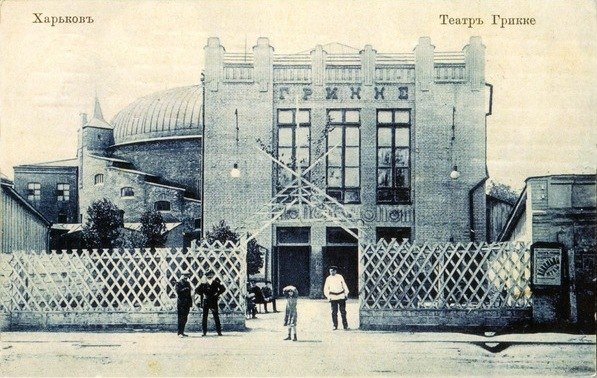
On the other side of Zhandarmskaya Square, the entrepreneur Heinrich Grikke first built a wooden circus, and then, in 1905–1906, under the design of V. V. Krustalyov, M. S. Komornitsky and B. N. Korneenko, he constructed the city’s first permanent stone circus. This theater-style venue was equipped with advanced technologies of the time, such as electric lighting and central heating, and could also be converted into a theater when necessary. The history of Heinrich Grikke’s “Old Circus” is closely linked to many famous figures and events in Ukrainian theater history. Many renowned actors and troupes, including those led by M. L. Kropivnitsky, P. K. Saksagansky, and M. K. Sadovsky, performed there. In 1912–1913, the “Public Theater” founded by N. N. Sinelnikov also operated here.
In 1911, the theater entrepreneur Grigory Mikhailovich Mussouri built a new large-scale circus theater building on the corner of Blagoveshchenenskaya Street (now Karl Marx Street) and Dmitrievskaya Street. This facility, capable of seating 5,750 people, was the largest circus in the world at that time. It included dressing rooms, various workshops, and auxiliary facilities. At that moment, Kharkiv thus had two operating permanent circuses simultaneously, an achievement that few large cities even today possess. Although this circus building did not operate for a long time.
Source: vk.com/old_kharkov
As early as the 18th century, the first street circus performances took place in Kharkiv.
In the early 19th century, there were already 6 circus troupes in the city, performing on markets such as Rybnaya Square, Mikhailovskaya Square (now Rudneva Square) and Mironositskaya Square (now Victory Square) from spring to autumn.
In 1862, the first permanent wooden circus building was constructed in Kharkiv on Moskovskaya Street. It belonged to Wilhelm Sura, a German citizen of Prussia. Five years later, the wooden structure was encased in a brick wall, covered with canvas, and equipped with basic heating systems. In 1868, another wooden circus tent was set up near Sura’s circus. Its owner, Joseph Dersen, was the director of the Moscow Circus.
In 1870, Johann Fritz, a Romanian citizen, built a new wooden circus near Nikolaevskaya Square. In 1881, French entrepreneurs L. and J. Godfroy built a temporary wooden circus building on Torgovaya Square (now Rosa Luxembourg Square) that was authorized to operate there for 5 years; after that period, it was demolished at the governor’s orders.
In 1882, the Italian Ernest Cinizelli constructed a massive wooden circus in Mikhailovskaya Square. In the same year, another wooden circus building was built in the Zhandarmskaya Square area (now Militioner Square) by the famous Nikitin brothers, who founded Russia’s first permanent circus.
On the other side of Zhandarmskaya Square, the entrepreneur Heinrich Grikke first built a wooden circus, and then, in 1905–1906, under the design of V. V. Krustalyov, M. S. Komornitsky and B. N. Korneenko, he constructed the city’s first permanent stone circus. This theater-style venue was equipped with advanced technologies of the time, such as electric lighting and central heating, and could also be converted into a theater when necessary. The history of Heinrich Grikke’s “Old Circus” is closely linked to many famous figures and events in Ukrainian theater history. Many renowned actors and troupes, including those led by M. L. Kropivnitsky, P. K. Saksagansky, and M. K. Sadovsky, performed there. In 1912–1913, the “Public Theater” founded by N. N. Sinelnikov also operated here.
In 1911, the theater entrepreneur Grigory Mikhailovich Mussouri built a new large-scale circus theater building on the corner of Blagoveshchenenskaya Street (now Karl Marx Street) and Dmitrievskaya Street. This facility, capable of seating 5,750 people, was the largest circus in the world at that time. It included dressing rooms, various workshops, and auxiliary facilities. At that moment, Kharkiv thus had two operating permanent circuses simultaneously, an achievement that few large cities even today possess. Although this circus building did not operate for a long time.
Source: vk.com/old_kharkov
为您的项目寻找最佳专业人士
维修、建设和装修专家随时准备帮助您
推荐画廊
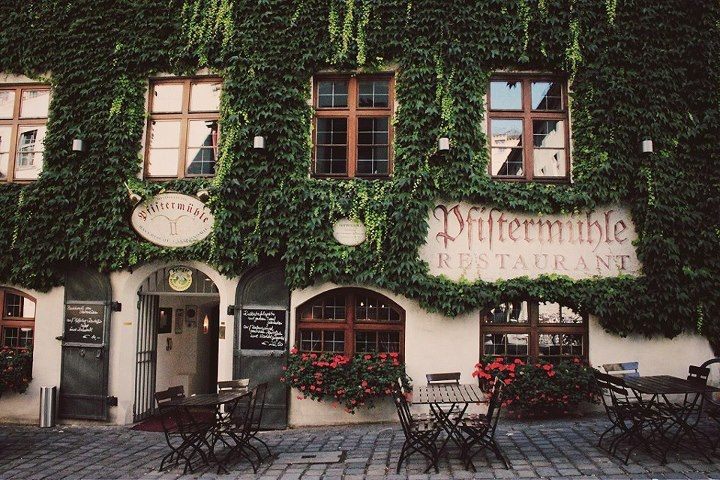
德国慕尼黑
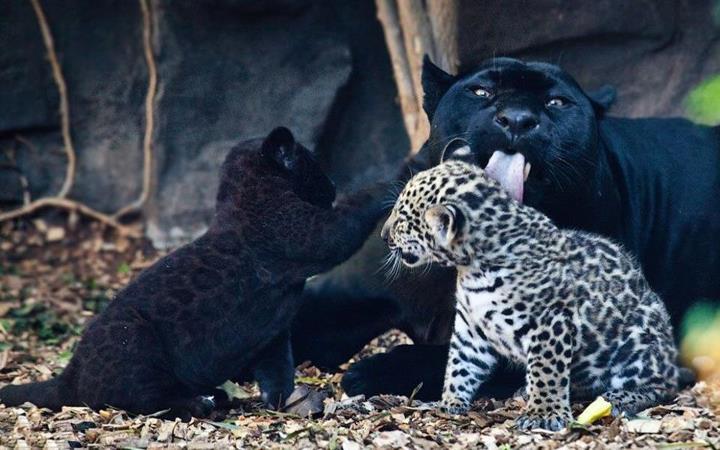
雅加尔在洛罗公园
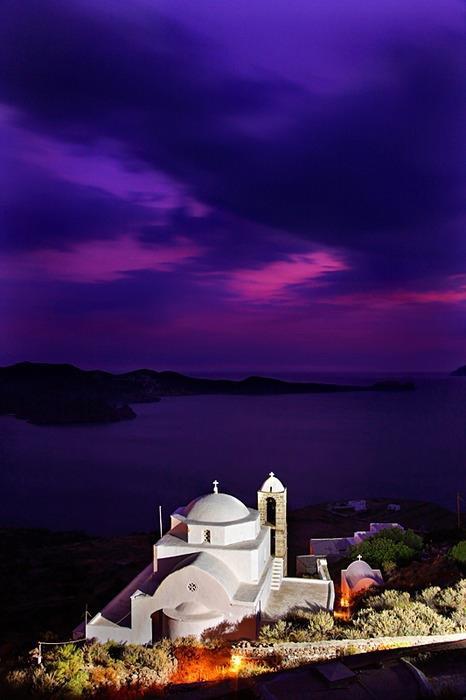
#### Church in Greece #### Church in Greece The Church in Greece plays a vital role in the religious life of the country. The Greek Orthodox Church, in particular, holds a prominent position within the Greek society and has a long history and rich cultural heritage. The Greek Orthodox Church is one of the oldest Christian churches in the world, with roots dating back to the 4th century AD. It has played a crucial role in the development of Greek culture and society throughout the centuries. The Greek Orthodox Church also plays an important role in promoting international cooperation and understanding among religions. It actively participates in various international initiatives and activities organized by religious organizations. It encourages believers from different faiths to engage in dialogue and exchanges within the framework of these initiatives. Such efforts contribute significantly to the promotion of peace and understanding among peoples of different cultures and backgrounds. In Greece, the Church is not only a place of worship but also a community center and a center for social activities. It often organizes various events and activities, such as festivals, concerts, lectures, and workshops. These events help to promote cultural diversity and exchange, as well as to enhance the sense of community and belonging among members of the local community. The Church in Greece is an essential element of Greek society and culture, and its influence extends far beyond the religious sphere. Its role in promoting religious freedom and tolerance, as well as in fostering a spirit of unity and cooperation among citizens, is invaluable.

瑞士
推荐文章

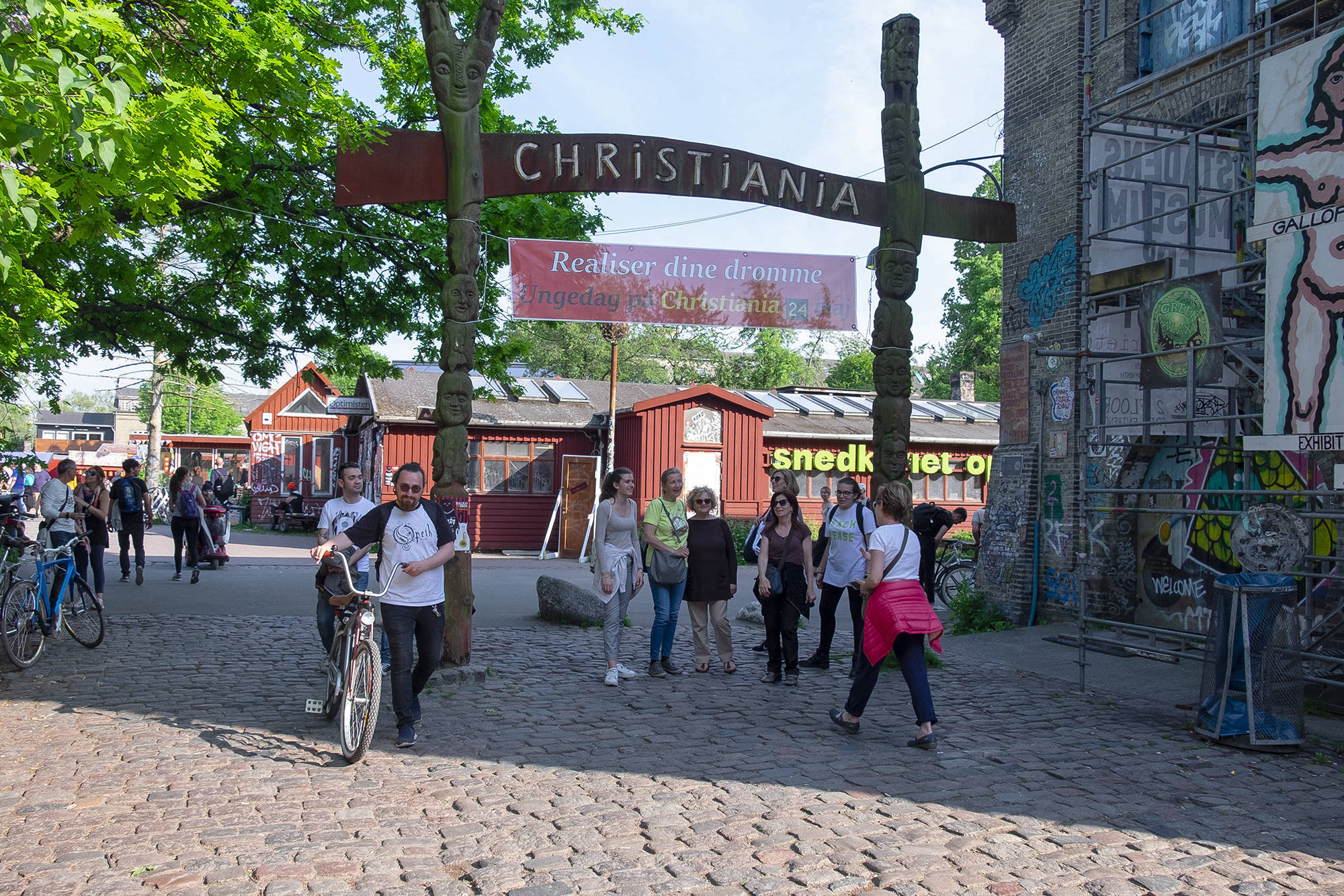


更多画廊
- 德国慕尼黑
- 雅加尔在洛罗公园
- #### Church in Greece #### Church in Greece The Church in Greece plays a vital role in the religious life of the country. The Greek Orthodox Church, in particular, holds a prominent position within the Greek society and has a long history and rich cultural heritage. The Greek Orthodox Church is one of the oldest Christian churches in the world, with roots dating back to the 4th century AD. It has played a crucial role in the development of Greek culture and society throughout the centuries. The Greek Orthodox Church also plays an important role in promoting international cooperation and understanding among religions. It actively participates in various international initiatives and activities organized by religious organizations. It encourages believers from different faiths to engage in dialogue and exchanges within the framework of these initiatives. Such efforts contribute significantly to the promotion of peace and understanding among peoples of different cultures and backgrounds. In Greece, the Church is not only a place of worship but also a community center and a center for social activities. It often organizes various events and activities, such as festivals, concerts, lectures, and workshops. These events help to promote cultural diversity and exchange, as well as to enhance the sense of community and belonging among members of the local community. The Church in Greece is an essential element of Greek society and culture, and its influence extends far beyond the religious sphere. Its role in promoting religious freedom and tolerance, as well as in fostering a spirit of unity and cooperation among citizens, is invaluable.
- 瑞士
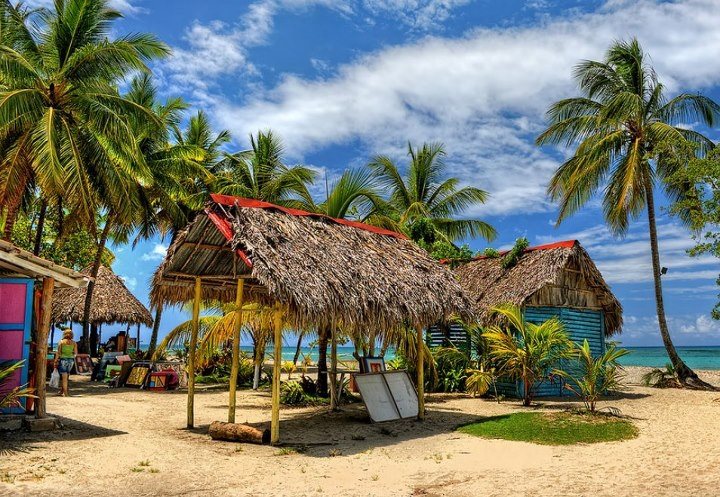 古巴
古巴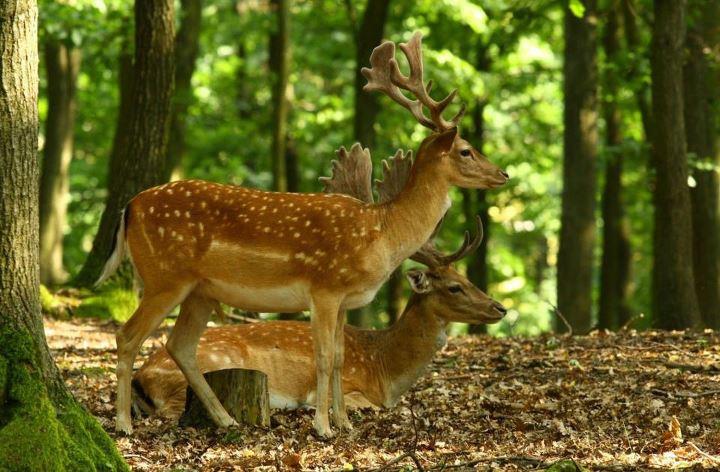 在森林的深处
 法国波利尼西亚
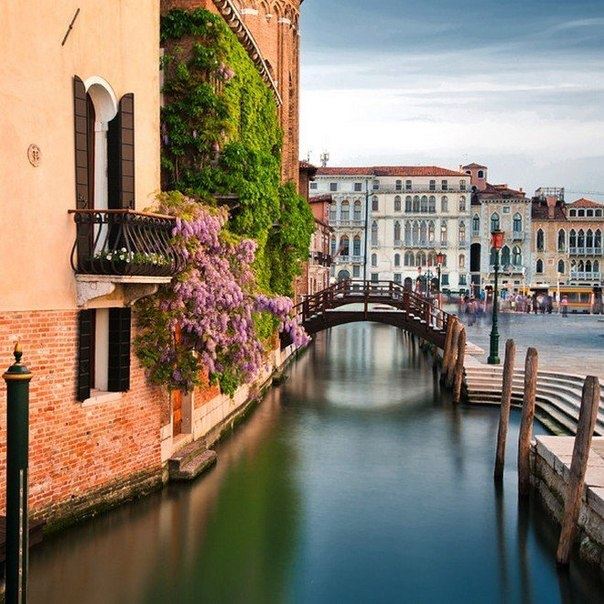 威尼斯
威尼斯 挪威的基拉格岩层
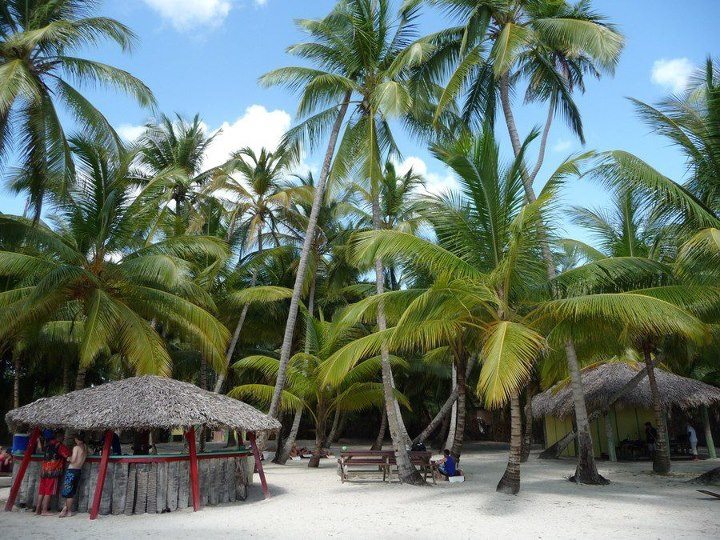 早晨,多米尼克的海滩上。
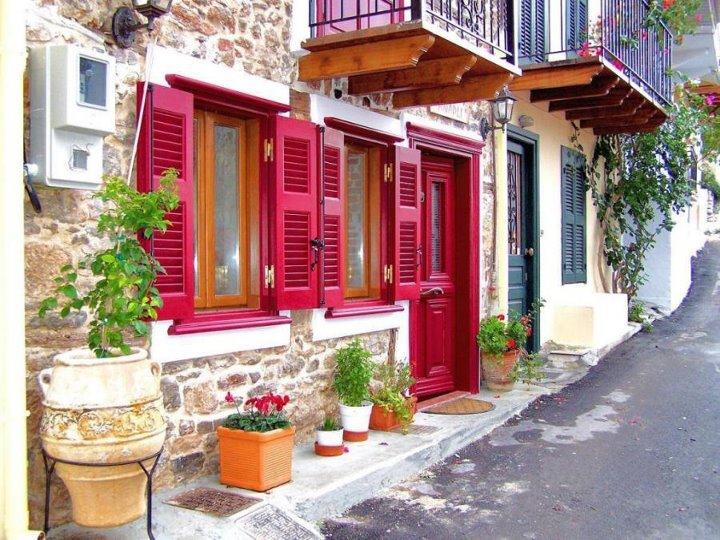 希腊,纳夫普利オ
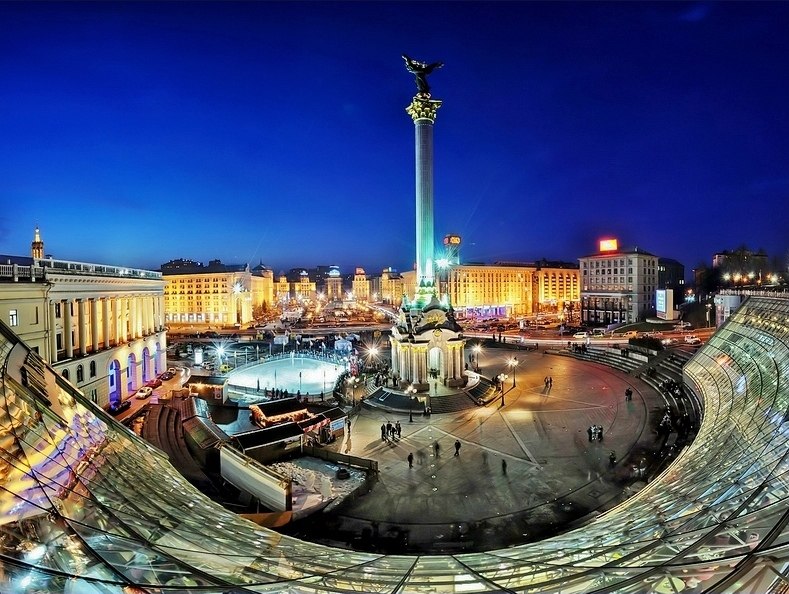 夜色中的基辅