[club1543502|主街]。苏姆斯卡亚街与哈尔科夫要塞同时出现,作为通往苏姆市的道路而存在。6 张照片
The construction along the road that began in the late 17th century extended to what is now Theatre Square by the end of the 18th century, where at that time a earthen wall surrounded the city. Construction resumed in the early 19th century after the building of the highway between Kharkov and Kursk. Clay houses with straw roofs that had previously lined the streets were replaced by urban-style buildings, and in 1836, only stone houses were allowed to be constructed here. In 1839, the street was paved, and 37 oil lamps were installed for lighting. In 1869, house numbering began, replacing the previous system based on owners' names; the numbers increased towards the center of the city. By 1879, the first number corresponded to the site of the Mironositskaya Church, where now the Victory Square is located, and the second number referred to the Veterinary Institute, which is now the Palace of Children's and Youth Creativity. The eastern side of the street was odd-numbered, and the western side was even-numbered. In 1883, a horse-drawn railway line opened along the Sumskaya Street, connecting the southern part of the city with the former Veterinary Square (now Freedom Square). At the turn of the 19th and 20th centuries, the northern part of the Nagorni district was developed, with mostly multi-story residential buildings constructed and a city park created. In 1906, a tram line was extended from Pushkinskaya Street through the former Basseyna Street (Petrovskiy Street) and Sumskaya Street to this area. After 1917, the carriage road and tram line were removed from Sumskaya Street, and in 1939, the first trolleybuses in Ukraine ran on it. The significance of Sumskaya Street as the city's main avenue gradually evolved over time. Its location along the ridge separating the floodplains of the Kharkov and Lopan rivers, as well as the presence of southern extensions of the forest massif, contributed to the creation of recreational green spaces in the 19th century, such as the University Garden (now Shevchenko Park) and later the City Park and Lesopark (Sokolniki-Pomerki). The oldest surviving buildings on Sumskaya Street are the two-story residential structures at number 16, built in the 1840s when so-called model projects in the form of informal classicalism were required. In 1842, a stone drama theater was constructed on Theatre Square according to the design by architect A.A. Ton; it has since undergone several renovations. Next to the University Garden, the Institute for Noble Ladies and the Merchant Assembly Building were established in the 1840s, and later a new opera house was built on their sites. Opposite these buildings was the former Cross-Raising Church, also known as the Women's Mironosits, which was demolished in the 1930s. In the second half of the 19th century, the Veterinary Institute and the medical faculty building of the university were constructed. At the corner of Theatre Square, the State Bank building was erected according to the design by architect R.P. Golenishchev; it was expanded in 1932 and again in 1939. Meanwhile, the Southern Russia Mining Industrialists Council Building (now the Radio Technical School) was constructed on the plots at numbers 18-20. At the corner of Veterinary Street and Ivanova Street was the governor's estate built by architect A.B. Minkus; it was expanded in 1913 and renovated in 1930 according to the design by architect Y.A. Steinberg. During the war, this building was destroyed, and in the 1950s, a new administrative building was constructed on its site. At the corner of the former Hospital Alley and Danilevsky Street, the School for the Blind was built in 1889-1892 according to the design by architect I.I. Zagoskin, with assistance from architect F.I. Shuster. One after another, prestigious residential buildings also emerged along this street. Notable examples included building number 47, the residence of Professor Neznamov, which was later altered due to additional constructions; the house of newspaper publisher A.A. Iozefovich, which now houses the Marriage Palace (architect A.I. Gorokhov, 1913); and numerous other elite residences. The buildings designed in the Art Nouveau style by architects A.M. Ginzburg, M.G. Dikansky, and others on Sumskaya Street are of particular historical and artistic value. In total, 36 buildings on this street have been listed as architectural monuments. They reflect the various stages of our city's history from the 1840s to the present day, as well as the evolution of architectural styles. Traditionally, Sumskaya Street has been a popular venue for urban residents to stroll and enjoy the many attractions it offers, such as theaters, cinemas, shops, cafes, restaurants, and especially the parks and squares. In the 1930s, the establishment of the new Freedom Square as a public center further enhanced its significance. The monument to T.G. Shevchenko, erected in 1935, became a sacred site on this street. The new opera house complex also attracted many visitors. However, the increasing traffic load, far exceeding the street's capacity, caused significant problems. Recent efforts to limit traffic and restore the street's original character have shown some positive results, but turning the initial section of the street into a pedestrian zone is currently not feasible. Nevertheless, Sumskaya Street remains the beloved thoroughfare of the city's residents and continues to symbolize the essence of our city.
**Alexander Liebfreud, Candidate of Architecture. Tatyana Tikhomirova, Local Historian. (“Sloboda” magazine, April 1993 issue).** #Kharkov #Kharkov #History
### Translation:
The construction along the road that began in the late 17th century extended to what is now Theatre Square by the end of the 18th century, where at that time a earthen wall surrounded the city. Construction resumed in the early 19th century after the building of the highway between Kharkov and Kursk. Clay houses with straw roofs that had previously lined the streets were replaced by urban-style buildings, and in 1836, only stone houses were allowed to be constructed here. In 1839, the street was paved, and 37 oil lamps were installed for lighting. In 1869, house numbering began, replacing the previous system based on owners' names; the numbers increased towards the center of the city. By 1879, the first number corresponded to the site of the Mironositskaya Church, where now the Victory Square is located, and the second number referred to the Veterinary Institute, which is now the Palace of Children's and Youth Creativity. The eastern side of the street was odd-numbered, and the western side was even-numbered. In 1883, a horse-drawn railway line opened along the Sumskaya Street, connecting the southern part of the city with the former Veterinary Square (now Freedom Square). At the turn of the 19th and 20th centuries, the northern part of the Nagorni district was developed, with mostly multi-story residential buildings constructed and a city park created. In 1906, a tram line was extended from Pushkinskaya Street through the former Basseyna Street (Petrovskiy Street) and Sumskaya Street to this area. After 1917, the carriage road and tram line were removed from Sumskaya Street, and in 1939, the first trolleybuses in Ukraine under the ground wire system were introduced there. The significance of Sumskya Street as the city's main avenue gradually evolved over time. Its location along the ridge separating the floodplains of the Kharkov and Lopan rivers, as well as the presence of southern extensions of the forest massif, contributed to the creation of recreational green spaces in the 19th century, such as the University Garden (now Shevchenko Park) and later the City Park and Lesopark (Sokolniki-Pomerki). The oldest surviving buildings on Sumskaya Street are the two-story residential structures at number 16, built in the 1840s when so-called model projects in the form of informal classicalism were required. In 1842, a stone drama theater was constructed on Theatre Square according to the design by architect A.A. Ton; it has since undergone several renovations. Next to the University Garden, the Institute for Noble Ladies and the Merchant Assembly Building were established in the 1840s, and later a new opera house was built on their sites. Opposite these buildings was the former Cross-Raising Church, also known as the Women's Mironosits, which was demolished in the 1930s. In the second half of the 19th century, the Veterinary Institute and the medical faculty building of the university were constructed. At the corner of Theatre Square, the State Bank building was erected according to the design by architect R.P. Golenishchev; it was expanded in 1932 and again in 1939. Meanwhile, the Southern Russia Mining Industrialists Council Building (now the Radio Technical School) was constructed on the plots at numbers 18-20. At the corner of Veterinary Street and Ivanova Street was the governor's estate built by architect A.B. Minkus; it was expanded in 1913 and renovated in 1930 according to the design by architect Y.A. Steinberg. During the war, this building was destroyed, and in the 1950s, a new administrative building was constructed on its site. At the corner of the former Hospital Alley and Danilevsky Street, the School for the Blind School was built in 1889-1892 according to the design by architect I.I. Zagoskin, with assistance from architect F.I. Shuster. One after another, prestigious residential buildings also emerged along this street. Notable examples included building number 47, the residence of Professor Neznamov, which was later altered due to additional constructions; the house of newspaper publisher A.A. Iozefovich, which now houses the Marriage Palace (architect A.I. Gorokhov, 1913); and numerous other elite residences. The buildings designed in the Art Nouveau style by architects A.M. Ginzburg, M.G. Dikansky, and others on Sumskaya Street are of particular historical and artistic value. In total, 36 buildings on this street have been listed as architectural monuments. They reflect the various stages of our city's history from the 1840s to the present day, as well as the evolution of architectural styles. Traditionally, Sumskaya Street has been a popular venue for urban residents to stroll and enjoy the many attractions it offers, such as theaters, cinemas, shops, cafes, restaurants, and especially the parks and squares. In the 1930s, the establishment of the new Freedom Square as a public center further enhanced its significance. The monument to T.G. Shevchenko, erected in 1935, became a sacred site on this street. The new opera house complex also attracted many visitors. However, the increasing traffic load, far exceeding the street's capacity, caused significant problems. Recent efforts to limit traffic and restore the street's original character have shown some positive results, but turning the initial section of the street into a pedestrian zone is currently not feasible. Nevertheless, Sumskaya Street remains the beloved thoroughfare of the city's residents and continues to symbolize the essence of our city.
**Alexander Liebfreud, Candidate of Architecture. Tatyana Tikhomirova, Local Historian. (“Sloboda” magazine, April 1993 issue).** #Kharkov #Kharkov #History
![[club1543502|主街]。苏姆斯卡亚街与哈尔科夫要塞同时出现,作为通往苏姆市的道路而存在。 - 1](/storage/images/mixx/2013-11/d59013d63d3aa042.jpg)
![[club1543502|主街]。苏姆斯卡亚街与哈尔科夫要塞同时出现,作为通往苏姆市的道路而存在。 - 2](/storage/images/mixx/2013-11/a4b96a3f6422daa7.jpg)
![[club1543502|主街]。苏姆斯卡亚街与哈尔科夫要塞同时出现,作为通往苏姆市的道路而存在。 - 3](/storage/images/mixx/2013-11/6088c38f44565f7d.jpg)
![[club1543502|主街]。苏姆斯卡亚街与哈尔科夫要塞同时出现,作为通往苏姆市的道路而存在。 - 4](/storage/images/mixx/2013-11/edb661cc6206c676.jpg)
![[club1543502|主街]。苏姆斯卡亚街与哈尔科夫要塞同时出现,作为通往苏姆市的道路而存在。 - 5](/storage/images/mixx/2013-11/fb082c8739000e8e.jpg)
![[club1543502|主街]。苏姆斯卡亚街与哈尔科夫要塞同时出现,作为通往苏姆市的道路而存在。 - 6](/storage/images/mixx/2013-11/0ff426a58567fe78.jpg)
为您的项目寻找最佳专业人士
维修、建设和装修专家随时准备帮助您
推荐画廊
推荐文章


更多画廊
![[club1543502|沃罗比耶夫胡同——这个地方似乎总是吸引着电影制作者和恐怖片爱好者]。](/storage/images/mixx/2013-11/731fc2dbacb3def7.jpg) [club1543502|沃罗比耶夫胡同——这个地方似乎总是吸引着电影制作者和恐怖片爱好者]。
[club1543502|沃罗比耶夫胡同——这个地方似乎总是吸引着电影制作者和恐怖片爱好者]。![[club1543502|金鱼之家或<br>哈尔科夫的第二座布满奇异图案的建筑] <br>(位于该剧院的右侧)](/storage/images/mixx/2013-11/f2d233c7e996c711.jpg) [club1543502|金鱼之家或<br>哈尔科夫的第二座布满奇异图案的建筑] <br>(位于该剧院的右侧)
[club1543502|金鱼之家或<br>哈尔科夫的第二座布满奇异图案的建筑] <br>(位于该剧院的右侧)![[club1543502|哈尔科夫市街道上的奇异建筑]](/storage/images/mixx/2013-11/666e76242d7674a6.jpg) [club1543502|哈尔科夫市街道上的奇异建筑]
[club1543502|哈尔科夫市街道上的奇异建筑]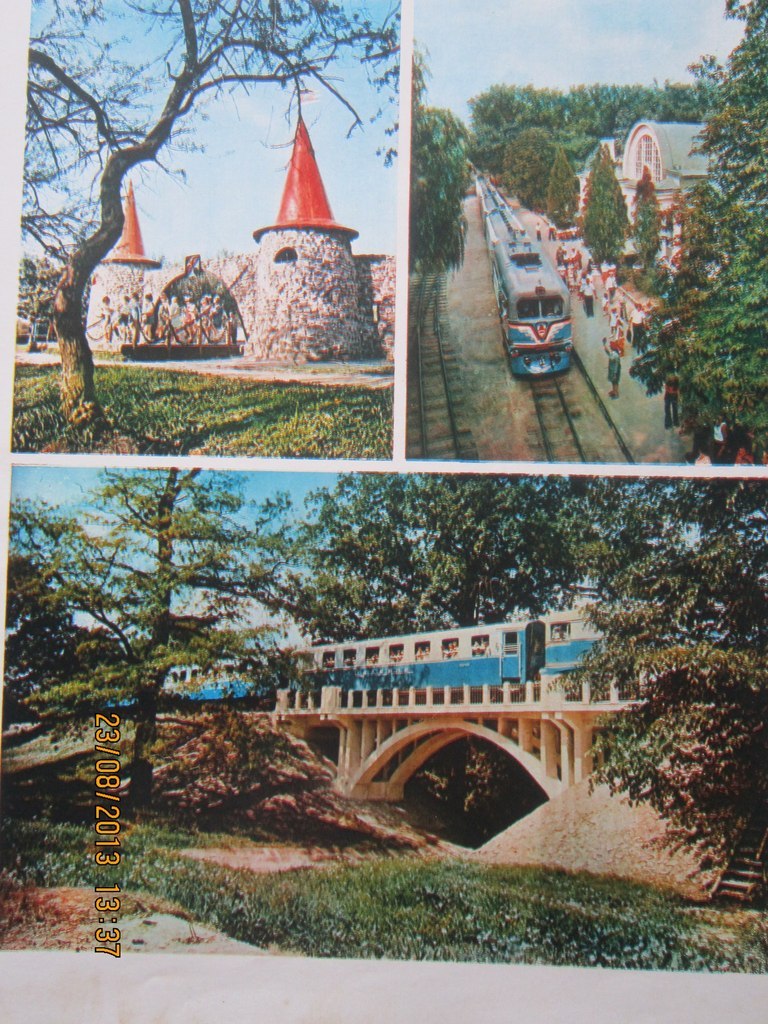 插图来源于1981年出版的书籍《哈尔科夫地区》。
![[club55611948|我们失去的哈尔科夫:达尔文街的起源与那两座兄弟宅邸中的一座]。](/storage/images/mixx/2013-11/ee0e31f40f90c65f.jpg) [club55611948|我们失去的哈尔科夫:达尔文街的起源与那两座兄弟宅邸中的一座]。
[club55611948|我们失去的哈尔科夫:达尔文街的起源与那两座兄弟宅邸中的一座]。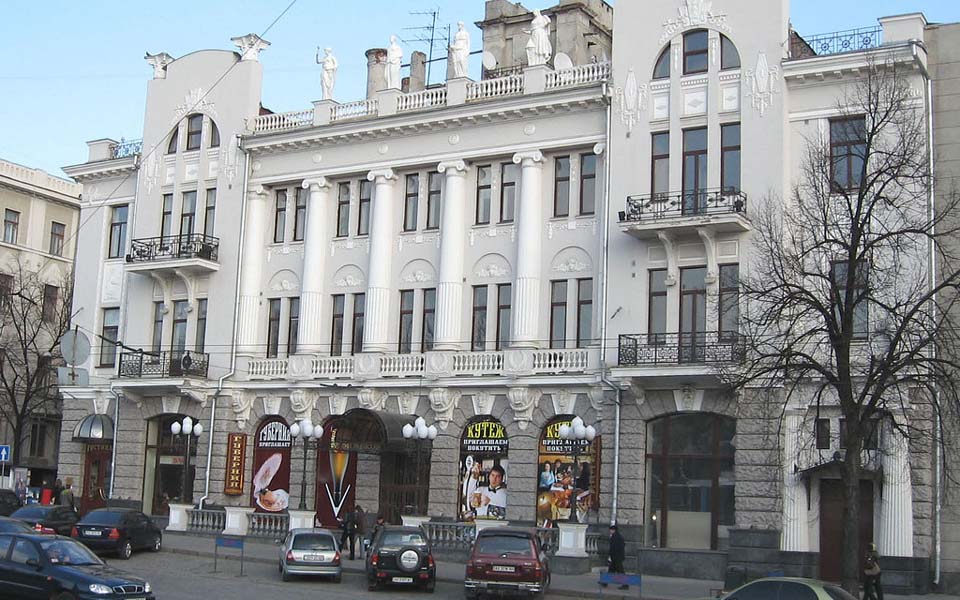 阿拉丁的旧收入房。
![[club1543502|“红色缝纫工”之家。]](/storage/images/mixx/2013-11/991946050ce42109.jpg) [club1543502|“红色缝纫工”之家。]
[club1543502|“红色缝纫工”之家。]![[club1543502|路易斯·斯沃博达大街].](/storage/images/mixx/2013-11/f94298965045d62d.jpg) [club1543502|路易斯·斯沃博达大街].
[club1543502|路易斯·斯沃博达大街].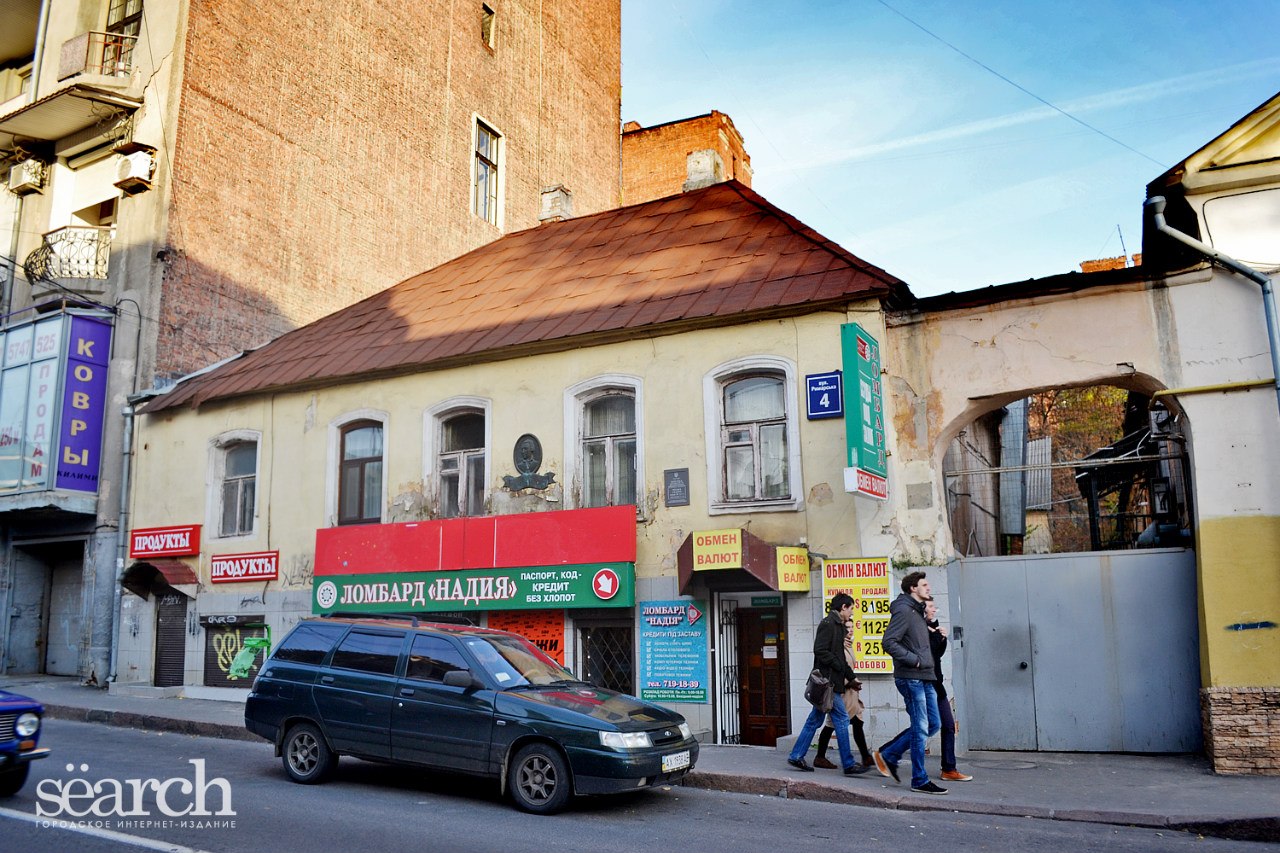 [club1543502|哈尔科夫最古老的房屋之一。
![[club1543502|苏兹达尔ский客舍]。](/storage/images/mixx/2013-11/2c9f72a870f8a7fd.jpg) [club1543502|苏兹达尔ский客舍]。
[club1543502|苏兹达尔ский客舍]。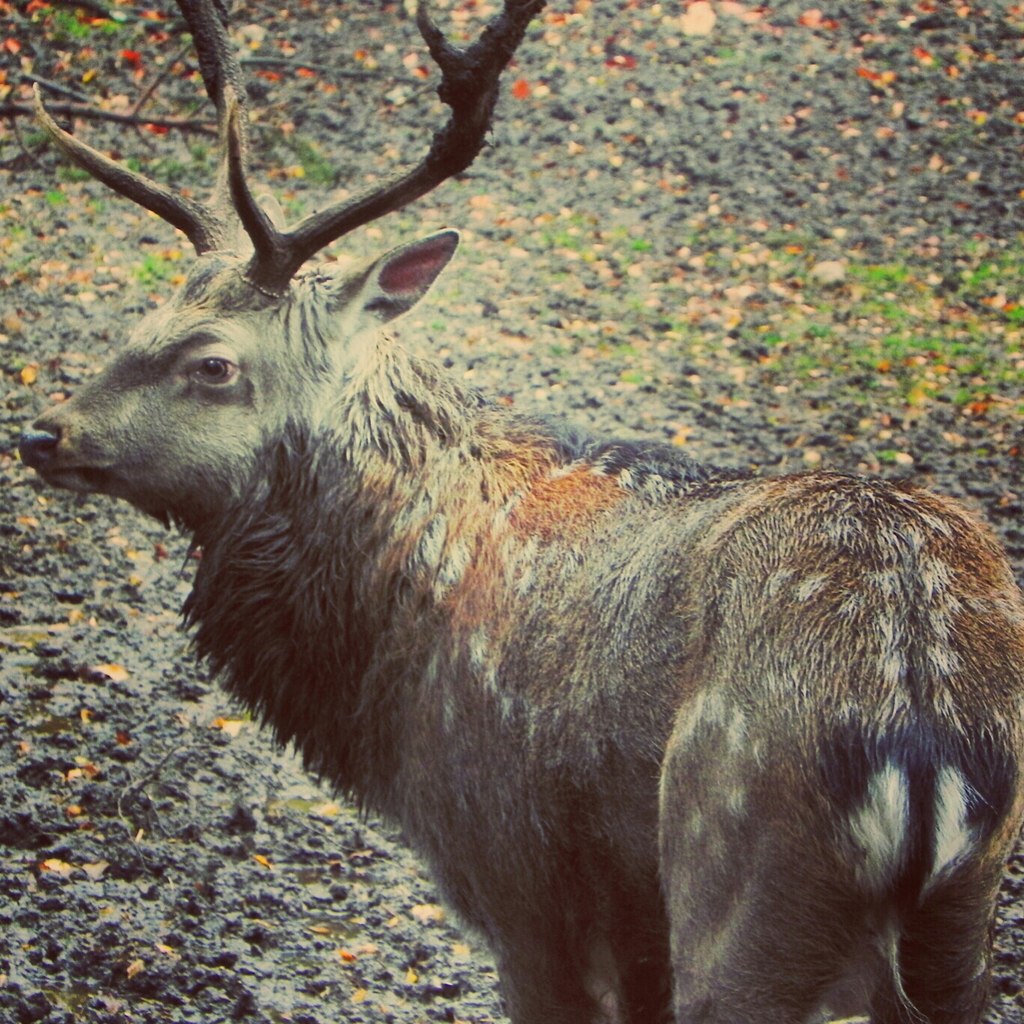 德国吕尼堡市的野生动植物保护区。
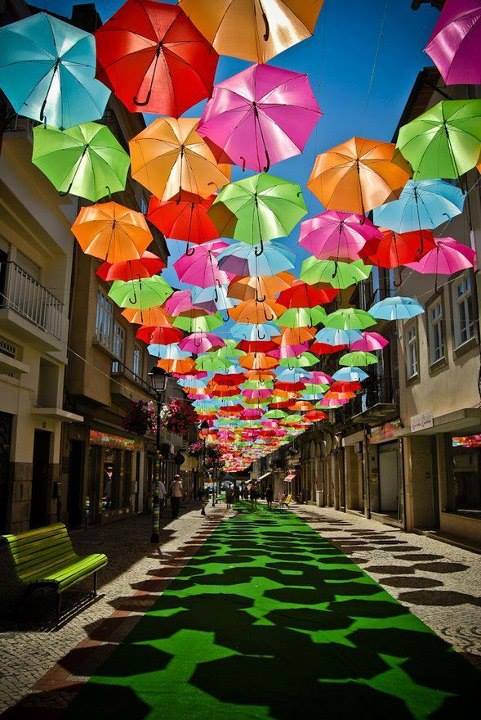 葡萄牙阿热达街头的彩色遮阳伞。