The solar revolution in Pakistan: how tourists observe changes in energy supply
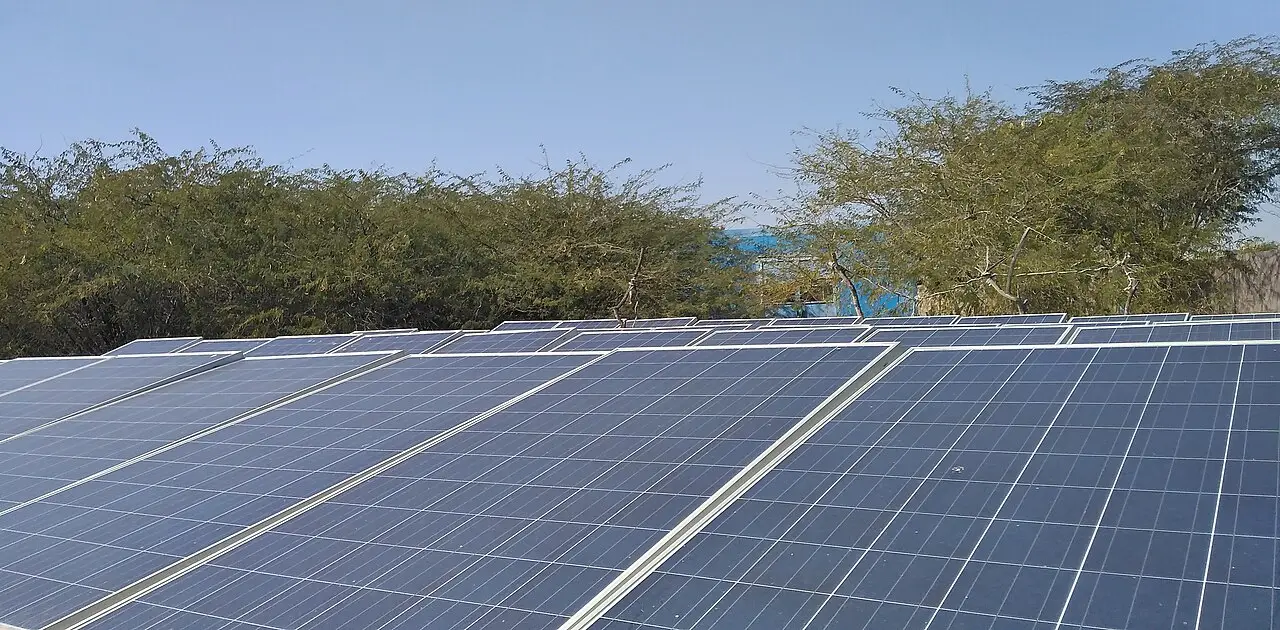
Pakistan stands on the brink of an energy revolution that brings unexpected benefits to tourists. The widespread adoption of home solar panels has dramatically increased the share of renewable energy in the national grid — from a mere 1% just a few years ago to an impressive 28% by 2026. This is more than just statistics: the changes are visibly evident along travelers’ routes, from lighting in small towns to stable power supply in hotels and guesthouses visited by foreigners.
For a country with a history of electricity shortages, this means even rural areas are beginning to enjoy more reliable power supply. Tourists planning treks in the Karakoram Mountains or trips to Gilgit-Baltistan province can expect better functioning water supply systems, cooling in hotels, and device charging — things that were once luxuries in remote areas.
How Private Initiatives Changed the Country’s Energy Landscape

The driving force behind this transformation have been citizens installing their own solar panels on rooftops of homes and commercial buildings. Pakistan’s government has adopted policies to encourage people to invest in solar systems: taxes on equipment have been reduced, permits have been simplified, and incentives have been provided for investors. The results have exceeded even the most optimistic forecasts.
Pakistan receives an enormous amount of sunlight — up to 300 sunny days per year in some regions. This makes the country ideal for solar energy. However, this advantage was not utilized in the past. Now that thousands of homes and businesses generate their own electricity, the load on the national grid has significantly decreased, with excess power fed back into the grid.
Interestingly, the system emerged from the grassroots — it wasn’t the government encouraging citizens to invest, but people, tired of frequent power outages, began seeking solutions on their own. Small shops, workshops, and residential homes — everywhere black panels appeared on rooftops. Now this has become almost normal in cities like Karachi, Lahore, and Islamabad.
Why the national grid can’t keep up with renewable energy

Paradoxically, the significant success of solar energy has created new challenges for Pakistan’s energy infrastructure. The national grid, designed and built decades ago, is not equipped to handle such a large volume of electricity from decentralized sources. As a result, supply has begun to exceed demand.
When multiple solar systems generate energy simultaneously (especially at noon when the sun is at its highest point), the grid experiences power surges that it cannot properly redistribute. This requires upgrading transformers, transmission lines, and electricity management systems—projects costing billions of dollars.
State-owned energy companies now must either purchase excess electricity from solar panel owners (reducing their profits) or invest in energy storage batteries and smart grid systems that can balance demand. It’s a sort of “good problem,” but it remains a problem nonetheless.
What Has Changed for Tourists in Pakistan’s Routes
Tourists are already noticing positive changes. Over the past two years, the quality of life in provincial cities and tourist destinations has improved. This applies to large centers like Peshawar or Multan as well as smaller tourist hubs such as Gulmarg, the Miran Pass, and towns in the Indus Valley.
Guesthouses can now afford more reliable air conditioning in summer and heating in winter. Small towns have been able to install street lighting powered by solar panels, making nighttime walks safer. Hotel Wi-Fi operates more steadily thanks to backup solar power sources.
For tourists planning multi-day treks or expeditions in high-altitude areas, the condition of portal settlements with basic services has improved. Where, just a few years ago, tourists had to bring their own battery packs to charge cameras and phones, small hostels now have solar panels to provide power.
Expansion Plans and Challenges for 2027-2028

The Pakistani government is not stopping at what it has achieved. According to the renewable energy development plan, solar energy’s share is set to reach 40% by 2028. Meanwhile, investments are being made in wind energy and hydroelectric power plants, especially in the northern provinces.
Upcoming projects include the construction of large solar farms in the desert areas of Sindh and Punjab. This will mean that visiting tourists will see a new, greener Pakistan, although agricultural and desert landscapes will still remain the country’s main visual features.
There are also plans to expand public transportation networks powered by solar energy—electric buses and battery-powered taxis are already appearing in major cities. This will simplify travel for tourists and reduce air pollution, which is particularly critical during winter months when smog occurs in Lahore and Islamabad.
Practical Tips for Travelers Amid Energy Changes

If you’re planning a trip to Pakistan in 2026–2027, the energy revolution brings several advantages. First, electricity supply in hotels and guesthouses has become more stable with fewer scheduled outages. However, during the hot season (May–June), brief power interruptions may still occur, so carry a portable power bank.
Secondly, if you rent a motorcycle or car, make sure the electricity supply at gas stations is working: electric vehicles are gradually becoming more popular, and charging stations are appearing along major roads. This opens up new opportunities for eco-friendly tourism.
Thirdly, cellular service and mobile internet have become more accessible in remote areas thanks to reliable power for base stations. This facilitates communication and navigation during trips.
Finally, check in advance with hotels to see if they have backup solar systems—this is crucial for keeping refrigerators functioning during multi-day treks, as they store food and medicine.