Climate Summit in Turkey: How Changes Will Affect Tourism in Africa
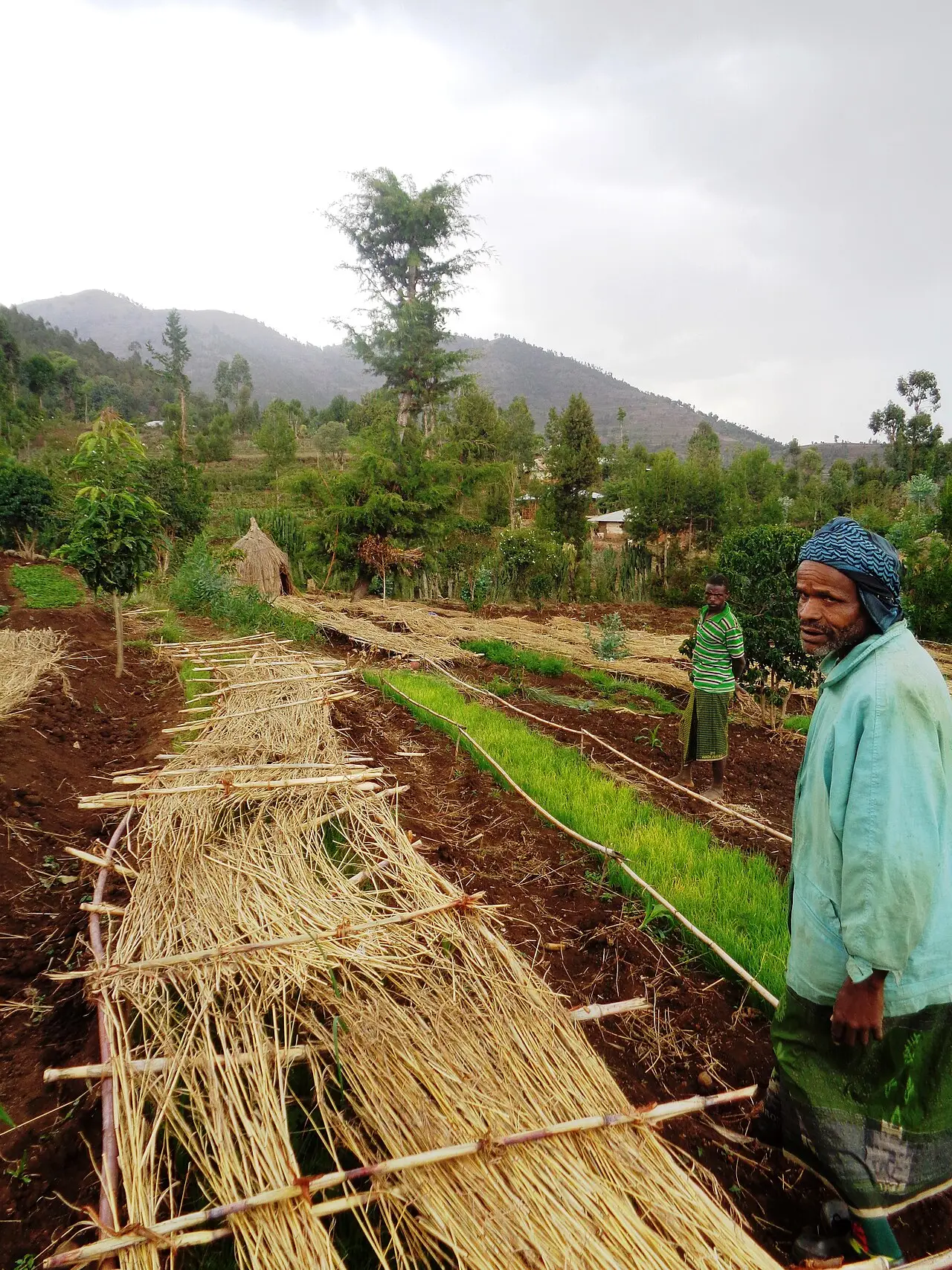
The climate crisis is becoming one of the most pressing issues for tourists planning trips to Africa. At a UN conference held in Turkey, African delegations are insisting on increased financial support from developed countries to help adapt to climate change. This is not just an environmental issue — it involves preserving the tourist appeal of an entire continent, protecting natural landmarks, and ensuring travelers’ safety amid growing extreme weather events.
The European countries' stance has been firm: they insist that African partners fully utilize existing funding commitments before requesting new resources. However, African nations point out that current funding is insufficient to address the severe issue of climate disasters, which are already affecting tourist destinations, wildlife, and hospitality infrastructure.
Why climate funding is critical for African tourism

For travelers planning trips to Africa, climate change is not an abstract threat. Extreme weather events, droughts, and floods directly affect the accessibility of tourist routes, the condition of national parks, and the stability of hotel infrastructure. Egypt, Kenya, Tanzania, Botswana, and other popular tourist destinations are already facing severe climate challenges.
Funding for climate adaptation will enable African countries to build a more resilient tourism system: strengthening flood protection, ensuring water supply for hotels during droughts, and safeguarding the ecosystems of national parks that host lions, elephants, giraffes, and other iconic species of the continent. Without sufficient funding, the risk of tour cancellations, safari park closures, and environmental degradation increases significantly.
Gap Between Promises and Actual Funding
Developed European countries at the summit in Turkey argue that they have already allocated significant funds for climate adaptation. However, African delegates point out a huge gap between the announced amounts and the actual funding received. According to the figures discussed at the conference, the actual levels of assistance fall far short of the initial commitments made several years ago.
For tourists, this means that investments in tourism infrastructure in African countries may remain insufficient, affecting service quality, road safety, and the ability to offer high-quality tourism programs. Delays in funding have already caused delays in projects aimed at flood protection in areas near popular tourist destinations.
How Climate Change Is Changing Tourist Routes


The climate crisis is already forcing tourists to reconsider their itineraries in Africa. Droughts in East Africa affect the possibility of observing wildlife during safaris — animals migrate in search of water, and viewing seasons shift and become less predictable. Floods in the Nile Delta regions pose obstacles to cruise tours, which are traditionally considered one of Egypt’s main attractions.
Coral reefs off the coast of East Africa, which attract divers from around the world, are also suffering from rising water temperatures and ocean acidification. Without adequate funding for adaptation measures, these ecosystems could be lost to future generations of tourists. Countries that receive sufficient funding will be able to implement projects for nature conservation, coral reef restoration, and the creation of sustainable tourist areas.
European Countries' Stance and Possible Compromises

European countries are taking a cautious approach at the summit in Turkey, emphasizing their own economic challenges and the need to use existing funds efficiently. However, growing pressure from African delegations may lead to a review of financial commitments. A possible compromise could involve allocating some of the new funds to monitoring the use of already allocated financing, while using another portion for new adaptation projects.
For tourists, this means it is important to stay informed about developments at the summit and the related decisions. If funding is increased and used effectively, the tourism infrastructure in African countries will develop more rapidly. If funding remains at the same level, travelers should be prepared for possible disruptions in services, changes in tour seasons, and rising prices for services due to increasing climate risks.
Practical advice for travelers
Travelers planning trips to Africa in the coming years should consider the following points arising from discussions at the climate summit. First, climate change may affect the accessibility of certain routes and the seasonality of tours — it is recommended to check up-to-date information before booking. Second, tourists concerned about the climate crisis may prefer tour operators and hotels that actively invest in climate adaptation and sustainable tourism.
Thirdly, tourists should be aware that their choice of destination and service provider indirectly affects funding for climate projects — money from tourism can be used to protect natural sites and infrastructure. Finally, it is wise to plan trips with extra time and flexibility in the itinerary to adapt to possible changes in weather conditions and the operating hours of tourist attractions amid climate change.