Museum of Ethnography and Life, Tlumach
For many years of existence of the city of Tlumach (Ivano-Frankivsk region), people in different time lived in it, managed to survive many events, beginning with the most ancient times. And it is the museum of ethnography that can show transitions from one era to another, demonstrate the achievements that have been achieved at each stage of development.
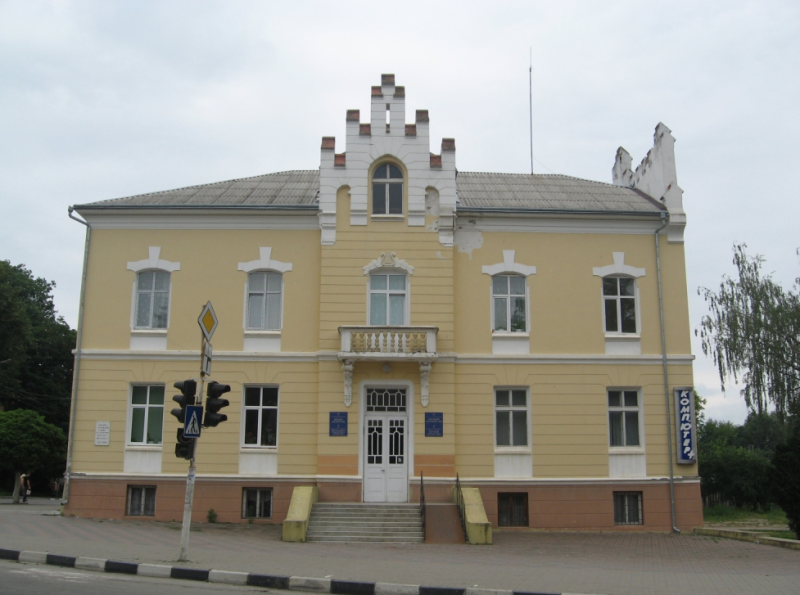
The people's home - so in pre-revolutionary Russia called a club institution, which usually housed a library, a lecture hall, a Sunday school, a tea room, etc. About such a cultural and educational purpose is devoted to such a house in Tlumache. It is here, in two rooms, the museum of ethnography and everyday life is located, it was opened in 1981. His authentic things and objectsnarrate about the richest history of this land. Also here are national clothes, embroideries, canvases of local artists, machines that were once used for industrial purposes.
Tlumach really has a rich history. This district center, which until 1940 was called Tovmach - one of the most ancient settlements in the Carpathian Pokutje. It is first mentioned in the annals of 1213. However, it is supposed that the town is even more ancient, as in the 30s of the last century on the outskirts archaeologists discovered burials of the Bronze Age.
According to legend, on this land, since the reign of the prince of Galicia, Yaroslav Osmomysl, there lived tovmachi (translators) who carried customs services, accompanied him and negotiated with foreign merchants, Galician dukes, who made their way here on the Dniester, about trade transactions.
>In 1448, the city received the Magdeburg Law, and in 1511 - the privilege to hold annual and weekly fairs. At that time there was a magnificent castle here. But it did not survive. The existence of the castle is reminiscent of the cannonballs that locals have been finding for a long time.
From the middle of the 16th century, Tlumach became a city of craftsmen, a major center of all kinds of crafts. Here, blacksmiths, carpenters, painters, barbers open their work.
In 1810, the city fell into the ownership of the Poles of the noble family of Dzedushitsky, who owned it until the 50s of the 19th century. In 1838 a sugar factory was built here, which was one of the largest in Europe.
This is just the most important milestonesin the history of Tlumach. The exhibits of the museum of ethnography and everyday life reflect them.
Tlumach is a small town with almost no architectural monuments. The former, old Tolmach old-timers resemble the old building of the museum, as well as the premise of the city council and several buildings in the center of the city.
Find the Best Professionals for Your Project
Expert repair, construction, and renovation specialists ready to help you right now
Recommended articles
More articles:
 Museum Literary Nemirovschina
 The Jesuit church, Vinnitsa
 Ai-Petri
 Museum of Pushkin, Gurzuf
 Nikolaev church-tomb of Pirogov
 Local History Museum, Vinnitsa
 The Bulganak field Bulganak field title=Bulganak field ></font></span></div></p></p><p class = pimg><img src=/images/pages/2014_09/bd5ab951e4b5692580ab1cce8dccd024.jpg alt=Bulganak Field title=Bulganak Field></p>
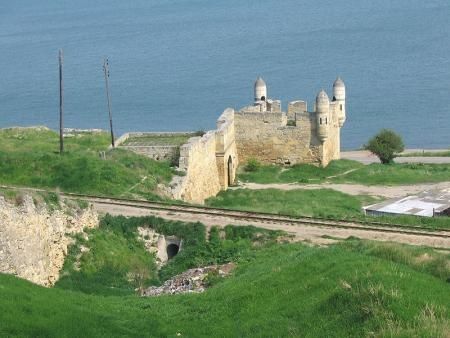 Fortress of Yeni-Kale title=Yeni-Kale Fortress title=Yeni-Kale fortress title=Yeni-Kale fortress title=Yeni-Kale fortress <font color = ></p>