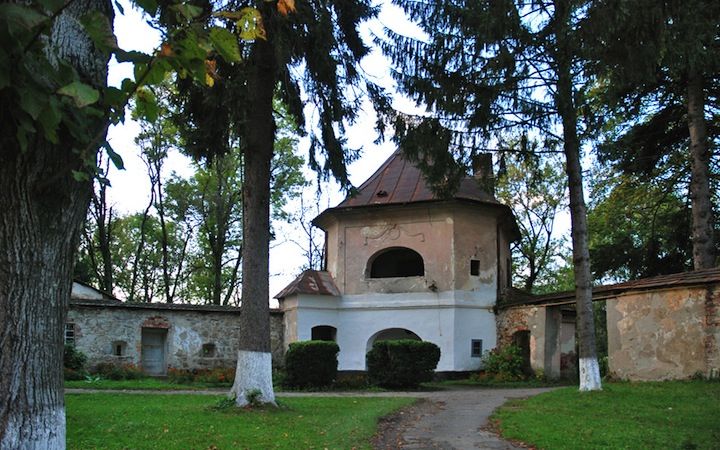
It is likely that the castle was initially built of wood and stone.
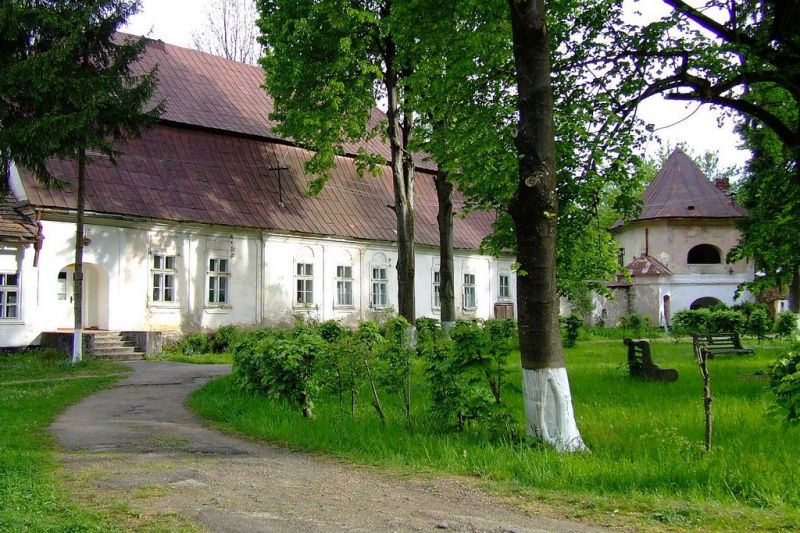
In the 15th century, a stone castle was constructed on the same site, but it did not last long. It was not until the early 18th century that Count L. Teleki restored the castle. The Hungarian king granted him these lands in recognition of his efforts in fighting against rebels. The count used the castle as a summer residence, featuring a single-story building surrounded by defensive walls. The interior included a beautiful park. For many years, Dovžansky Castle served as both a summer residence and a hunting lodge, attracting European nobility for hunting trips.
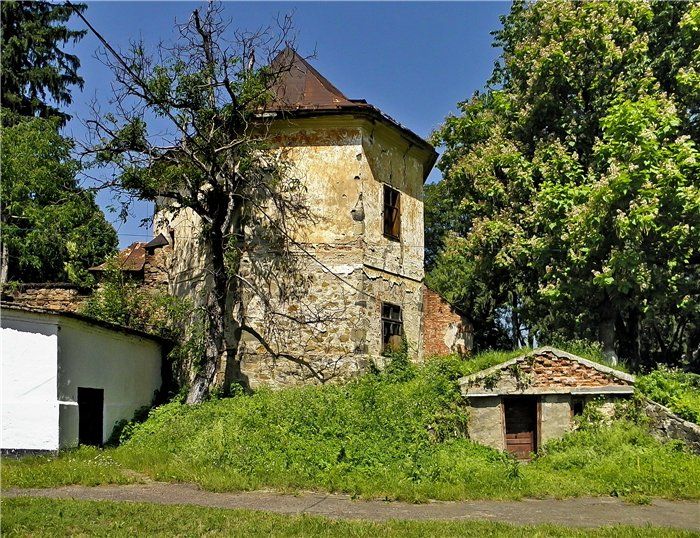
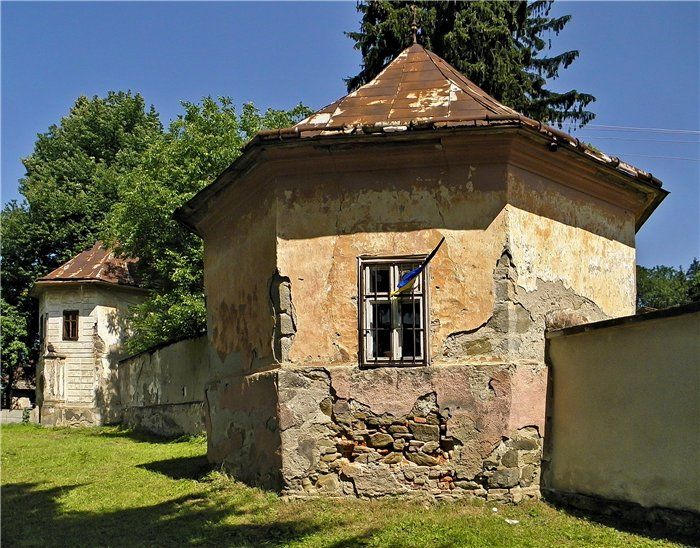
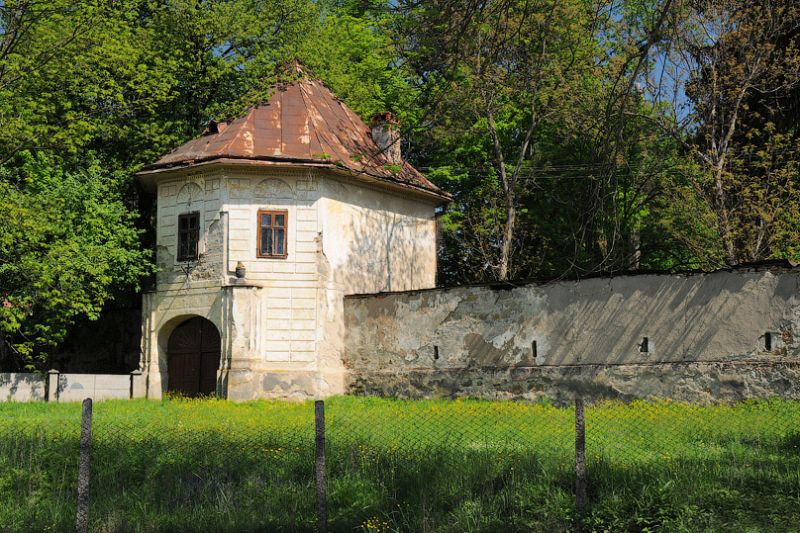
Since 1954, the site has been used as a sanatorium, and it continues to serve this purpose today. The castle itself has been well preserved, with its main structures—walls, towers, living areas—remaining intact, though all require restoration work.
![]() It is likely that the castle was originally constructed using wood and stone materials.
In the 15th century, a stone castle was built on the same site, but it did not last long. It was not until the early 19th century that Count L. Teleki restored the castle. The Hungarian king granted him these lands in recognition of his efforts in fighting against rebels. The count used the castle as a summer residence, featuring a single-story building surrounded by defensive walls. The interior included a beautiful park. For many years, Dovžansky Castle served as both a summer residence and a hunting lodge, attracting European nobility for hunting trips.
Since 1954, the site has been used as a sanatorium, and it continues to serve this purpose today. The castle itself has been well preserved, with its main structures—walls, towers, living areas—remaining intact, though all require restoration work.
![]() It is likely that the castle was originally built from wood and stone.
In the 15th century, a stone castle was constructed on the same site, but it did not last long. It was not until the early 19th century that Count L. Teleki restored
It is likely that the castle was originally built using wood and stone materials.
In the 15th century, a stone castle was constructed on the same site, but it did not last long. It was not until the early 19th century that Count L. Teleki restored the castle. The Hungarian king granted him these lands in recognition of his efforts in fighting against rebels. The count used the castle as a summer residence, featuring a single-story building surrounded by defensive walls. The interior included a beautiful park. For many years, Dovžansky Castle served as both a summer residence and a hunting lodge, attracting European nobility for hunting trips.
Since 1954, the site has been used as a sanatorium, and it continues to serve this purpose today. The castle itself has been well preserved, with its main structures—walls, towers, living areas—remaining intact, though all require restoration work.
![]()