In 1899, in honor of the 100th anniversary of the birth ofAlexander Pushkin, the park began to bear the name of the poet.
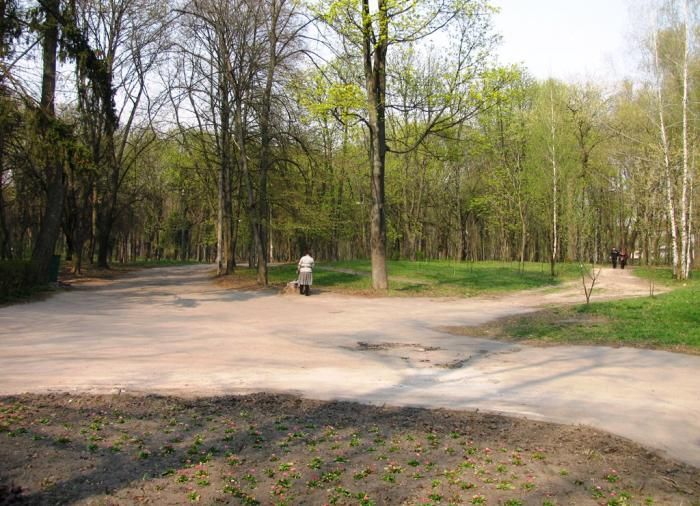
Park them. Pushkin was designed according to the design of the then famous gardener I. Zhukovsky. A distinctive feature of the park were two wide alleys, designed for walks on horses and on cars. Treeswere plantedin the park bychildren. This was done to educate children in respect for nature. A feature of the park is also the planting of trees. Mostly spruce, larch, linden and oak were planted. But the trees were planted by separate biogroups.
The Pushkin Park has always been very convenient for visitors. Along the avenues there are many shops. And from the middle of the 60s, an open-air cinema, a dance floor and several cafes began to operate on the territory of the park. All sorts of attractions were installed in time. Until today, most places have been destroyed or replaced by other interesting sites.
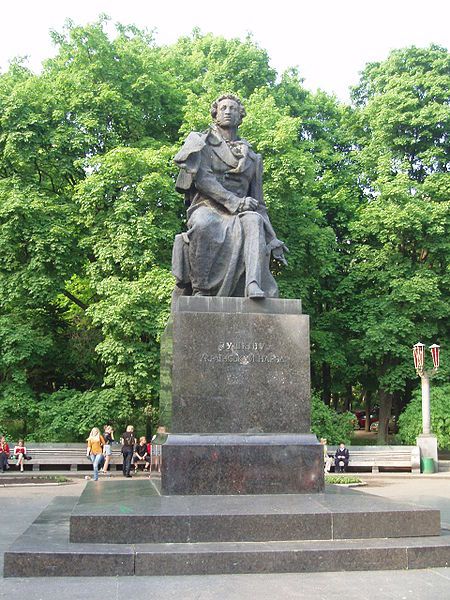
Another interesting fact from the history of this park: here in the mid-70's on the weekend illegally traded recordswith records of foreign celebrities. And in 1962 at the entrance to the park was installed the first in Kiev "sedentary" monument to Alexander Pushkin.
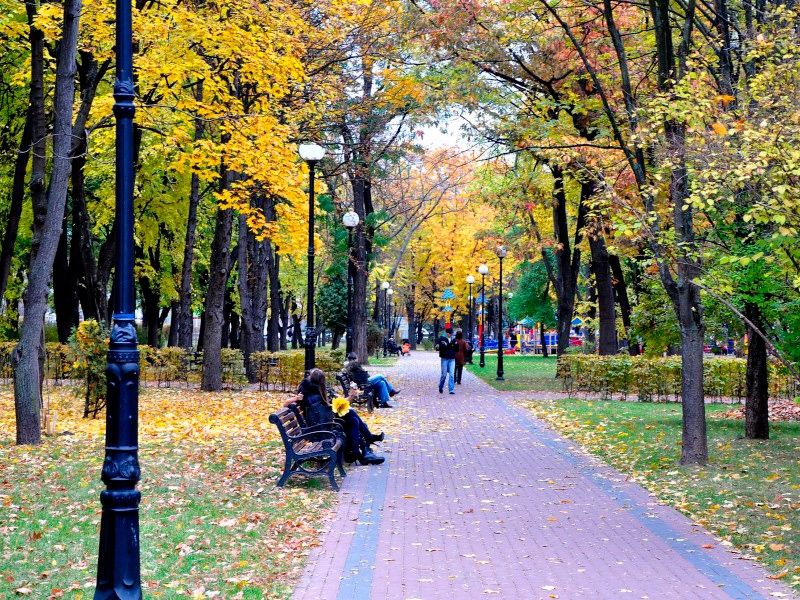
Today the park still attractshuge flows of tourists and residents of the capital. Here you can hide from the summer heat and city noise, enjoy winter fun with snow and just walk, throwing your feet on the golden autumn foliage. It's easy to get to the park. From the metro station "Shulyavskaya" you should walk on foot towards A. Dovzhenko film studio, and in five minutes you will reach the park.