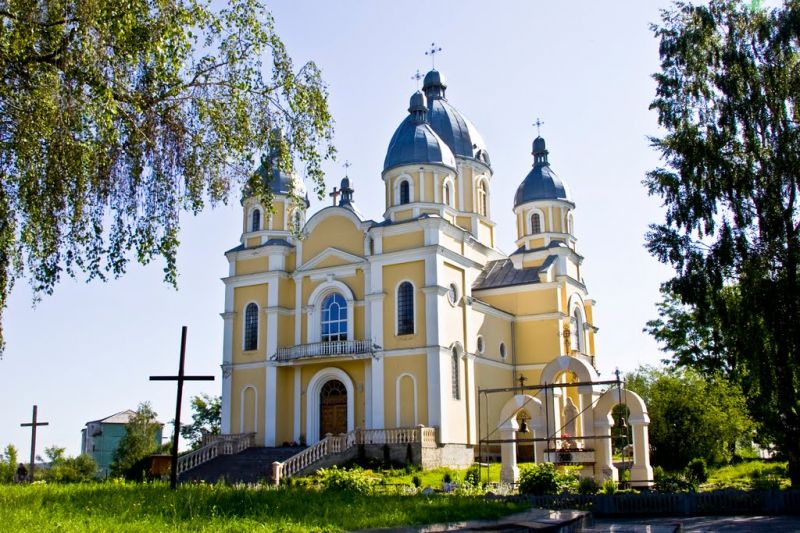
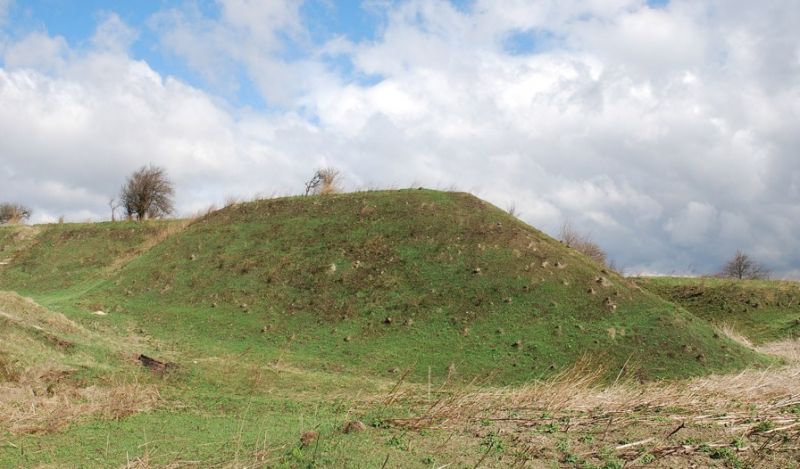
On the north-western outskirts of the Ukrainian capital, between the St. Cyril's Church and Elena Teligi Street is the Babi Yar tract.
The name dates back to the distant Middle Ages: in documentary sources it is mentioned that in 1401 a woman-shinarka ("baba") sold the land to the Dominican monastery. From the 15th and 17th centuries other names also came to pass: Crazy woman, Devil's woman. Babi Yar is notorious as a place of mass shootings during the Second World War and the occupation of Kiev by the fascists. Predominantly the Nazis destroyed Jews: not only men, but women, children. People were stripped naked, led to a pit and shot. Not everyone was dying from bullets - some were buried alive.
Two years of mass executions in the Babi Yar continueduntil the liberation of Kiev from the invaders. Here, the soldiers of the Soviet Army were also killed. Polechlo from the hands of the fascists and more than 600 soldiers and members of the OUN-UPA, among them the well-known Ukrainian poetess Elena Teliga and her husband. According to various estimates, a total of 70,000 to 200,000 people have been killed in Babi Yar.
In the 50s, the ravine was decided to be filled with production waste and make a park. The dam was built in a hole and the pulp was pumped (liquid wastes of cement production). However, on March 13, 1961, a tragedy occurred: the dam could not stand, and the pulp flooded the Kurenivka residential area. According to historians, the number of victims was about one and a half thousand. Kiyani said that the Babi Yar revenget.
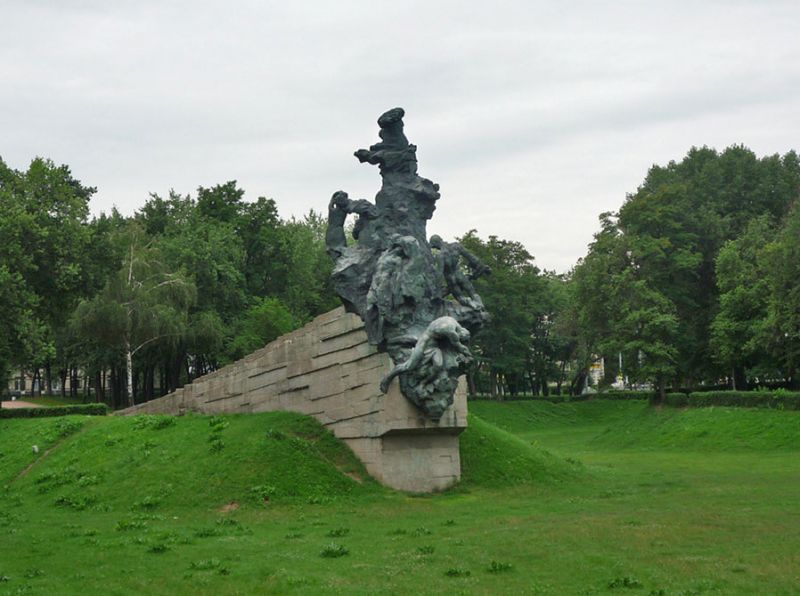
Currently, several monuments have been erected here: shot Jews - in the form of menorahs; members of the OUN perpetuated a wooden cross. Another cross is in the place of execution of the priests. The first was a monument to Soviet soldiers, officers, prisoners of war, civilians and the Nazis who were shot. Now there are monuments to the victims of Nazism with a symbolic depiction of the concentration camp, a monument to the children shot to death. They also perpetuated the victims of the later Kureniv tragedy.