Ascension Monastery (Pereyaslav-Khmelnytsky)
Articles
Let’s get to know Ukraine!

Ascension Monastery (Pereyaslav-Khmelnytsky)

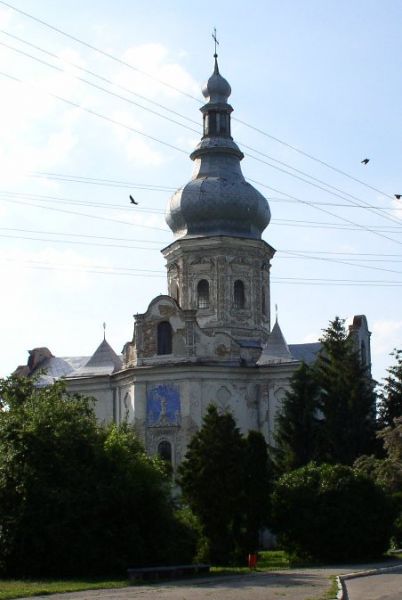
Ascension Monastery in Pereyaslav-Khmelnytsky is a monument of national importance architecture. The construction of the complex began with the creation of the Ascension Cathedral in 1700. The construction of the temple was paid by the Ukrainian hetman Ivan Mazepa.

The Ascension Monastery in Pereyaslav-Khmelnitsky is a monument of architecture of national importance. The construction of the complex began with the creation of the Ascension Cathedral in 1700. The construction of the temple was paid by the hetman of Ukraine Ivan Mazepa. Further, the area around the cathedral began to be actively built up. The first settlements, kitchens, houses for visitors appeared. In 1738 a collegium was opened on the territory of the monastery, but after 10 years the wooden building of the school during the fire was destroyed. The new building of the collegium was decided to be built of bricks, the construction was completed only in 1757. Finally, the ensemble of the monastery was formed in 1782 and ended with the construction of the Varvarinskaya church.

The architecture of the Ascension Monastery was badly damaged during the revolution and World War II, the Varvarinskaya church was destroyed, and other structures were affected.

In addition to objects of spiritual culture, the museum houses the museum of the great Ukrainian philosopher Grigory Skovoroda. The opening took place in 1970. Also, on the 30th anniversary of the victory in the Second World War, a museum-diorama "Battle for the Dnieper" was opened in the building of the Ascension Cathedral.

The Ascension Monastery is located in the historical suburb of Pereyaslav-Khmelnytsky and has access to the central square of the city. Ascension Cathedral and bell towers are the main architectural pearls in the city landscape, they can be seen from everywhere, even from the opposite bank of the Dnieper.
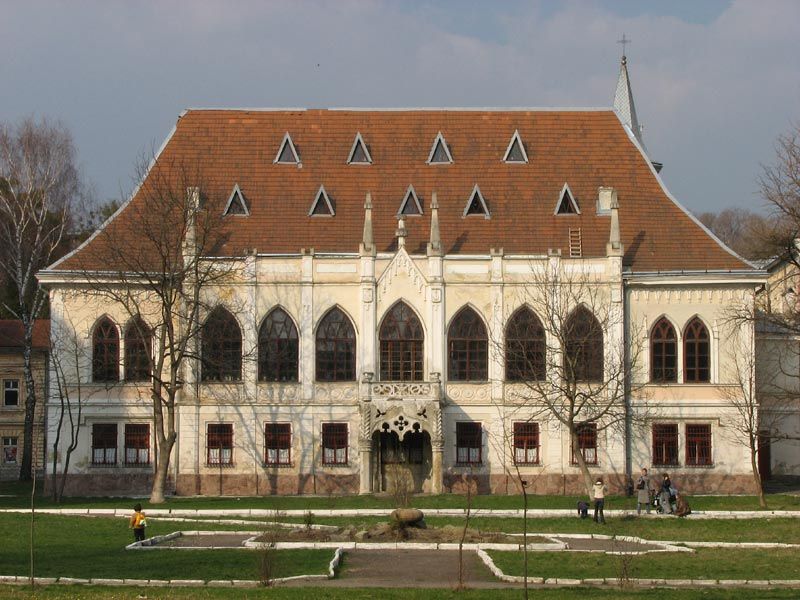
Вознесенский монастырь (Переяслав-Хмельницкий)

The Voznesensky Monastery in Pereyaslav-Hmelnytskyi is a monument of national architectural significance. Construction of the complex began in 1700 with the building of the Voznesensky Cathedral. The construction of the cathedral was funded by the Hetman of Ukraine, Ivan Mazepa. Subsequently, the area surrounding the cathedral began to be actively developed, with the establishment of settlements, kitchens, and accommodations for visitors. In 1738, a collegium was opened on the monastery grounds, but ten years later, the wooden school building was destroyed in a fire. A new brick-built collegium was completed in 1757. The monastery complex was finally finalized in 1782 with the completion of the Varvarina Church. The architecture of the Voznesensky Monastery suffered greatly during the Revolution and World War II; the Varvarina Church was destroyed, and other buildings were also damaged. In addition to religious facilities, the monastery houses a museum dedicated to the great Ukrainian philosopher Hryhoryy Skovoroda, which opened in 1970. To commemorate the 30th anniversary of the victory in World War II, a diorama museum titled “The Battle for the Dnieper” was established within the Voznesensky Cathedral. Located in the historic outskirts of Pereyaslav-Hmelnytskyi, the monastery overlooks the city’s central square. The Voznesensky Cathedral and its bell towers are the foremost architectural highlights of the city, visible from everywhere—even from the opposite bank of the Dnieper River.

\"Voznesensky

Recommended articles

Find the Best Professionals for Your Project

Expert repair, construction, and renovation specialists ready to help you right now