The Holy Ascension Florovsky Monastery
Articles
Let’s get to know Ukraine!

The Holy Ascension Florovsky Monastery

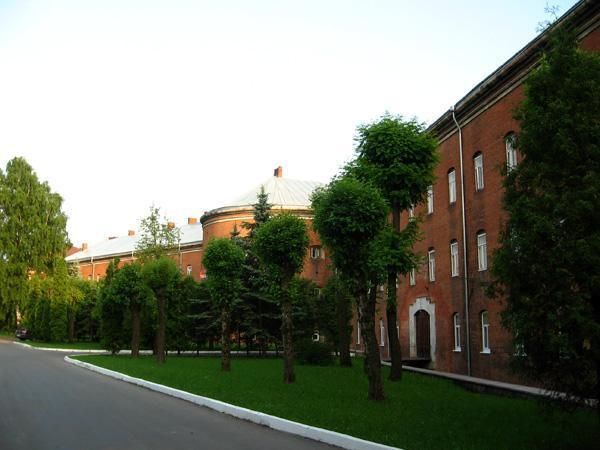
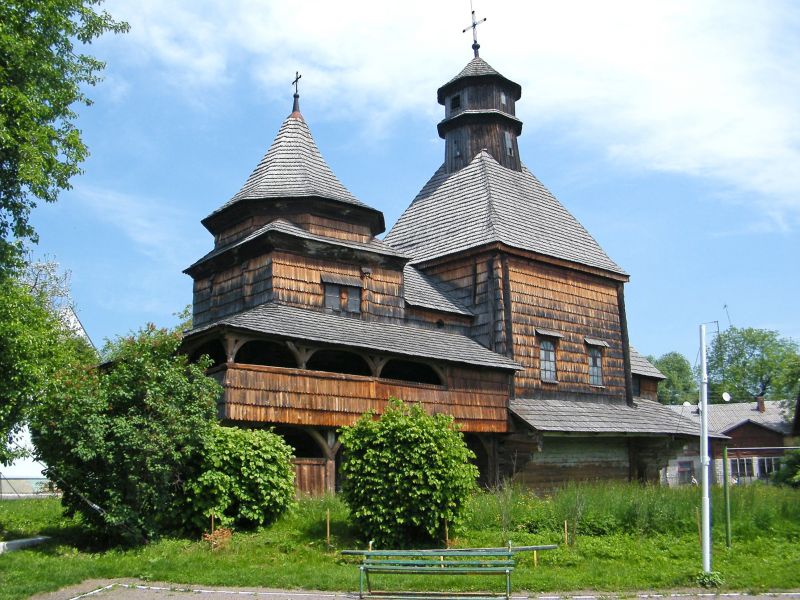
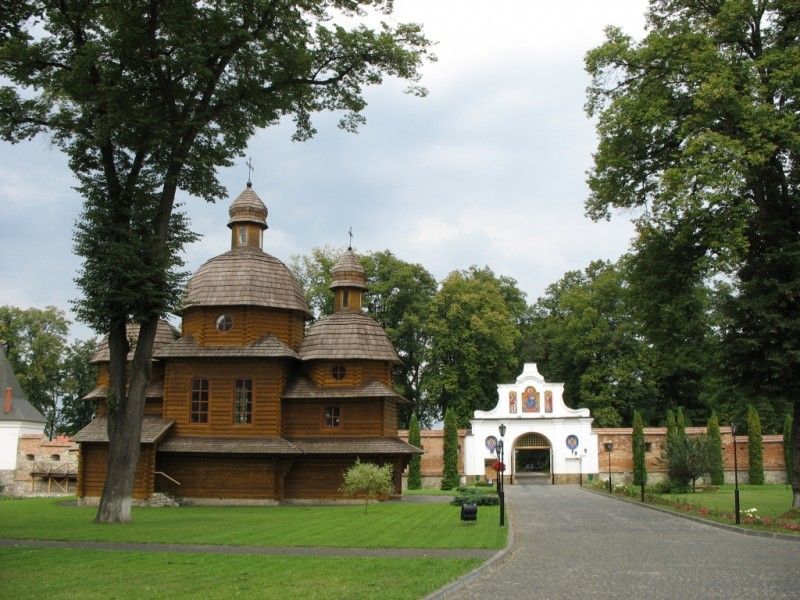
The Holy Ascension Florovsky Women's Monastery, the oldest of the existing monasteries in Kiev, is located at the foot of the Florovsky Mountain, on Podol. The exact date of the foundation of the monastery is unknown, but there is evidence of its existence even before the devastation of Kiev in 1482 by Mengli-Giray. The first documentary mention dates back to 1566 and is found in the literacy written by the Polish King Sigismund II August by the Kiev prince Ostrozhsky.

Repeated urban fires seriously damaged religious buildings, but thanks to the donations of parishioners and state help, they were all restored and even new churches were built. Over time, the monastery has become a significant center of education and culture. On the territory of the monastery was opened a school for girls from poor families, an almshouse and a hospital.

In the 17-18 centuries in the monastery , women who belonged to noble families were tonsured into nuns. Among them was Schemonahina Nektariya (Princess Dolgorukaya), Abbess Kallisfenia (Princess Miloslavskaya), Augusta (Countess Apraksina) and others.

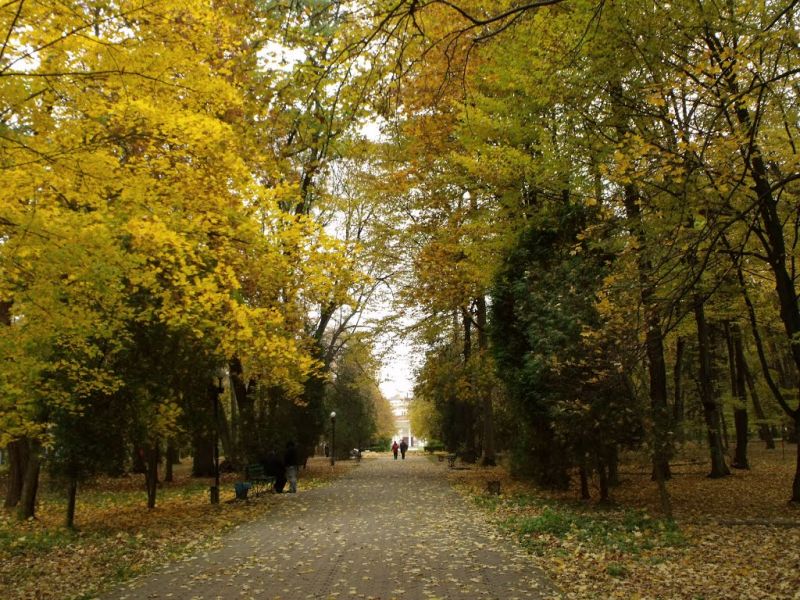
On the territory of the monastery, next to the ancient temples, a magnificent garden with fruit trees, magnolia, rose garden isbroken. All together creates a picturesque picture, similar to a biblical garden. In the monastery do not go to "summer time". Nuns wear an old monastic form. Prosforas, Easter cakes and monastic meals are traditionally cooked on firewood.

In the monastery is read Neusypaia Psalter. This is a special type of prayer, its reading takes place round the clock, without interruption. Prayer for the living and the dead when reading the Lethargy Psalter has unprecedented power.
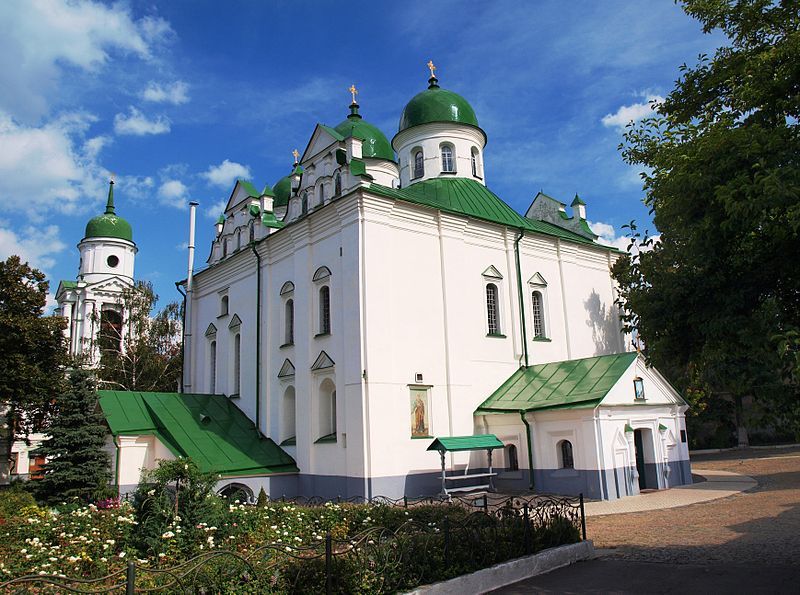
Свято-Вознесенский Флоровский монастырь

Saint Voznesensky Florovsky Monastery

Repeated urban fires caused severe damage to the religious buildings, but thanks to donations from believers and support from the government, all of them were restored, and new churches were even constructed. Over time, the monastery became an important center for education and culture. Within its grounds, schools were established for girls from poor families, as well as orphanages and hospitals.

During the 17th and 18th centuries, women from noble families took monastic vows at this monastery. Among them were the ascetic nun Nectaria (Princess Dolgorukaya), abbesses Calissphenia (Princess Miloslavskaya), Augusta (Countess Apraksina), and others.

On the monastery grounds, next to the ancient churches, there is a wonderful garden with fruit trees, magnolias, and a rose garden. Together, they create a picturesque scene reminiscent of the biblical Garden of Eden. The monastery does not observe the “summer time” adjustment; the nuns wear traditional monastic attire. Meals, including prosphoras, Paschal bread, and monastic meals, are traditionally prepared over wood fire.

Here, the Never-Falling Asleep Psalter is read continuously throughout the day and night without interruption. Praying for the living and the dead while reciting this psalm holds immense spiritual power.

\"Saint

Recommended articles

Find the Best Professionals for Your Project

Expert repair, construction, and renovation specialists ready to help you right now