Space October 2013 (review of the events of the month)
October was quite an emotional month for cosmonautics. What cost only the shutdown of the online broadcast from the ISS and even the blocking of the work of the official site of NASA. Nevertheless, everything worked out and it's just perfect.
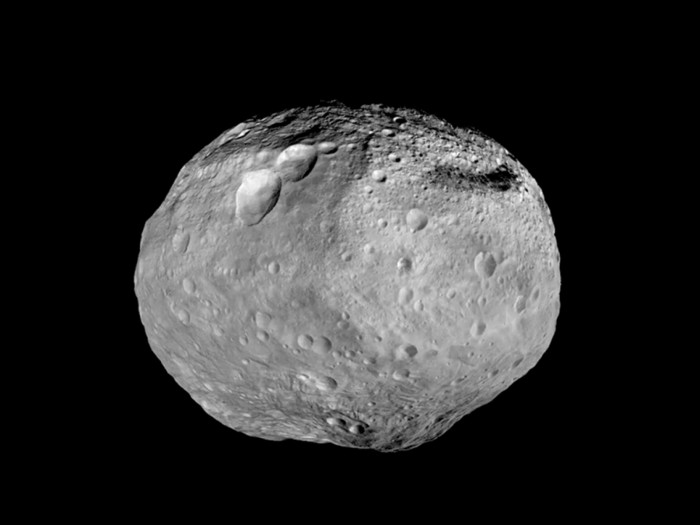
Let's begin our monthly review with a full view of the asteroid Vesta. On the left, there is a series of craters called Snowman & raquo; and the mountain at the South Pole is twice as high as Everest.
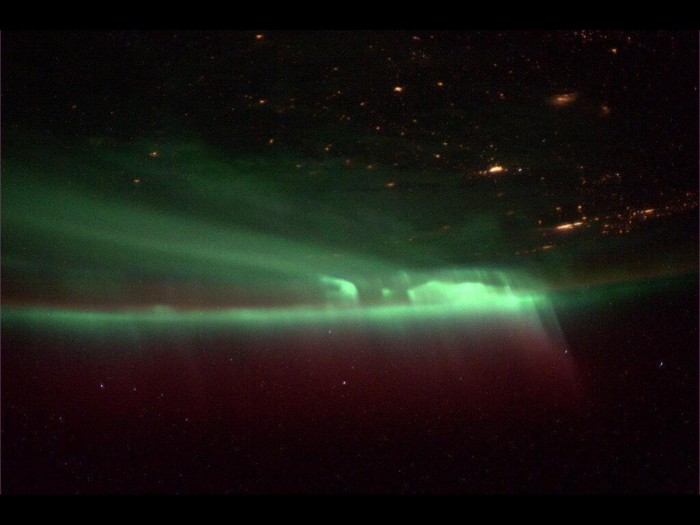
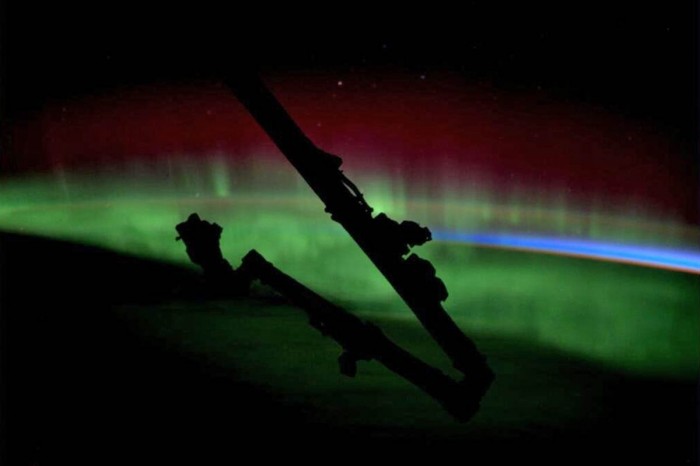
Photos of the aurora with the ISS, October 9.
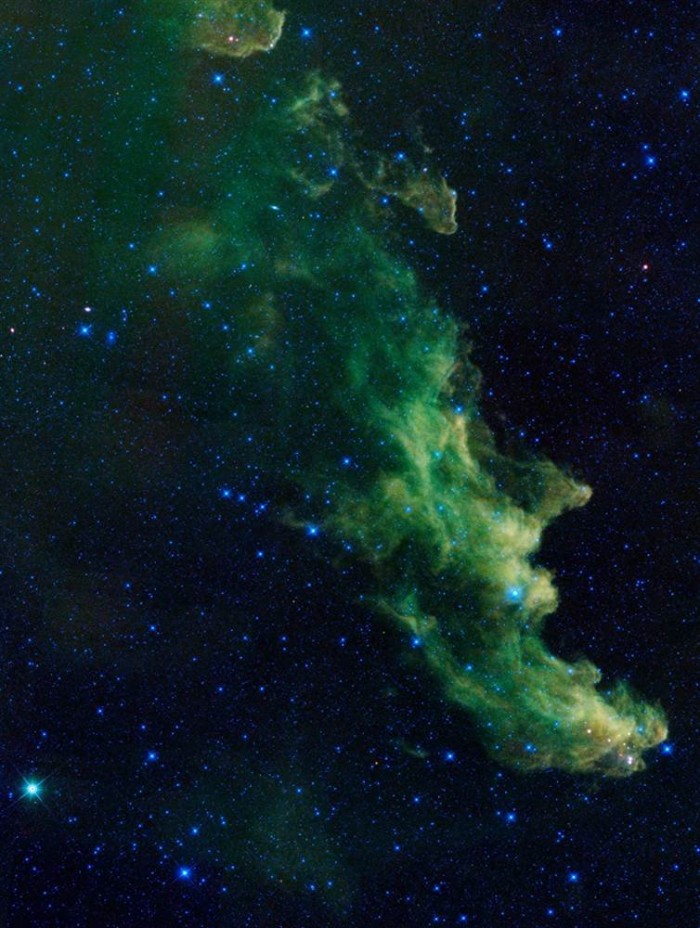
A snapshot of the Witch Head Nebula in the constellation Eridani. Look closely, the witch looks to the right and, it seems, tells us something.
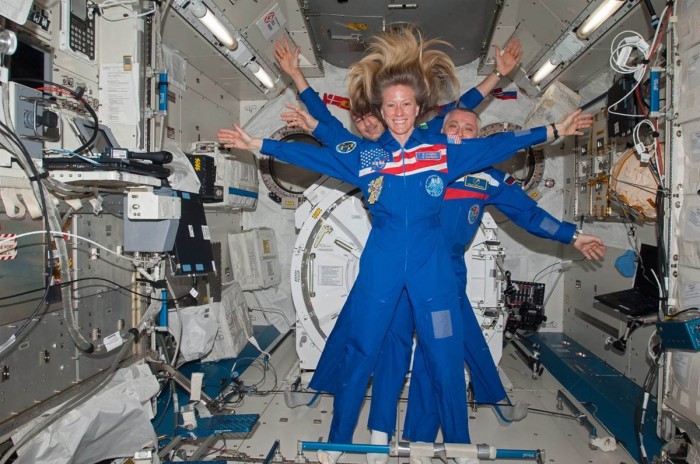
The three-headed astronaut is represented by the participants of the 37th expedition to the ISS, October 14.
Canadian robot Canadarm2 against a background of polar lights in the southern part of the Earth, October 30.
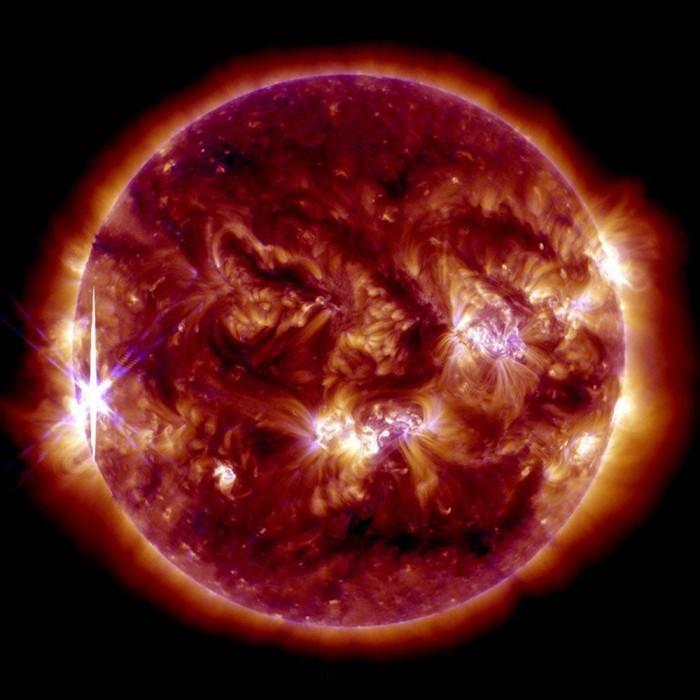
Solar flare on the Sun (on the left), October 25.
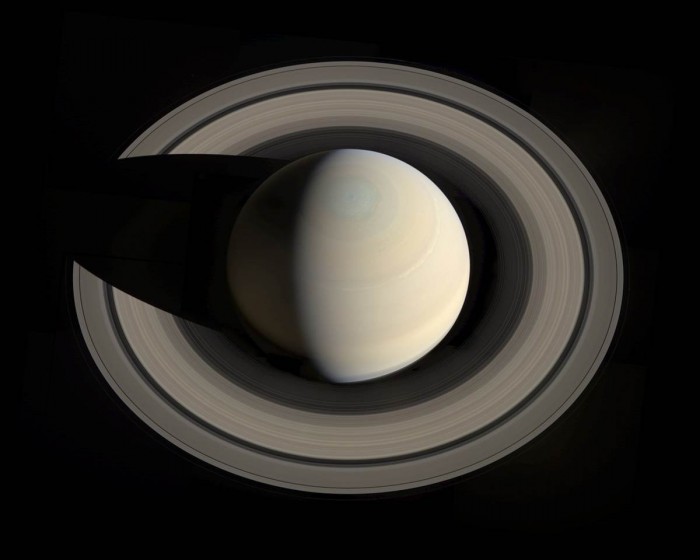
A new look at Saturn was created by the Croatian Gordan Ugarkovic, based on NASA images.
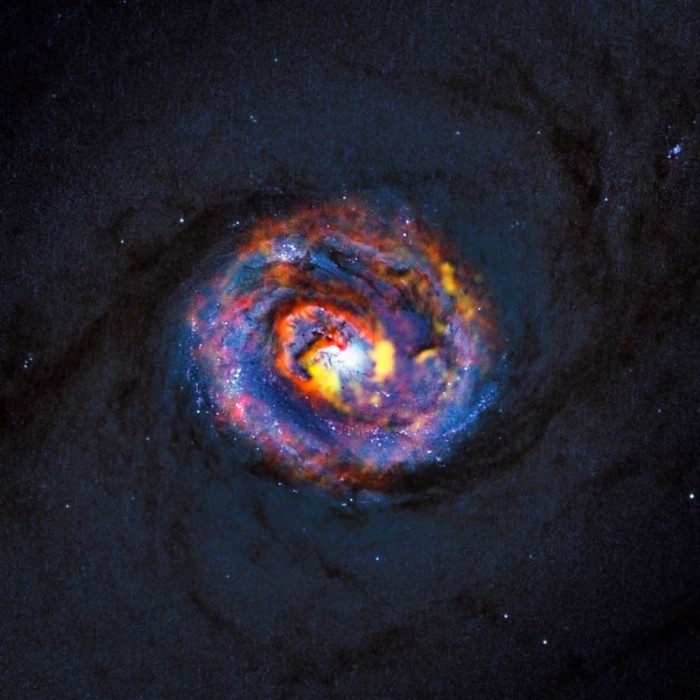
The details of the center of the active galaxy NGC 1433, October 16.
NASA engineers in Hampton are studying wing aerodynamics with fluorescent inks. Thus, the movement of the air flow in flight is more clearly seen, on October 14.
Six astronauts conducted survival experiments in extreme conditions, caves of the island of Sardinia, Italy for six days.
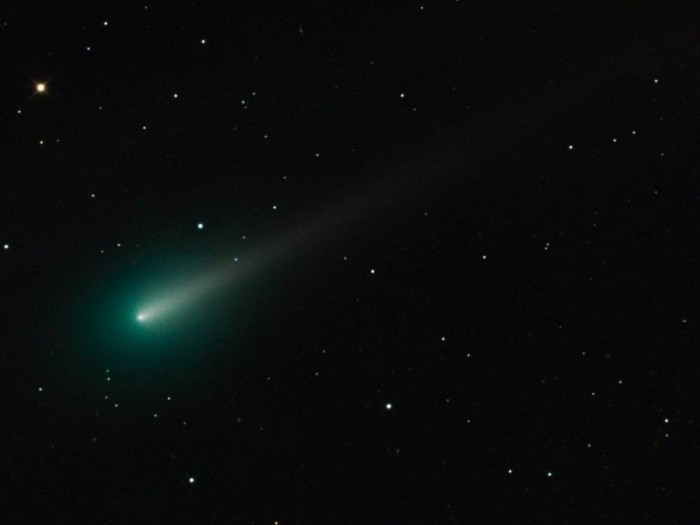
Adam Block's astrophotograph captured the comet ISON from the top of Mount Lemmon, Arizona, USA.
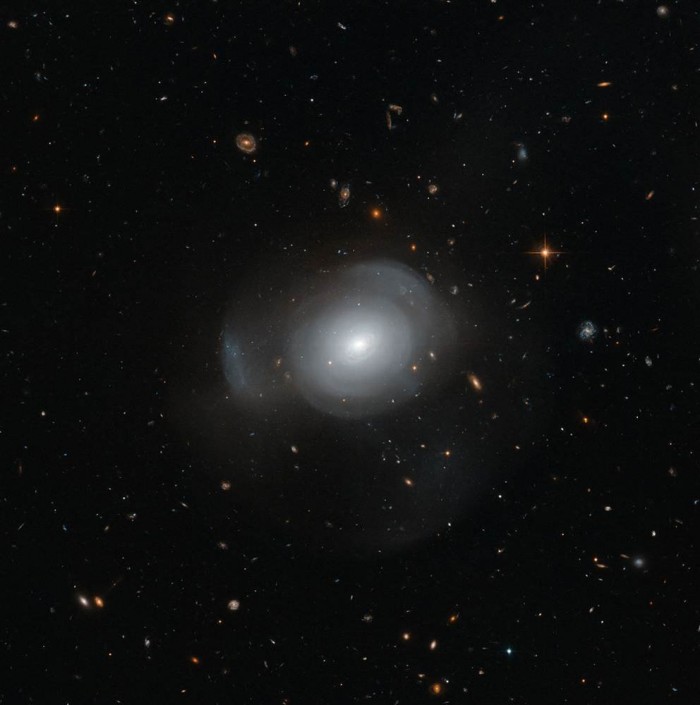
The petal-like beauty of the galaxy PGC 6240 is 350 million light-years away from the Earth in the constellation South Hydra.
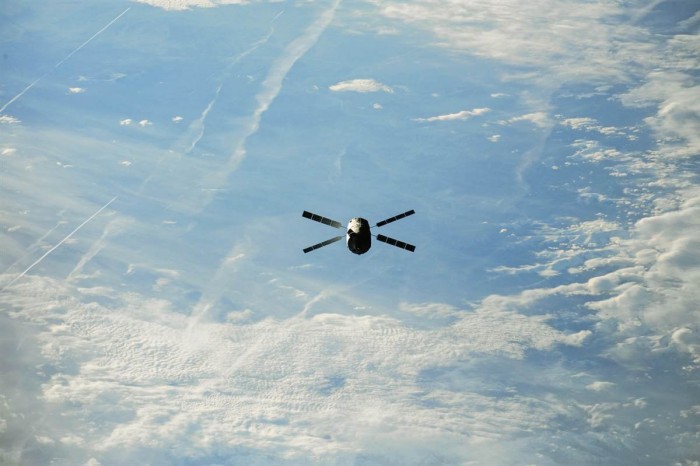
The transport vehicle ATV-4 leaves the ISS on October 28.
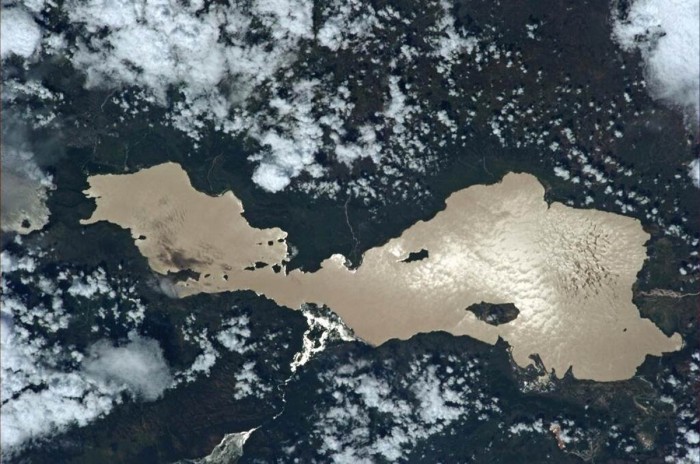
This golden puddle & ndash; Abai lake in Ethiopia. The picture was taken by Luka Parmitano with the ISS, on October 29.
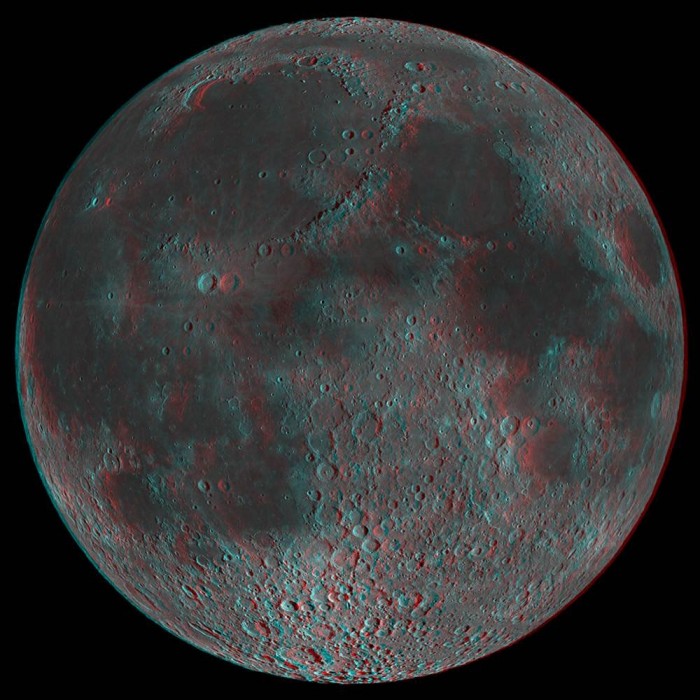
3D image of the Moon, published on October 18. Are there 3D glasses? Boldly put on and look.
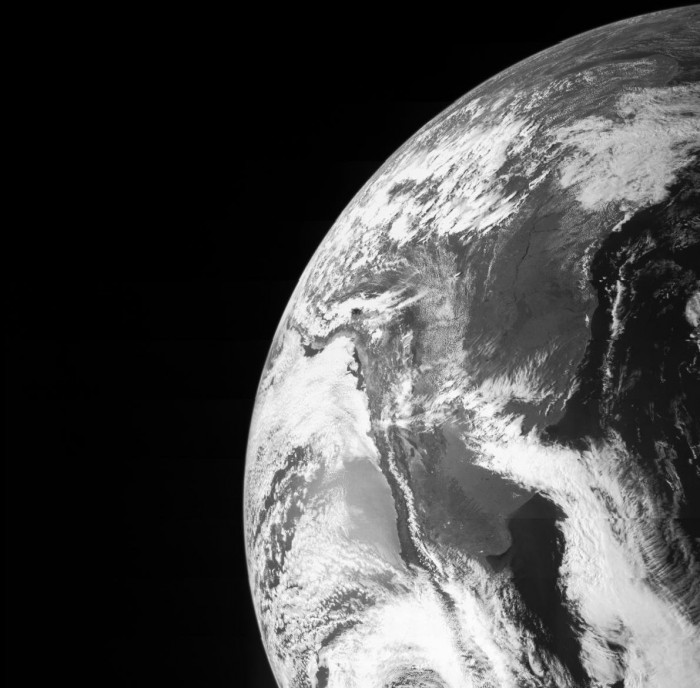
A snapshot of the Earth, made by Juno, gaining momentum around our planet, before embarking on a long journey to Jupiter.
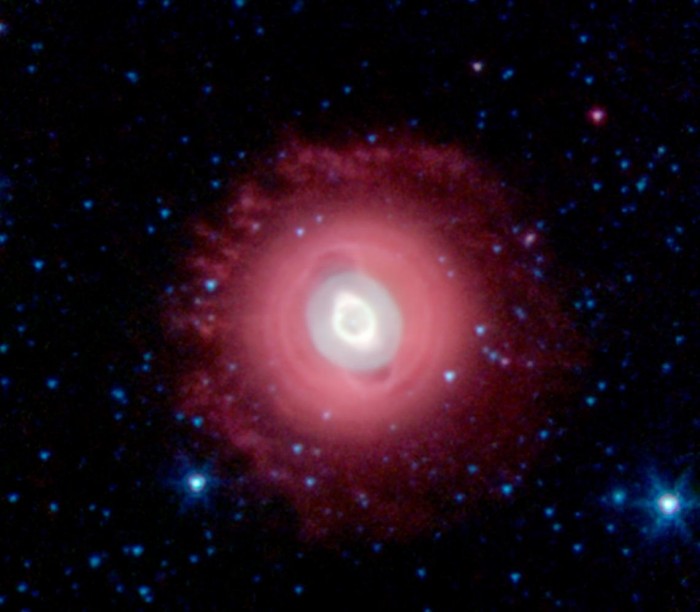
The remains of a dying star The ghost of Jupiter, which is called the planetary nebula. It is located 1400 light-years from Earth in the constellation Hydra.
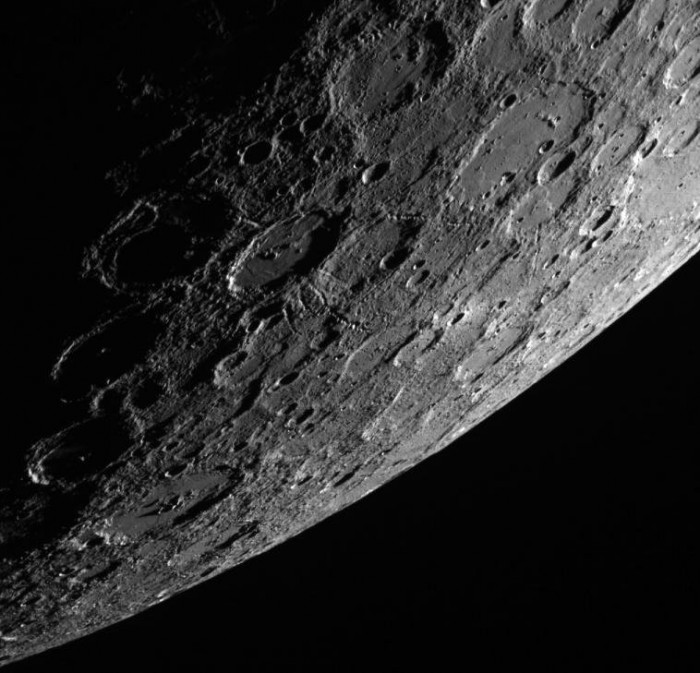
Another Mercury perspective, received from NASA on October 2.
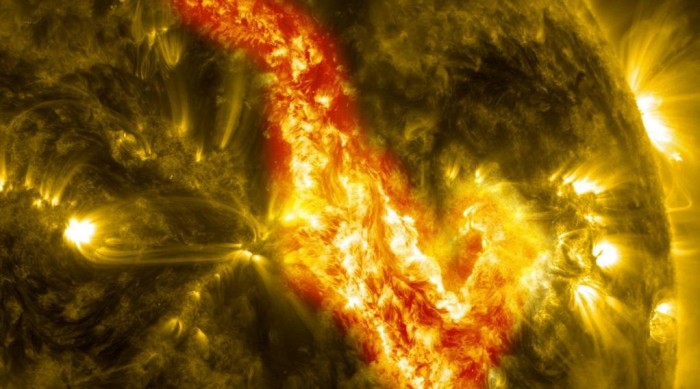
& laquo; Canyon of fire & raquo ;, length of about 360 thousand kilometers on the Sun. The snapshot consists of frames taken in the last days of September.
This is all for now. See you in exactly a month!
Find the Best Professionals for Your Project
Expert repair, construction, and renovation specialists ready to help you right now