Dnepropetrovsk College of Culture
Articles
Let’s get to know Ukraine!

Dnepropetrovsk College of Culture

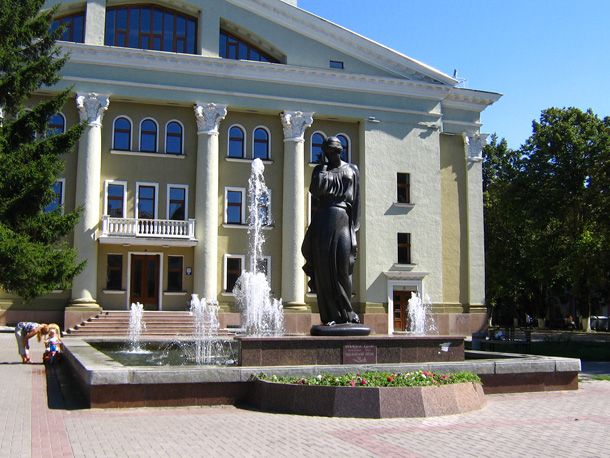
justify; ">medium;">On Dnepropetrovsk Culture College is located on Karl Marx Avenue.

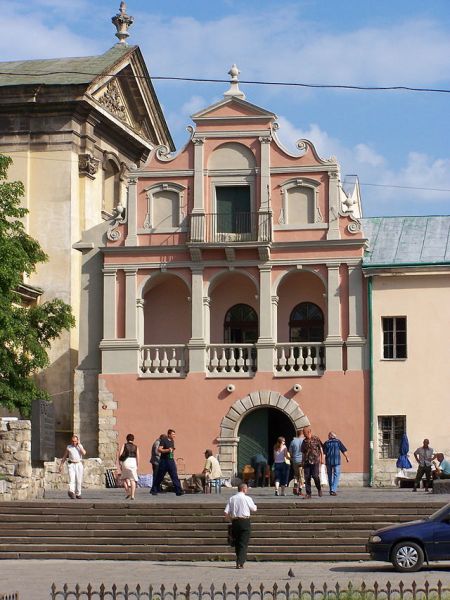
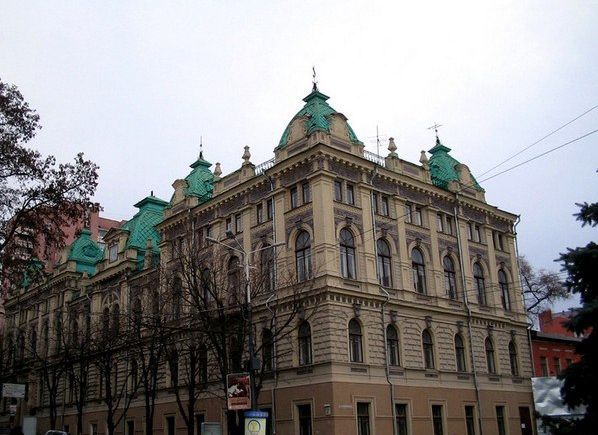
On the avenue of Karl Marx is Dnepropetrovsk College of Culture. It was built in the early 20th century and today the building of the school is an architectural monument of national importance.
Until now, unique interiorsin the Art Nouveau style, an ancient staircase and the most beautiful hallin which the City Council of Ekaterinoslav had previously met remained inside it.

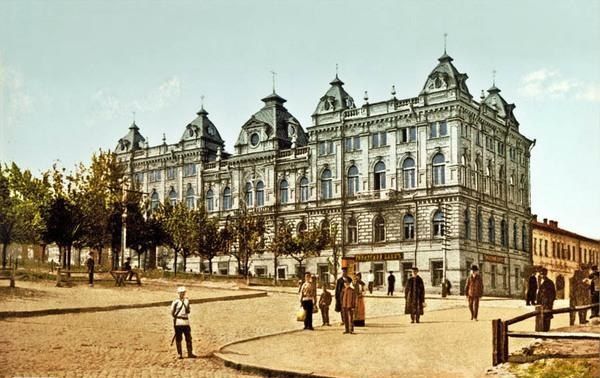
The building was erected in 1901-1903 accordingto the project of the famous architect Dmitry Skorobogatov. Its exterior looked like a European town hall. According to the architect's ideas, this building was to become a real masterpiece of architecture of that time. It surprisingly harmoniously fit into a complex natural landscape. At the time of construction, the building was considered one of the highest in the city, above it there were only temples and factories. From a distance, six of his tent towers could be clearly seen. The building with a rich architectural decor was built in the style of the Viennese Renaissance, which was very popular at that time. Similar structures in the 20th century could be found in the cities of Central and Western Europe, so for Yekaterinoslav it became a real pride and embodiment of modernism.

The building had three floors. On the ground floor was located the City Public Bank, established in 1873, it functioned under the control of the Yekaterinoslav Duma. On the second floor there was accounting, and on the third floor - offices of the mayor and secretary, the office, the address table, and also the small and large Duma halls. After the arrival of Soviet power, the Duma ceased to exist and was replaced by the Soviet of Workers' and Military Deputies. Since that time, the building was the executive committee of the city Council of People's Deputies. Later, the executive committee of people's deputies relocated to a new building, and instead of it in 1944 there opened a technical school of political education. Two years later it was renamed into a technical school for the training of cultural and educational workers. Since 1960, this educational institution was called a cultural and educational school, and in 1991 it received its current name - the school of culture.
Днепропетровское училище культуры

Днепропетровское училище культуры

On Karl Marx Avenue, you can find the Dnipropetrovsk Culture School. It was built in the early 20th century and today its building is considered a national architectural monument.
To this day, it still retains unique interior designs in the modern style, as well as an old staircase and a magnificent hall that were once used by the City Council of Kharkiv.

The building was constructed between 1901 and 1903 according to the design of the famous architect Dmitry Skorobogatov. Its exterior resembles European city halls. According to the architect’s vision, this structure was meant to be a true masterpiece of architecture at that time. It harmoniously integrated into the surrounding natural landscape, and at the time of its construction, it was considered one of the tallest buildings in the city—only churches and factories were taller. From a distance, its six spired towers were clearly visible. The building, with its intricate architectural details, was designed in the style of the Vienna Renaissance, which was very popular at that time. Similar structures could be found in cities across Central and Western Europe in the 20th century, so for Kharkiv, it became a true symbol of pride and a representation of modernism.

The building in question had three floors. On the first floor was the City Public Bank, established in 1873 and operated under the control of the Ekaterinoslavskaya Duma. On the second floor were the accounting offices, and on the third floor were the office of the mayor and secretary, the city council office, the address registration office, as well as the small and large council chambers. After the Soviet authorities took power, the Duma ceased to exist and was replaced by the Council of Workers and Soldiers Deputies. Subsequently, the Executive Committee of the City Council of People's Deputies was located in this building. Later, the executive committee moved to a new building, and in 1944, a political education technical school opened there. Two years later, it was renamed the Technical School for Training Cultural and Educational Workers. In 1960, it became known as the Cultural and Educational Institution, and in 1991, it was given its current name: Culture School.

Dnepropetrovsk Culture School

Dnepropetrovsk Culture School

Recommended articles

Find the Best Professionals for Your Project

Expert repair, construction, and renovation specialists ready to help you right now