National Historical and Ethnographic Reserve Pereyaslav
Articles
Let’s get to know Ukraine!

National Historical and Ethnographic Reserve Pereyaslav

For 100 kilometers from the capital's hustle and bustle, in the shade of trees, is the real cradle of Ukrainian culture. The national historical and ethnographic reserve "Pereyaslav" is one of the largest in the country. And we can say with confidence that it most fully reflects the life of the inhabitants of the Ukrainian village.

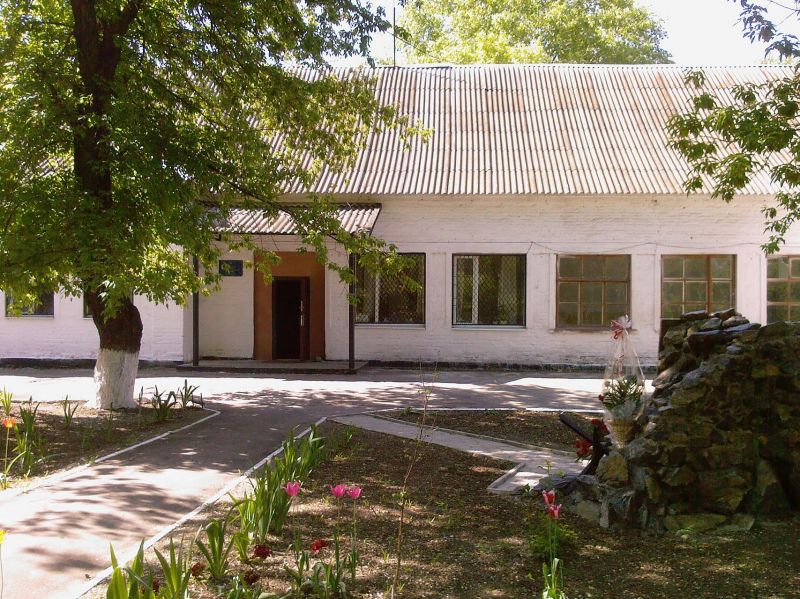
The history of this reserve began with the city museum of local lore, which in 1951 occupied only three rooms in Taras Shevchenko's friend's house. In 1979, on the basis of this museum, which was created for 25 years, the national historical and ethnographic reserve Pereyaslav appeared.

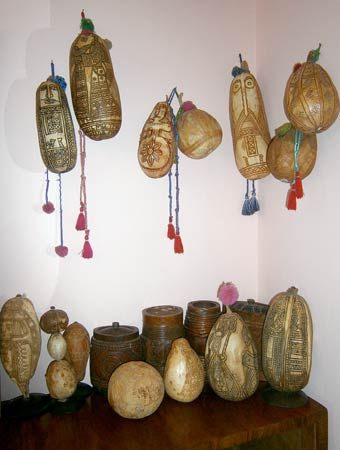
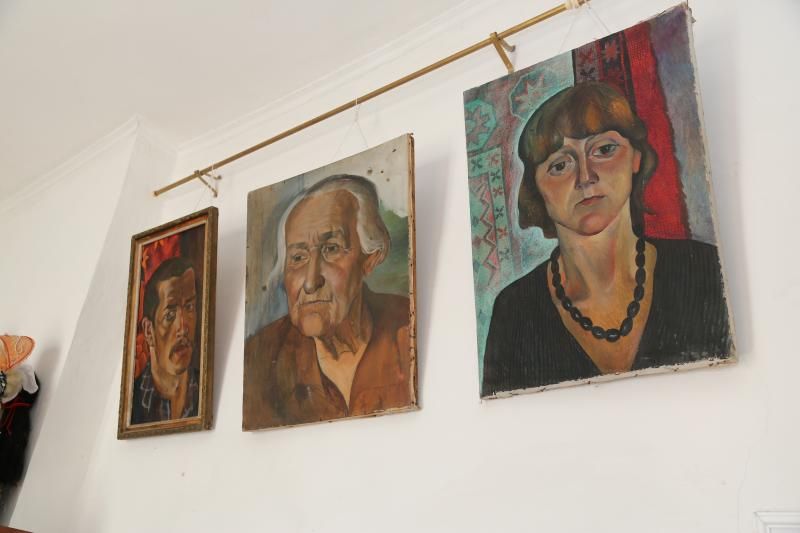
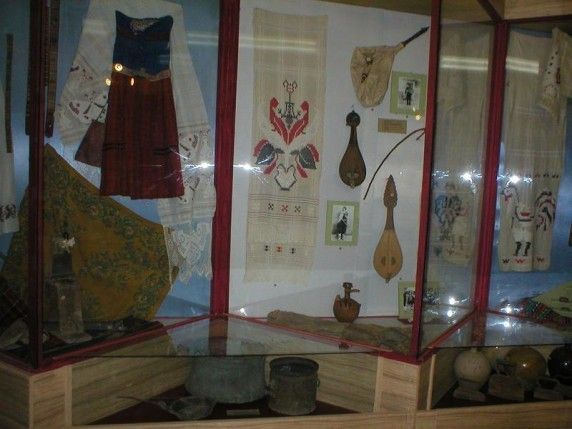
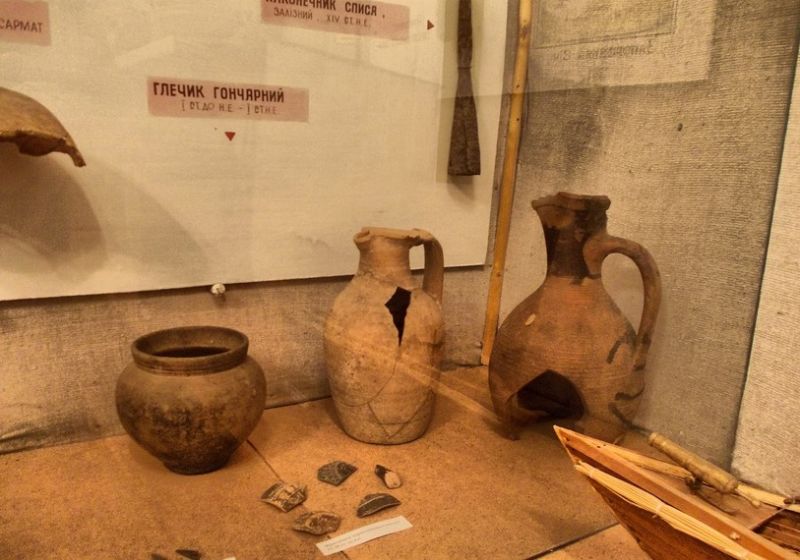
This is a unique place, where more than 370 objects and monuments of Ukrainian culture are represented. On the territory of the reserve there are 25 museums, which store 166 000 exhibits, reflecting different milestones of the history of the Ukrainian people. There are items of the Trypillian and Chernyakhov cultures, Scythian times, military equipment and clothes of Cossacks, Ukrainian towels, musical instruments, tools, old printed publications and much more.

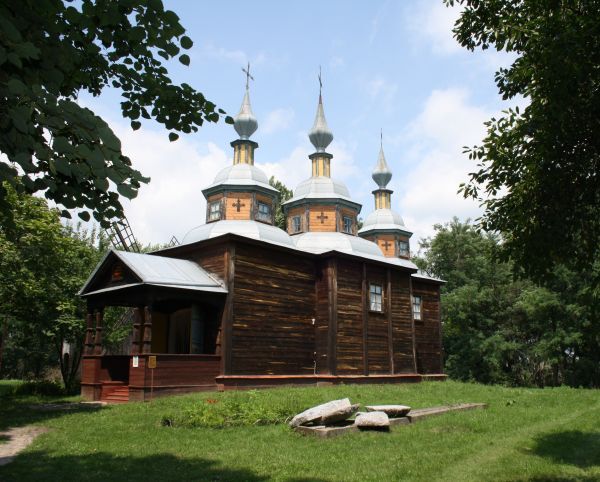
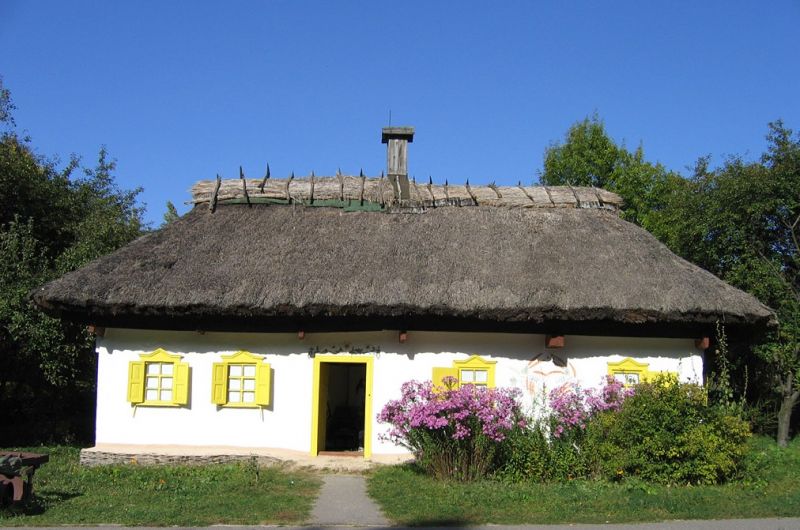
Visitors have the opportunity to visit the homes of the ancestors of Ukrainians, wooden churches, manors of the poor, middle peasants and well-to-do peasants, a smithy, a tanner's workshop. You can also see how the zoo looked like, and view the windmills located on the territory of the reserve.

It is also interesting that here, on the river Soup, was found a stone-age park, a unique reminder of the distant past.

Museums of this region are interesting because they are located directly in the monuments of architecture - churches, former petty-bourgeois and landowners' houses, peasant huts, etc.

Attracts with its originality and uniqueness museum of architecture and life of the Middle Dnieper, which is directly under the open sky. He collected on 30 hectares of 13 thematic museums, organically merged into one. There are 185 objects, 104 of which are monuments of folk architecture of the 18-19th centuries. The museum presents 20 thousand works of folk art, tools and household items. The decoration of the museum is two picturesque ponds, an amazing park in which tens of thousands of trees and bushes grow, real "living" yards and gardens.

Every museum is a real house, which still breathes the past and continues its leisurely existence. Exhibits of the museum give an idea of ​​the life of the joiner, blacksmith, beekeeper, healer, poor man, potter, cooper and weaver.

In the museum of bread you can trace the history of the formation of agriculture from antiquity to modern days. Unique bread-making technique, a real baker's house, windmills, earth barns reflect the life of people of past centuries. There is a unique collection of relict wheat, dishes from the Trypillian culture for the storage and processing of grain and even the clothing of farmers.

In the museum of beekeeping - various tools for care of bees, household things of beekeepers, tools.

Visiting the mail museum, you will feel the atmosphere that existed at the postal station of the 19th century.

In the museum of the towel are collected towels from all over the country, representing a variety of techniques and symbols.

The museum of medicinal plants is interesting with the unique herbarium and phytoplantations of medicinal plants.

The only in Ukraine Museum of Land Transport represents a collection of 1400 vehicles, beginning with the period of Tripoli culture.

Undoubtedly, the museum of space is also interesting. Here you will see the real armchair of the spaceship, the spacesuit and the parachute of Yuri Gagarin, as well as the original rocket.

A unique collection of products from wood, carpets, toys, glassware and art glass you can see in the Museum of Decorative and Applied Art.

And this is not all that can surprise the guests with an amazing open-air museum. On the territory of the reserve there are also unique architectural monuments. The oldest of these is housing from the bones of a mammoth, whose age is about 13 thousand years.

Separate attention deserves the Ascension Cathedral, built with funds from the Ukrainian hetman Ivan Mazepa. Since 1701 there is the Peresopnytsia Gospel in it, and to this day the Presidents of Ukraine take the oath. In the cathedral there is a monumental diorama "Bukrinsky bridgehead" depicting the famous battle of the Great Patriotic War. On canvas, whose width is 28 meters, and height - 7 meters, back in 1975 was depicted the offensive of Soviet troops near Kiev. The artists painted directly from the photos of the soldiers participating in the battle, so all the people in the picture are real.

Also preserved here are the St. Michael's Cathedral of the 11th century, the wooden Cossack church of 1606, the St. Michael's Church in 1666, the Ascension Monastery of the 17-18th centuries, the house of the Pereyaslavsky Collegium in 1753, the Assumption Cathedral in the late 19th century.

Is there another place on the map of Ukraine, which is so believable and fully aligned with the ancestors of today's Ukrainians? Once in the reserve, it seems that the skilful artist has drawn a true picture of the past, calm and fascinating, bordered with numerous flowers and trees.
Национальный историко-этнографический заповедник Переяслав

Национальный историко-этнографический заповедник Переяслав

The history of this reserve began with a municipal museum of local history, which in 1951 occupied only three rooms in the home of a friend of Taras Shevchenko. In 1979, on the basis of this museum, which had been established over a period of 25 years, the national historical-ethnographic reserve “Pereyaslav” was founded.

This is a unique place that showcases more than 370 objects and monuments of Ukrainian culture. Within the reserve’s territory, there are 25 museums that house 166,000 exhibits, reflecting various milestones in the history of the Ukrainian people. These include artifacts from the Tripolye and Chernyakhiv cultures, Scythian-era items, military equipment and clothing of Cossacks, Ukrainian rifles, musical instruments, tools, and early printed publications, among many other things.

Visitors have the opportunity to see the homes of ancestors of Ukrainians, wooden churches, the estates of poor, middle-class, and wealthy peasants, as well as a blacksmith’s workshop and a tanner’s shop. They can also observe what a post office used to look like and view the windmills located within the reserve.

Interestingly, a Stone Age settlement was discovered on the Supoy River here—a unique relic from distant times.

The museums in this region are particularly interesting because they are housed within architectural landmarks such as churches, former bourgeois and nobleman’s homes, and peasant cottages.

Equally fascinating is the Open-air Museum of Architecture and Way of Life in Middle Dnieperia. Spread over 30 hectares, it brings together 13 thematic museums that blend seamlessly into one. There are 185 exhibits on display, including 104 examples of folk architecture from the 18th and 19th centuries. The museum also houses 20,000 pieces of folk art, tools, and household items. Its beauty is enhanced by two picturesque ponds, a stunning park with tens of thousands of trees and shrubs, and authentic “living” courtyards and gardens.

Every museum is like a true house that still breathes the air of the past and continues its slow existence. The exhibits in these museums give us a glimpse into the lives of carpenters, blacksmiths, beekeepers, healers, poor people, potterers, basket weavers, and weavers.

At the Bread Museum, you can trace the history of agriculture from ancient times to the present day. Unique bread-making techniques, a real baker’s house, windmills, and underground storage facilities all reflect the lives of people in past centuries. Here, you can also find a unique collection of ancient wheat varieties, pottery from the Tripolye culture used for storing and processing grain, and even clothing worn by farmers.

The Beekeeping Museum displays various tools used for taking care of bees, as well as everyday items used by beekeepers and their tools of work.

By visiting the Postal Museum, you can experience the atmosphere that prevailed at a 19th-century post station.

The Handkerchief Museum has collected handkerchiefs from all over the country, showcasing different techniques and symbolic meanings.

The Medicinal Plants Museum is interesting due to its unique herbarium and plantations of medicinal crops.

Ukraine’s only Land Transport Museum features a collection of 1,400 vehicles, dating back to the Tripolye culture period.

Without a doubt, the Space Museum is also very fascinating. Here, you can see an actual spacecraft seat, Yuri Gagarin’s spacesuit and parachute, as well as the original rocket.

The Museum of Decorative and Applied Arts houses a unique collection of wooden objects, carpets, toys, pottery, and art glass.

And this is far from everything that this amazing open-air museum has to offer. Within its premises, there are also unique architectural monuments. The oldest of them is a dwelling made from mammoth bones, which is approximately 13,000 years old.

The Voznesenskyi Cathedral, built with funds provided by the Hetman of Ukraine Ivan Mazepa, deserves special attention. Since 1701, the Peresopnitskoye Gospel has been kept in this cathedral, and to this day, it is used for the swearing-in ceremonies of the President of Ukraine. The cathedral also houses a monumental diorama titled “The Bukrin Bridgehead,” which depicts a famous battle from the Great Patriotic War. This 28-meter-wide and 7-meter-high canvas, created in 1975, shows the Soviet army’s advance near Kiev. The artists based their depiction on photographs of the soldiers who participated in the battle, so every figure on the painting is real.

Other notable sites include the 11th-century Mykhailovskyi Cathedral, a wooden Cossack church built in 1606, another Mykhailovskyi Church from 1666, the Voznesenskyi Male Monastery from the 17th-18th centuries, the building of the Pereyaslav College from 1753, and the Assumption City Cathedral from the late 19th century.

Is there any other place in Ukraine that captures so vividly and fully the spirit of the ancestors of today’s Ukrainians? Upon entering this reserve, one feels as if a skilled artist has created a true and fascinating portrait of the past, surrounded by lush colors and trees.

National Historical-Ethnographic Reserve of Pereyaslav

National Historical-Ethnographic Reserve of Pereyaslav

Recommended articles

Find the Best Professionals for Your Project

Expert repair, construction, and renovation specialists ready to help you right now