9 amazing things that you did not know about Scotland
Scotland — a country of amazing beauty, famous for the whole world of bagpipes, courageous mountaineers in checkered kilt, excellent whiskey and patriotic citizens. We have collected 9 little-known facts that will allow us to look at the freedom-loving kingdom in a new way.
Tree-long-liver
One of the oldest trees in Europe grows in the heart of Scotland — The Fortingale yew whose age ranges from 2000 to 5000 years. The name of the green long-liver was given in honor of a small village on the territory of which it grows. However, the yew from Fortingall in Perthshire is notable not only for its solid age, but also for history. According to local legend, under the Fortingel yew, Pontius Pilate was born and spent his childhood. The same Roman ruler who sentenced Jesus Christ to be crucified. The story is hardly true, but here the mystery of the tree is exactly attached.
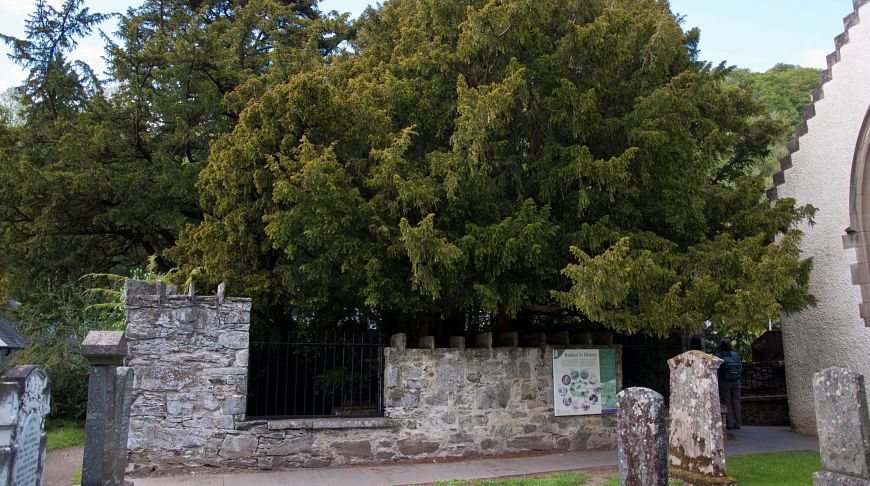
Photo: wikiwand.com
Today the famous yew is not in the best condition, but still stretches its numerous branches to the sky of freedom-loving Scotland.
Nearly half red-headed planet
Scotland — the birthplace of 40% of the red-haired people of the planet. Scientists have established that a special gene is responsible for the presence of the red pigment in the hair and it is necessary to help the body absorb as much vitamin D. Redheads have very light and sensitive skin, which is very important for living in the northern regions, not spoiled solar heat. They can receive more vitamin D than representatives of other skin types.

Photo: fishki .net
According to one of the professors of the University of Bradford, in the next 100 years the red-haired Scots can completely disappear. The fact is that when migrating and mixed marriages, the 'red gene' raquo; manifests itself much less often.
Adrian's shaft
In 122-126 AD, the Roman emperor Adrian decided to protect his territories from the attacks of Picts and Brigants. To strengthen the borders, the ruler ordered to erect a wall of grandiose dimensions. The shaft was successfully built and well preserved until our days. The ruins of the wall stretch for 117 kilometers along the borders of England and Scotland. Since 1987, the ancient monument is a UNESCO World Heritage Site. While everyone can walk along the wall, but archaeologists insist on more careful protection of the ancient fortification and restriction of direct access to it.
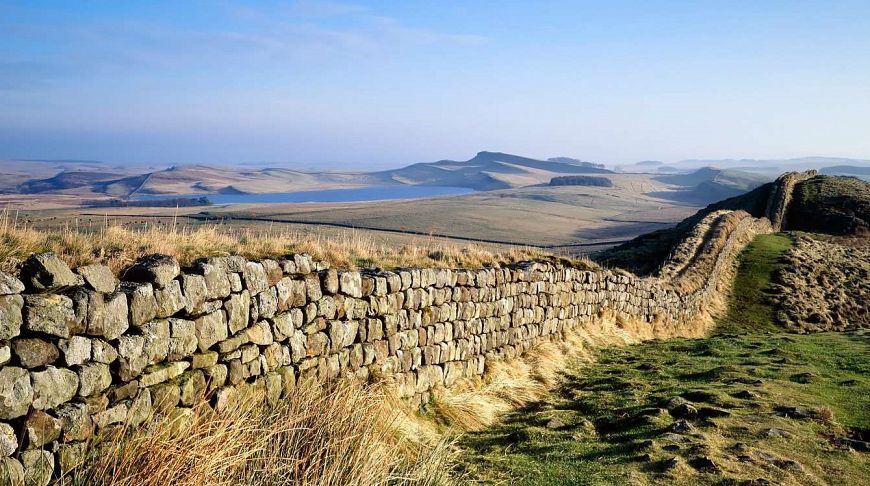
Photo: english-heritage.org.uk
Edinburgh Underground Chambers
Few people know, but under the streets of the Scottish capital is the so-called Edinburgh vault. Numerous cellars are located in the old part of the city and are open for research since 1988. They were built in 1788 on the territory of shopping areas and were used as warehouses. Later, the pantries were abandoned, and illegal trade and poor migrants in need of a roof over their heads came to the place of legitimate business.
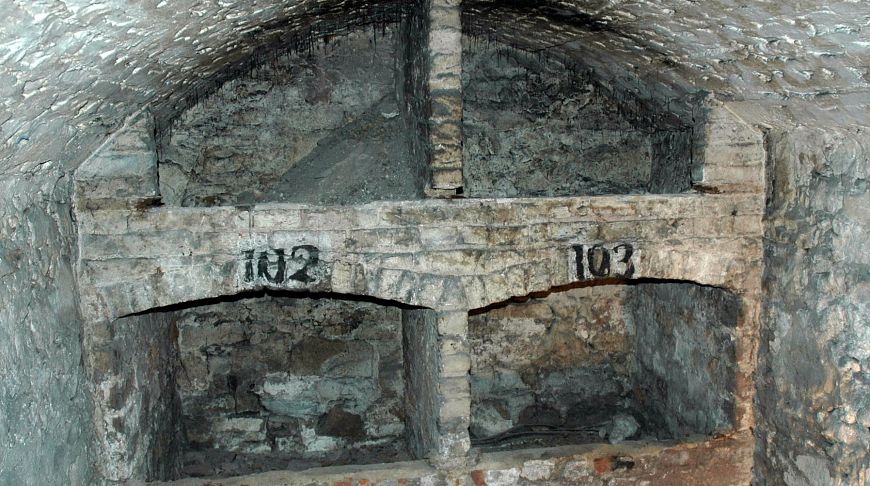
Photo: commons.wikimedia.org
Completely abandoned Edinburgh cellars were in late 1800's. It is rumored that ghosts live in dark labyrinths and rooms. According to the local people, these are the undead souls killed by William Burke and William Hare.
Glasgow's bad reputation
The fourth most populous city in Britain and Scotland's largest population, Glasgow is not famous for its good reputation. According to statistics on its streets there are more unpleasant incidents than in Rio or New York. True, Scots rarely use weapons in fights. As a rule, the case is limited to kulaks or stabbing. However, this fact does not make it any happier and safer to live in the city.

Photo: aol .co.uk
A special topic for disagreements between residents of Glasgow — football. In many pubs of the city there are even tablets with the inscription "All football colors are forbidden". This means that you can not appear in such a place in the T-shirt of your favorite team (or any other ammunition): in order not to provoke the fans of the rival club to a fight. Heats up the already difficult situation & tightness & raquo; football teams for different religious denominations. & laquo; Celtic & raquo; represents Roman Catholicism, and the green color of their form symbolizes Ireland, but their main rival is — & la Rangers & raquo; — was founded by a group of Protestants, and the club associates itself with the British monarchy. And the fans do not live peacefully.
Scottish inventions
Despite the fact that many Scottish inventors are in the shadows, this country has made many outstanding discoveries. For example, Kirkpatrick McMillan, a blacksmith from a small village in the south of Scotland, perfected a bicycle, adding pedals to it. Many years later the Scots created an apparatus that issued banknotes, — ATM.

Photo: webindiasolutions.com
This happened in the 60s of the last century, and the first miracle machine was launched in 1967. In the same country, color televisions, an artificial cooling system and well-known gin and tonic, which was originally intended for the treatment of malaria, were invented.
Dangerous Scotland
Many of us have heard of brave Vikings, famously conquering new territories and plundering the villages that had been destroyed, which could not repel cruel and strong soldiers. Only Scotland for a long time remained for the Scandinavians & laquo; tough nuts & raquo ;. In the guidebook of the 1200s, seafarers from Scandinavia described Scotland as a dark place with terrifying inhabitants and dangerous currents.
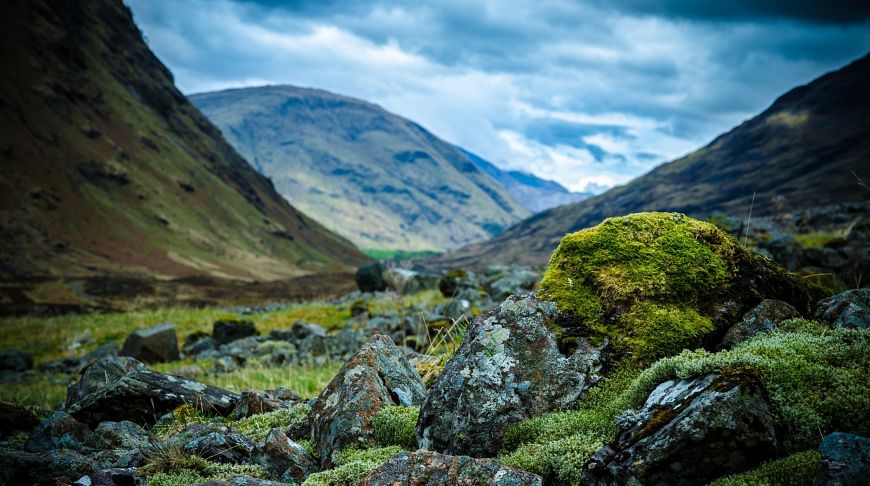
Photo: iliketowastemytime.com
Despite the fact that the brave Scots simply did not give their riches to uninvited guests, the Vikings still managed to settle in Scotland. Otherwise, it is difficult to explain how the word "kilt" was used in the Scottish language "kilt & raquo; from the Old Norse language.
Unicorn and Lion
Given the love of the Scots for all kinds of legends and legends, the election of a unicorn as an official animal does not seem a strange act. Celts believed that this creature is a symbol of happiness and grace. True, on the arms of a cute creature is depicted in chains. This, too, has an explanation. According to myths, only a virgin can tame a unicorn, and in the wild such a stallion & raquo; can be very dangerous. That's why chains are needed: to curb his lean temper.
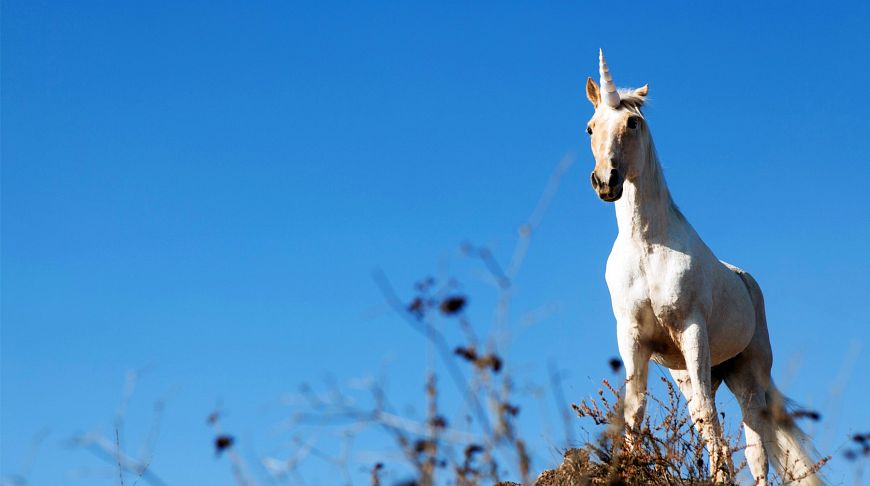
Photo: science .howstuffworks.com
On the red lion of loud legends and mythical stories does not exist. It is only known that his image appeared on the official level during the reign of James VI.
Polo on elephants
Surprisingly, but widespread in Nepal, India, Thailand and Sri- Lanka game Scots have the most direct relationship. The World Organization of Polo on Elephants was established in 1982, and one of her forefathers was a citizen of Scotland, James Manlkaru.
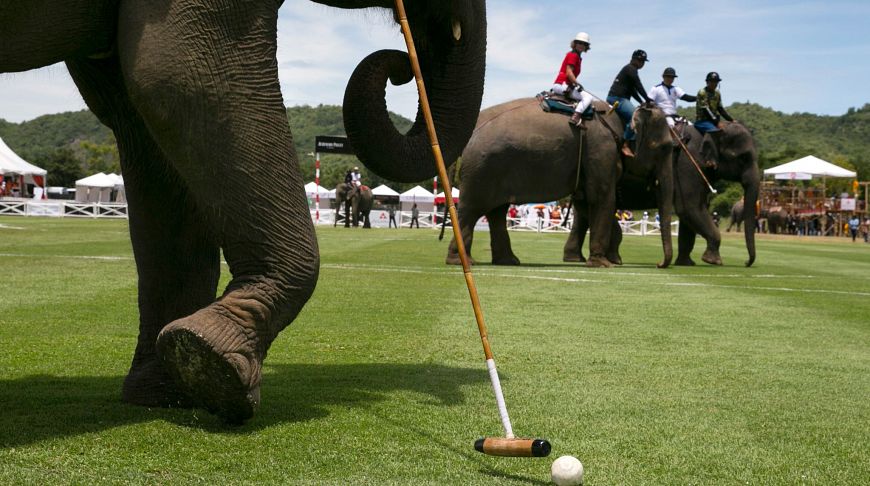
Photo: espn.com
However, the case with polo on the elephants is not the only interesting story related to Scotland and the sport. In 1424, King James I forbade his subjects to play football, because he considered the game too rough and traumatic. Extra injuries to the athletes were useless: suddenly we'll have to fight for the honor of the homeland!
Another interesting case concerns the golf, which at one time gained an incredible popularity among the inhabitants of Scotland. King James II even had to temporarily forbid the amusement that he liked, as it interfered with the preparation for war.
Find the Best Professionals for Your Project
Expert repair, construction, and renovation specialists ready to help you right now
Recommended articles
More articles:
 Intimate Portraits of Abandoned Buildings
 On the sea! Where to fly from Ukraine to catch up with summer
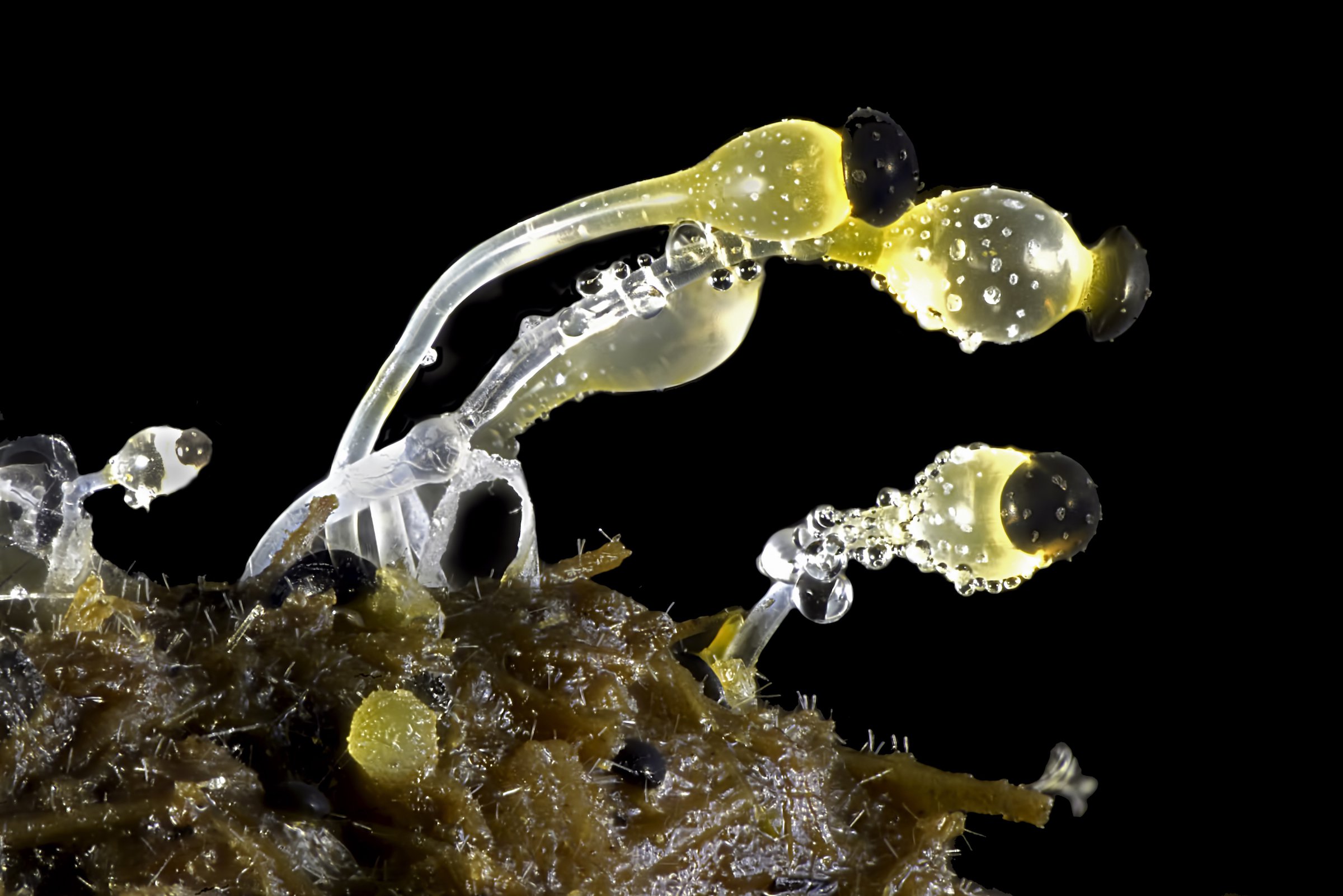 20 best photos of the Nikon Small World 2016 Photo Contest
 8 things about which it's completely pointless to worry while traveling
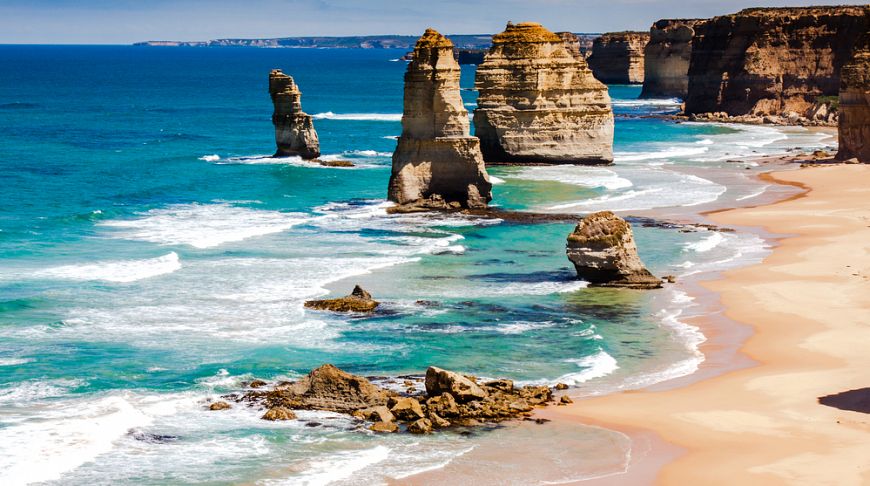 From England to Thailand: 10 unique and magical beaches of the world
 View of the pros: 15 best author's pictures of Kiev
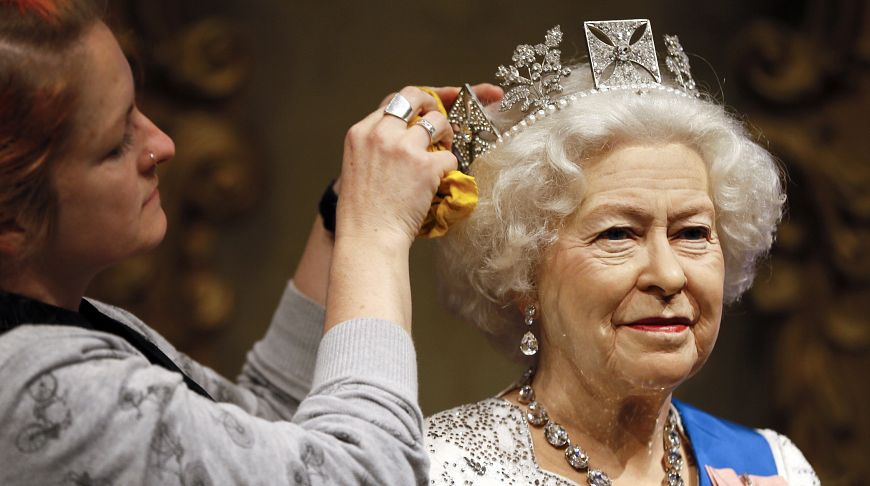 Be a queen: 35 rare cadres who will tell you everything about Her Majesty Elizabeth II
 TOP-10 cities to visit in 2017 according to Lonely Planet