Spiders — beautiful creatures. Although arachnophobes do not agree with us, but there is something attractive in their movements, measured and philosophical life. Nevertheless, there are many myths about spiders. People believe in strange things, giving spiders qualities that they do not possess. Perhaps their fault is their impressive appearance. We propose to debunk some of the most common misconceptions about these creatures.
Six myths about spiders
Spiders — insects
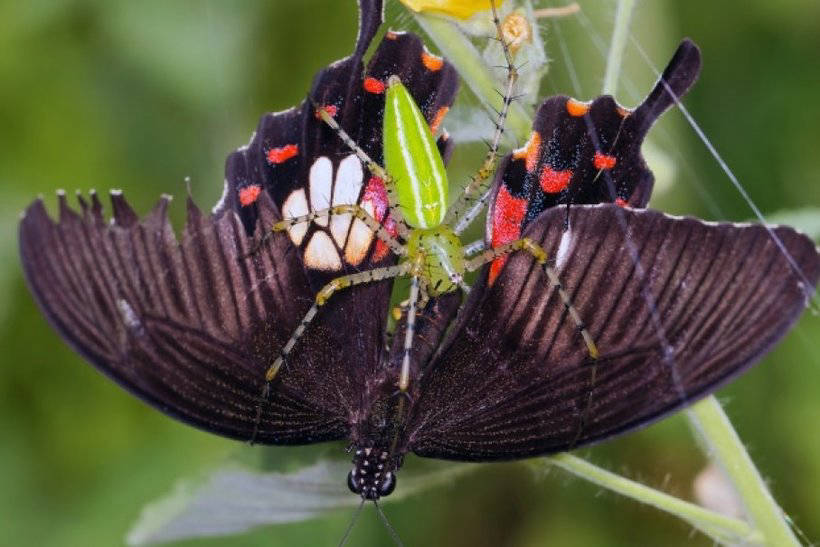
The most common myth. Spider moves on legs, feeds on insects — it is quite logical that he also refers to them. But there are many differences between them.
Insects are characterized by three main parts of the body: the head, thorax and abdomen. Spiders have only two parts of the body: the cephalothorax and the abdomen. And also they do not have insect-like antennas and eight paws instead of six.
All spiders weave cobwebs
Tarantulas also hunt & laquo; for their two & raquo; and use the web to keep the grip on slippery surfaces.
The filodromid spiders, or equinoxes, act even stranger: they pretend to be dead and wait for the insects to crawl to them looking for easy prey.
All spiders — predators
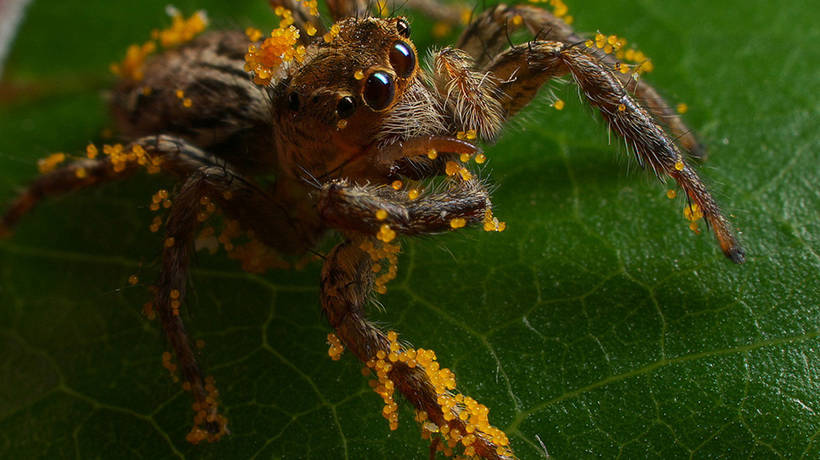
In fact, this is true. All kinds of spiders somehow try to eat live creatures. However, in some situations, spiders can temporarily go on a vegetarian diet.
A recent study in the journal "Arachnology & raquo; recorded 95 cases when spiders were nourished with flower nectar, plant juice, seeds, pollen and other parts of plants. On the one hand, this could be the result of an unsuccessful hunting season. However, combining animal and plant foods also has a beneficial effect on digestion.
Spiders are simply following the food.
Spiders climb into houses in winter to wait out the cold
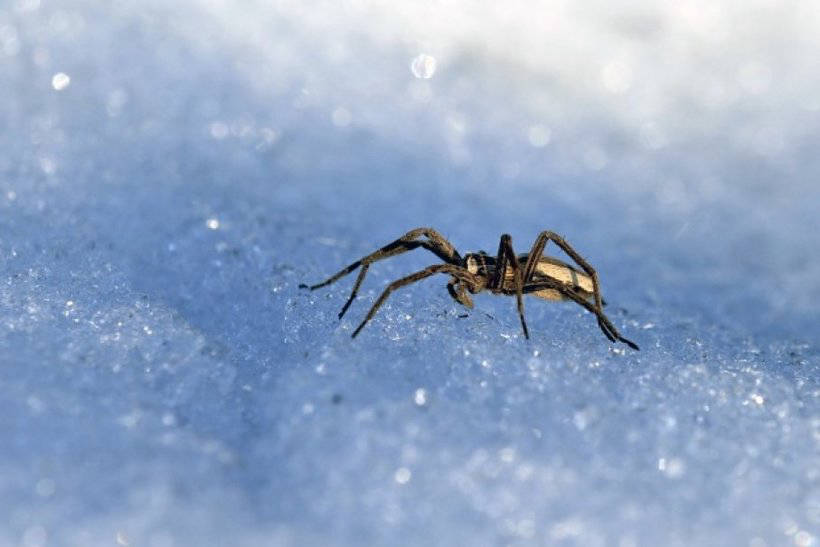
It is quite logical to strive for warmth in the cold season. However, most of the spiders found in the room are not vagabonds that got here accidentally. They are descendants of generations of domestic spiders that have evolved over the years to adapt to the constant temperate climate and poor sources of food and water. Most often, these spiders leave their eggs in furniture and other home snacks.
Less than 5% of house spiders have ever been on the street. Therefore, the rescue operation & raquo; such a spider and its transfer to the wild can end badly.
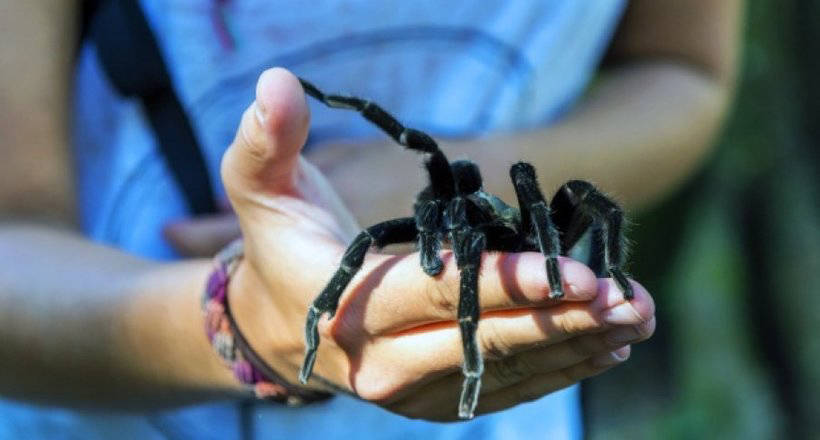
Poison of the tarantula is deadly

Of course, the bite of a spider is not the most pleasant thing that can happen to you. However, the lethality of tarantulas is greatly exaggerated. Nevertheless, the poison of the tarantula can cause a lot of allergic reactions: itching, redness and puffiness around the eyes, swelling of the lips and throat, and in extreme cases — cardiovascular collapse. For most people, this poison is less of a problem than a bee sting.
It's unlikely that a tarantula will be attacked. These spiders eat insects, mice, frogs and even some birds, but not humans. The spider claws at the victim and injects the poison, paralyzing it. Then the tarantula separates the enzymes that split the body of the victim so that the spider can simply suck it in.
It sounds creepy, but this monster does not threaten the person.
Spiders aggressive
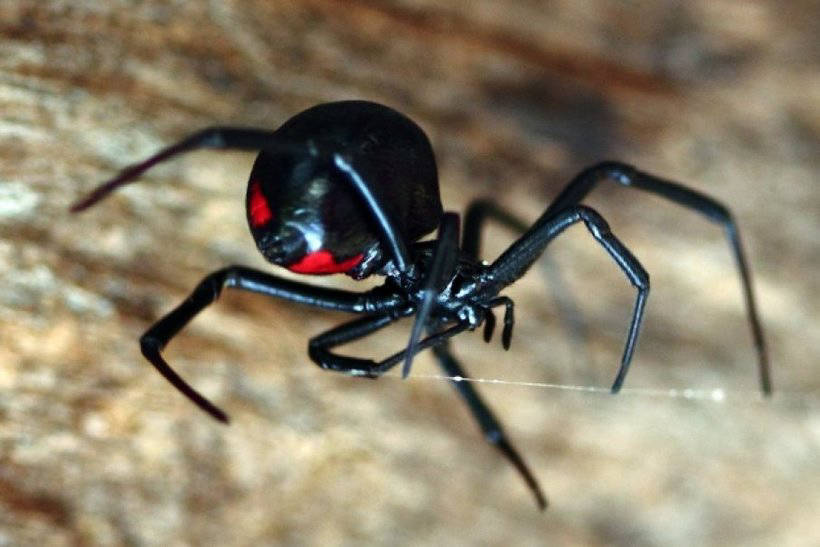
We sorted out the tarantulas. And what about other spiders? People who are afraid of spiders are sure that they are just waiting to attack an unsuspecting person. But everything, to put it mildly, is not so.
The spider's instinct of self-preservation works the same as most other creatures: saw danger — run and hide. Since home spiders often suffer from poor vision, their attempts to escape from the outside may seem like an aggressive attack. Although their main goal is — To get away from you as quickly as possible.
Even brown hermit crows and black widows — two kinds of spiders whose bites are really dangerous for humans are unlikely to be attacked if they are not specifically provoked.
According to HowStuffWorks.com