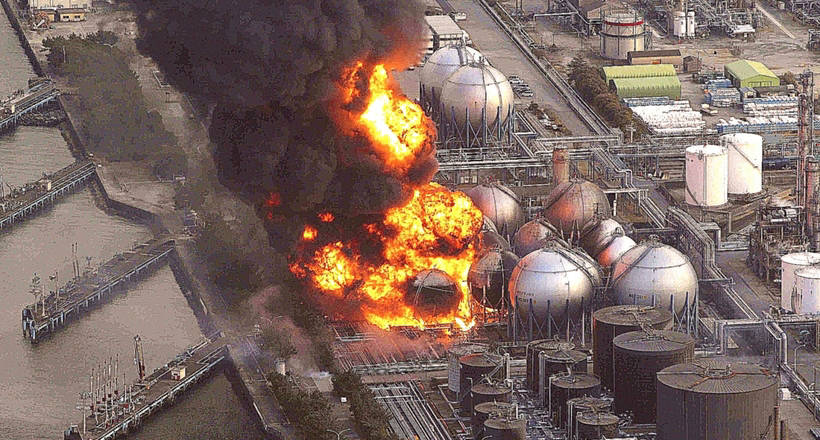
As we know, the largest man-made disaster, accompanied by the release of a huge amount of radioactive substances into the atmosphere and coastal waters, occurred on March 11, 2011 in Japan. The reason for it was an earthquake and the tsunami that followed, which led to destruction at the nuclear power plant "Fukushima", incompatible with further operation. Officially, the station was closed in 2013.
Ecological consequences of Fukushima - everything is just beginning
Representatives of the Japanese side announced a term of 40 years. It is necessary, in the opinion of nuclear specialists, to bring this object to a stable state. And what about that? More than 6 years have passed since the disaster. The first data appears that will help assess the environmental consequences of this terrible event.
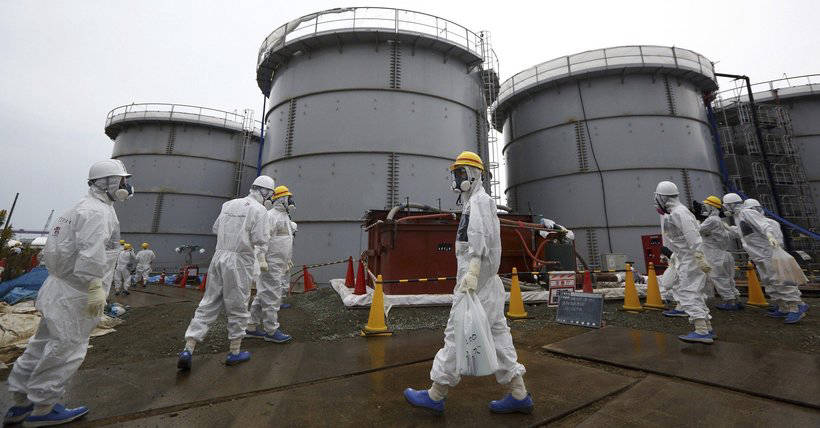
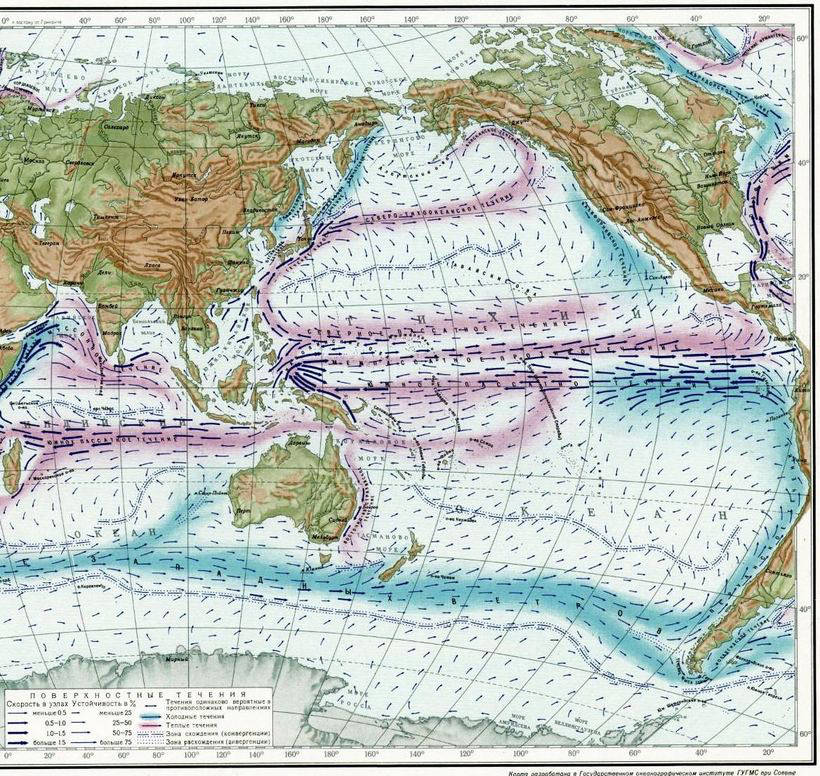
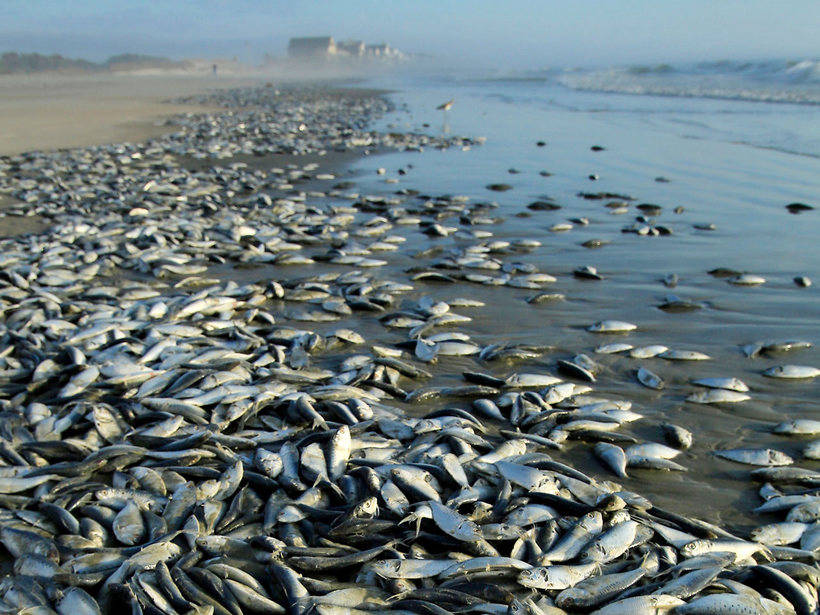
Of course, such colossal volumes of contaminated fluid are not can dissolve without a trace even in the largest ocean of the planet. Due to the peculiarities of the circulation of water masses in the Pacific Ocean, sea currents refer to radioactive contamination from Fukushima toward the northeast, to the shores of Alaska and California. As experts of the Pacific Research Fisheries Center point out, as of early 2016, the radiation background in the Sea of Okhotsk and other Russian fishing areas is within normal limits. At the same time, the situation on the shores of North America, where contaminated water enters along with the North Pacific Current, does not look so optimistic. Along the coast of Western Canada, experts>record an increase in the level of radiation by 300%, which is why there was a reduction in the local ichthyofauna by 10%, including the populations of Pacific herring. There are also widespread cases of death of fish and sea stars. And the content of radioactive substances in the samples of the Oregan tuna grew 3 times. The total level of radiation in the Pacific Ocean today is 5-10 times greater than that at the time of the testing of US atomic bombs.
Recommended articles
Find the Best Professionals for Your Project
Expert repair, construction, and renovation specialists ready to help you right now
More articles:
 20 of the most magnificent and impressive universities
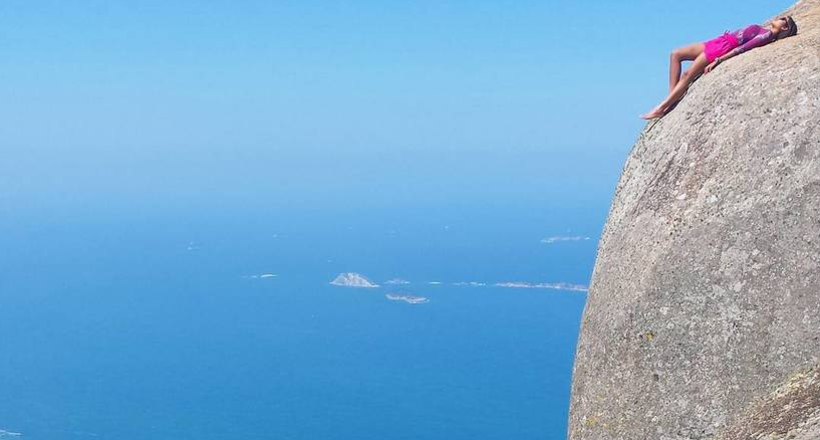 18 photos from madmen who risked their lives for the sake of an ideal frame
 The most seductive and delicious cocktails from 20 countries of the world
 A hundred years ago: amazing photos of Jerusalem then and now
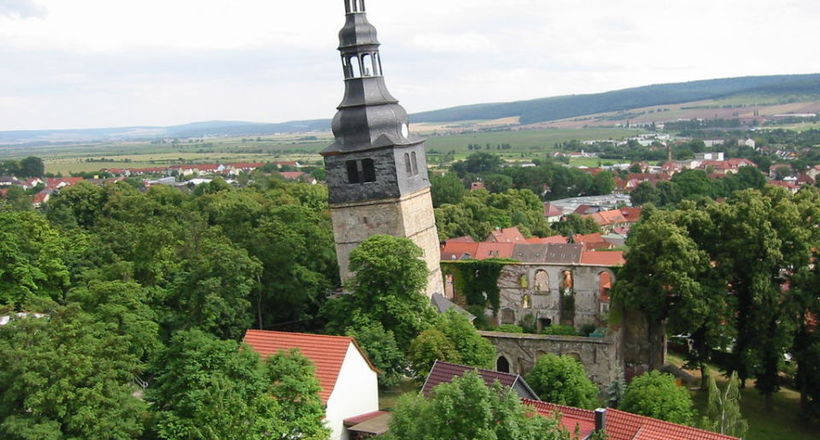 Pisan and other most amazing falling towers in the world
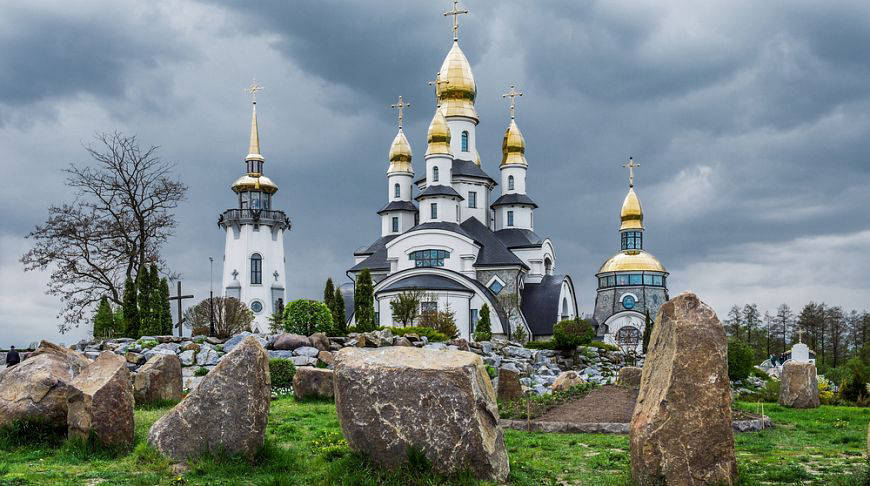 7 places in Kiev region with a unique atmosphere for a weekend tour
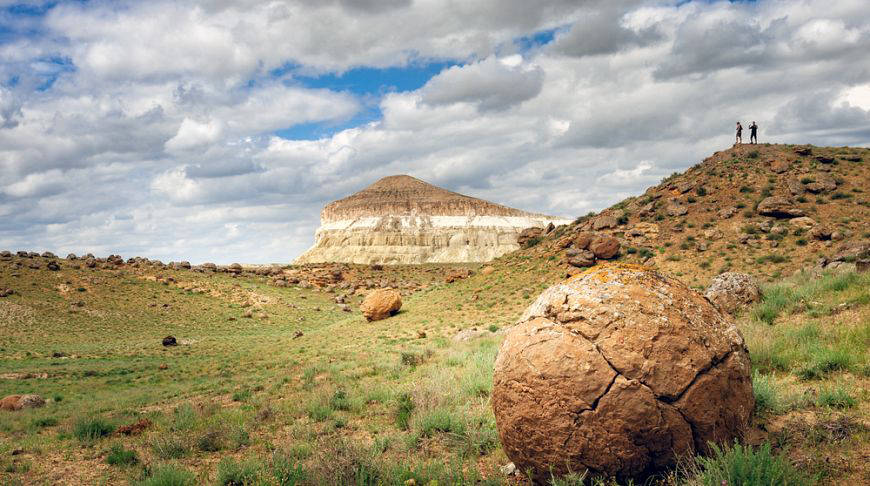 5 mysterious places of Kazakhstan, about which you did not know
 Guide Rough Guide named the 10 most beautiful countries in the world