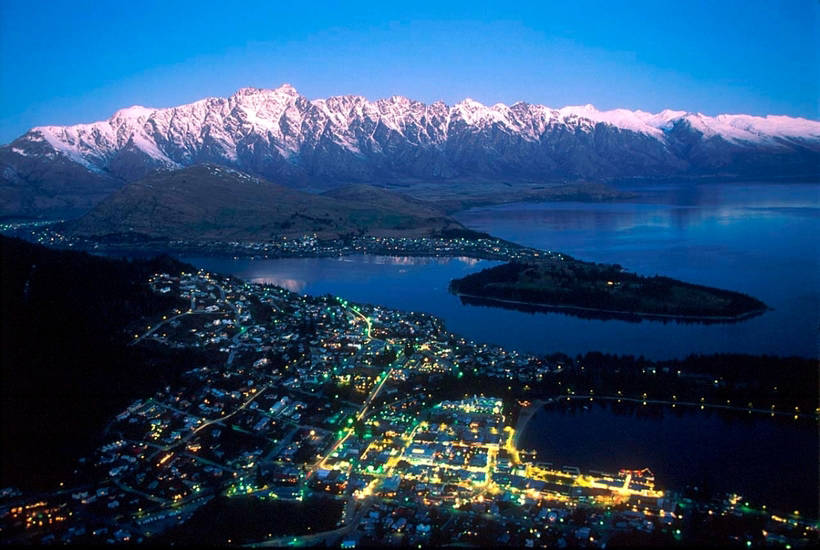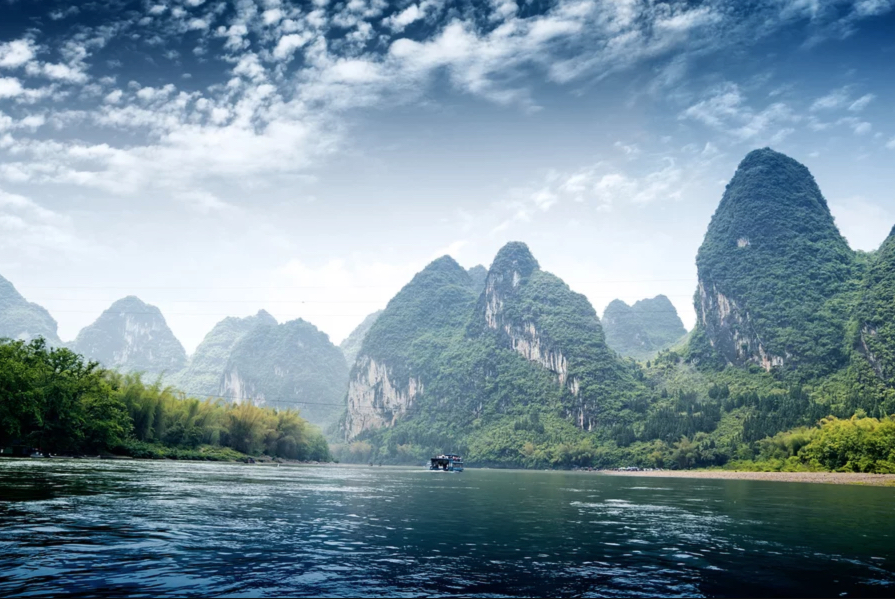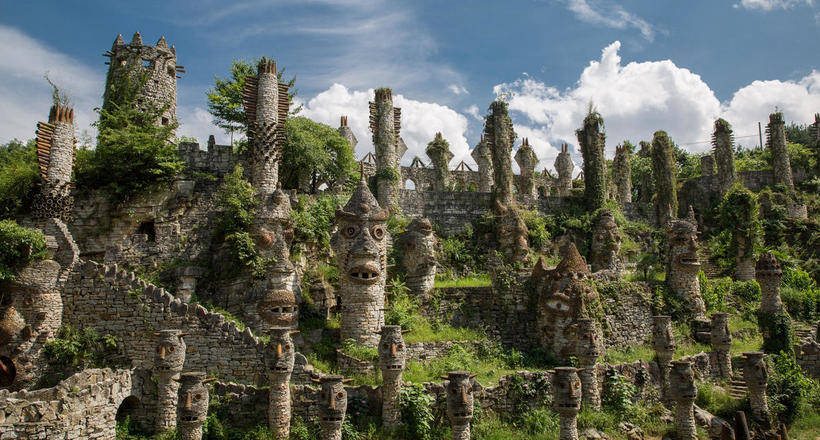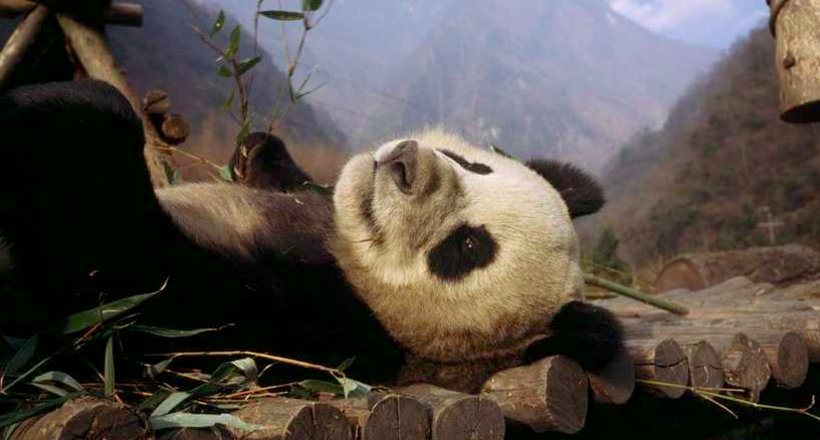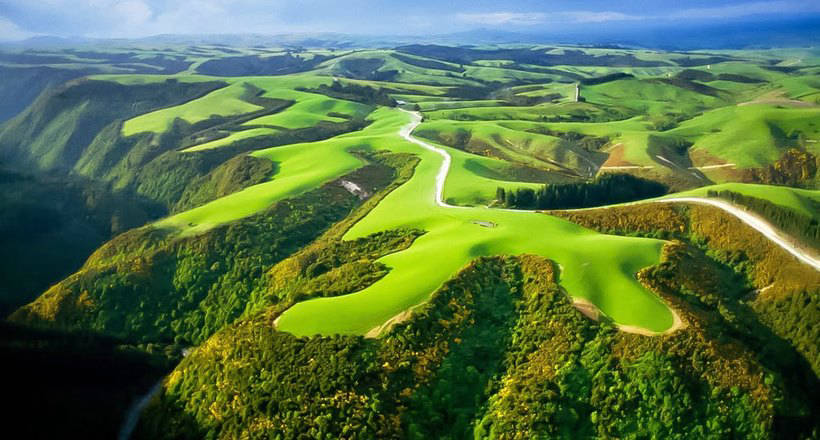
New Zealand is an amazingly beautiful country, which is located on the islands in the Pacific Ocean. New Zealanders are very proud of their country and their nature. Here are stunningly beautiful landscapes, including all the variety of landscapes of the planet: geysers and sea bays, glaciers and caves, sandy beaches and mountain lakes, as well as a unique animal world.
How New Zealand became the most environmentally friendly country in the world
In New Zealand, there are more than 35 reserves and national parks and another 3,000 small reserves, which are protected by nature conservation.
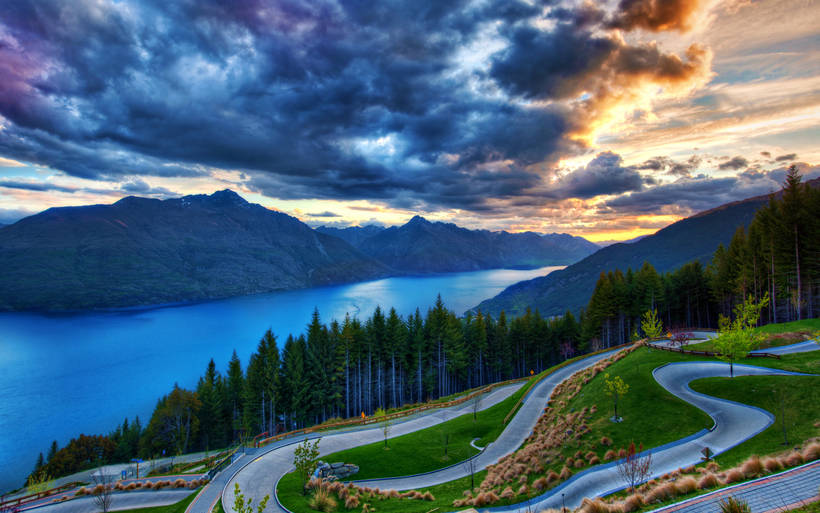
But the love of New Zealanders to the delightful nature was not limited to the creation of national parks. The government of this country set a course for the protection of the environment, which implies the rejection of traditional fuels. And the country with a population of 4.8 million people, most of whom live in cities, plans in 2018 to stop the last coal-fired power plant. But how did they manage to do this?
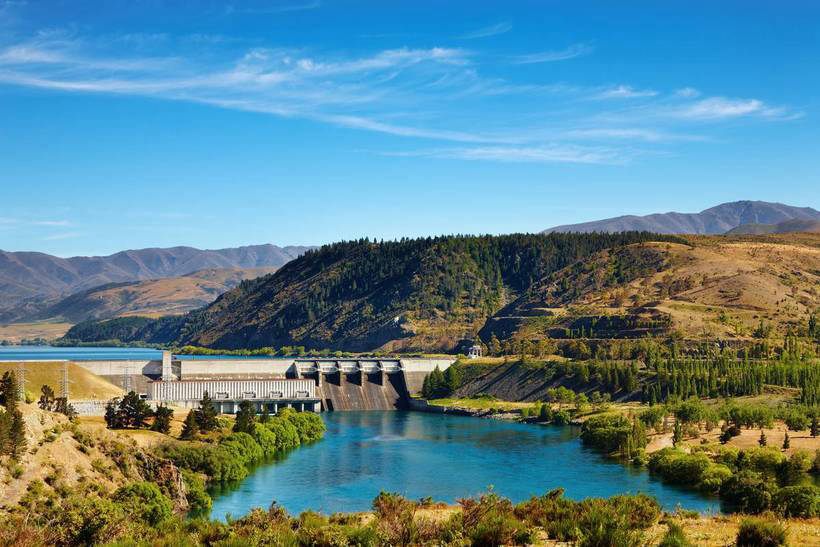
The whole thing is in hydroelectric power plants and geothermal stations, with which the country's energy complex has almost abandoned non-renewable energy sources (coal and gas). Today, there are several hydroelectric power stations in New Zealand, and the geothermal power plant, launched in 2013, is one of the largest in the world. The energy of water streams and thermal springs, the so-called "green energy", allows New Zealand today to receive almost 80% of all energy consumed in the country. The development of projects for the use of wind energy is actively underway. In addition to the development of alternative energy, New Zealand refused to build nuclear power plants on its territory.
But the first step on the way to caring for the ecological well-being of the country was a deliberate abandonment of industrialization. Here, in honor, agriculture: the production of grain, meat, milk and wool. Therefore, industrial production does not have a negative impact on the environment, there simply are not. And it is unlikely to appear: since the beginning of the struggle for environmental cleanliness of the environment, the government has so much increased taxes on emissions of carbon dioxide and other pollutants that any production here becomes unprofitable.
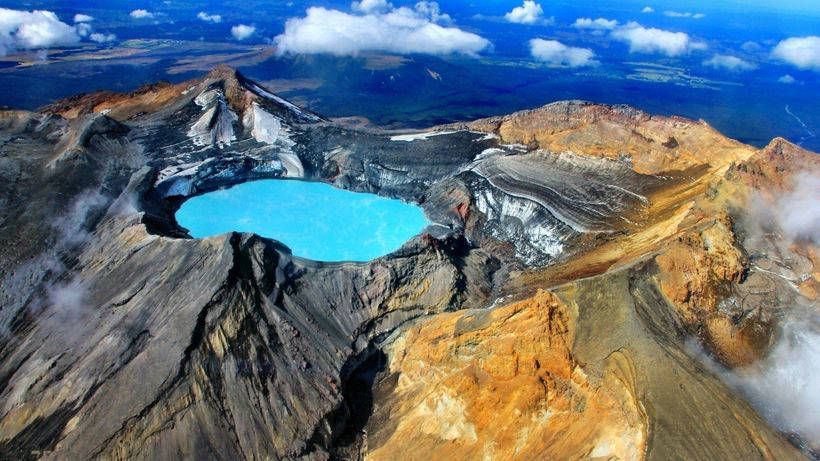
But even without industrial enterprises, New Zealanders are doing an excellent job of filling the budget. Here educational and educational tourism is actively developed, and the revenues from traditional tourism make up a considerable part of the country's budget.
New Zealand seeks to become a country with the most environmentally friendly image. There is no such level of development of "green energy" in any other developed country of the world. But, if you think about it, all the products of industrial production New Zealanders export from other countries - someone must produce for them the necessary equipment, household appliances, cars and much more. Unfortunately, the ideal ecology in a single country can not exist without the surrounding "dirty world".