15 of the Most Inaccessible Places on Earth (25 Photos)
The paths to some of the most remote locations on Earth pose real life threats to those who attempt to reach them. Yet, there are always brave souls willing to take on such challenges. Weeks of wandering across oceans, navigating treacherous mountain ranges, exploring terrifying cave systems, traversing steep mountains and islands inhabited by aggressive indigenous peoples – these are the main obstacles facing the bravest adventurers.
Easter Island, Chile
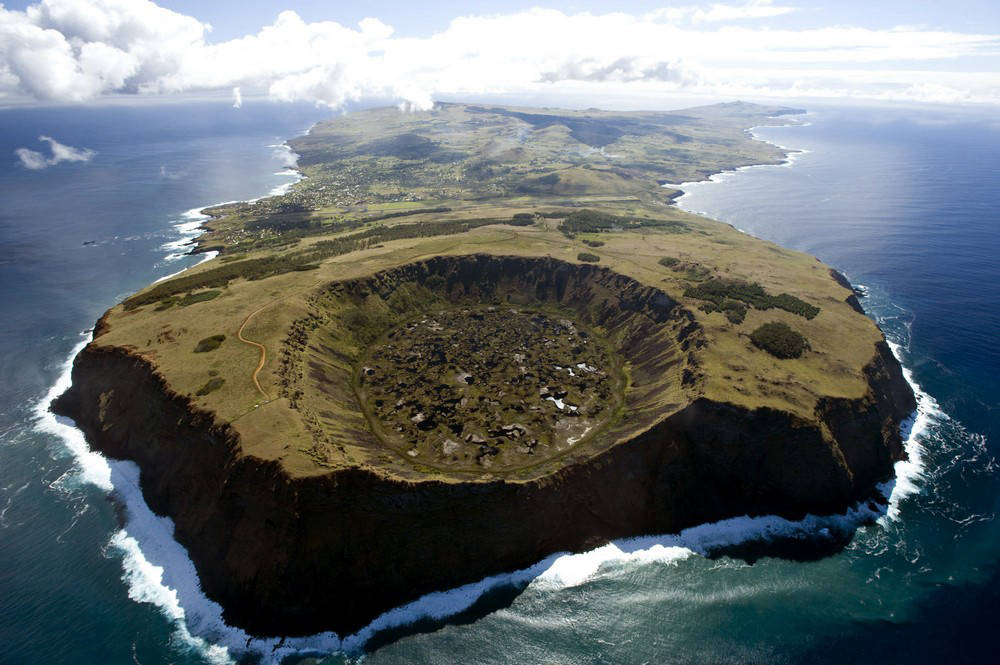
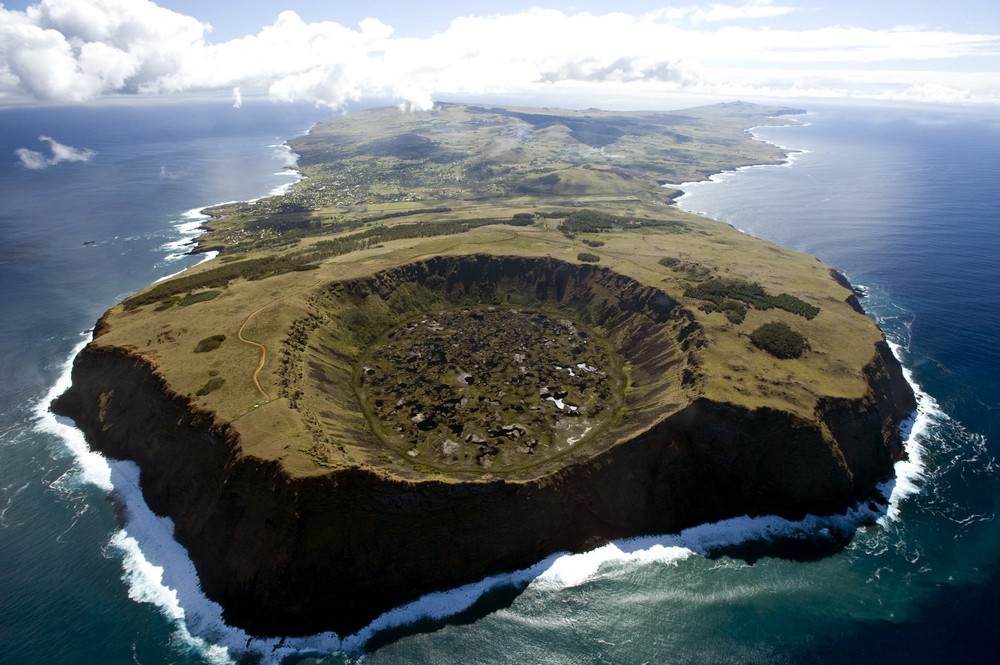
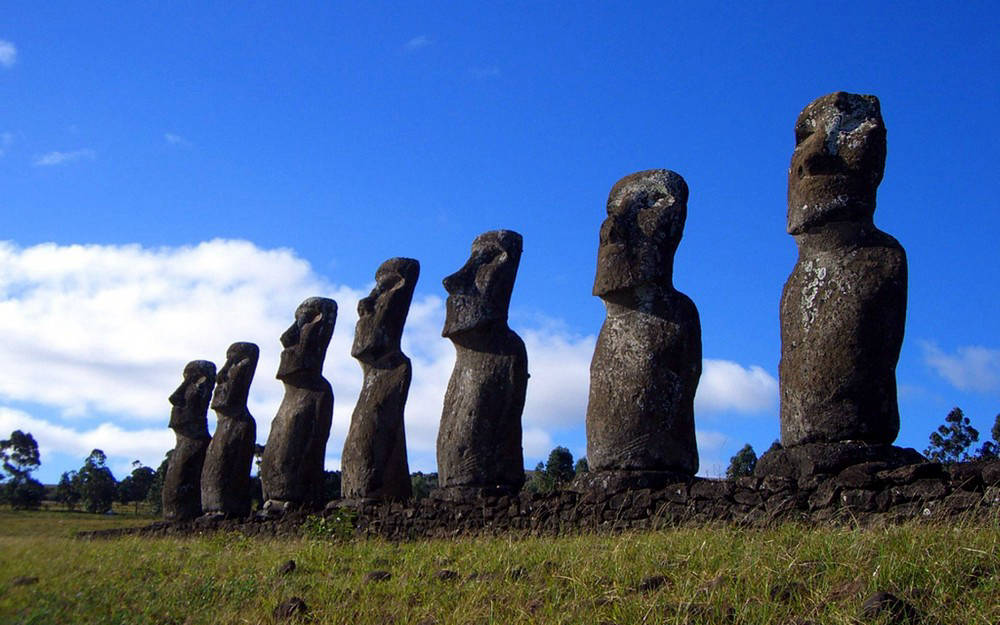
Located in the vast expanse of the Pacific Ocean, Easter Island is one of the most remote and mysterious places on Earth. This tiny island, situated in the southeastern corner of the ocean, has become world-famous thanks to the massive stone statues known as “moai.” There are a total of 887 such statues on the island.
Easter Island is ranked among the three most remote inhabited islands in the world. It is located approximately 3,514 kilometers away from the Chilean mainland. The nearest populated area is Pitcaern Island, which is about 2,075 kilometers away. The story behind the island’s name is quite interesting: it was discovered by the Dutch explorer Jacob Roggeven in Easter Sunday in 1722. In honor of this significant event, the island was named after the Christian holiday.
As previously mentioned, the main attraction of this island that draws brave tourists are these mysterious stone statues. Hundreds of human heads with bodies can be seen along the coastline, and the tallest of these stone statues reaches a height of 20 meters. The majority of these statues can be found at the base of the Rano Raraku volcano. In addition to these mysterious statues, visitors to the island will also have the opportunity to see several ritual sites. Those who enjoy beach activities will surely appreciate the island of Easter, as they can swim in the incredibly beautiful Anakena Bay.
Alert Village, Canada
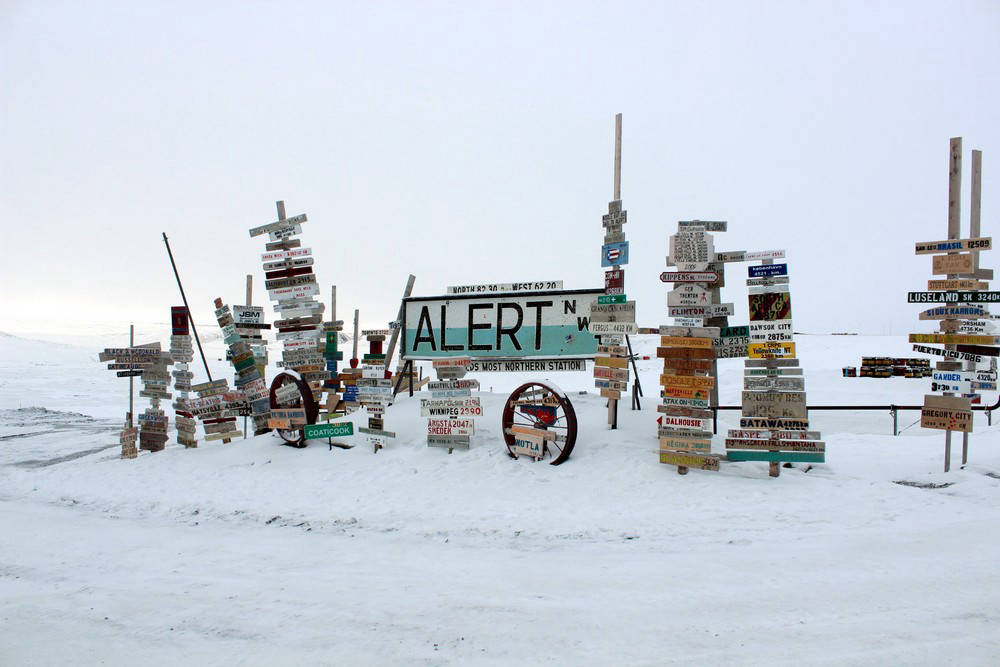
In Canada, there is a unique village called Alert – the northernmost inhabited place on Earth. The main obstacle for tourists trying to reach this location are the harsh weather conditions; Alert is only 817 kilometers away from the North Pole. Within this tiny village, there are several meteorological and research stations, and at any given time, no more than 10 people live there permanently. In addition to the local indigenous inhabitants, 5 meteorologists and around 70 military personnel who serve at the local base also reside here.
The nearest populated area in Canada to Alert is the city of Edmonton, which is approximately 3,578 kilometers away. Almost throughout the year, this remote region experiences severe winters; February is considered the coldest month, with an average air temperature of -33.4 degrees Celsius. Positive temperatures only occur for two months each year: July and August.
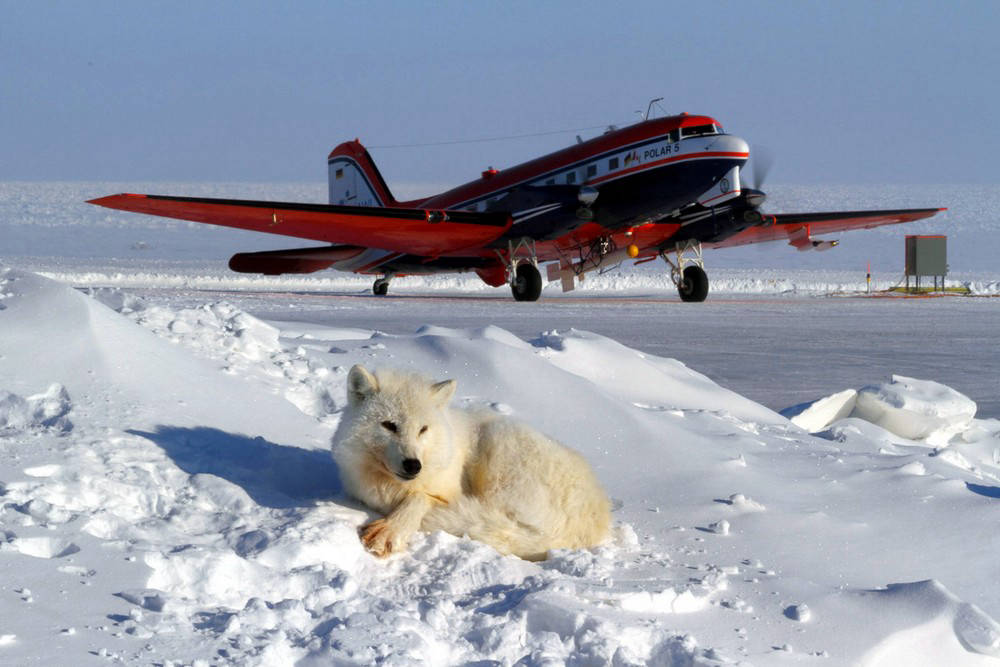
The settlement of Alert was established in 1950, and eight years later, a military base was set up on its territory. This remote corner of the planet mainly attracts enthusiasts of extreme activities and tourists who wish to experience the local wildlife. In the summer months, Alert is particularly beautiful, with a wide range of hiking options nearby. In winter, visitors can spot polar wolves and other animals that have long adapted to the harsh climate conditions.
Tristan da Cunha Archipelago, United Kingdom
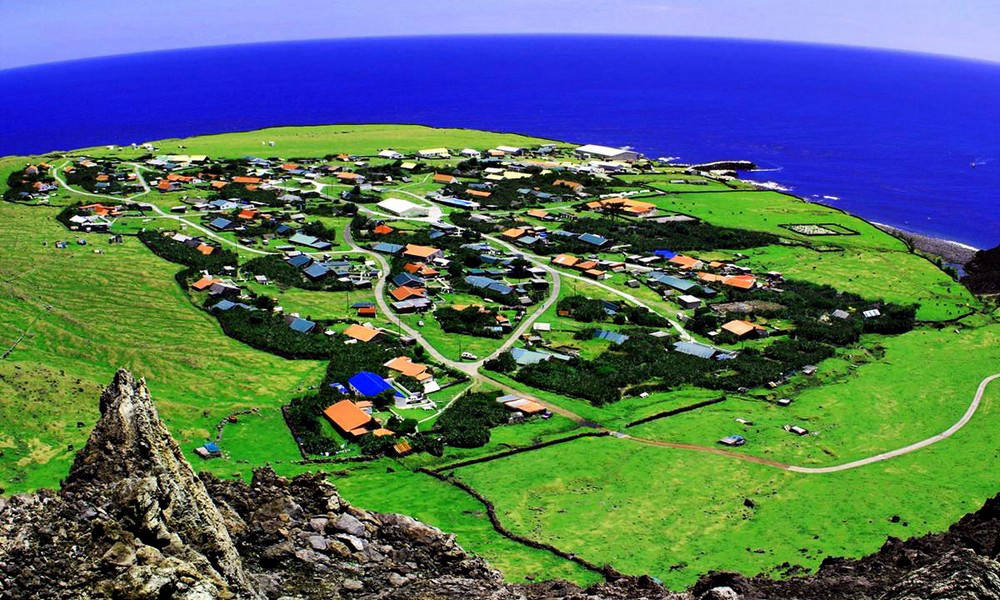
Reaching the Tristan da Cunha Archipelago is not easy either; it is the most remote inhabited archipelago on Earth. Located in the southern Atlantic Ocean, it is separated from the coast of South Africa by 2,816 kilometers. The largest island of the archipelago is home to about 300 people and covers an area of 98 square kilometers. Interestingly, there is no airport on the archipelago, so access is possible only by sea.
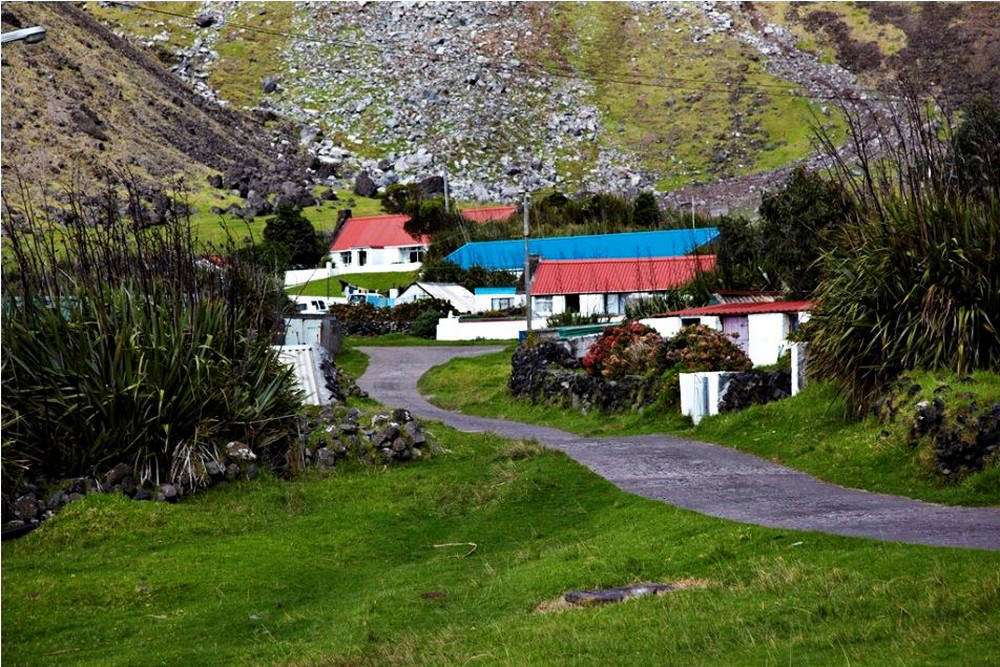
The archipelago is of volcanic origin and is believed to have formed around 1 million years ago. Its main attraction lies in its unique natural environment, home to rare birds and insects. There are no mammals on these islands, but the number of rare species of birds and endemic plants is astonishing. Here, you can also find the smallest non-flying bird on Earth—the Tristan da Cunha reed warbler.
The archipelago was named after the Portuguese explorer Tristan da Cunha, who was the first to sail near the coast of one of its northern islands in 1506. The first settlers arrived on the central island in 1816; among them were citizens from Scotland and Ireland, as well as several immigrants from Italy, the Netherlands, and America. Today, permanent settlements exist only on the central island, which shares the same name as the archipelago. The other islands are home to research and meteorological bases.
Boe Island, Norway
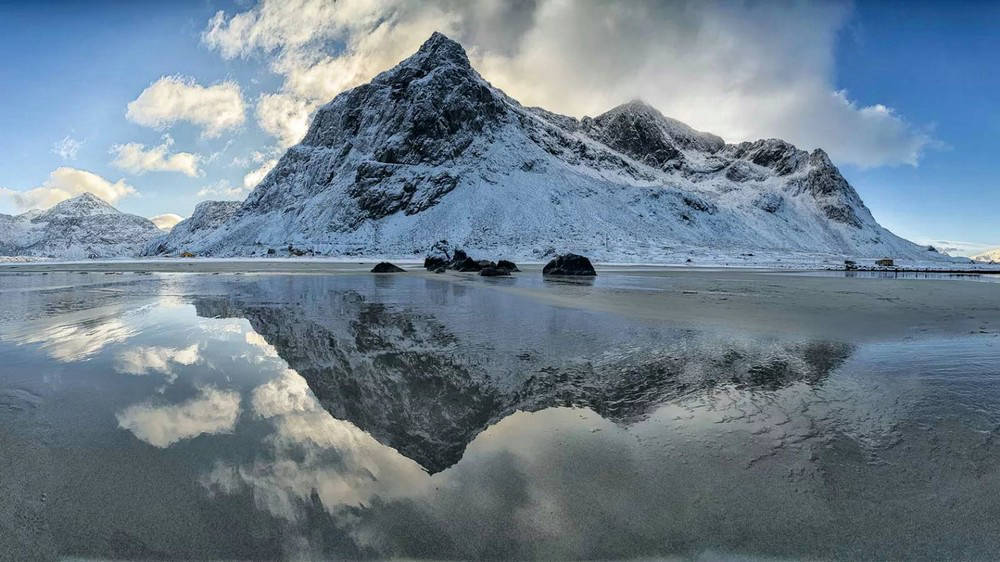
In the southern Atlantic Ocean lies another fascinating remote island: Boe. It was discovered in 1739 by the French explorer Jean-Baptiste Charles Boe de La Rozière. Since 1928, this difficult-to-reach island has been part of Norway. This incredibly beautiful, snow-covered island is virtually entirely covered by glaciers and remains uninhabited.
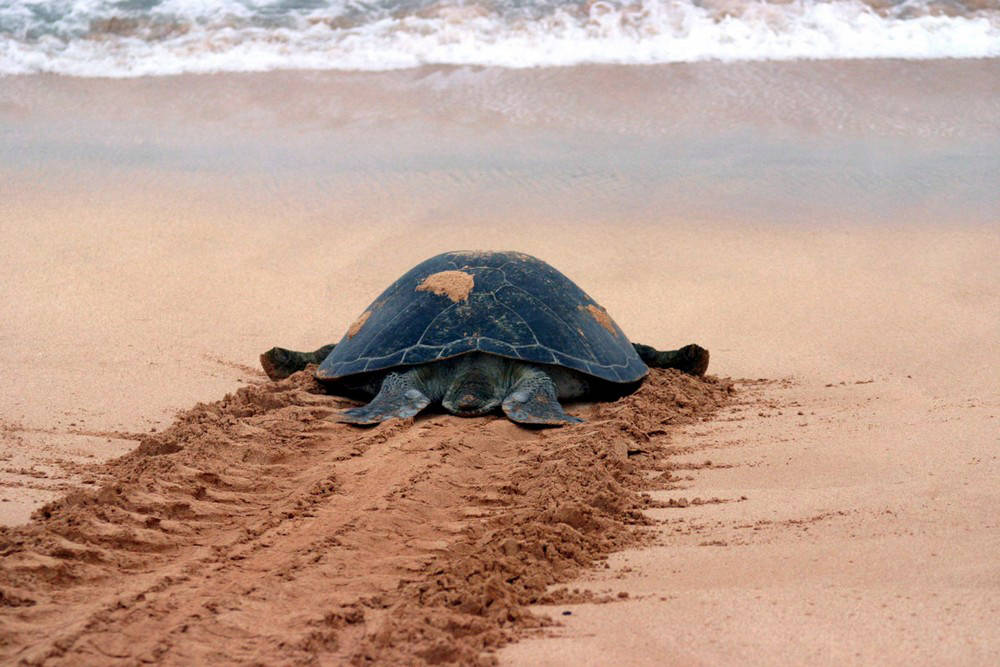
According to scientists, the island formed approximately 2,000 years ago as a result of the eruption of a shield volcano. unofficial reports suggest that in the second half of the 20th century, Boe Island was used for nuclear weapons testing. Today, a meteorological station operated automatically operates on the island. The nearest landmass is Antarctica, which is less than 1,600 kilometers away from Boe. The closest populated area is Cape Town, located about 2,500 kilometers from the island.
Access to the island is possible only as part of an organized expedition, as its exploration has been greatly hindered since its discovery. Icebergs prevent landings on the island throughout the year, so many researchers prefer to reach it by helicopter. The unique island of Bouvet is well-known among fans of the science fiction film “Alien vs. Predator.” Although the filming took place on a completely different island, this particular one is mentioned in the movie.
Nemo’s Point
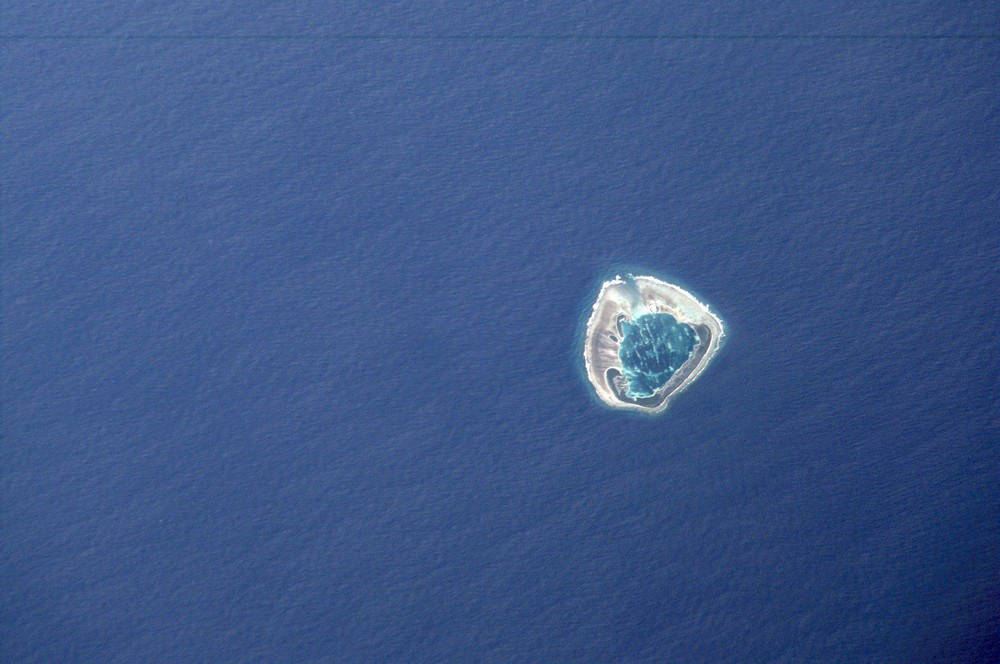
In the Pacific Ocean lies one of the most iconic and fascinating places on Earth—the so-called Nemo’s Point, an oceanic pole. It is separated from the nearest land by 2,688 kilometers and was named after the main character of Jules Verne’s famous novel. This remote oceanic pole is often referred to as the “pole of inaccessibility” because it is extremely difficult to reach due to its distance from major transportation routes.
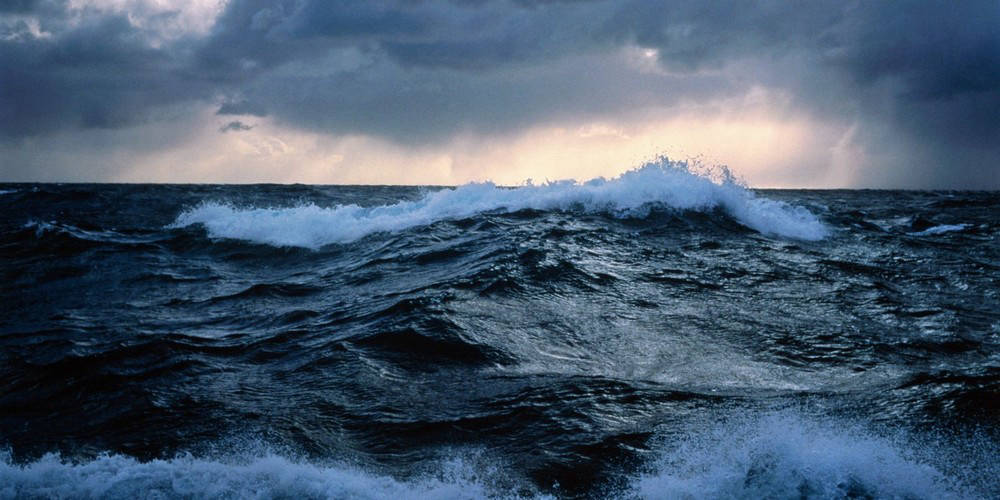
Geographically, Nemo’s Point is of particular interest to travelers who consider it an honor to navigate this iconic stretch of the endless ocean. In its simplest terms, Nemo’s Point is the farthest point from land in the world’s oceans. Reaching it allows one to truly feel alone. There are also many fascinating scientific facts associated with this oceanic pole of inaccessibility.
Many scientists believe that if one stands at the Nemo Point at a certain time of day and looks up carefully at the sky, it is possible to see the International Space Station. This is because the distance between the ISS’s orbit and Nemo Point is optimal, amounting to approximately 400 kilometers. For many years now, the Oceanic Pole of Inaccessibility has been a must-visit destination for numerous sailing races, as well as ordinary travelers who wish to cross this iconic spot in the world’s oceans.
Tau Tona Mine, South Africa
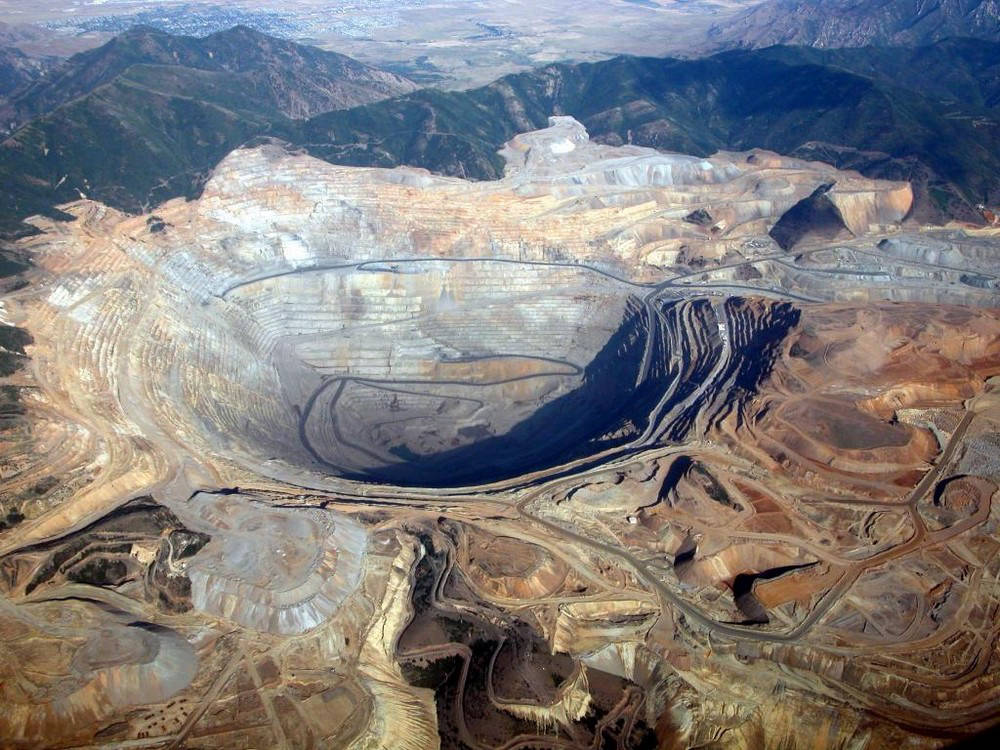
Some of the most difficult-to-reach locations on Earth can be found deep beneath the surface, where human efforts have played a direct role in their formation. Over the past few years, the Tau Tona Mine, located in the vicinity of Johannesburg, has become a world-famous attraction. It is the largest mine on Earth. The extreme difficulty of accessing this mine is not only due to its great depth but also because the temperatures inside the tunnels that extend far into the earth are extremely high.
Tourists are only allowed to visit the upper levels of the mine; descending to its deepest areas without specialized equipment is life-threatening. The shafts of this gold mine reach a depth of 5,000 meters. In the African dialect, the name “Tau Tona” means “Great Lion.” To ensure the successful operation of the mine, a very unusual cooling system was developed.
An industrial complex dedicated to ice production has been established on the surface. Through specialized pipelines, ice is transported down into the mine, where it helps reduce the temperature in the deepest areas of the shaft to 28 degrees Celsius. Without such measures, the temperature would exceed 40 degrees Celsius, making the working conditions extremely unbearable due to the high humidity. Thousands of workers descend into the Tautona mine every day, with some taking up to an hour to reach their work sites. Working in such a deep mine is extremely dangerous; on average, 5 people die each year as a result.
Crystal Cave, Mexico
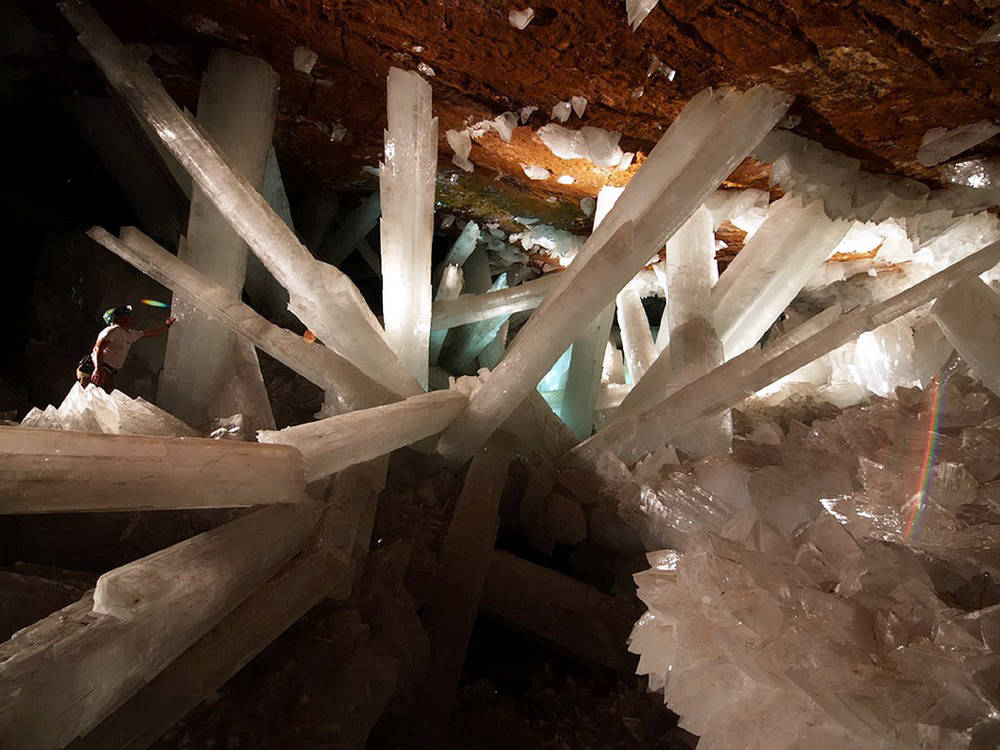
Another fascinating way to explore these remote underground attractions is to visit the Mexican city of Chihuahua and search for the Crystal Cave. It is the largest cave in the world and was discovered quite recently, in the year 2000. Its discoverers were ordinary miners who, while exploring the mine, stumbled upon this cavern filled with enormous, breathtakingly beautiful crystals.
However, visiting the cave is not easy despite its proximity to populated areas. The temperature inside is extremely high, reaching just below 60 degrees Celsius. Given that the humidity levels often reach 99%, it is impossible for an unprepared person to stay inside for more than a few minutes without special protective gear.
The most striking feature of this incredible cave are the enormous crystals, which make a person appear tiny in their presence. To some extent, the existence of these incredible mineral formations is due precisely to the unique climatic conditions inside the cave. The largest crystal found so far measures approximately 11 meters in length and 4 meters in width. Since its discovery, this cave has attracted great interest from biological researchers, who are trying to locate ancient microorganisms within the cavities of these crystals.
Mount Everest, Nepal – China
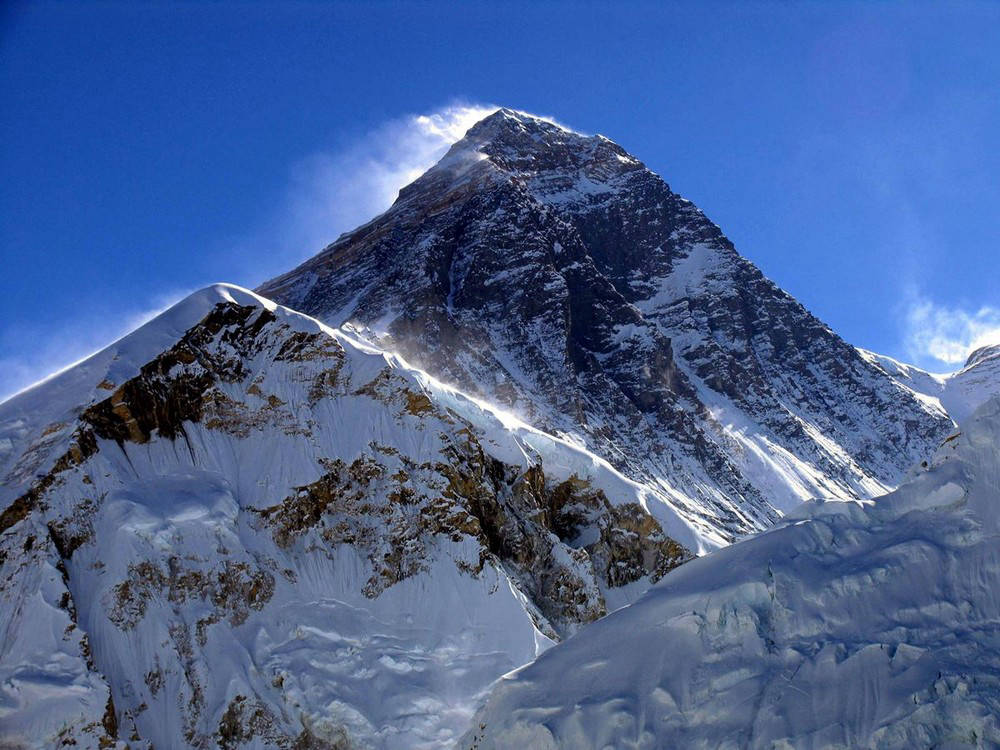
Many consider the summit of Mount Everest to be the most inaccessibly located spot on Earth, and it is indeed a site of global significance. This highest mountain in the world, situated on the border between Nepal and China, soars 8,848 meters into the sky. Only the most experienced and courageous mountaineers succeed in conquering it. The first successful ascent of Mount Everest took place in 1953, and to this day, less than 4,000 people have managed to reach its summit.
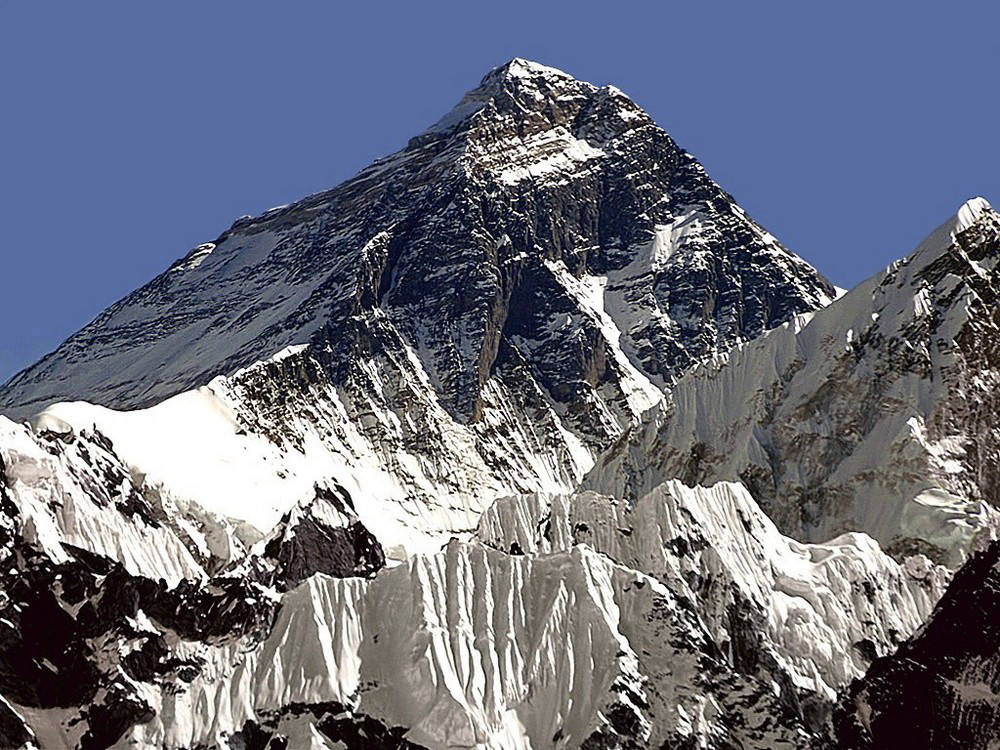
Its immense height and extremely harsh climatic conditions make Mount Everest the most difficult place on Earth to reach. At night, temperatures at the summit often drop below -60 degrees Celsius, and wind speeds in this mountainous region can reach up to 55 meters per second. According to statistics, one in ten people who attempt to climb Mount Everest dies. In fact, over the course of mountaineering history, approximately 300 people have lost their lives in the Everest region.
The thin atmosphere and low oxygen levels significantly complicate the process of climbing a mountain, forcing climbers to use oxygen tanks. Typically, ascending Mount Everest takes around two months; attempting to climb faster is dangerous and even for experienced athletes, acclimatization is essential. Intense winds, extreme cold, extremely low oxygen levels in the air, and steep, vertical cliffs are just some of the many challenges faced during an attempt to conquer Everest.
Cape York Peninsula, Australia
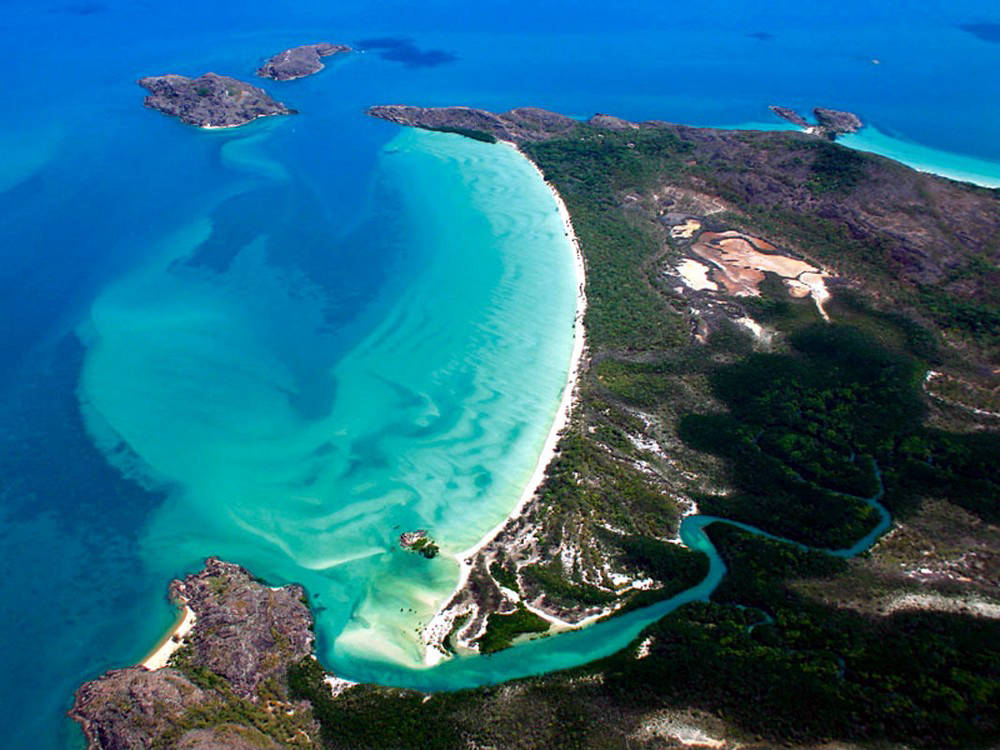
The Australian continent also boasts numerous remote and difficult-to-reach areas, one of which is the Cape York Peninsula. Located in the northern part of Australia, it is home to approximately 18,000 local indigenous people who have managed to preserve their culture despite centuries of contact with civilization.
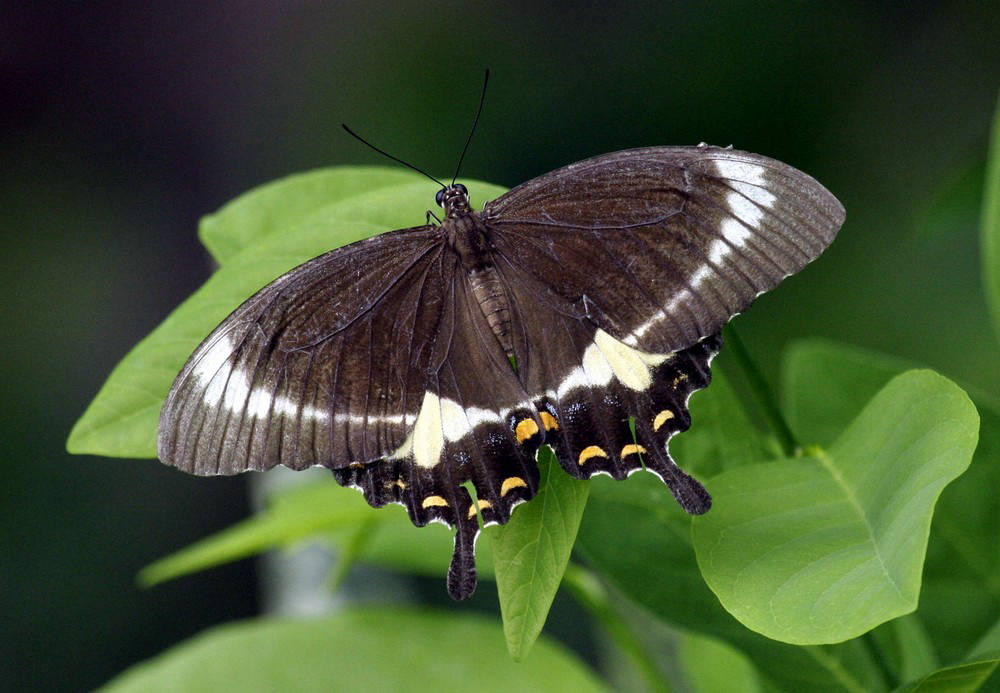
While some coastal communities are easily accessible, many remote villages located inland are exceedingly difficult to reach. During the rainy season, it is practically impossible to reach them by road, so helicopter tours are often organized for tourists. One of the greatest treasures of this remote region is its dense tropical rainforests, which are home to numerous unique plant species and rare birds and insects.
The peninsula is quite large, with a length of approximately 600 km and a total area of 137,000 square kilometers. On this relatively small area, more than 700 species of terrestrial vertebrates and over 3,000 plant species live, including around 260 endemic species. Travelers planning to visit Cape York Peninsula should check in advance when the rainy season begins, otherwise they may encounter only muddy roads on their journey.
La Rinconada, Peru
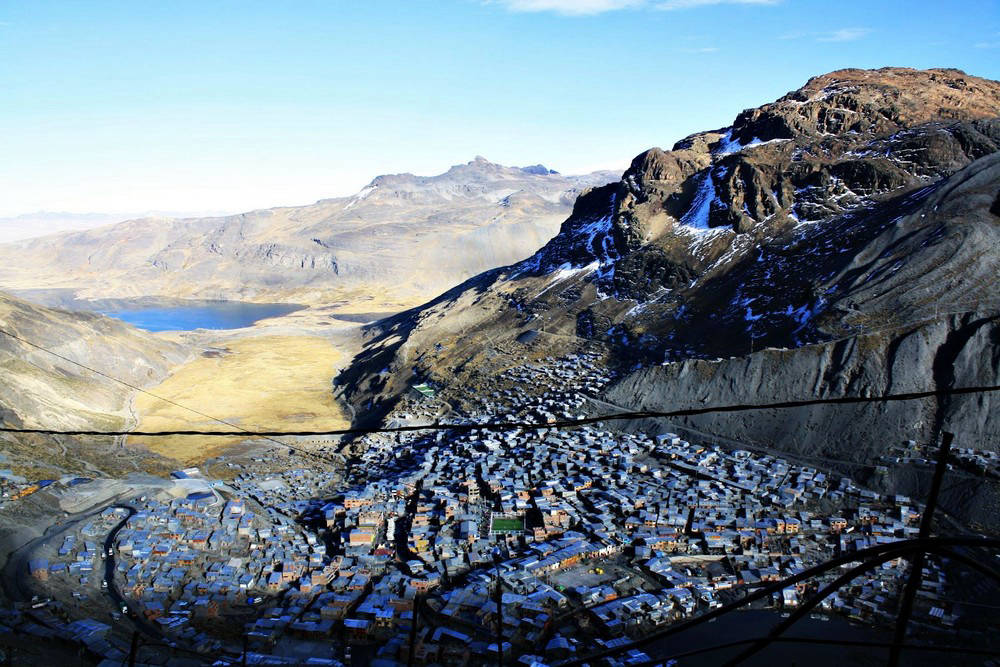
One of the most difficult-to-reach places on Earth can be found in South America, where, amidst stunning mountain landscapes, lies the small mining town of La Rinconada. Established in the Peruvian Andes, it is located at an altitude of 5,180 meters above sea level, making it the highest-altitude city in the world. The only road leading to this town passes through extremely difficult terrain, and for much of the year, it is covered with ice.
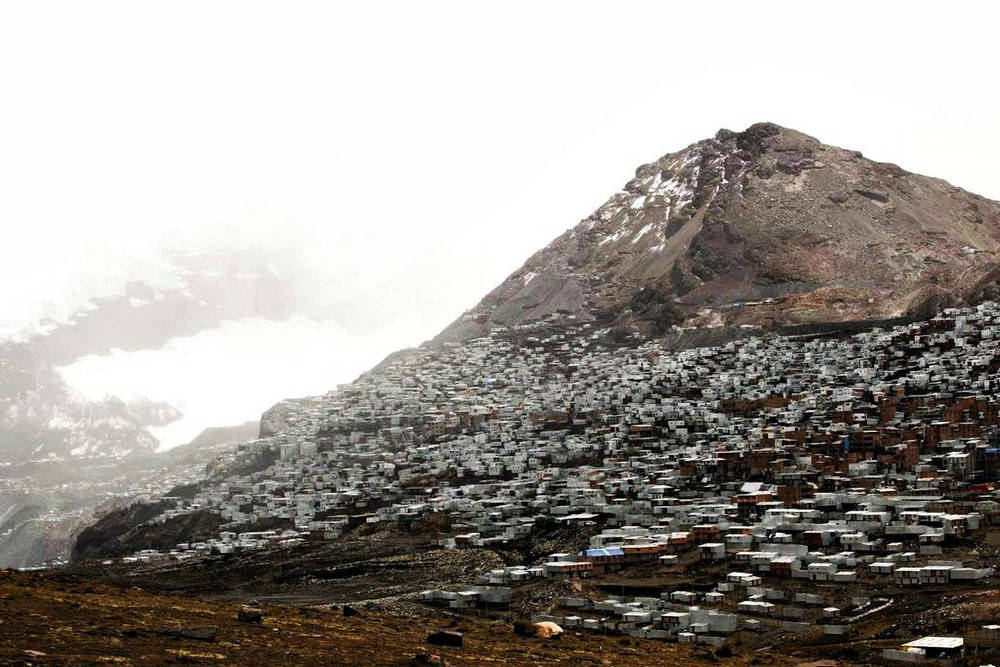
The thin atmosphere also makes the conditions extremely difficult for unprepared individuals. The mountain climate can pose a serious health risk to those who are not acclimated to it. Nevertheless, around 50,000 people live here permanently, with most of them being miners working in the local gold mines. Despite its remote location, La Rinconada has a rather poor environmental situation.
The cause of this is industrial and domestic waste; the city virtually lacks a proper sewer system. Industrial waste literally fills the streets, and the amount of waste continues to increase year by year. Over the years, La Rinconada has gained a reputation as a place for desperate people who come here with their last hope of getting rich. Many work in the mines for free, but once a month, they are allowed to take all the gold they have mined that day.
Motuo District, China
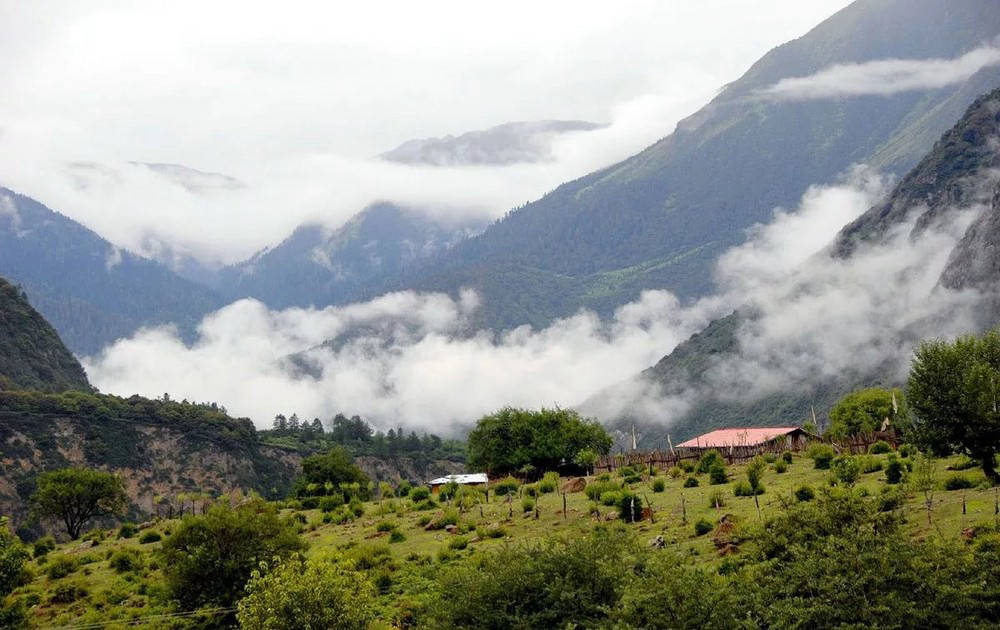
In China, one of the most inaccessible areas is Motuo District, located amidst the Tibetan mountains. To reach this beautiful and fascinating place, one must endure a difficult journey along treacherous mountain roads covered with permafrost, and in the final stage of the trip, cross a 200-meter-long suspension bridge that sways back and forth. For many years, these areas have been sacred to Buddhists, and Motuo District is famous for its breathtakingly beautiful landscapes.
Many incredible stories are associated with these places. According to one of them, these magnificent areas are protected from outsiders by supernatural forces. Over the years, the Chinese authorities have repeatedly attempted to connect this remote mountain region to nearby settlements and build a safe road there, but all these efforts have ended in failure. Every time, heavy rains, mudslides, and other natural disasters prevented the builders from completing their plans. It was not until the 1990s that another attempt to build a road was finally successful.
The road existed for only a few days before it was destroyed by natural forces. Within a few years, the sections of the road that remained were overgrown with forest. Any travelers who chose to undertake this difficult journey and see these incredibly beautiful places would face numerous obstacles. They would have to cross nine rivers, several snow-capped mountains, and forests inhabited by poisonous insects. However, the rewards for their efforts would be breathtakingly beautiful mountain landscapes. The best time to visit these areas is from June to October.
Wulingyuan Mountains, China
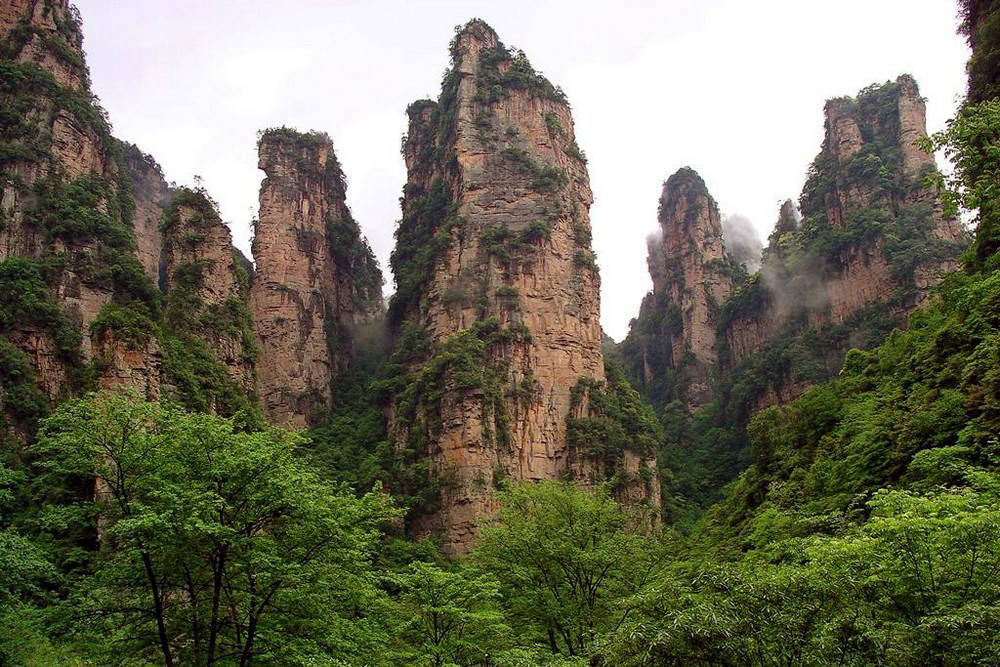
There is also another place in China that deserves attention from adventure seekers – the Wulingyuan Mountains. This mountain region, located near the city of Changsha, is considered one of the most beautiful places on Earth, but seeing it is not easy. What makes this area so unique is its extraordinary formations of sandstone, which resemble huge columns. In total, there are around 3,000 such columns in the Wulingyuan area, and together with the impenetrable mountain forests, they create a truly unique landscape.
This special mountain region covers a large area, approximately 369 square kilometers. Scientists believe that the long-term erosion and weathering of sandstone have contributed to the formation of these unique rock formations. Travelers who are interested in seeing these breathtakingly beautiful landscapes have several interesting hiking trails available to them, as well as several cable cars. To access this fascinating area, one must be prepared for a dangerous and arduous journey along narrow mountain paths.
Lechugia Cave, USA
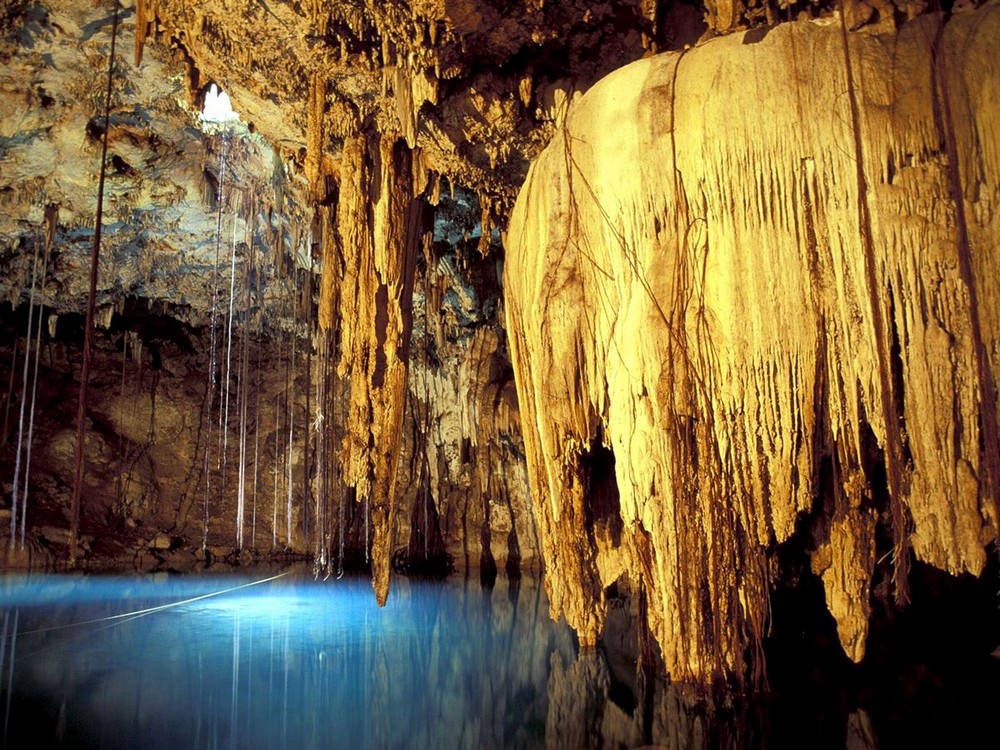
When traveling across the United States, it is worth visiting the Lechuga Cave, which is considered one of the most inaccessible places in the country. This incredible natural wonder is located within the "Carlsbad Caverns" national park and is regarded as one of the longest caves in the world – its length exceeds 222 kilometers. The main attraction of Lechuga Cave is its incredibly beautiful crystal formations, which attract thousands of researchers and scientists from around the world.
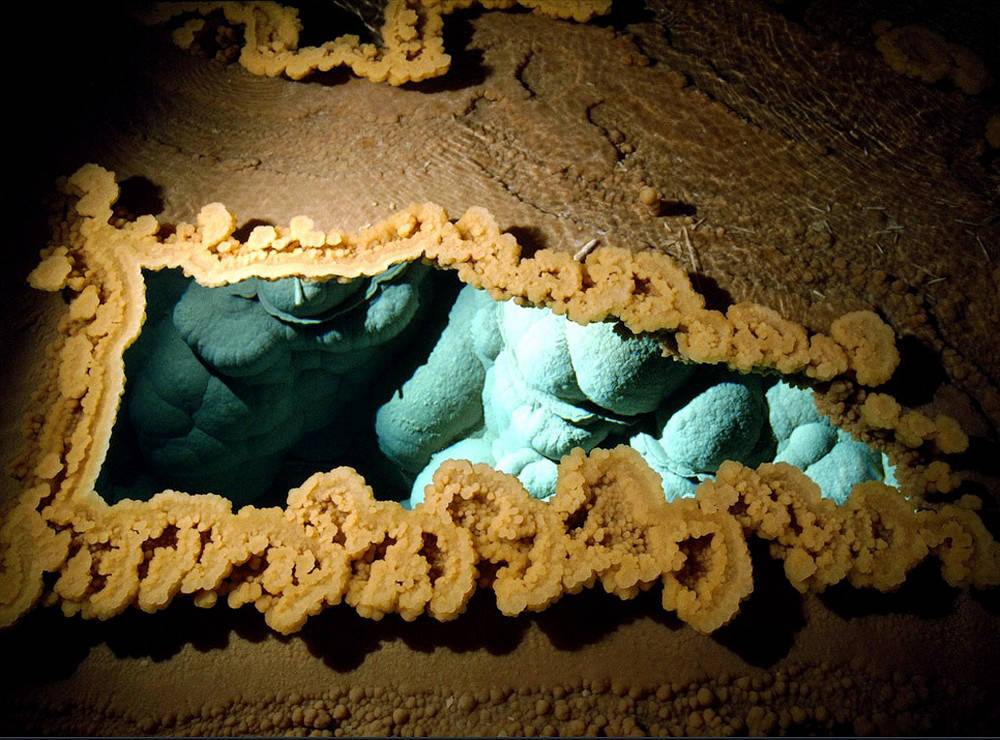
Until 1986, the existence of the largest and deepest cave in the United States was unknown. The entrance to the cave, known as "Misery Hole," was discovered much earlier, in 1914, and it was initially considered a relatively small pit 25 meters deep. In 1986, new branches of the cave were discovered during excavations, and currently the maximum depth of these branches has been measured at 489 meters.
The cave is closed to the public for free access, and its location is kept strictly confidential. Only specialized research groups are allowed to view the mineral formations inside the cave. In 2007, as an exception, a filming team from the BBC was granted permission to enter the cave. Within the national park where the cave is located, interesting tour tours are organized for tourists. If it is not possible to visit the actual cave, a walk around this remarkable natural attraction will still be an impressive experience.
North Sentinel Island, India
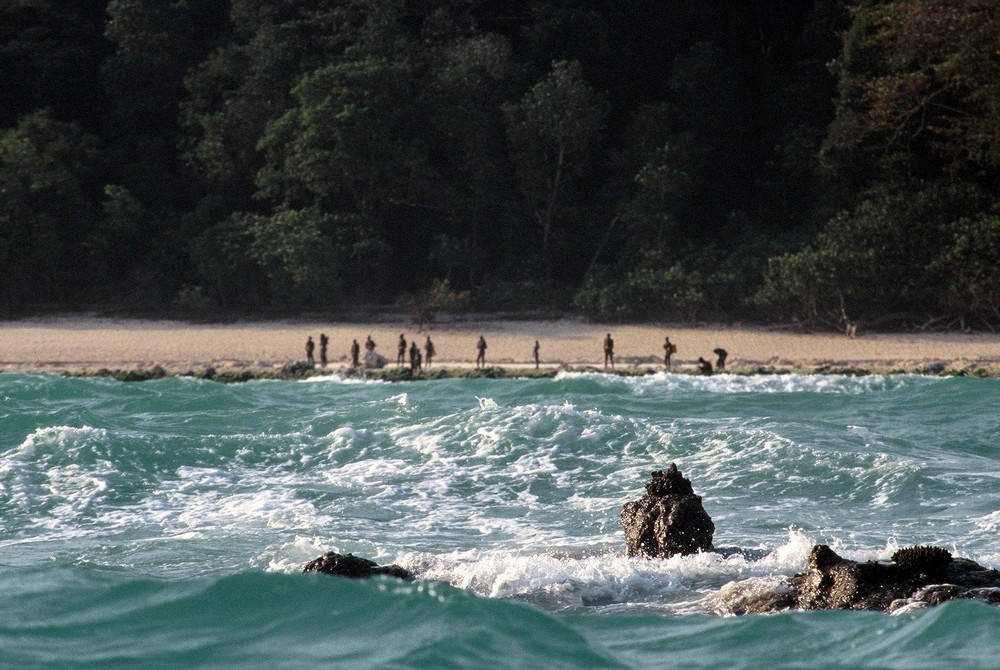
There is a remarkable place in the world that, for decades, has truly remained untouched by human feet – North Sentinel Island. This island is located in the Bay of Bengal and officially belongs to India, but in fact, it is a completely isolated territory. Logically, reaching this island should not be particularly difficult; it can be accessed both by water and by air.
However, attempting to land on the island is still impossible, as all “uninvited guests” are met by a warlike indigenous tribe. Approaching the island too closely is life-threatening; overly curious explorers risk being struck by poisonous arrows or darts. Despite its relative accessibility, North Sentinel Island remains one of the least studied areas on Earth.
To this day, it is still unknown how many people live there, and the culture and customs of this aggressive tribe remain largely unexplored. For over 20 years, North Sentinel Island has been a closed-off territory; one can only view it during helicopter tours. The indigenous people also detest air invasions and always attempt to shoot down the helicopters with their arrows.
Ise-jingū Shrine, Japan
Another truly unique place is the Ise-jingū Shrine, located in Japan, within the city of Ise. It is the central Shinto shrine of the country and has stood in its current location for over 2,000 years. Reaching this sacred site is not easy; the tiny town of Ise is situated far from major population centers, and it is approximately 300 kilometers away from the capital.
For patient travelers who have gone through such a difficult journey to reach this city, entering the temple’s grounds will still be impossible, as it is strictly off-limits to the general public. For thousands of years, since its establishment, only members of the imperial family and priests have been allowed to enter this sacred site. Ordinary visitors are not permitted to enter the temple. The only thing tourists can hope for is the chance to admire this unique shrine from a distance.
The temple itself is quite modest in appearance; it is made of wood and lacks any distinctive decorative elements. It is located within the picturesque Ise-Shima National Park, which, unlike the temple, is open to the public. Within the park, visitors can find many unique historical sites and enjoy the beauty of the local landscape, as well as see rare plants. Followers of Shintoism consider these areas sacred, and for centuries, many pilgrimage paths have run through the park.