Taj Mahal: a masterpiece of the Great Moghul dynasty on the verge of destruction
Taj Mahal is one of the most visited tourist sites not only in India but also in the world. Created in the XVII century, the mausoleum is an architectural masterpiece of the era of the Great Moguls, the embodiment of love and sorrow. Despite all the efforts of the leadership of India, aimed at maintaining and restoring the monument.
The Taj Mahal complex is gradually being destroyed, and recently discovered facts make one seriously think about the future of this mausoleum.
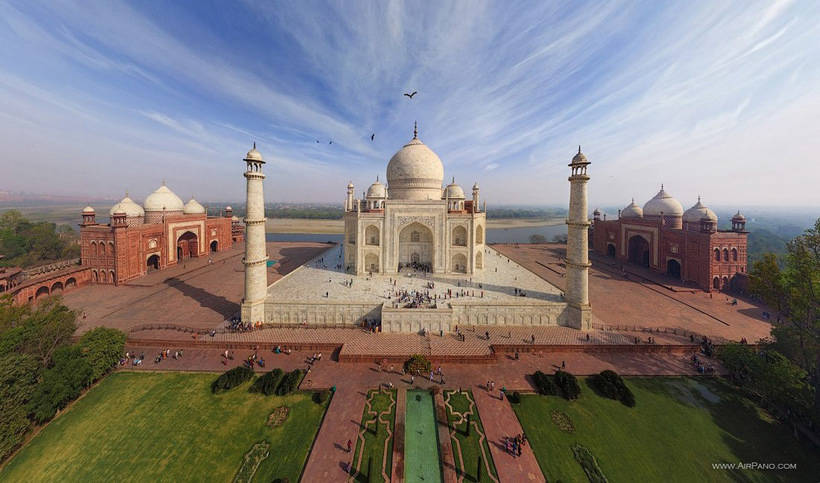
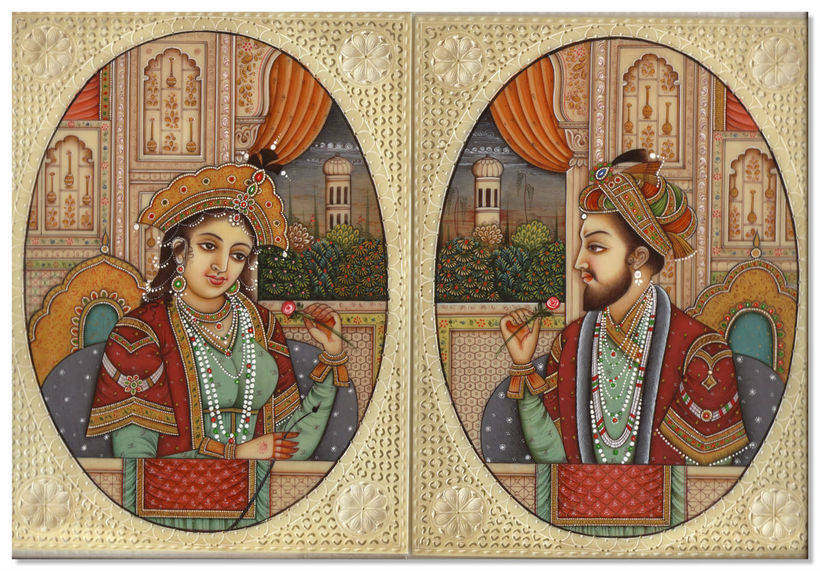
The mausoleum of the Taj Mahal is located in the northern part of India, in the city of Agra. It was built by order of the Padishah Shah Jahan in memory of his deceased wife Mumtaz-Mahal. The construction began in 1632 and ended in 1653. The Padishah belonged to the Great Mogul dynasty, who led their descent from the famous Tamerlane.
This unique architectural monument harmoniously combines several styles: Arabic, Indian, Persian. Taj Mahal is an outstanding construction of the Mughal dynasty and is rightfully considered to be the "pearl of the Muslim art of India".
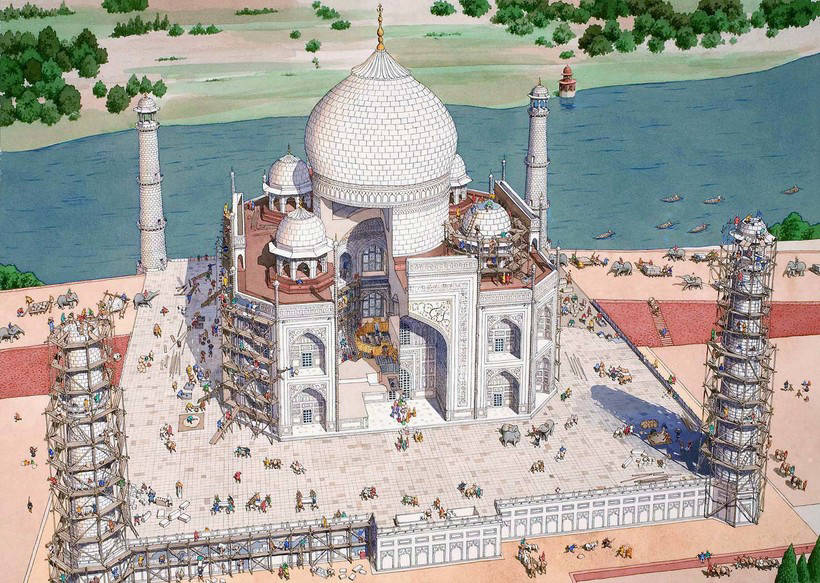
Historians are inclined to think that the architect of the Taj Mahal was Isa Mohammed Efendi, who was of Turkish origin. Construction of the mausoleum was led by several outstanding architects of the time, while the king himself constantly controlled the process. According to the testimonies of contemporaries, more than 20,000 workers took part in the construction. Inside the mausoleum itself are two tombs: a padishah and his wife.
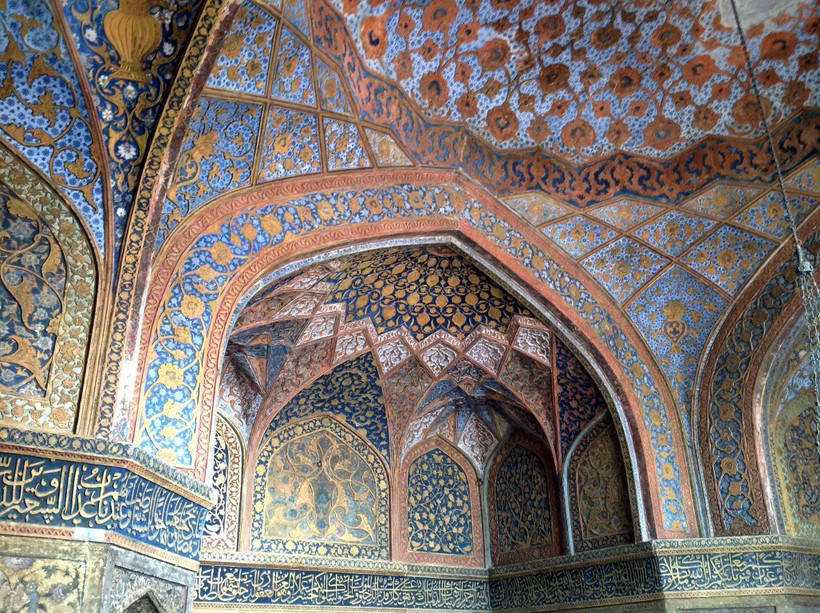
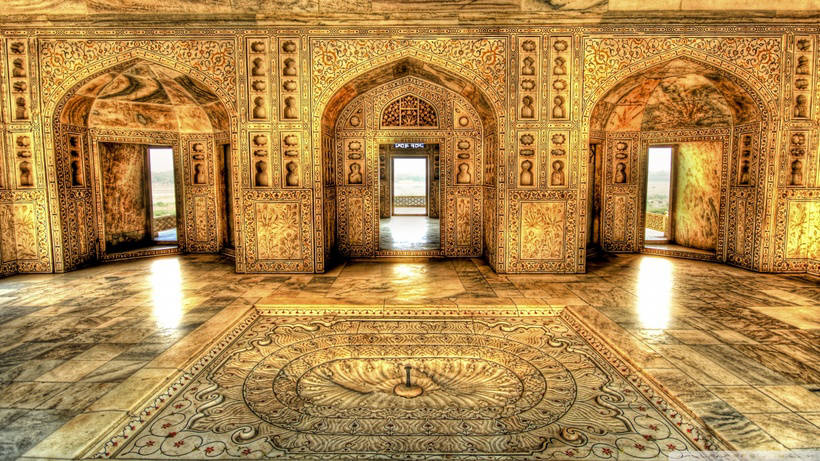
The interior decoration of the Taj Mahal impresses with its splendor. The walls, lined with special translucent marble, are decorated with adorable ornaments and are inlaid with semi-precious stones.
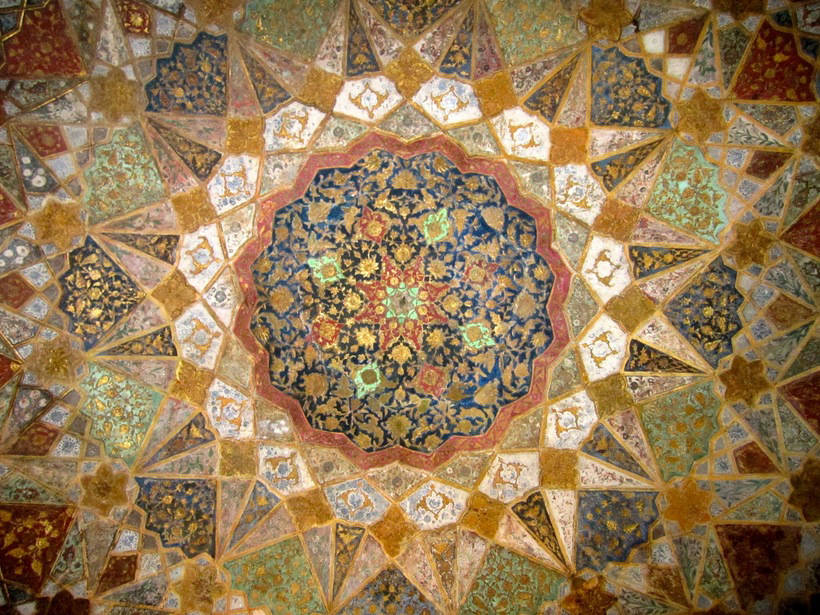
No less interesting is the external design of the complex. The dome and the walls of the Taj Mahal are faced with white marble, which changes color depending on the time of day. On a sunny day, it is dazzlingly white, in the rays of sunset its surface is painted in crimson tones, and at night it reflects the silvery light of the moon and looks just magical.
Concern for the safety of the complex is manifested at the highest level. Taj Mahal, due to its unique architectural and cultural significance, was listed as a World Heritage Site by UNESCO and brings a considerable income to the country, as the complex is visited by tens of thousands of tourists annually. The famous temple can not be reached by car: the transport will have to be left in a special parking lot and walk on foot. This is done so that the exhaust gases do not have a negative effect on the structure. In addition, the country's leadership has even closed a number of particularly dirty industrial enterprises of Agra, so that they do not spoil the shining whiteness of the Taj Mahal with their emissions into the atmosphere. As experts note, pollutants still settle on the surface of the complex and it must be cleaned regularly. It is also noteworthy that the Taj Mahal is forbidden to fly airplanes.
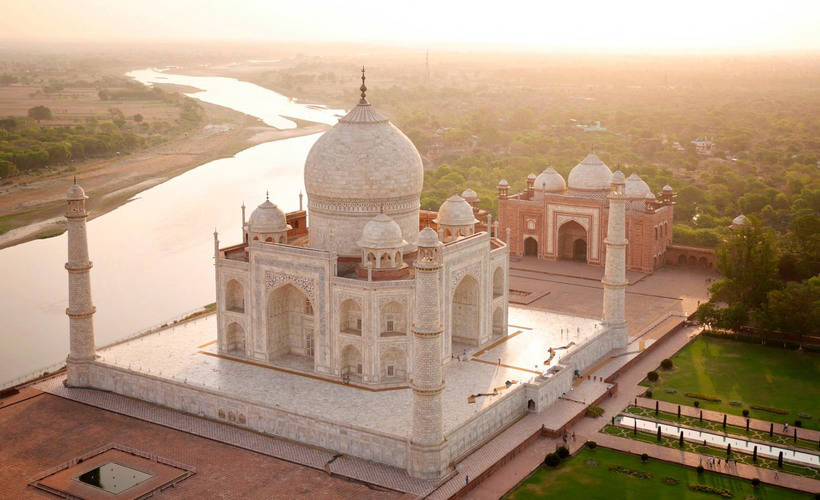
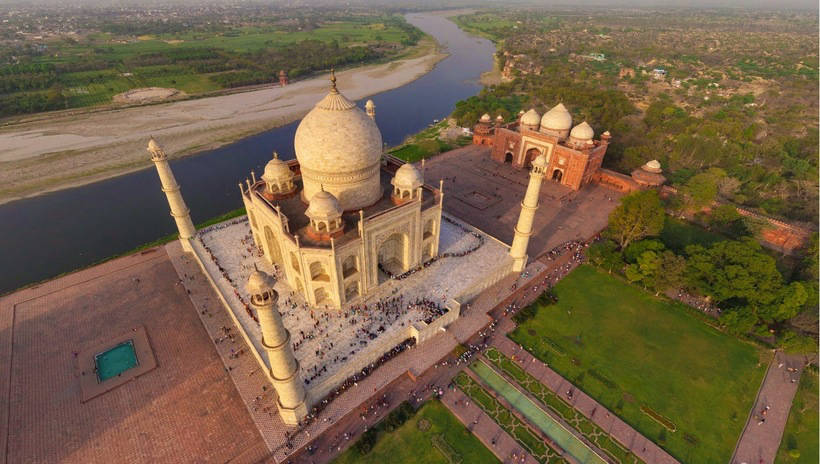
But the yellowing of marble and the settling of dust - this is not the worst thing that the management of the complex cares today. Not so long ago, in the walls of the Taj Mahal, cracks were found. With a detailed survey, scientists managed to establish that the reason for this is most likely the shallowing of the Jamna River, which flows nearby. The fact is that in this region of India in recent years there has been a distinct tendency of climate aridization: precipitation is decreasing, and droughts are becoming more protracted. Melting river led to a change in the structure of the soil and subsidence of the soil. Experts do not know how to stop this process, so the well-being of the Taj Mahal causes serious concern for scientists and the public.
Find the Best Professionals for Your Project
Expert repair, construction, and renovation specialists ready to help you right now
Recommended articles
More articles:
 Kalashi is a mysterious people living in the mountains of Pakistan
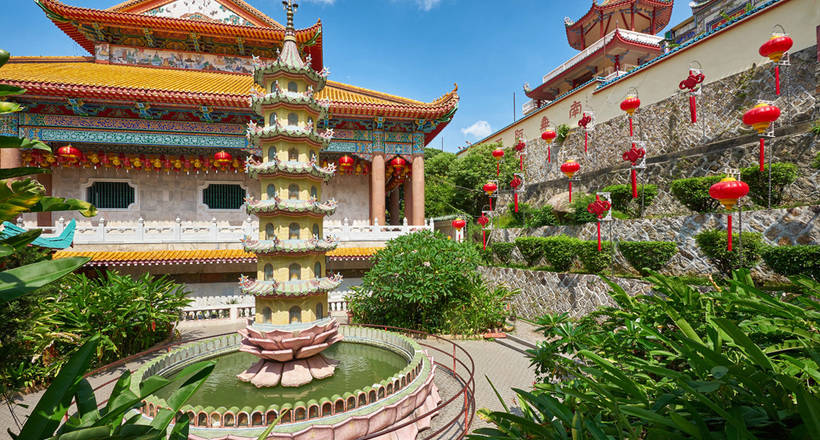 Traveling in Malaysia - tips for tourists
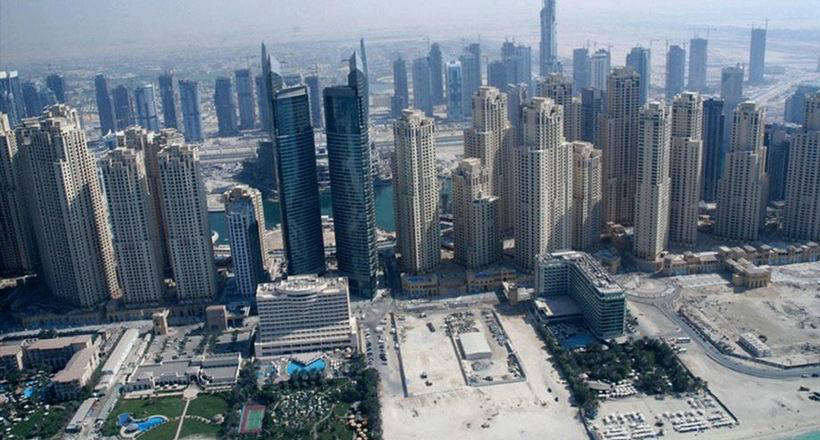 Another Dubai: 9 abandoned places that guides in the UAE will not show to you
 20 best drone photos of 2017 by Dronestagram
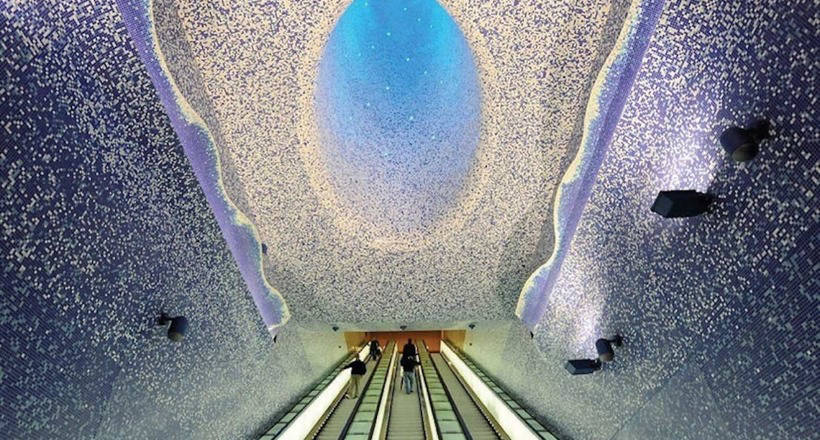 10 delightful metro stations similar to underground museums
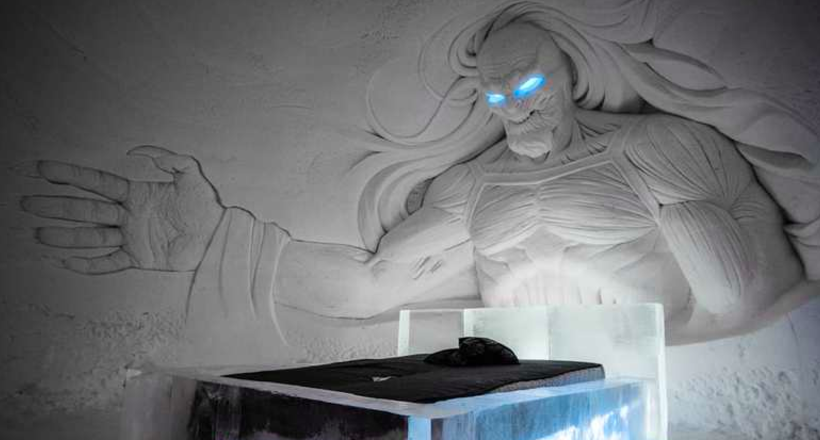 In Lapland, an ice hotel opened in the style of Games of Thrones
 Fantastic works of 11 photographers who won the Hasselblad Masters Awards 2018
 32 travels across Europe, which every person must make in his life