Sights of Truskavets
Articles
Let’s get to know Ukraine!

Sights of Truskavets

If you think that the sights of Truskavets are limited to the famous mineral water of Naftusya, then you are deeply mistaken, because both in the vicinity of this glorious resort, and in the city itself also have something to see.

#

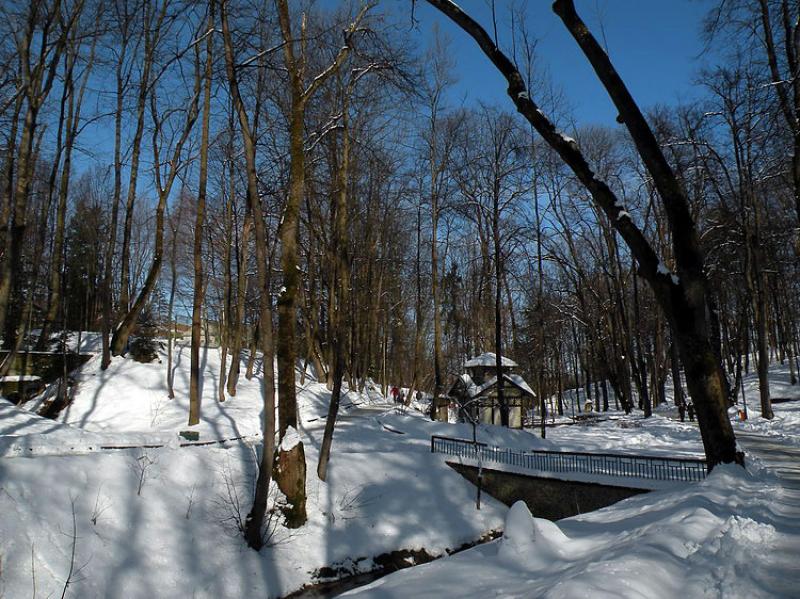
The center of the resort zone is the Central pump-room of mineral waters.The alleys leading through the park on the hills, where there are 3 more healing springs, as well as the very first summer pavilion for water intake, begin. In addition to the characteristic plants for this area, in the park you can find exotic species: Weymouth pine, catalpa, boxwood, silver maple, acetic tree, etc.

Museum of the Truskavets resortis located in the center of the city in the villa "Sariusz", which is an architectural monument of the beginning of the 20th century. XX century. The museum has been functioning since 1982. In 7 rooms there are exhibited historical documents, as well as household items of the foothills of the Carpathians (boycocks), which give an idea of ​​the history of the region from ancient times to the present day. Undoubtedly, attracts the attention placed in the last hall of the museum, the model of the resort city, which helps visitors to see at once the whole of Truskavets.

The Art Museum, dedicated to the work of the outstanding master of folk-applied art of Mikhail Bilas, was created in 1992 during the artist's lifetime. Occupies the premises of the elegant wooden villa "Gopljana", built in 1928 and executed in the Polish national Zakopane style. Once it was the summer residence of the mayor of the resort R. Yarosh. Bilas became famous as a master of textile plastics, figurative expressive toys, author of unsurpassed plot panels and applications. In the exposition there are unique carpets, tapestries, bedspreads, rushnyk in modern style with bright folklore motifs created in a single copy.

The Diocesan Museum in Truskavetswas created on October 11, 1998. One of its founders was Dr. Roman Smyk, nephew of the writer Bogdan Lepky, who received secondary education in Ukrainian gymnasiums in Berezhany and in Stanislav (now Ivano-Frankivsk), and received his medical education at the universities of Krakow and Berlin. It was Roman Smyk who gave the collection of materials about Joseph the Blind, which became the basis for the creation of the museum. Today, the exposition of the museum gives an opportunity to learn about the history of the Sambir-Drogobych diocese, about the life and activities of prominent figures of the Ukrainian Greek Catholic Church, such as Archbishop Josaphat Kuntsevich, Metropolitan Andrey Sheptytsky, Patriarch Iosif Slepoi, and also to see one of the exhibitions of sacral art. p>

The fortress of Tustan in the vicinity of Truskavetsalso attracts the constant attention of tourists. The western outpost of Kievan Rus is Tustan fortress, built in the 8th century. In the XI-XIII centuries it was part of the unified system of the Carpathian line of defense of the Galicia Principality and served as a customs point on the salt way from Drohobych to Europe. Here, looking narrowly, you can see his legendary face in the rock of Dovbush. Dovbush - the leader of the people's movement, hiding in the mountains, leaving the memory of his exploits the Carpathian people. And so that memory can not be erased by time, a museum is also open here, where you can get a lot of useful information.
The heart of the resort area is the Central Mineral Water Dispenser. From here, paths lead through the park on the hills to three more therapeutic springs and the first summer pavilion for drinking water. In addition to the plants typical of this region, the park also features exotic species such as the Monterey pine, catalpa trees, holly, silver maple, oak tree, and others.

The Truskavets Resort Museum is located in the center of the town, in the "Sariusz" villa, which is a historic architectural landmark from the early 20th century. The museum has been open since 1982 and displays historical documents and everyday items from the lives of the people living in the Carpathian foothills (the Boykov region). These artifacts provide insight into the region's history from ancient times to the present day. Notably, the last room of the museum features a model of the entire resort town, which helps visitors visualize the entire area of Truskavets.

The Art Museum, dedicated to the works of the renowned folk artist Mikhail Bilas, was established in 1992 during his lifetime. It is located in the elegant "Gopliana" wooden villa, built in 1928 in the traditional Polish Zakopane style. This villa was once the summer residence of the resort town's mayor, R. Yarosh. Bilas became famous for his expertise in textile art, expressive toys, and innovative storyboards and appliques. The exhibition showcases unique pieces created in limited editions, such as one-of-a-kind carpets, tapestries, blankets, and towels with vibrant folk motifs.

The Diocesan Museum in Truskaviec was established on October 11, 1998. One of its founders was Dr. Roman Smyk, nephew of the writer Bohdan Lepkyi. Bohdan Lepkyi received his secondary education in Ukrainian gymnasia in Berzhany and Stanislav (now Ivano-Frankivsk), while his medical education was earned at universities in Krakow and Berlin. It was Dr. Roman Smyk who provided the collection of materials about Joseph the Blind that formed the basis for the museum’s establishment. Today, the museum’s exhibits allow visitors to learn about the history of the Sambor-Drohobych Diocese, as well as the lives and achievements of notable figures in the Ukrainian Greek Catholic Church, such as Archbishop Josafat Kuntsevich, Metropolitan Andrei Sheptitskyi, and Patriarch Joseph the Blind. Visitors can also view exhibits featuring sacred art.

\"\"

The fortress of Tustan near Truskaviec also attracts numerous tourists every year. Built in the 8th century, this western outpost of Kievan Rus’ served as a customs checkpoint on the salt trade route from Drohobych to Europe. During the 11th to 13th centuries, it was part of the Carpathian defense system of the Galician principality. Visitors can also observe the legendary face of Dovbush in the rocks of the Dovbush Mountains. Dovbush was a leader of a folk rebellion who hid in the mountains, leaving behind a legacy of heroism for the Carpathian people. To preserve this memory, a museum has been established at the site, providing valuable information about this historic region.

Recommended articles

Find the Best Professionals for Your Project

Expert repair, construction, and renovation specialists ready to help you right now