Albaicín, Granada: Wanderings through the Labyrinth of Moorish Andalusia
History and Context: The Moorish Heart That Stopped in Time
Albaicín is the oldest district of Granada, originating on the opposite slope of the Alhambra palace as early as the 10th century. Its name comes from the Arabic “al-bayyāzīn,” meaning merchants. When the Catholic kings conquered the city in 1492, Albaicín became the last refuge for Muslims—those who refused or were unable to flee to North Africa.
During the Spanish Inquisition, the district underwent extensive renovations: mosques were converted into churches, and hammams were buried underground. However, the street layout, architectural design, and the spirit of the place remained distinctly Arab. It’s like a puzzle made up of two distinct eras, where Catholic and Moorish elements are so intertwined that they cannot be separated. In 1994, UNESCO added Albaicín to its World Heritage List, and since then, the district has been protected from large-scale commercialization.
Today, Albaicín is a place for those who want to experience how real people lived in medieval Granada, rather than just taking selfies at tourist attractions.
How to Get There: Practical Routes
Granada has a compact city center, but public transportation operates in its own way. The city has no subway; only buses are available, so keep this in mind when planning your trip.
From the Estación de Granada train station: Take bus No. 3 or No. 33 directly to the foot of Albaicín (stop: Plaza Nueva). Travel time is approximately 20–25 minutes, and the fare is 1.40 EUR (available at tobacco shops or kiosks). A one-day pass costs 5 EUR.
From the Granada-Jaén airport: First, take the Alsa bus No. 297 to the city center (30 minutes, 3 EUR), and then continue on bus No. 3 to Albaicín. Alternatively, you can take a taxi directly (25–30 EUR).
From the city center (Plaza Nueva):** This is the main starting point for all routes to Albaicín. It’s only a 15-minute walk from the cathedral, but the road climbs uphill. If you prefer, buses No. 31 and No. 32 connect the city center with the outskirts of Albaicín.
Top Tip: It’s best to enter Albaycin from Plaza Nueva {GOOGLE=37.1759,−3.5981} and walk uphill along the path that leads to the hill. You can exit through the northern border of the area, reaching the Mirador San Nicolás viewpoint, or walk back down. This is a natural route that avoids the crowds of tourist groups.What to See: Attractions and Routes Without Common Mistakes
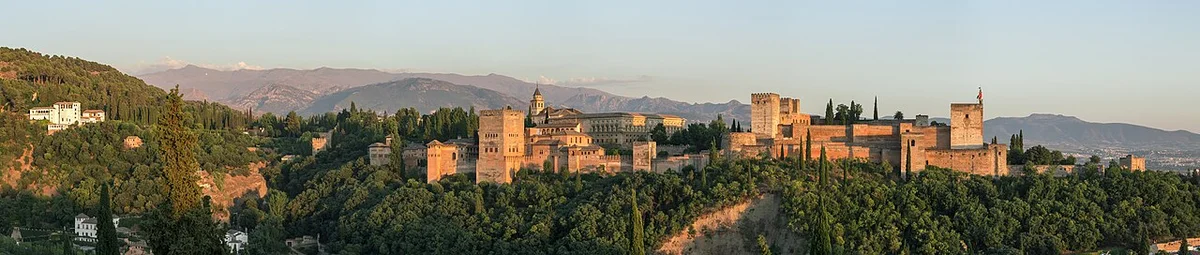
Mirador San Nicolás (Saint Nicholas Viewpoint) {GOOGLE=37.1863,−3.5863} is more than just a viewpoint; it’s a must-see attraction for every tourist. The view of the Alhambra against the backdrop of the Sierra Nevada is exactly what you see on those tourist brochures. Come here at sunset (19:00-20:00 in summer), but note that from April to October, the area turns into a market with musicians and souvenir vendors. It’s better to visit in the morning at 8:00 or in the afternoon at 17:00 in winter. Admission is free.
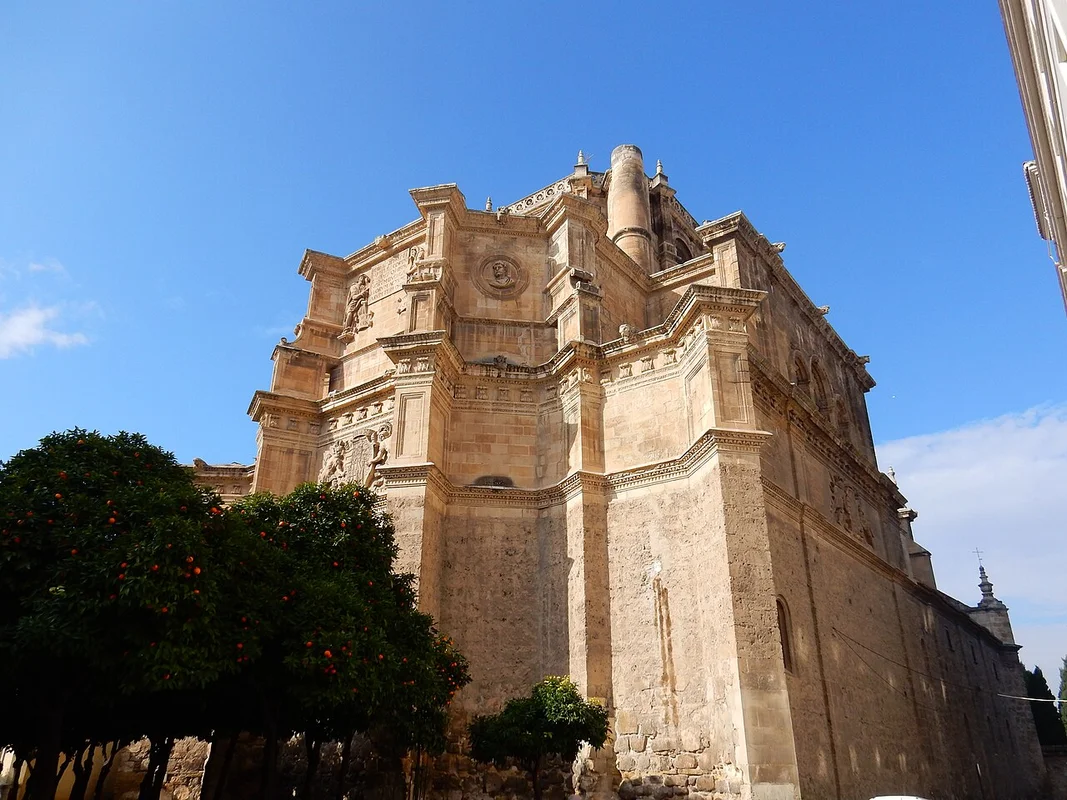
Iglesia de San Andrés (Church of Saint Andrew) {GOOGLE=37.1802,−3.5961} is one of the oldest churches in Albaycin, built in the 16th century on the site of an old mosque. The facade features beautiful arched entrances, and inside, Spanish Baroque architecture is built upon Moorish foundations. Hours: Mon-Thurs 8:00-19:30, Fri-Sun 8:00-20:00. Admission is free, but a donation of 1-2 EUR is appreciated.
Convento de Santa Isabel la Real {GOOGLE=37.1799,−3.5842} is a 16th-century convent with an inner courtyard that preserves elements of Moorish architecture. From the northern terrace, you enjoy stunning views of the city. Hours: Mon-Thurs 14:30-17:30 (hours may vary, please check in advance). Admission fee: 2-3 EUR.
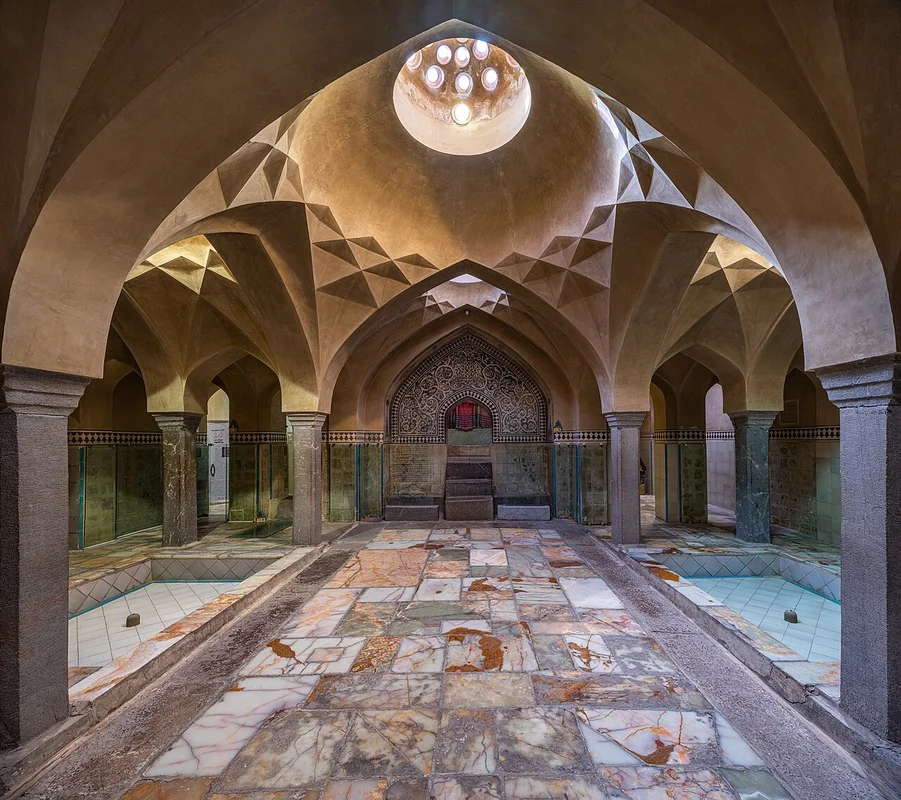
Hammam Al Andalus (Arabic Bath) {GOOGLE=37.1788,−3.5898} — the only still-operating medieval bath in the city. It’s not a museum but a fully functional hammam with hot water, eucalyptus, and clay masks. A 90-minute session costs 35-40 EUR, with an additional 25 EUR for massage. Open daily from 10:00 AM to 11:30 PM. Book in advance through hammammalandalus.com, especially during the peak season (May to September). Tip: Come on weekdays around 3:00 PM when it’s less crowded.Museo Arqueológico de Granada (Archaeological Museum) {GOOGLE=37.1787,−3.5874} — located in the Castillo de Castil (16th century), this museum showcases the prehistory, Moorish period, and Spanish Reconquista through artifacts. Hours: Tuesdays to Sundays 9:00 AM to 8:00 PM, Mondays 9:00 AM to 2:30 PM (closed on Mondays in summer). Admission is 1.50 EUR; free on cultural days. Spend 1.5-2 hours here if you want a deeper understanding of the region’s history.
Cuesta de Gomérez and Calderería Nueva {GOOGLE=37.1748,−3.5959} — these are not individual attractions but a route to explore. Cuesta Gomérez rises from Plaza Nueva and offers typical Albaicín scenery: whitewashed walls, potted plants, cats on steps, and musicians under the arches. Calderería Nueva runs through this area from north to south and is considered the most atmospheric street. Along the way, you’ll find teterías serving mint tea and traditional sweets for 2-3 EUR. Visit around 4:00 PM when the sun casts warm light on the buildings.
Puerta de Elvira (Elvira Gate) {GOOGLE=37.1721,−3.5917} — one of the surviving medieval gates from the Moorish era. This imposing red structure features a narrow passageway, designed precisely for controlling crowds. Admission is free; there are street cafes outside.
Practical Information: When, How Long, What to Bring
When to go:** April–May and September–October are the ideal months. The temperature ranges from 20–25°C, the sun is not too intense, and the crowds of tourists are manageable. In July–August, temperatures soar to +35–40°C; narrow streets become unbearable, and German tourists often form long lines. December–February are cooler (10–15°C), and it often rains, but the area looks even more beautiful when wet. It’s best to avoid visiting during Christmas and Easter (+300% increase in tourists).Opening hours of the area:** Albaicín is not a museum; it operates on its own schedule. Shops are open Monday–Friday from 10:00–14:00 and 17:00–20:30, while others are closed. Cafés are open Monday–Friday from 9:00–23:00. Churches are usually open from 8:00–19:00. Nightlife starts around 21:00 and continues until late at night, but the noise comes from the streets, not the bars.
Prices of main attractions:**
• Church entrances: free or 3 EUR
• Hammam Al Andalus (90 minutes): 35–40 EUR
• Archaeology Museum: 1.50 EUR
• Lunch at a local tavern: 10–15 EUR (for a full meal)
• Tea with pastries at a teahouse: 2–3 EUR
• Ice cream from Alpujarreño: 3–4 EUR
How to spend the day:** Arrive around 8:00 in the morning when it’s still cool and less crowded. Head straight to Mirador San Nicolás and enjoy some coffee (the café opens at 8:30). Then take your time exploring the side streets. Have lunch at a cafe with a view between 13:30–14:30. Take a 15:00–17:00 afternoon break, like all Spaniards do. In the evening (18:00–21:00), go for another walk, watch the sunset, and have dinner. This way, you’ll get to see the area at its best.
Tips for tourists: practical advice and common mistakes
What to bring and wear:**
- • Comfortable walking shoes are essential—pebbles, steps, and steep ascents mean that high heels or new sneakers will definitely cause blisters by 4 PM. Sneakers, flip-flops, or sandals with Velcro straps work well, but be sure to bring some foot cream.
• Sunscreen with an SPF of 50+—the sun in Granada is intense, even in March.
• A light layer of clothing (a windbreaker or cardigan) is necessary—even in summer, the narrow streets can get cool at night without direct sunlight.
• A backpack (10–15 liters)—tourist shops may carry them, but it’s more convenient to carry your own.• Water (1.5 liters)—a bottle costs around 1.5–2 EUR; water fountains are available throughout the area.
What to avoid:
• Don’t carry expensive jewelry or electronics in visible places. Pickpocketing is a real issue in tourist areas. Keep a copy of your passport in different locations and keep the original in the hotel safe.
• Don’t enter shops if a seller approaches you from the street (“Madam, would you like to visit my shop?”). The prices there are usually 5 times higher, and the quality is questionable; moreover, they may try to charge extra for “help” with negotiations.
• Do not attempt to photograph locals, especially women wearing hijabs, without their permission. Albaicín is a multicultural area where Moroccans and Algerians also live, and they have a right to privacy.
• Do not walk alone in the alleys after 11 PM. The area becomes different after midnight—with local youth and parties—it can be uncomfortable for tourists.
Where to eat nearby (without typical tourist traps):
Bodegas Castañeda {GOOGLE=37.1776,−3.5996} — has been in business since 1887. It’s a genuine local wine shop that also serves snacks. Ham, cheese, olives, and a glass of wine cost around 8–10 EUR. Open Monday–Thursday 11:30–11:00 PM, Friday–Sunday 11:30–11:30 PM, and all day Saturday and Sunday.
Greens & Berries {GOOGLE=37.1783,−3.5885} — a vegan and organic café that collaborates with local farmers. Offers smoothies, salads, and raw food desserts. A cup of coffee with a pastry costs 5 EUR. Open Monday–Friday 9:00–7:30 PM, Saturday and Sunday 10:00–8:00 PM.
Casa Julio {GOOGLE=37.1795,−3.5873} — a tapas bar frequented by locals in Granada. You can get a plate (3 EUR) and fill it with dishes from the display area (each additional dish costs extra). You can also drink wine or beer there. Hours: 10:00–16:00 (with a break) and again from 19:00 to 23:30. Closed on weekends.
Tetería Bazar {GOOGLE=37.1761,−3.5908} — a classic Moroccan tea house with low tables, cushions, mint tea, and pastries. A cup of tea with a piece of pastry costs 2.50 EUR. The atmosphere is reminiscent of a kasbah. Hours: Monday–Thursday 11:00–23:00, Friday and weekends 11:00–24:00.
Final advice: Book a guesthouse (casa rural) directly in Albaycin, rather than in the city center. The area is much quieter and more authentic at night than during the day when tourists arrive. Airbnb prices range from 40 to 70 EUR for a two-person room. You’ll wake up to the sounds of Muslim prayers from the neighboring mosque, which has been converted into a cultural center, and walk along quiet streets free from tourists, getting a real sense of how life was in medieval Granada.

Find the Best Professionals for Your Project
Expert repair, construction, and renovation specialists ready to help you right now
Recommended articles
Sozopol: Tiles Roofs and the Island of Saint Ivan
Ropotamo: riverine lagoons, sand dunes, and a nature reserve by the sea near Primorsko
Thracian Tombs in Bulgaria: Alexandrovо, Kazanlыk, and the Secret Crypts Surrounding Sviilengrad
Rila: A trek around seven lakes, including a night stay in a mountain cabin.
More articles:
- Sozopol: Tiles Roofs and the Island of Saint Ivan
- Ropotamo: riverine lagoons, sand dunes, and a nature reserve by the sea near Primorsko
- Thracian Tombs in Bulgaria: Alexandrovо, Kazanlыk, and the Secret Crypts Surrounding Sviilengrad
- Rila: A trek around seven lakes, including a night stay in a mountain cabin.
 Bulgarian thermal resorts: Velingrad, Hisarya, and Sandanski – hot springs and spa facilities in the Balkans
 Kutna Hora: The Silver City and the Horrible Bone House – A Complete Guide for 2025
 Prague during the Soviet era: Žižkov, Stalin’s bunker, and its industrial heritage
 Maslenica in Český Krumlov: Baroque, Carnival, and Traditional Czech Sleds