White villages of Andalusia: Arcos, Grazalema, and Oñier – the magic of the Gibraltar triangle
History and Context: What Are the White Villages of Andalusia?
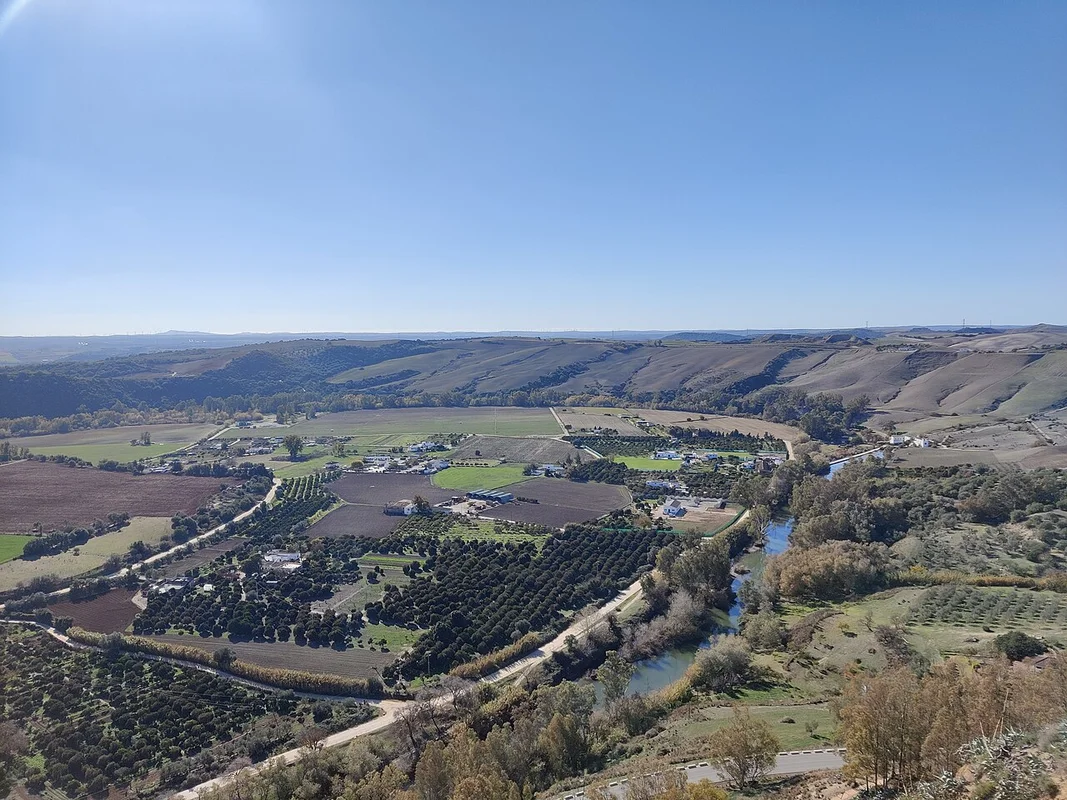
"Pueblos blancos" (white villages) are not a tourist brand but a genuine architectural tradition that arose out of practical needs. In the 15th century, when Spain was at war with the Moors, mountain settlements painted their houses white so that enemies could be spotted from afar more easily, facilitating defense. Later on, this white color also helped reflect the heat in the arid Sierra region. Today, there are over 30 such villages in the province of Cádiz, but three in particular—Arcos, Grazalema, and Oñero—have become iconic tourist destinations.
The route takes you through the rugged Serranía de Ronda, where you will encounter the true Andalusia: a land of harsh beauty, bitter wine, and spicy cuisine, far from the image of typical Spanish resorts.
How to Get to the White Villages
From Seville (the most convenient option): About 150 km by car, taking 2–2.5 hours. The main route is: Sevilla → Jerez de la Frontera (via A-4 highway, then A-383) → Arcos → Grazalema → Olvera. Driving is necessary as public transport is scarce and inconvenient.
Alternative options without a car: From Seville, take the Comes or Damas bus to Jerez (cost: 4–5 EUR, 1.5 hours), and then continue by local bus to Arcos (7–10 EUR, 1 hour). However, the schedules are highly unpredictable, similar to those of Spanish trains.
Recommendation: Rent a car in Seville (starting from around 25–30 EUR per day for small cars) or book a organized tour departing from Seville (40–60 EUR including a guide, but no lunch stops).
Route by car: Jerez → {GOOGLE=36.7406,-5.7629}Arcos de la Frontera (32 km, 40 minutes) → {GOOGLE=36.7639,-5.3936}Grazalema (45 km, 1 hour on winding roads) → {GOOGLE=37.2206,-5.2817}Olvera (30 km, 45 minutes) → back to Jerez (75 km, 1.5 hours). In total, it takes about one and a half days if you don’t rush.What to see in these white villages
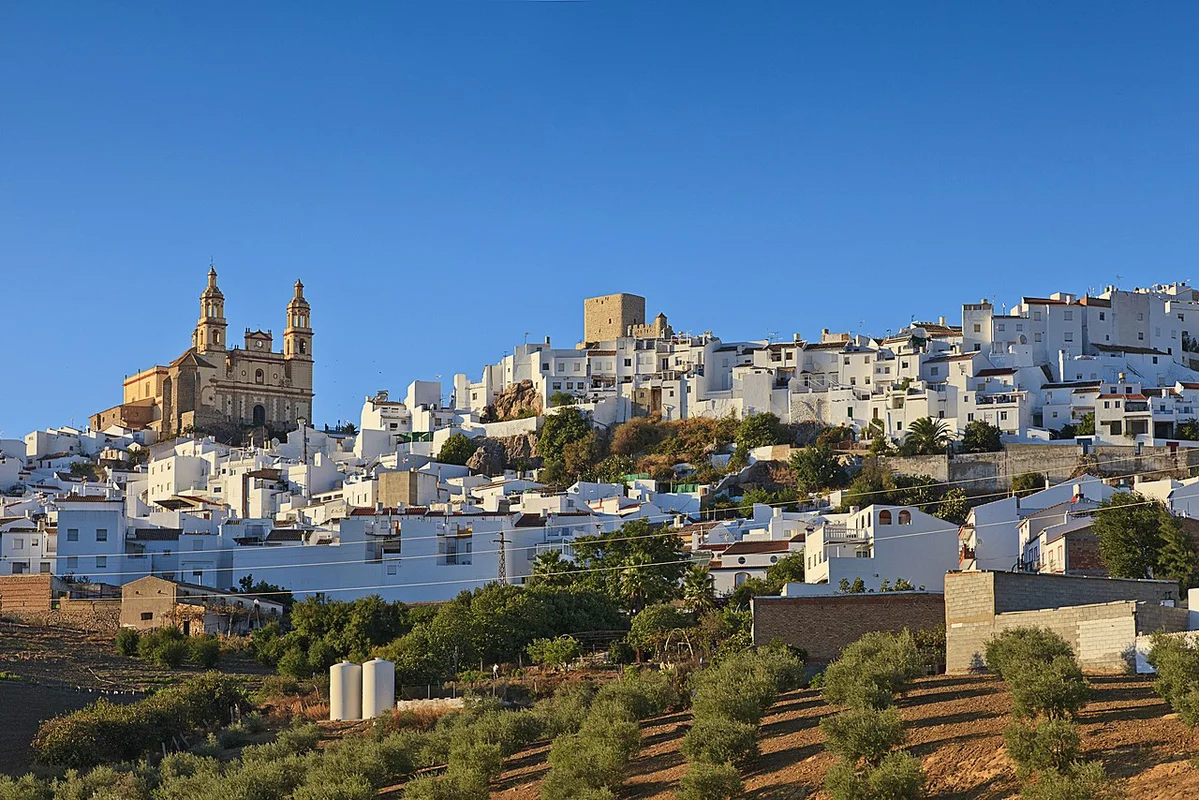
Arcos de la Frontera {GOOGLE=36.7406,-5.7629} is often called the “queen of white villages.” It’s not a traditional village but rather a rocky town perched above the Guadalete gorge. Drive through its labyrinthine, narrow streets—cars can barely fit there. The highlight is walking to the Cabildo Square (the main square of the old town); the view of the white houses descending hundreds of meters down the hill is absolutely stunning. The Santa María de la Asunción Church (16th century) is open from 10:00 AM to 1:00 PM and from 4:30 PM to 6:30 PM (entry fee: 2 EUR). The 13th-century castle, located on the edge of the cliff, is closed to visitors, but its exterior is worth photographing. It’s best to visit early in the morning (before 10:00 AM) when there are no tourist groups, or in the late afternoon (from 6:00 PM to 8:00 PM). Park your car in the upper parking lot (free but limited space); then walk down to explore the town.
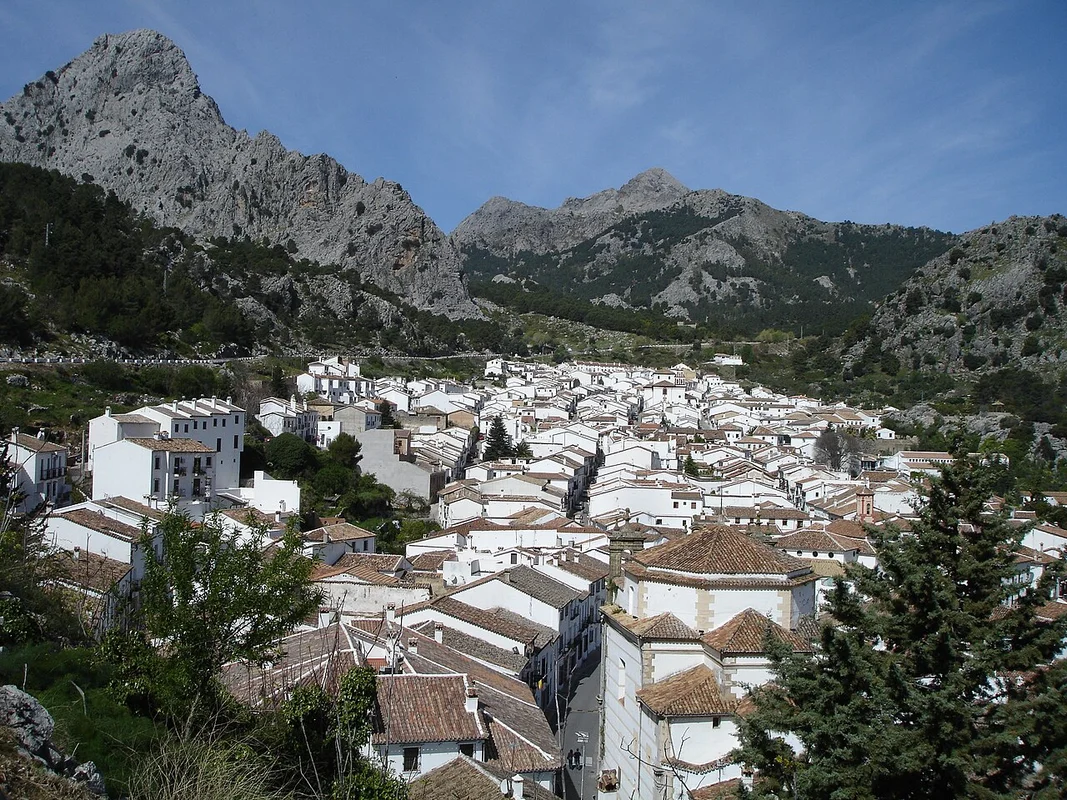
Grazalema {GOOGLE=36.7639,-5.3936} is a center for serious tourism. This small mountain town, with a population of 2,000 people, is popular for trekking and mountaineering. Statistically, it has the highest humidity in inland Spain; frequent fogs give the village a mystical atmosphere. The main street, Calle Mayor, is entirely white and lined with small restaurants and shops. Visit the local cheese cooperative (El Queso de Grazalema) to taste and buy this famous cheese (6–8 EUR per 200 grams). The Church of the Immaculate Conception (late 16th century) is only open during services. If you enjoy hiking, reserve a route to El Peñón—a rocky outcrop with views of the entire surrounding landscape; the round trip takes about 2 hours and is free of charge.Olvera {GOOGLE=37.2206,-5.2817} is the most peaceful and charming of the three towns. With a population of just 800 people, the Castillo de Olvera (13th century) stands above the village and is open to visitors (admission fee: 2 EUR; hours: Monday–Sunday 10:00–14:00 and 16:00–19:00). From the castle, you can enjoy views in all directions—mountains, olive groves, and white houses below. The entire village is a labyrinth of narrow streets; cows are more common than tourists here. The restaurant Casa Dani, located in the main square, serves the best salmorecho (Andalusian soup) in the region.
Practical Information
Opening Hours of Major Attractions:
- Arcos, Church of Santa María: 10:00–13:00, 16:30–18:30 (Tues–Sat); daily 10:00–13:00. Admission fee: 2 EUR.
- Olvera, Castle: 10:00–14:00, 16:00–19:00 (daily during high season; may be closed on Mondays during low season). Admission fee: 2 EUR.
Prices and Tickets: Entrance to castles and churches costs 2-3 EUR per site. Grazalema cheese is available for 6-8 EUR per 200g. Lunch at the pueblo restaurant ranges from 12-18 EUR; the daily menu is priced at 10-12 EUR. Parking is free everywhere, but spaces are often limited.
Best Time to Visit: March-May (spring, 18-22°C, wildflowers in bloom) or September-October (autumn, 20-25°C). Avoid July-August (32-36°C, high tourist traffic, all venues full). In winter (November-February), it often rains, but there are fewer tourists and prices are 20-30% lower.
Weather and Preparation: The trails are winding, so take your time. Local drivers tend to speed on these roads. Bring water (it’s expensive in the villages), comfortable shoes for walking on cobblestones, and sunscreen. Castles are cool, so a light jacket is helpful.
Tips for Visitors
What to Bring: Comfortable sneakers (the road alternates between asphalt and cobblestones), a map or GPS (internet may be unreliable), a portable charger for your phone (you’ll need photos), and a towel (many small restaurants are quite noisy). If visiting in January-February, bring an umbrella.
Where to eat: In Arcos, avoid the tourist menus in the main square—they’re twice as expensive. Head one or two streets down, and you’ll find local bars with genuine food. We recommend Casa Morales (it’s on a narrow street, but their rabbit stew costs just 11 EUR). In Grazalema, buy cheese from the cooperative and look for picadillo (Andalusian stew). In Olvera, Casa Dani is a great choice—the their tomato bread soup costs just 5 EUR.Reserving accommodation: If you decide to stay overnight (we recommend it), book your place 2–3 weeks in advance. In Grazalema and Arcos, there are small hotels and casas rurales available for 50–100 EUR per night. In Olvera, the options are fewer, but so are the tourists.
Things to avoid: Don’t start at the beginning of long, paved streets, and don’t begin filming from a distance—local residents are walking home and you might disturb them. Also, don’t park your car in narrow alleys, as it can block traffic. Avoid using large tourist agencies for guided tours—they often charge extra fees of up to 50%, and the itineraries are usually rushed. Instead, contact local guides through Air BnB experiences or ask at hotels.
Photography tips: The best views of Arcos are from Mirador del Peñón Square—it’s located on the opposite side of the gorge and is just a 10-minute walk away. In Grazalema, enter the alley between the main street and the church; from there, you’ll get a shot where the entire town appears in focus. In Olvera, it’s best to photograph the castle at sunset from the road leading into the town.
Language tips: In small villages, people don’t speak English. Learn to say “Hola”, “Gracias”, and “Uno café, por favor”. The locals will be very grateful if you try to speak Spanish with them.
Find the Best Professionals for Your Project
Expert repair, construction, and renovation specialists ready to help you right now
Recommended articles
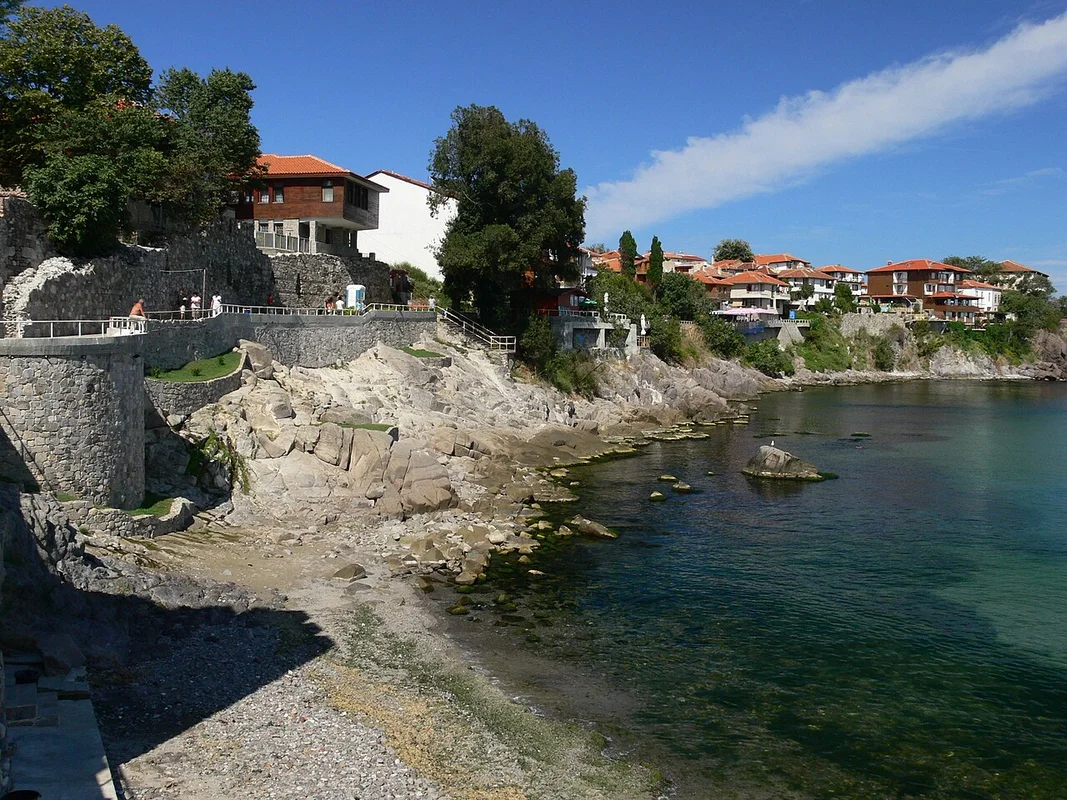
Sozopol: Tiles Roofs and the Island of Saint Ivan
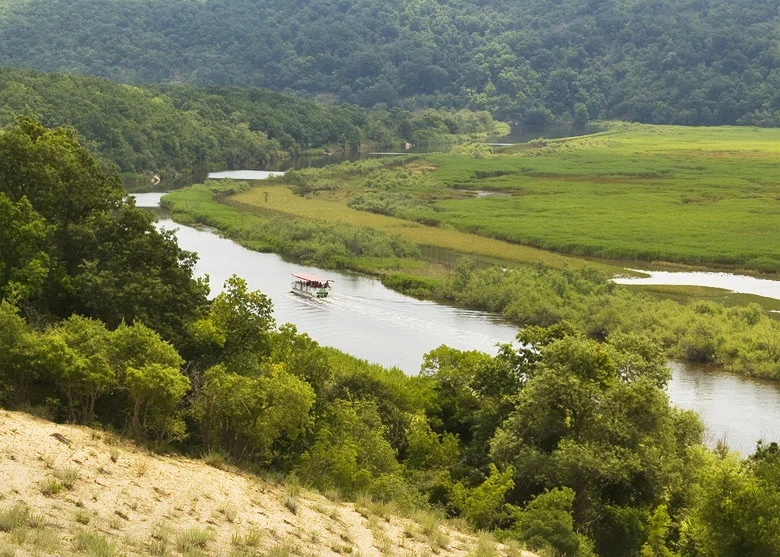
Ropotamo: riverine lagoons, sand dunes, and a nature reserve by the sea near Primorsko
Thracian Tombs in Bulgaria: Alexandrovо, Kazanlыk, and the Secret Crypts Surrounding Sviilengrad
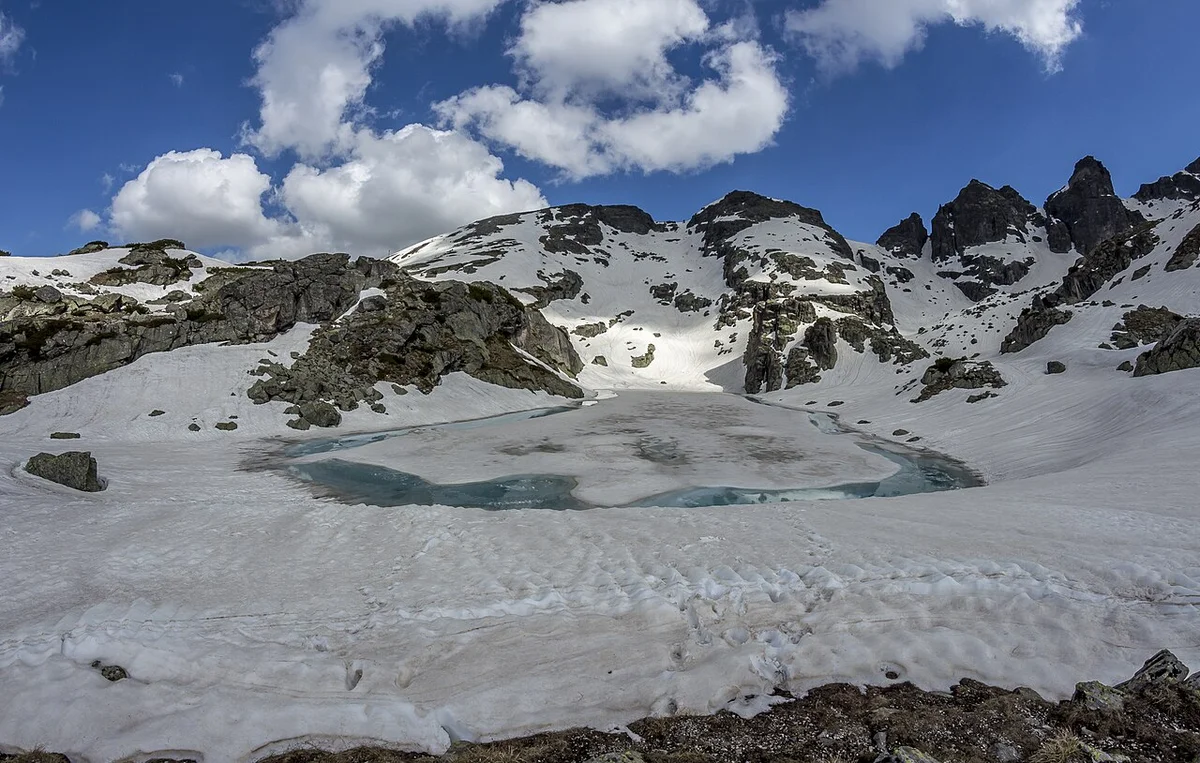
Rila: A trek around seven lakes, including a night stay in a mountain cabin.
More articles:
- Sozopol: Tiles Roofs and the Island of Saint Ivan
- Ropotamo: riverine lagoons, sand dunes, and a nature reserve by the sea near Primorsko
- Thracian Tombs in Bulgaria: Alexandrovо, Kazanlыk, and the Secret Crypts Surrounding Sviilengrad
- Rila: A trek around seven lakes, including a night stay in a mountain cabin.
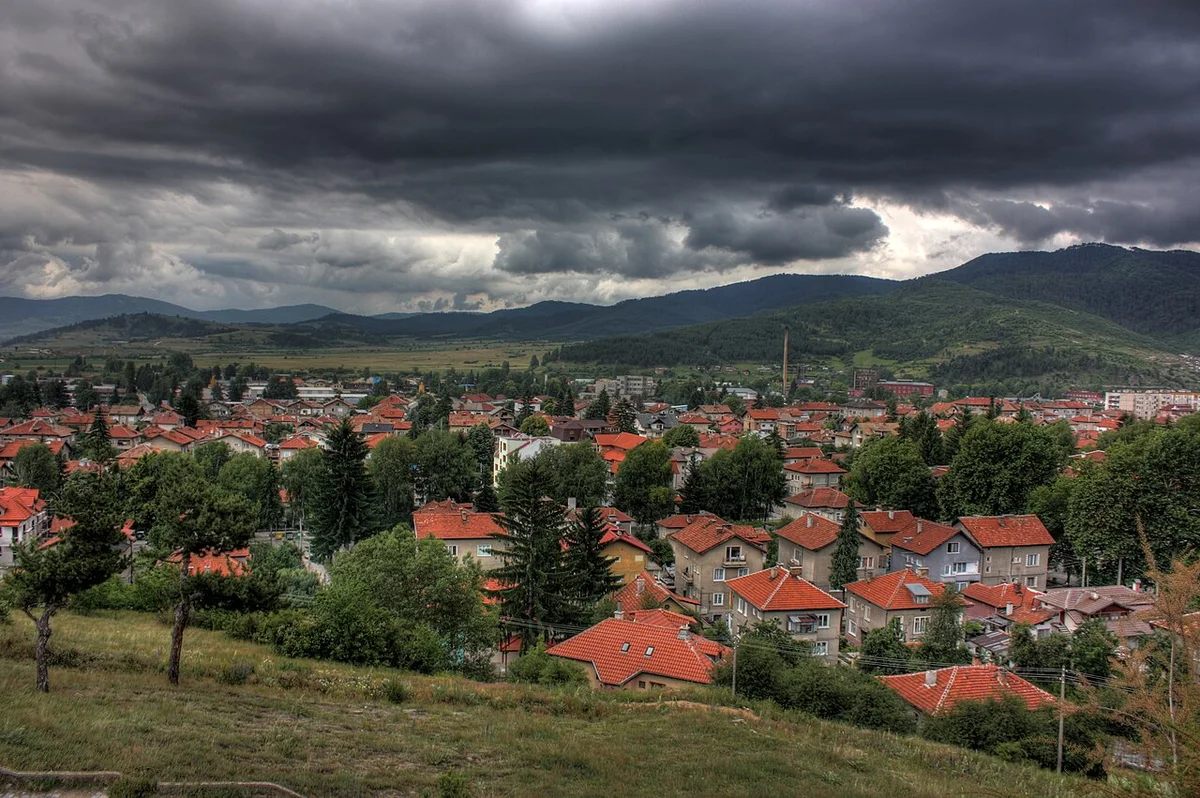 Bulgarian thermal resorts: Velingrad, Hisarya, and Sandanski – hot springs and spa facilities in the Balkans
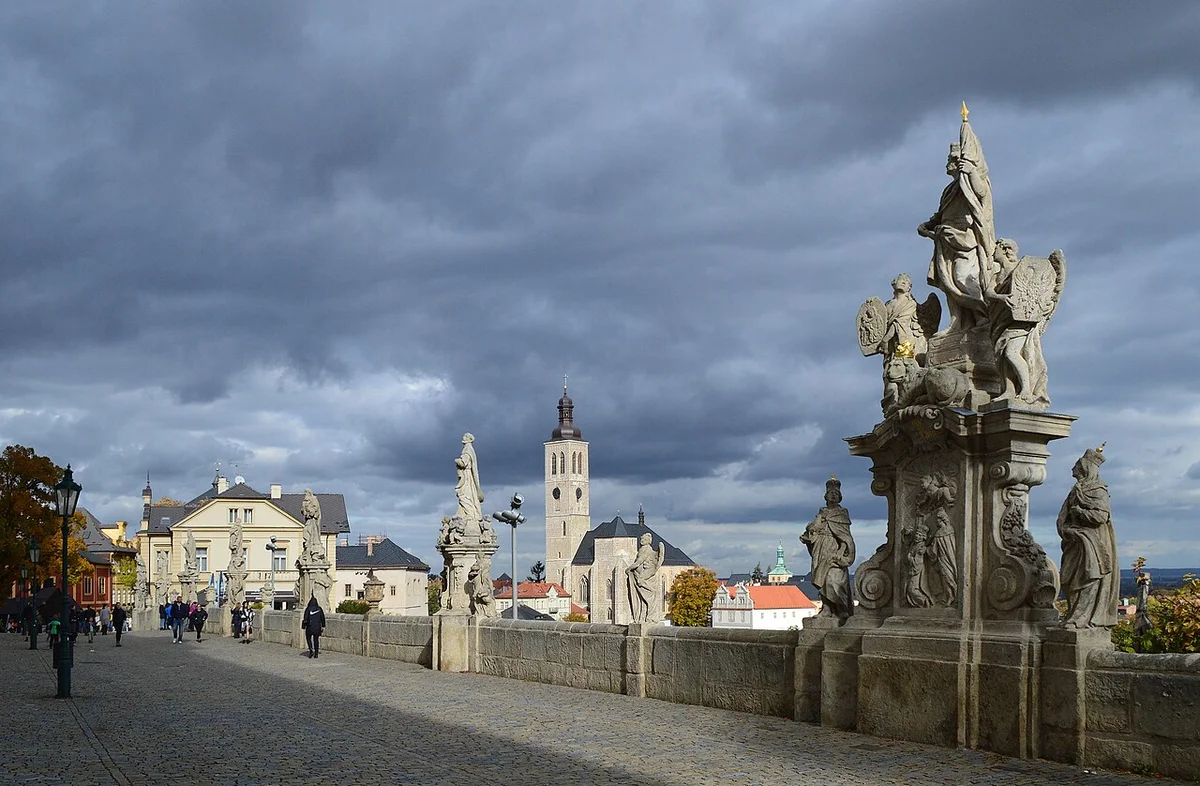 Kutna Hora: The Silver City and the Horrible Bone House – A Complete Guide for 2025
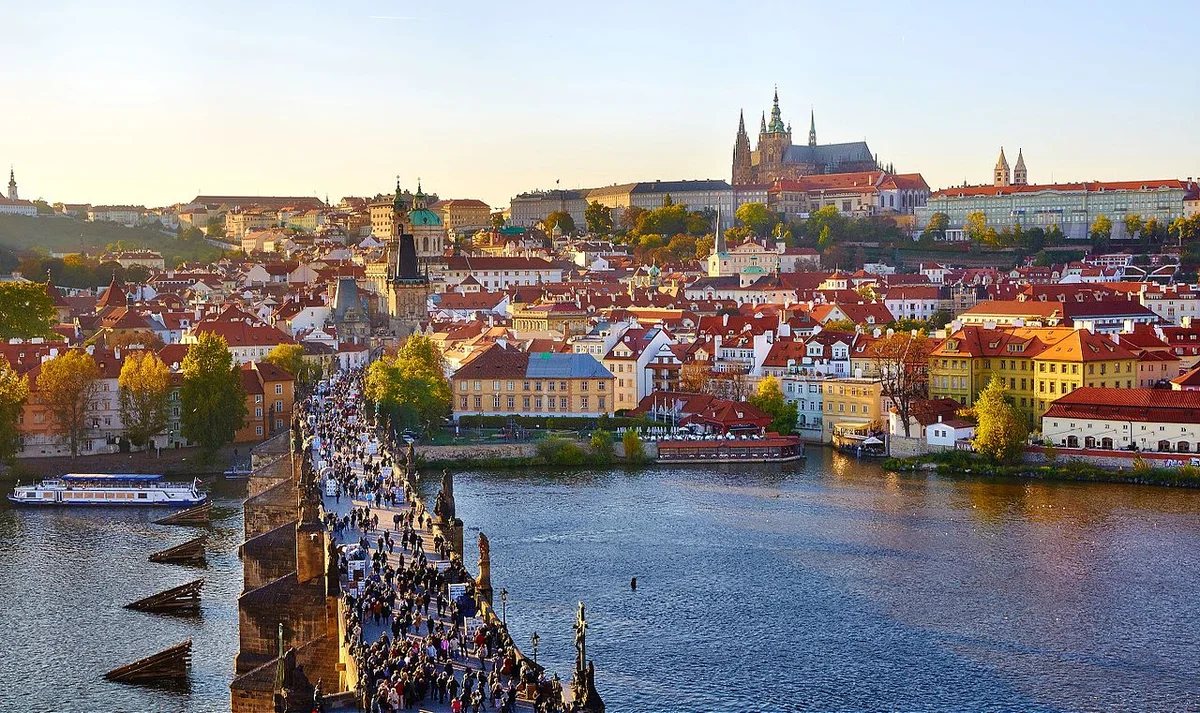 Prague during the Soviet era: Žižkov, Stalin’s bunker, and its industrial heritage
 Maslenica in Český Krumlov: Baroque, Carnival, and Traditional Czech Sleds