Spanish cuisine: paella, tapas, gazpacho, and sangria – a comprehensive guide to local delicacies
The History and Context of Spanish Cuisine
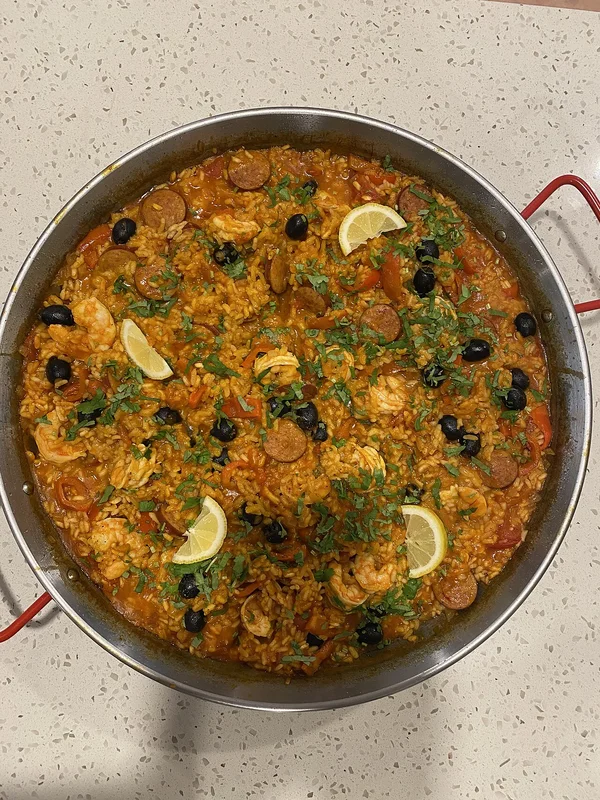
Spanish cuisine is the result of centuries of cultural exchange among Muslims, Christians, and Jews. Each region of the country has its own unique traditions: Valencia is famous for its paella, Andalusia for its gazpacho and cold dishes, while the Basque Country is known for its seafood delicacies.
Paella is the queen of Spanish cuisine. This rice dish, flavored with saffron and seasoned with vegetables and meat or seafood, originated in Valencia during the 14th century. Initially prepared by farmers using readily available ingredients, paella has now become a popular dish in restaurants around the world.
Tapas are small snacks served with drinks. They also serve as a social occasion—Spaniards often spend evenings visiting different bars, tasting various tapas, and chatting about life. The name “tapas” actually means “cover,” referring to the piece of bread that used to cover wine glasses.
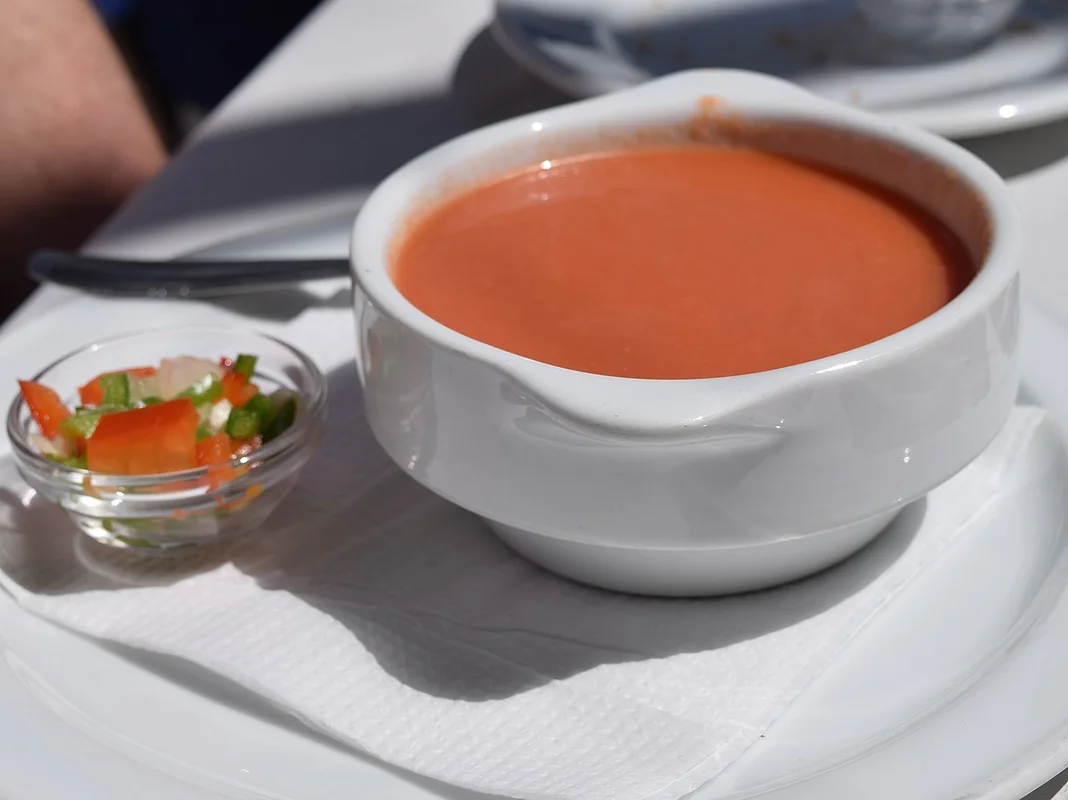
Gazpacho is a cold tomato soup from Andalusia. It’s the perfect summer beverage, providing relief from the heat. This dish originated as a way to use up overripe tomatoes by adding bread, olive oil, and garlic.
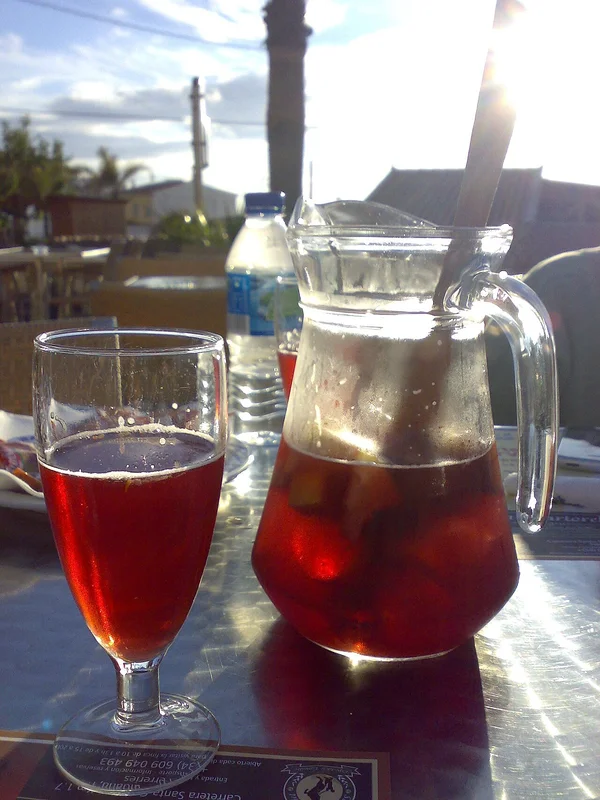
Sangriya is a drink made from red wine, fruits, and spices. It’s more than just an alcoholic beverage—it symbolizes Spanish summer and celebrations.
Where to Try Authentic Spanish Dishes
Valencia – the capital of paella {GOOGLE=39.4699,-0.3763}
If you want to try authentic paella, come to Valencia. Here lies Lake Albufera, where hunters used to hunt in the rice fields – it was right here that they prepared paella.
The restaurant “Casa Montaña” in Valencia {GOOGLE=39.4566,-0.3578} has been open since 1836. It specializes in various types of paella. Seafood paella costs 18-22 EUR per person, while meat paella costs 15-18 EUR. It is open Monday to Sunday from 12:00-15:30 and 19:00-23:00. We recommend booking in advance via their website 2-3 days in advance.
The restaurant “La Pepica” {GOOGLE=39.5815,-0.2717} in the coastal town of Gandia serves paella with sea views. The average bill is 25-30 EUR per person. It is open daily from 13:00-16:00 and 20:00-23:00.
Madrid – the cultural capital of tapas {GOOGLE=40.4168,-3.7038}
In Madrid, it is easier to find excellent tapas than in any other city in Spain. The historic center is literally filled with bars that serve tapas.
“El Tigre” Bar {GOOGLE=40.4244,-3.6972} has been in business since 1974. A unique feature of this bar is that whenever you order any drink, you get free tapas automatically. Beer or a glass of wine costs around 2-3 EUR, while the tapas are free. You can easily spend 10-15 EUR per person on food here. Hours: Monday to Sunday, 12:00 PM to 12:00 AM.The historic “Casa Rollos” Bar {GOOGLE=40.4155,-3.7092} in the Malasana area is a paradise for tapa lovers. Prices range from 1.5 to 3 EUR for snacks and 2 to 4 EUR for drinks. They serve blood sausage, shrimp, and mushrooms in sauce here. Hours: Monday to Sunday, 11:00 AM to 11:00 PM.
Barcelona – Sea Delicacies {GOOGLE=41.3874,2.1686}
In Barcelona, you must try Catalan snacks such as pan con tomate (bread with tomatoes), sea urchins, and grilled octopus.
The restaurant “Quimet & Quimet” ⟪3⟞ is nothing like an ordinary place; it’s a true temple of tapas. They create sculptures out of bread and fillings. A single snack here costs 4 to 8 EUR. Hours: Monday to Saturday, 12:00 PM to 4:00 PM, 7:00 PM to 10:00 PM (closed on Sundays). It’s very popular, so arrive early or reserve a table in advance.
Seville – Gazpacho and Andalusian Cuisine {GOOGLE=37.3886,-5.9823}
In Seville, the capital of Andalusia, gazpacho is prepared just as it was 500 years ago. On hot days, cafes in the old town offer this soup.
The “Eslava” Cafe ⟪5⟞ offers a modern interpretation of gazpacho and salmorecho (a thicker version of it). Price: 8 to 10 EUR. Hours: Monday to Saturday, 1:00 PM to 4:00 PM, 8:00 PM to 11:30 PM (closed on Sundays).
The “Casa Morales” Bar {GOOGLE=37.3915,-5.9901} has been in operation since 1890. They prepare gazpacho using a classic recipe; it costs 6 EUR. Hours: Daily, 11:00 AM to 11:00 PM.
How to Get There and Transportation
Within the country:
The most convenient ways to travel are by plane between major cities or by train. Flight tickets between Madrid and Valencia cost 25–50 EUR one-way (Iberia, Vueling). Flight time is approximately 1 hour. The train from Madrid to Valencia takes 3–4 hours, and the ticket costs 30–45 EUR (Renfe.com).
Within cities:
Madrid: The metro covers the entire city. A one-way ticket costs 1.5 EUR, while a 10-trip card costs 12 EUR. The central area is served by the metro from 6:00 AM to 1:30 AM Monday to Thursday, and from 6:00 AM to 2:00 AM on Fridays and weekends, as well as all day on Sundays.
Valencia: The tram system is very convenient. A one-day pass costs 4.5 EUR and allows access to trams, subways, and buses. Trams operate from 5:30 AM to 11:00 PM Monday to Friday, and all day on Sundays.
Barcelona: The metro runs from 5:00 AM to 12:00 AM Monday to Thursday, and from 5:00 AM to 2:00 PM on Fridays. A one-way ticket costs 2.45 EUR, and a 10-trip T-Casual card costs 11.35 EUR. The fastest way to get from the airport to the city center is by the R2 train (30 minutes, 5.5 EUR).
Seville: The city is small, so the historic center can be easily explored on foot. A bus ticket costs 1.5 EUR; it is recommended to buy a 3-day pass for 12 EUR, which also includes transportation from the airport.
Practical information and prices
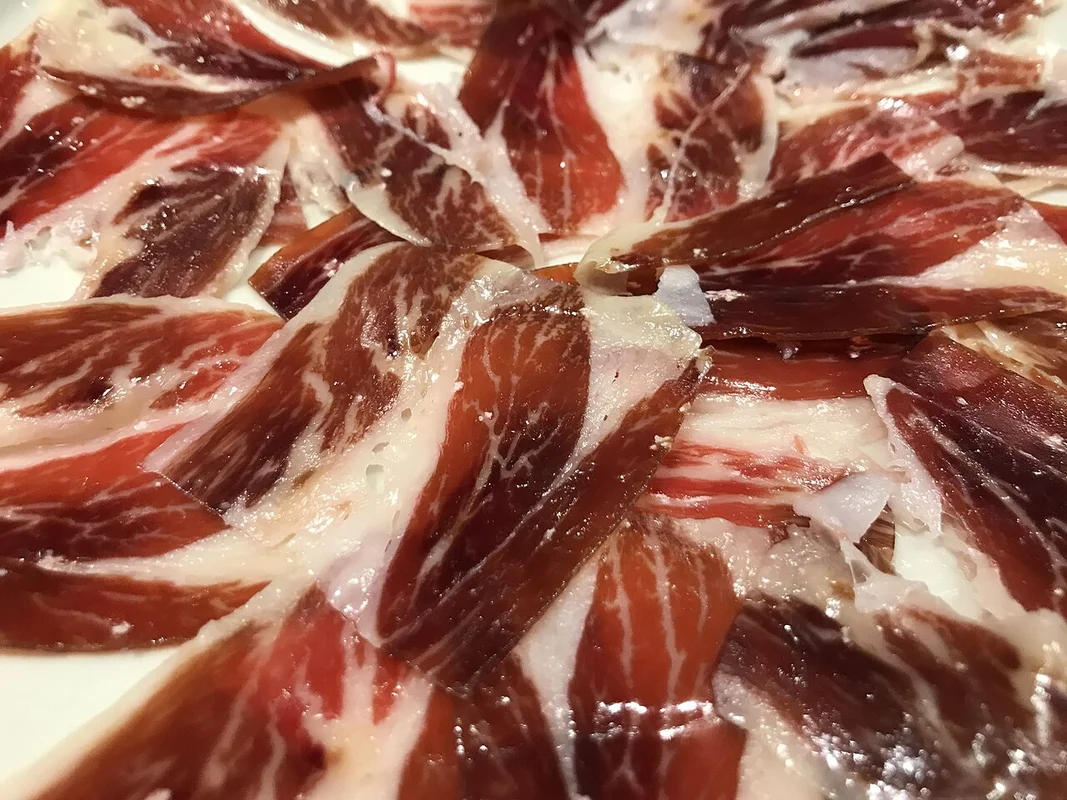
When is the best time to visit?
April to May and September to October are the ideal months. The weather is mild (20-25°C), and there are fewer tourists than in the summer. July and August are very hot (35-40°C), but this is also the best time to enjoy gazpacho. Winters in the southern regions are mild, but restaurants often operate with reduced hours.
Food prices
Street tapas usually cost 1-3 EUR each. A lunch at a cheap restaurant (menú del día) costs around 10-15 EUR. A dinner at a good restaurant costs 25-40 EUR per person. A glass of local wine costs 2-4 EUR, and coffee costs 1-2 EUR.
Restaurant hours
Breakfast: 8:00-11:00. Lunch: 13:00-15:30 (this is the main dining time). Dinner: 20:00-23:00 (rarely before 19:30). Many small restaurants are closed during the day between lunch and dinner. Weekends are often off on Sundays and Mondays, especially in rural areas.
<>What to avoid
Avoid tourist traps near major attractions. If a menu is written in 5 languages and the food photos are laminated, it’s a sign that the prices are 2-3 times higher than normal.
Tips for tourists: how to enjoy Spanish food to the fullest
What to bring
- Comfortable shoes – You’ll be walking a lot between bars and restaurants.
- Sunglasses and a hat – The sun is intense in summer, especially when dining outdoors.
- Light clothing – Restaurants often have strong air conditioning, so it’s better to wear light clothes.
- A translator app (e.g., Google Translate) – Menus in small bars are usually only available in Spanish.
How to behave like a local
Spaniards eat a lot of meat, not fish, as tourists often think. Seafood paella is actually a tourist invention. Authentic Valencian paella consists of chicken, rabbit, and vegetables. Gazpacho is available in summer, but not throughout the year. Sangria is a drink for tourists; Spaniards prefer wine. If you want to blend in, drink Spanish red or white wine (such as Rioja or Albariño).
Spanish dining traditions
Spaniards eat slowly and discuss each dish in detail. Don’t rush. If you’re at a tapas bar, it’s a place for socializing, not just eating. Many people in Madrid and Barcelona go to bars with colleagues after work (around 7 PM) just to drink and snack, then head home for dinner at 9 PM.
Reservations
In tourist cities, it’s best to reserve tables at good restaurants a week in advance (especially for paella places in Valencia). Use websites like Thefork.es or Tripadvisor. Tapas bars don’t usually require reservations, but during peak hours (after 7:30 PM), there might be a queue. Arrive around 7 PM or earlier.
Festivals and events
La Tomatina in Valencia {GOOGLE=39.2865,-0.3023} (the last Wednesday of August) – a festival where participants throw tomatoes at each other. After the festival, you can try gazpacho made with fresh tomatoes. Admission is free, but you should arrive early, as the festival starts at 10:00.
Fiesta de San Fermín in Pamplona {GOOGLE=42.8622,-1.6440} (July) – a famous festival featuring the running of bulls. In addition to this spectacular event, it’s also a time for food and drinks. Locals eat pinchos (small tapas on skewers) and drink wine from barrels.
Find the Best Professionals for Your Project
Expert repair, construction, and renovation specialists ready to help you right now
Recommended articles
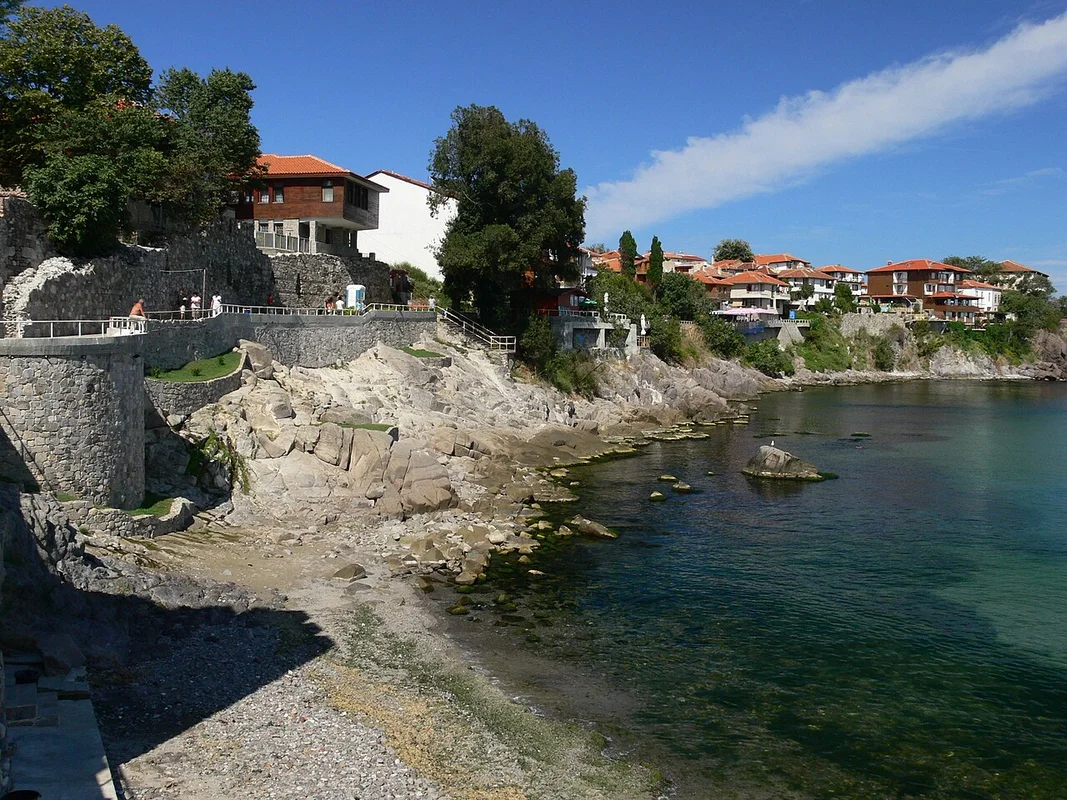
Sozopol: Tiles Roofs and the Island of Saint Ivan
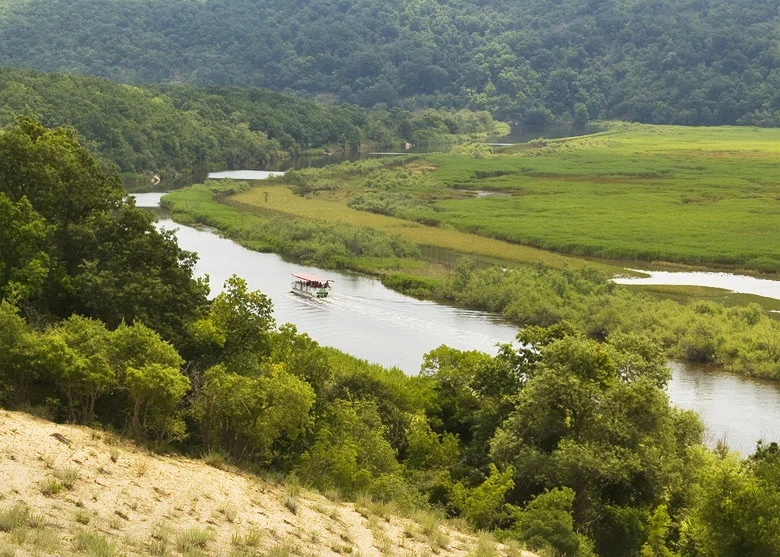
Ropotamo: riverine lagoons, sand dunes, and a nature reserve by the sea near Primorsko
Thracian Tombs in Bulgaria: Alexandrovо, Kazanlыk, and the Secret Crypts Surrounding Sviilengrad

Rila: A trek around seven lakes, including a night stay in a mountain cabin.
More articles:
- Sozopol: Tiles Roofs and the Island of Saint Ivan
- Ropotamo: riverine lagoons, sand dunes, and a nature reserve by the sea near Primorsko
- Thracian Tombs in Bulgaria: Alexandrovо, Kazanlыk, and the Secret Crypts Surrounding Sviilengrad
- Rila: A trek around seven lakes, including a night stay in a mountain cabin.
 Bulgarian thermal resorts: Velingrad, Hisarya, and Sandanski – hot springs and spa facilities in the Balkans
 Kutna Hora: The Silver City and the Horrible Bone House – A Complete Guide for 2025
 Prague during the Soviet era: Žižkov, Stalin’s bunker, and its industrial heritage
 Maslenica in Český Krumlov: Baroque, Carnival, and Traditional Czech Sleds