Venice through the Dolomites: a route from Belluno to the lagoon
History and Context: The Mountain Road to the Republic
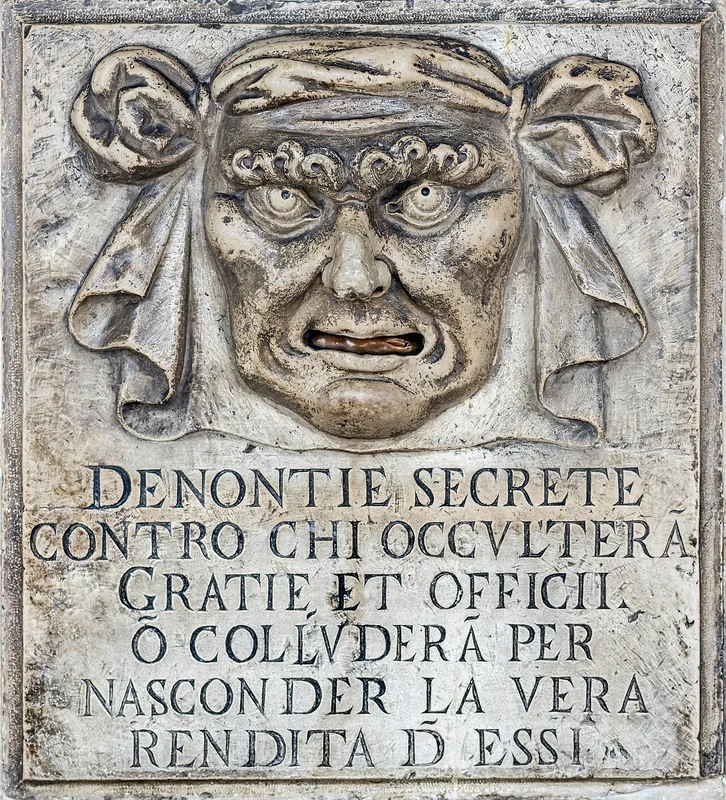
Belluno is not a major tourist destination, but it is precisely from here that the real journey to Venice begins. Located in the southern Dolomites, in the Veneto province, the city was historically an independent state before joining the Republic of Venice in 1404. Today, it serves as a gateway to the mountains for those who wish to avoid the beach crowds and experience the authentic Alps of Italy.
The route through Belluno to Venice was once used by merchants and pilgrims in the Middle Ages. Venetian traders would travel up into the mountains to fetch wool, timber, and iron, then descend back down along the Piave River. Today, this road is for tourists who want to see where the wealth of the Serenissima came from.
How to Get There: From the Train to the Lagoon
By Train from Milan or Venice to Belluno
You can start your journey in Venice (if you are traveling on the last day of the route) or from Milan. From Venice, there is a direct Trenitalia train that takes 2 hours and 15 minutes, with prices ranging from 8 to 15 EUR depending on the ticket type (Regional or Intercity). Trains depart every hour from 6:00 AM to 8:00 PM. Reserve your tickets 1–2 days in advance on the trenitalia.com website; otherwise, you will pay a 20% surcharge at the station.
From Milan, the train journey to Belluno takes 4–4.5 hours, with 2–3 transfers, and costs between 25 and 40 EUR. An alternative option is to take the bus from Milan to Blatan and then continue by train to Belluno (total distance: 350 km, approximately 4 hours).
Belluno as a Key Hub
At the Belluno station {GOOGLE=46.1417,12.2133}, you can take the DOLOMITI BUS or rent a car. It takes 1–2 hours by car or bus to reach the main attractions of the Dolomites (such as Cortina d’Ampezzo and Treffolaghi). The cost of a bus ticket is 3–8 EUR per trip.
From Belluno to the lagoon: Option 1 (by car)
Traveling along the SS50 road through the Piave Valley, you will cover 100 km in 2.5 hours. Stop at Azolo (40 km away), then in Treviso (65 km away). From there, you can continue by car to Venice (an additional 30 km, 1 hour) or take a train from Treviso (15 minutes, 2 EUR). Parking in Venice costs 20–30 EUR per day; it’s better to park your car on the island of Tronchetto and walk to the center.
Option 2 (by public transport)
From Belluno, take the DOLOMITI BUS to Treviso (1.5 hours, 6 EUR), and then the Trenitalia train to Venice (15 minutes, 2–4 EUR). The total travel time, including transfers, is 3–4 hours.
What to see: Attractions along the route
Belluno – a medieval town in the mountains
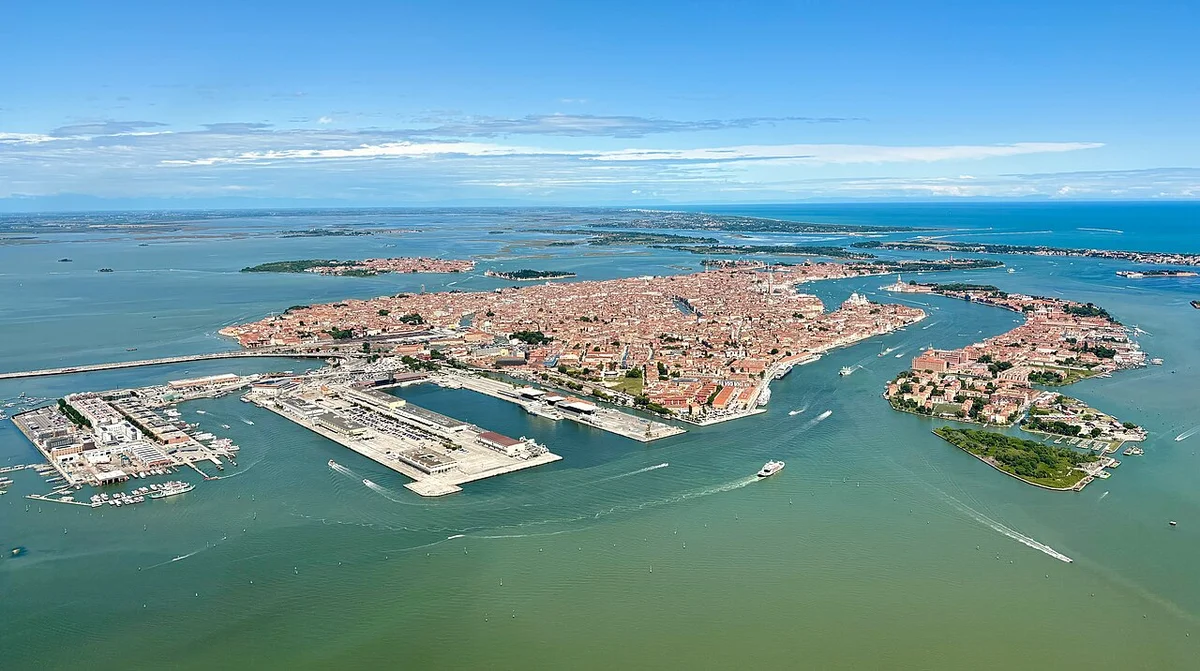
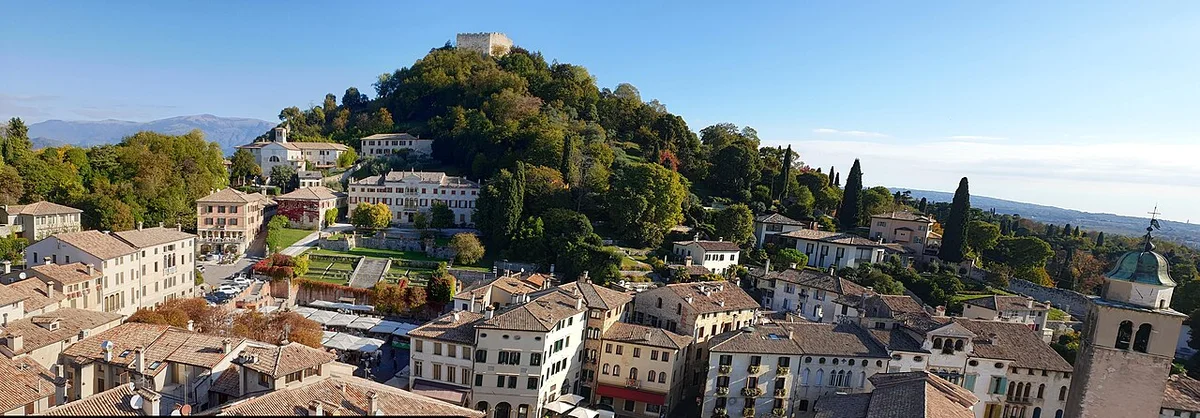
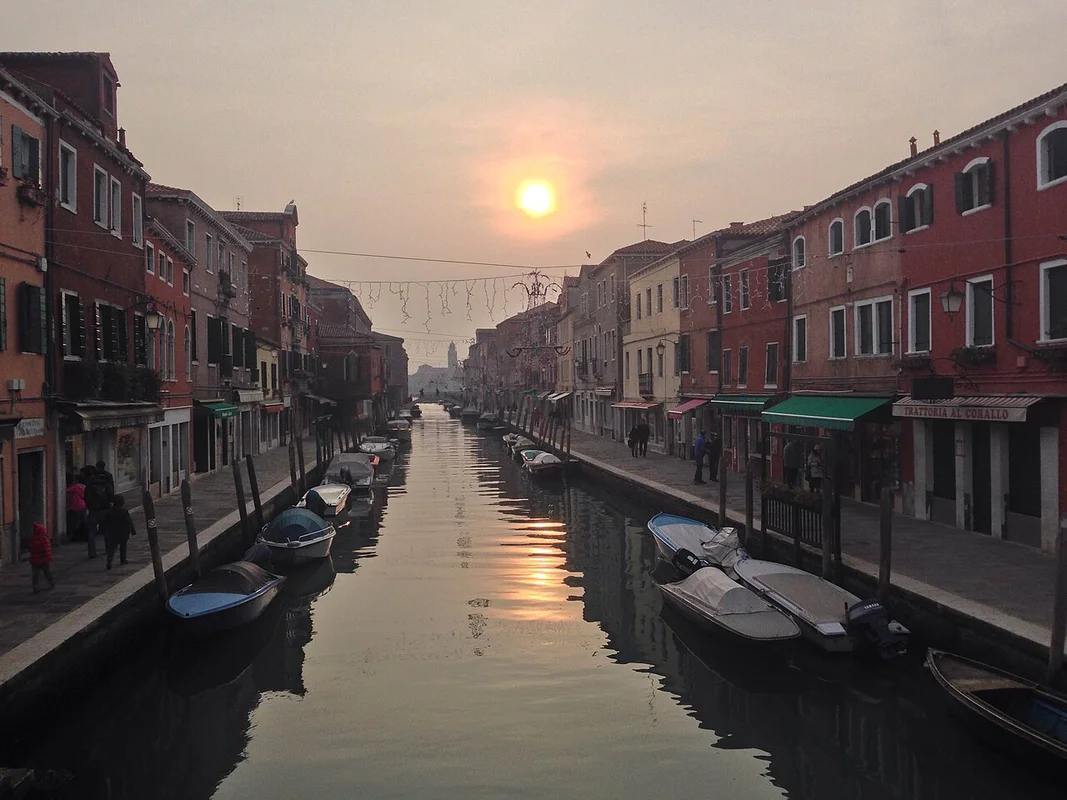
Belluno Center {GOOGLE=46.1417,12.2133} – A compact attraction that can be explored in about 2–3 hours. The main square, Piazza dei Martiri, is surrounded by palaces from the 15th–16th centuries, and there’s also the Fonte dei Grigioni (1589). The Cathedral of San Martino was begun in the 14th century and completed in the 17th. Admission is free; opening hours are from 8:00 AM to 12:00 PM and from 3:00 PM to 6:00 PM, with closures during services. Civico Museum (Local History Museum) on Piazza San Pietro displays artifacts related to Venetian Belluno. The admission fee is 5 EUR; it opens Monday–Sunday from 10:00 AM to 1:00 PM and from 3:00 PM to 6:00 PM (until 7:00 PM in summer). Asolo – A town known as a haven for artists. On your way to Venice (40 km southwest of Belluno), stop by Asolo {GOOGLE=45.8153,11.9069}. This small hilltown was home to many poets and artists. The main attractions include strolling through its narrow streets lined with palaces, as well as the viewpoint on Piazza Maggiore that offers views of the surrounding hills. The Castle of Queen Catherine Cornaro (15th century) is open for tours; the admission fee is 4 EUR. Hours are Monday–Friday from 10:00 AM to 12:00 PM and from 2:30 PM to 6:00 PM, and Saturday–Sunday from 10:00 AM to 6:00 PM. Allow about 1.5–2 hours for your visit. Mestre and Musrante (Venice Mainland Gate) Before entering the lagoon itself, stop at Mestre {GOOGLE=45.5076,12.2304} – this area is part of Venice on the mainland. From here, buses No. 1, No. 2, and No. 5 go directly to Venezia Square and St. Mark’s Square (ticket price: 1.5 EUR; travel time: 20–30 minutes). You can also park your car at the Multi-Garage Garage Altinia (average fee: 2 EUR/hour or 20 EUR/day). Venice: Touring the Lagoon Once you arrive in Venice (by vaporetto or on foot from Mestre), here are the main attractions: — **St. Mark’s Square {GOOGLE=45.4346,12.3397}**: Free admission to the Basilica of St. Mark; opening hours are 9:45 AM to 4:45 PM, but queues can be long. Arrive around 9:30 AM. The fee for visiting the campanile is 8 EUR; the view over the lagoon is unforgettable. — **Rialto Bridge {GOOGLE=45.4379,12.3361}**: The main bridge across the Grand Canal, built in the 15th century. Walking under its arches is free; shops open at 10:00 AM.— Murano Island {GOOGLE=45.4619,12.3685}: the heart of glassblowers. Vaporetto No. 42 departs from the center; ticket price is 7 EUR, and the journey takes 15 minutes. On Murano, visiting glass workshops is often free (the tour is included in the price of souvenirs), and the workshops are open from 10:00 AM to 5:00 PM.
— Burano Island {GOOGLE=45.4764,12.4167}: colorful houses, markets, and lace. Vaporetto No. 12 departs from the center; ticket price is 7 EUR, and the journey takes 35 minutes. The restaurant Da Gigi is located right in the main square; their dish “risotto nero” (black risotto with squid ink) costs 14 EUR.
Practical Information
Opening Hours of Major Attractions
Belluno: The city is open 24/7. Shops are open Monday to Friday from 9:00 AM to 7:00 PM (lunch break from 1:00 PM to 3:00 PM); bars are open all day.
Azolo: Bars on the square are open from 7:00 AM. The Caterina Castle is open Monday to Friday from 10:00 AM to 12:00 PM and from 2:30 PM to 6:00 PM; bars are open all day.
Venice: Shops are open from 9:00 AM to 8:00 PM. Museums and churches are open from 9:00 AM to 5:00 PM (until 7:00 PM in summer).
Prices
Train from Venice to Belluno: 8–15 EUR (Regional), 12–20 EUR (Intercity).
Train from Treviso to Venice: 2–4 EUR.
Bus in the Dolomites: 3–8 EUR per trip.
Vaporettos in Venice: 7 EUR per ticket; 20 EUR for a 24-hour pass.
Admission to attractions: San Martino Cathedral is free; Civico Belluno Museum costs 5 EUR; the campanile in Venice costs 8 EUR.
Mid-range meals: Pasta at Belluno cafes costs 9–12 EUR; pizza in Venice costs 10–15 EUR. Tourist restaurants in central Venice charge 25–40 EUR for main courses.
Best times to visit
April–May (spring): Temperatures range from 15–20 °C; gardens are in bloom, and there are fewer tourists than in summer. Accommodation prices range from 60–100 EUR for a double room in B&Bs.
September–October (early autumn): Perfect weather, temperatures around 18–24 °C; Venice’s canals are not frozen yet. Prices range from 70–110 EUR.
July–August: Hot weather (30+ °C), large crowds of tourists, and higher prices (120–180 EUR per room). Storm surges (“acqua alta”) can raise water levels by 30–60 cm; locals joke that tourists are paying for the “Venice experience”.
November: High water levels, frequent rain, and more “acqua alta”; prices drop to 50–80 EUR, but the atmosphere becomes gloomy.
Tips for tourists
What to bring
– Comfortable sneakers: There are many hills in Belluno and narrow, cobblestone streets in Venice; you’ll need to walk a lot.
– A windbreaker and a sweater: It’s windy in the Dolomites even in summer, and it’s cold near the water in Venice (especially in April and September).
– A waterproof backpack: Saltwater sprays are common in the Venice lagoon.
– A 24-hour vaporetto pass: Buy it at the pier or airport. The one-person pass costs 20 EUR, saving 6 EUR compared to buying individual tickets if you plan to use the vaporetto more than three times a day.
What to avoid
– Don’t book tours in Venice directly through the hotel; you’ll be overcharged by 2–3 times. Book them in advance through GetYourGuide or Viator (tours cost 15–25 EUR per person).
– Avoid Piazza San Marco between 11:00 and 15:00 – it’s the peak time for tourist groups. It’s better to arrive early in the morning (9:00–9:30) or in the evening (17:00–19:00).
Strict Rules – Follow them all without exception: 1. The output must be in English. Do not use the source language under any circumstances. 2. Only translate the actual text; do not add explanations, comments, or any other elements. 3. Do not use headers like “### Response:” or similar formats. 4. Do not format the text with quotes, markdown tags, or any other styles. 5. Do not include reasoning or analysis in the translation. 6. Translate every word literally; do not summarize or paraphrase. 7. If you’re unsure about a word, transliterate it directly rather than leaving it in the original language.— Avoid eating in restaurants right on Piazza San Marco – there’s too much noise, tourists, and pasta costs between 40–60 EUR. Go 2 blocks further, where there are local cafes with pasta priced at 9–14 EUR.
— Don’t take taxis at the Venice station: drivers know you’re a tourist and will likely take a long detour around the lagoon. Take vaporettos No. 1 or No. 2 for 7 EUR each.
— Be cautious of “acqua alta” in November, December, and March—it can flood the lower areas of the city. Check the forecasts on the Centro Maree Venezia website before arriving.
Where to Eat Nearby
In Belluno:
- Osteria Dantae (Via Santa Croce, 8) – Traditional Venetian food; spezzatino costs 12 EUR. Open Monday–Friday 12:00–2:30, 7:00–10:00. Reservations are required one day in advance.
- Pizzeria Al Borgo (Piazza Mercato) – Good pizza; margarita costs 8 EUR. Open daily 11:30–2:00, 6:00–11:00.
In Azolo:
- Bar Centrale (main square) – Capuccino with croissant for 3.50 EUR; views of the hills. Open 7:00–7:00 pm.
- Locanda Baggio (Via Browning, 190) – Local gastropub; pasta e fagioli for 10 EUR. Fresh fish available for 16–22 EUR. Open daily 12:00–2:00, 7:30–10:00.
In Venice:
- Osteria L'Orto dei Mori (Cannaregio) – Excellent pasta dishes; seashell macaroni cost 16 EUR, small portion styles range from 25–35 EUR. Reservations required: +39 041 524 3677.
- Al Nono Risorto (Giudecca) – Pizzeria; margarita for 10 EUR, fried fish for 18 EUR. Views of the Grand Canal. Open daily 12:00–11:00 pm. Vaporettos No. 2 take you to Giudecca Zitelle.
- Cantina do Spade (San Polo) – Small vineyard with Venetian snacks; prices start at 5 EUR. Open 10:00 am. A typical Venetian spot.
Daily Budget Example:
- Breakfast: 5 EUR
- Pasta at a cafe: 12 EUR
- Dinner: 15 EUR
- Vaporetto: 7 EUR
- One museum visit: 5 EUR
Medium budget: breakfast costs 8 EUR, lunch at an osteria costs 18 EUR, dinner costs 22 EUR; vaporotto costs 7 EUR; admission to 2 museums costs 12 EUR in total, which equals 67 EUR.
Comfortable budget: breakfast at the hotel costs 12 EUR, lunch costs 25 EUR, dinner costs 35 EUR; vaporotto is free of charge; admission to museums/tours costs 30 EUR in total, which equals 122 EUR.
Find the Best Professionals for Your Project
Expert repair, construction, and renovation specialists ready to help you right now
Recommended articles
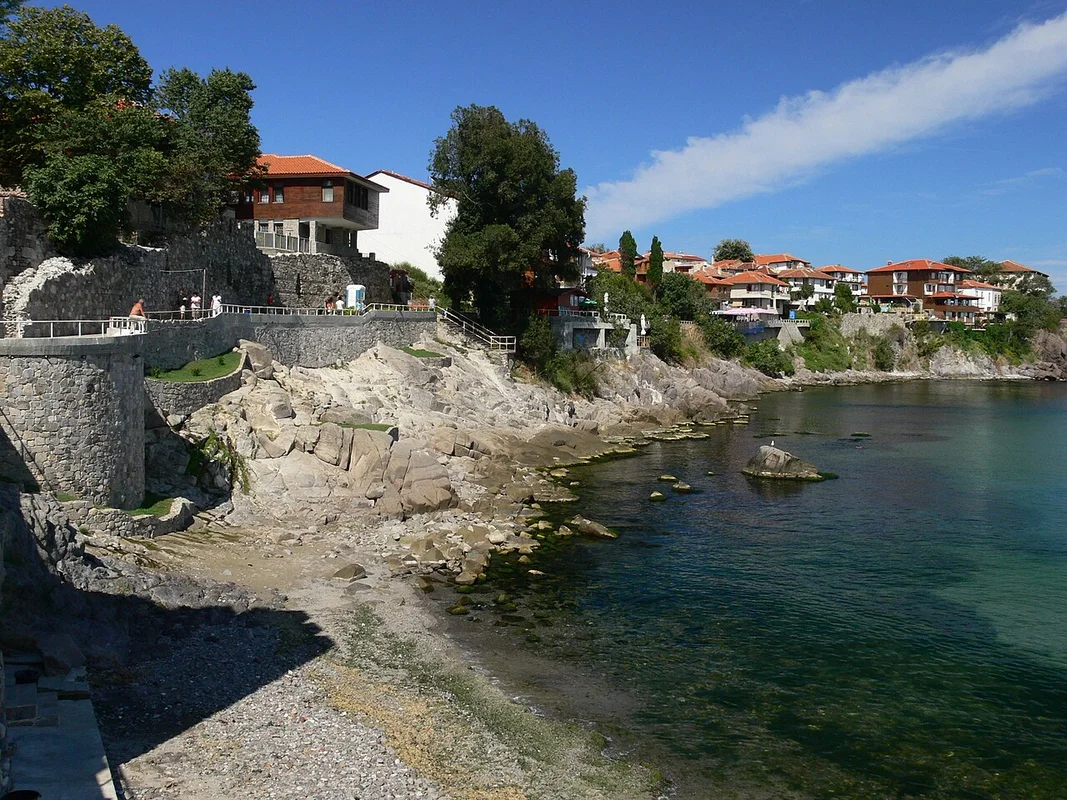
Sozopol: Tiles Roofs and the Island of Saint Ivan
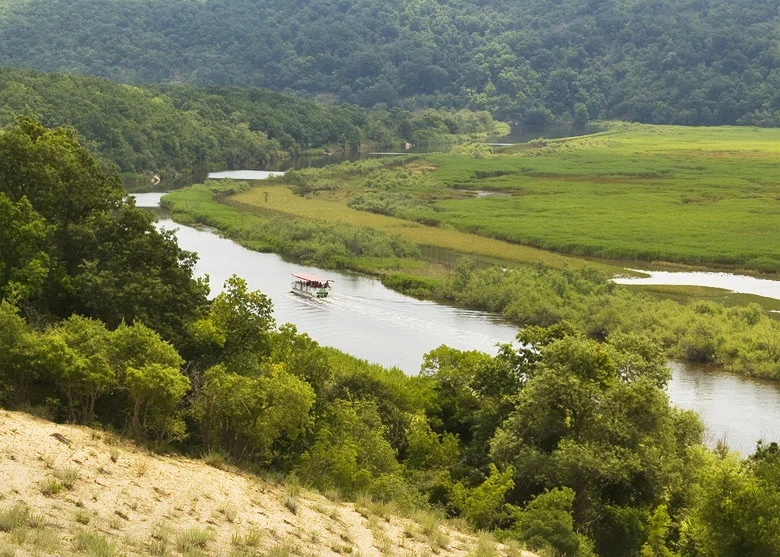
Ropotamo: riverine lagoons, sand dunes, and a nature reserve by the sea near Primorsko
Thracian Tombs in Bulgaria: Alexandrovо, Kazanlыk, and the Secret Crypts Surrounding Sviilengrad
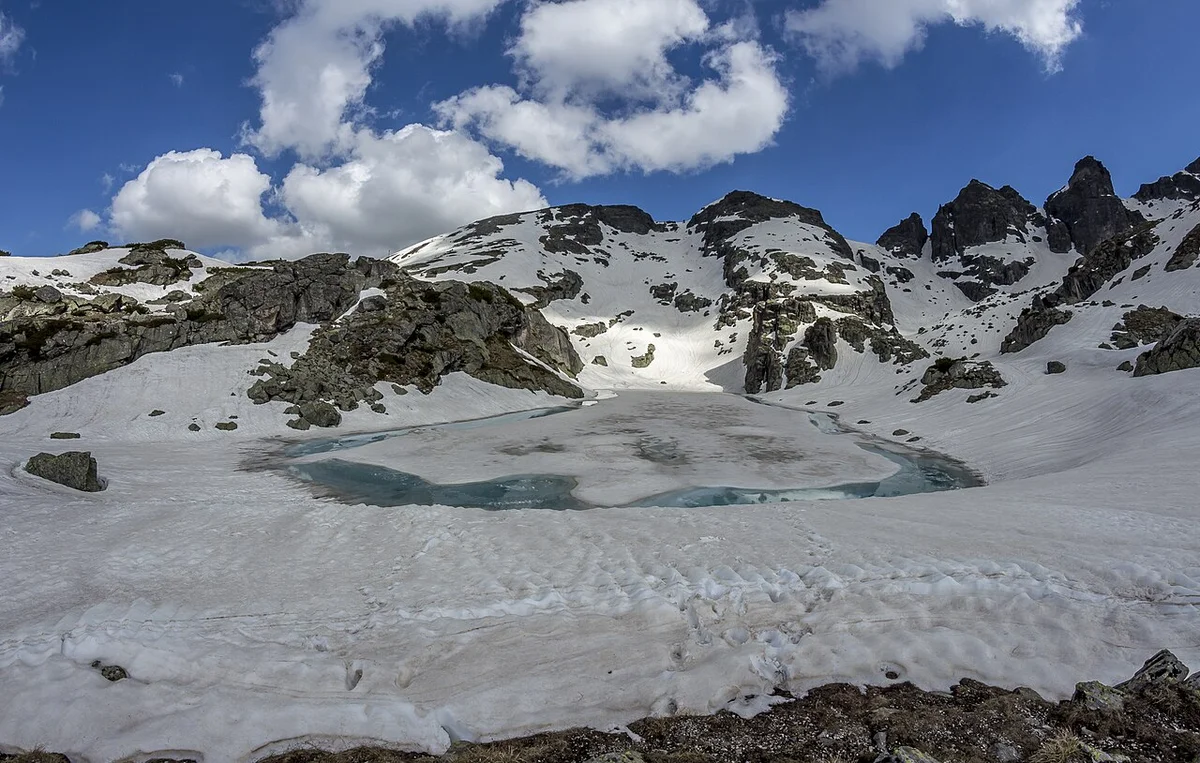
Rila: A trek around seven lakes, including a night stay in a mountain cabin.
More articles:
- Sozopol: Tiles Roofs and the Island of Saint Ivan
- Ropotamo: riverine lagoons, sand dunes, and a nature reserve by the sea near Primorsko
- Thracian Tombs in Bulgaria: Alexandrovо, Kazanlыk, and the Secret Crypts Surrounding Sviilengrad
- Rila: A trek around seven lakes, including a night stay in a mountain cabin.
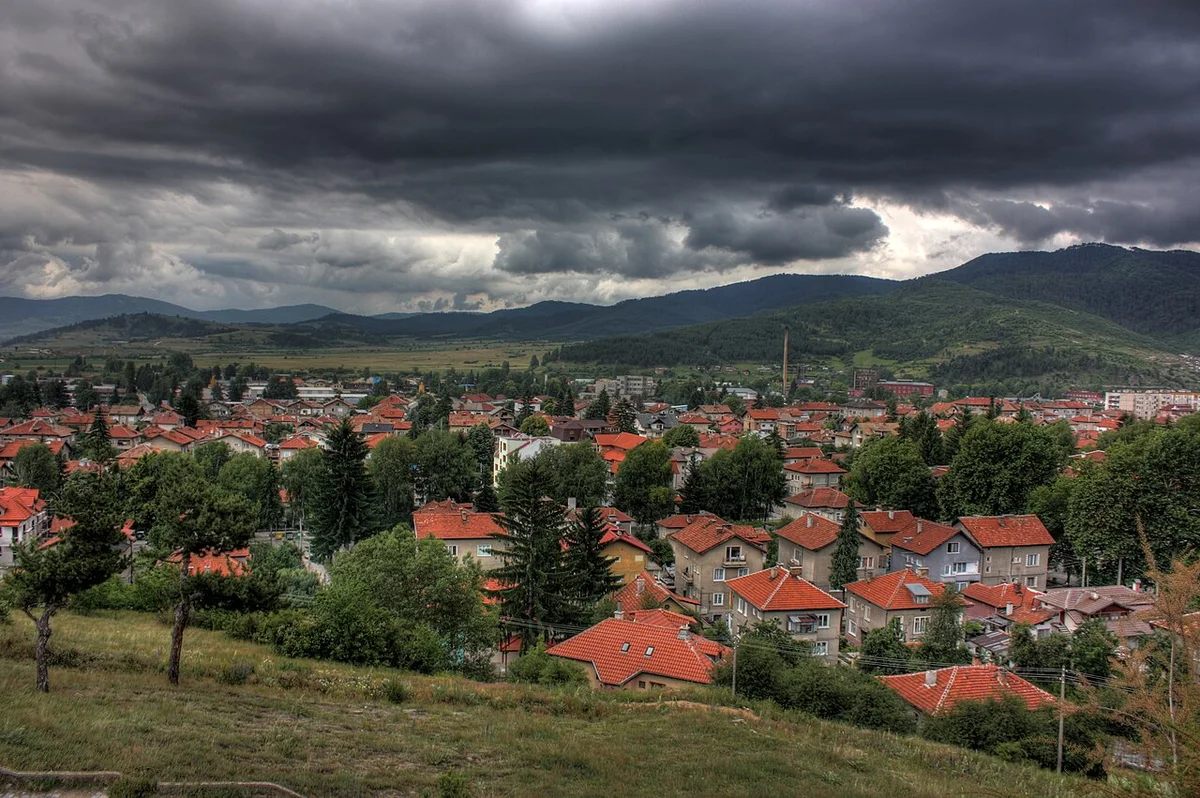 Bulgarian thermal resorts: Velingrad, Hisarya, and Sandanski – hot springs and spa facilities in the Balkans
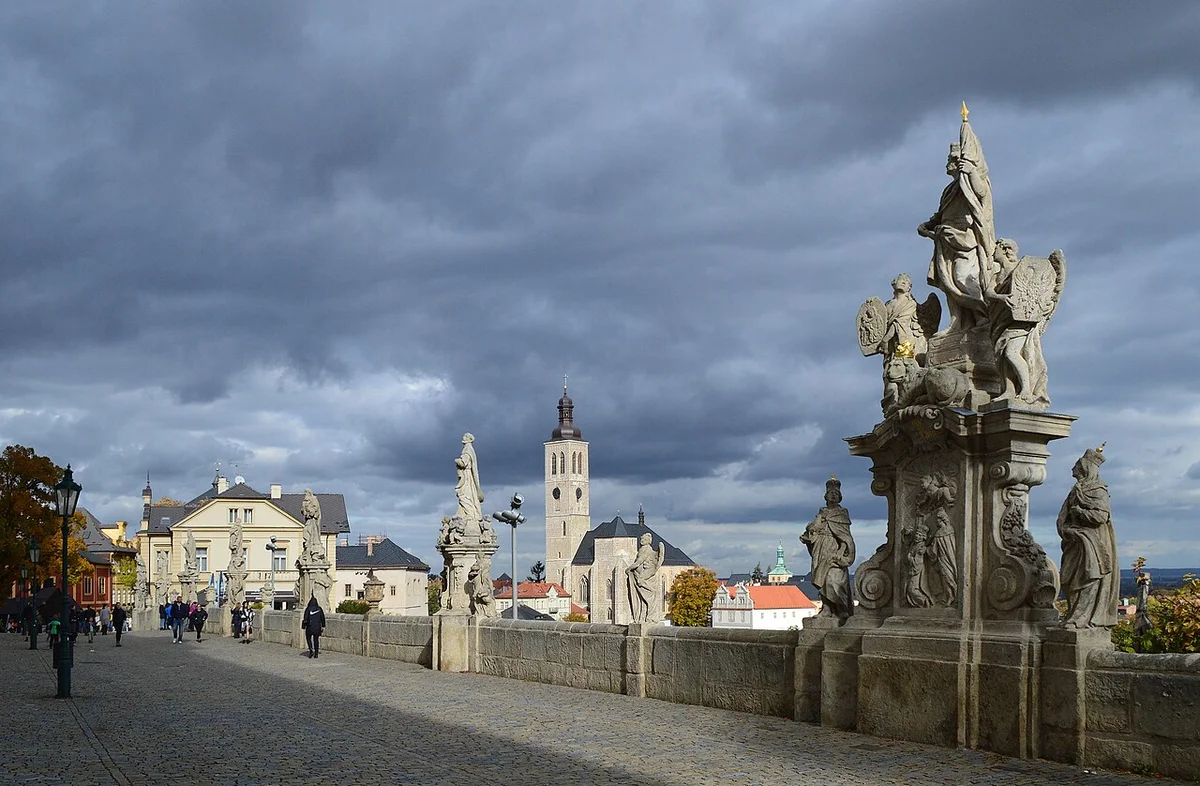 Kutna Hora: The Silver City and the Horrible Bone House – A Complete Guide for 2025
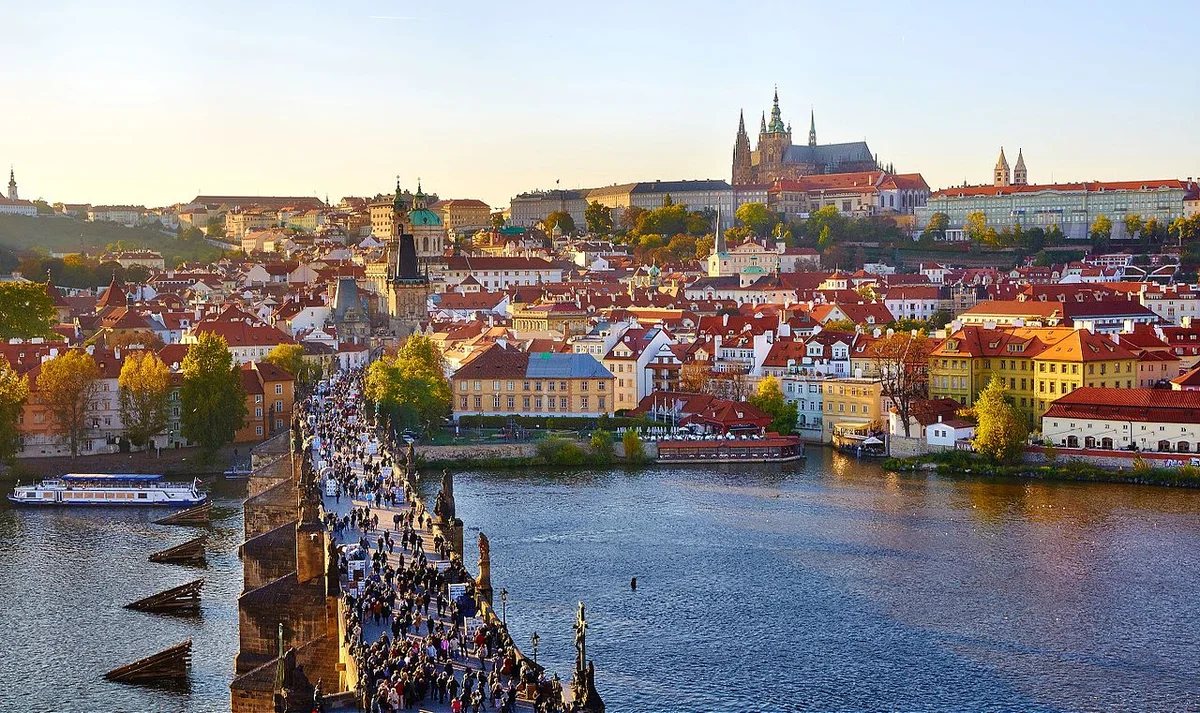 Prague during the Soviet era: Žižkov, Stalin’s bunker, and its industrial heritage
 Maslenica in Český Krumlov: Baroque, Carnival, and Traditional Czech Sleds