Sardinia: Nuraghi, the Gennarargentu Mountains, and the wild beaches of Ogliastra
History and Context: Who Built the Nuragis and Why Visit Them
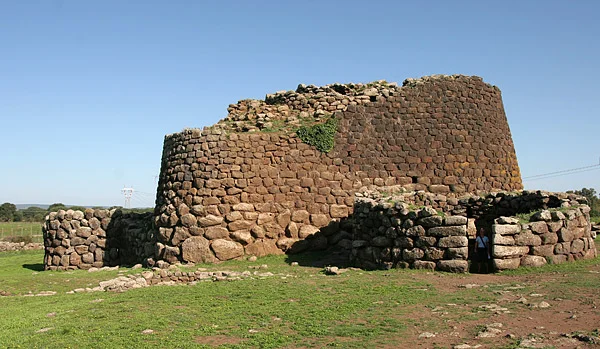
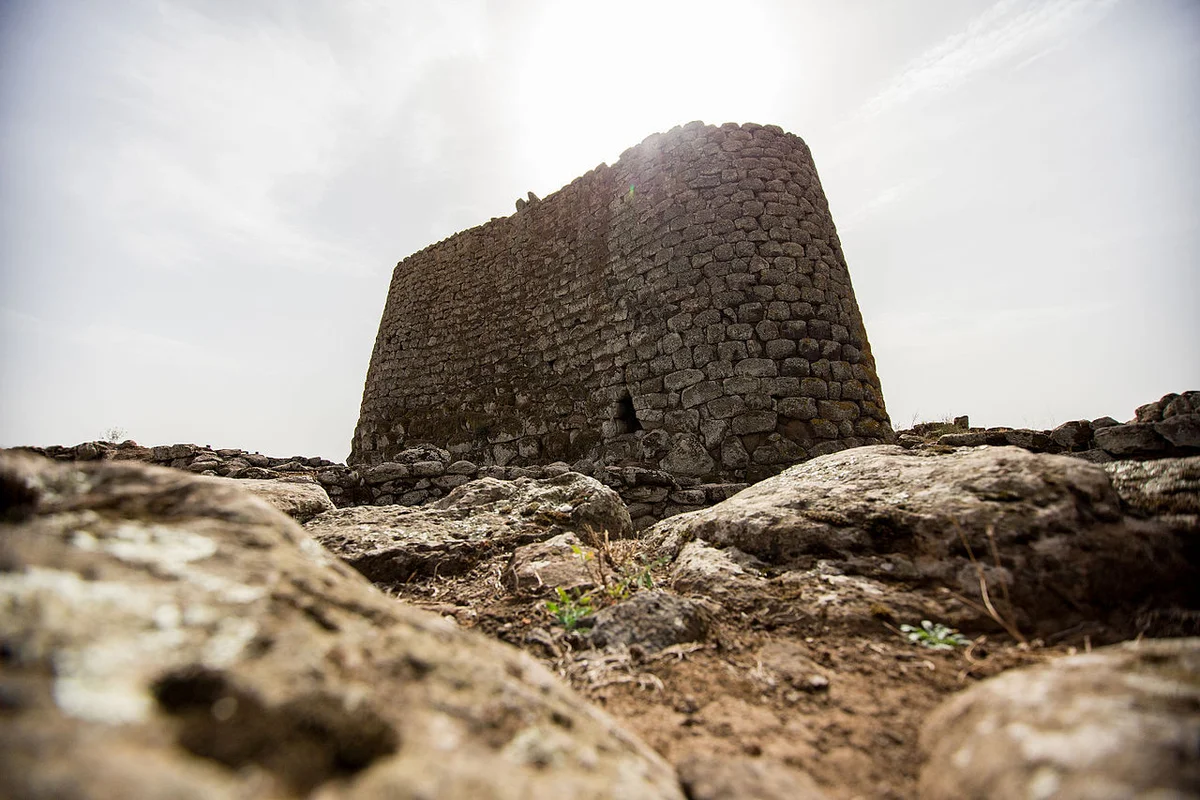
Nuragis are massive stone towers built on Sardinia during the Bronze Age (1800–500 BCE). No one knows for sure how they were constructed without the use of cement; enormous, unprocessed basalt blocks weighing up to 5 tons fit together perfectly. Approximately 7,000 nuragis remain on Sardinia, making it the region with the highest number of such structures in the world.
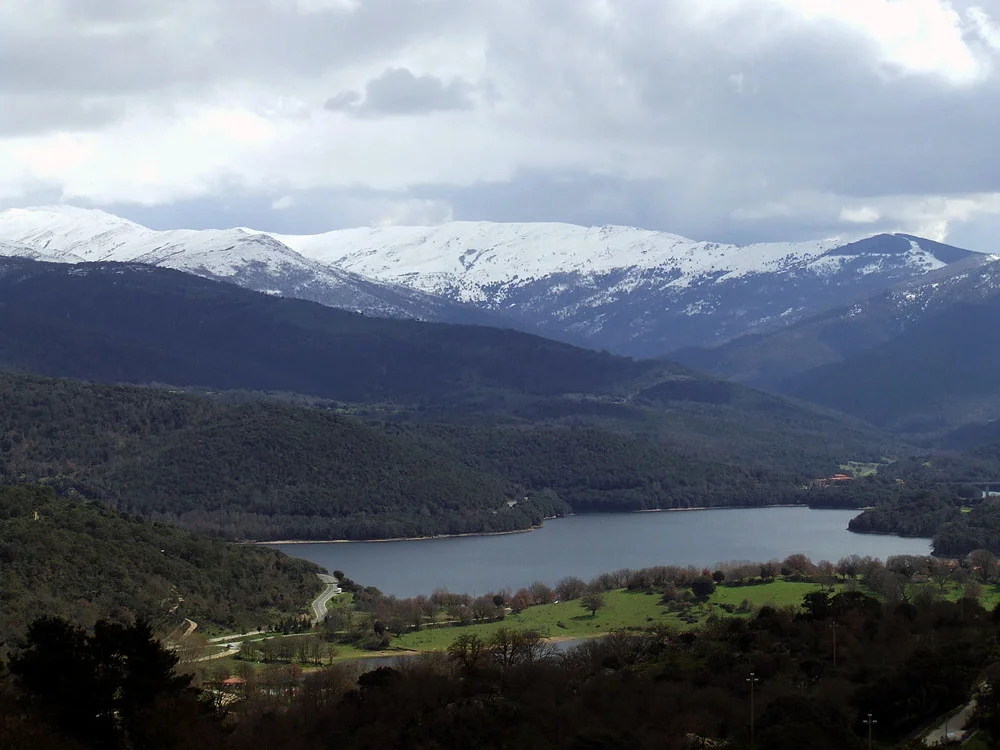
The Ogliastra region, located on the eastern coast of central Sardinia, is the most remote and untouched part of the island. Here, you won’t find large crowds of tourists, but instead steep cliffs, caves teeming with bats, and beaches with sand as white as flour. Mount Gennargentu (1,834 meters) is the highest peak on Sardinia and forms the heart of its granite mountain range.
How to Get There: The Route from Cagliari
Flights to Sardinia depart from Moscow via Rome or Milan; there are no direct flights. A round-trip ticket costs around 300–500 EUR during the high season (May–September). You will land in Cagliari, the island’s main city in the south.
From Cagliari Airport to the Nuragis: There are no direct buses heading into the mountains. Option 1 is to rent a car: rental companies like Hertz or Europcar charge around 30 EUR per day. The distance from Cagliari to the village of Teulada, where the famous Nurag Barumini is located, is 65 kilometers, and it takes about 1 hour and 15 minutes by car.
Option 2 is to take the ARST bus (www.arst.sardegna.it): Buses depart from Cagliari’s Matteotti Square 2–3 times a day, costing 7–9 EUR per ticket. The journey takes approximately 2.5 hours. From Teulada, it is another 10 kilometers to the nurag site; you can take a taxi (15–20 EUR) or walk for 2 hours to reach there.
How to get to the beaches of Ogliastra: From Cagliari, you can take ARST buses to the town of Nuoro (3.5 hours, 12 EUR), and then continue on local buses to Orgosolo or Dorgali – these locations are located at the edge of the Ogliastra mountain range. The easiest way is to drive: it takes 3 hours (140 km) along the SS125 road from Cagliari to the beach of Cala Goloritzé.What to see: the main nuraghi and beaches
In summer, the waiting time can be around 30–40 minutes. The entrance fee is 10 EUR (6 EUR for students). Opening hours are 9:00–20:00 from May to September, and 9:00–17:00 at other times. Guided tours are available in Italian or English and last 45 minutes; the tour fee is included in the admission price.
Nuraghe Losa {GOOGLE=40.1033,8.5867} – is located in the village of Abbasanta, 50 km north of Cagliari. This tower stands alone in the middle of a plain, making it particularly striking. The entrance fee is 8 EUR; hours of operation are 9:00–18:00 (17:00 in winter). A guide is included in the price. The bus from Cagliari to Abbasanta takes 1.5 hours and costs 8 EUR.
Mount Gennargentu and Gennargentu National Park {GOOGLE=40.1067,9.2900} – is the heart of the Molentargius National Park. Hiking to the summit takes 6–7 hours round-trip; the route is moderately difficult. Most trails start from the village of Fonni (1,000 m above sea level). The bus from Nuoro takes 1.5 hours and costs 5 EUR. It is recommended to hire a local guide for groups of 5–8 people; the fee ranges from 50–80 EUR. The best times to visit are from May to June (for spring blossoms) and from September to October (when it’s not too hot).
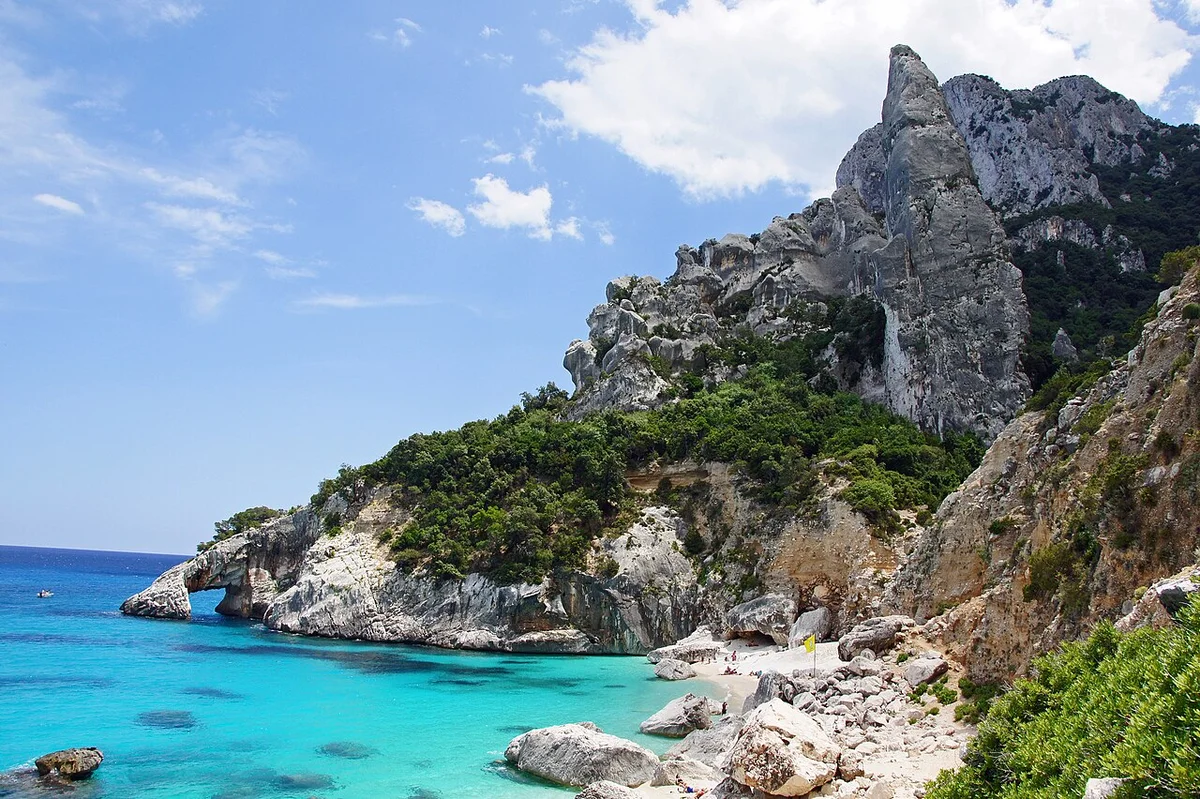
Cala Goloritzé Beach {GOOGLE=40.2667,9.5933} – is a remote beach located in the Ogliastra region. It features white sand, clear water, and caves in the rocks. There is no road leading to the beach; you must walk for 1.5 hours along a trail starting from Baunei or Dorgali (GPS coordinates: 40.2733, 9.5867 – this is where you can park your car). Admission is free. In summer, arrive before 9:00 AM to secure a parking spot.
Cala Mariolu Beach {GOOGLE=40.2550,9.5917} – is another remote beach with red sand and large granite boulders. It’s located 2 hours away from Dorgali by foot. Be careful when entering the water due to the large rocks; it’s advisable to wear water shoes.
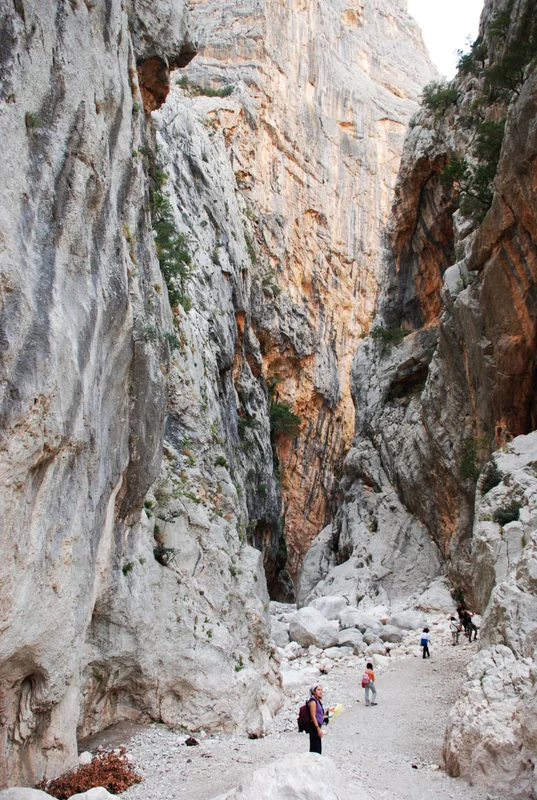
Tissali Canyon (Gola Su Gorropu) {GOOGLE=40.2733,9.5467} – a narrow gorge surrounded by steep granite cliffs (up to 500 meters high), with a river and waterfalls. The trek there and back takes 3–4 hours; it’s moderately difficult, and you can be sure your feet will get wet. You can enter through the villages of Oliena or Dorgali. Admission is free. Bring plenty of water, sun protection, and a waterproof backpack.Practical information: when to go, prices, opening hours
Season: May–June and September–October are the best times. It’s hot, but the sun isn’t scorching (around 25–28°C). In July–August, temperatures rise to +35°C, and there are many tourists; the nuragis are closed for lunch from 13:00–16:00. April and November have milder weather, and prices are 20–30% lower, but there are more cloudy days.
Admission fees:
• Nurag Barumini: 10 EUR
• Nurag Lossa: 8 EUR
• Genna National Park: free entry, but guided tours cost 50–80 EUR
• Beaches: free; parking costs 3–5 EUR/day
• Car rental: from 30 EUR/day (reserve in advance during summer)
• Accommodation in Dorgali or Nuoro: hostels cost 20–25 EUR/night; apartments cost 40–70 EUR/night
Opening hours:
Nurag Barumini: Monday–Sunday 9:00–20:00 (May–September), 9:00–17:00 (October–April). Closed on January 1 and December 25.
Nurag Lossa: Monday–Sunday 9:00–18:00 (May–September), 9:00–17:00 (October–April).
Genna National Park: open year-round; it’s best to arrive before 10:00.
Tips for tourists: what to bring, where to eat, what to avoid
What to bring:Strict Rules: Follow them all without exception: 1. Tourist footwear: Hiking in rocks and canyons requires sturdy soles; sneakers are not suitable. 2. Water: At least 2 liters per person. There are no water sources along the routes. 3. Sun protection: SPF 50+ sunscreen, hat, or bandana. The sun in the mountains is extremely intense. 4. Water shoes: Necessary for the beaches of Ogliastra, as there are many sharp rocks. 5. GPS navigator or offline maps (mobile network is available but unreliable). 6. Bathing suit + microfiber towel: The canyons are often wet. 7. Floodlight: The caves near the Nuraghi are very dark. What to avoid: - July–August during peak season: Tourists park their cars on the sides of roads, the Nuraghi are closed for lunch, and prices increase by 40%. It’s not worth it. - Traveling without a car: Public transport is scarce and slow. Tour guide services cost 80–120 EUR per person. - Hiking after 16:00: It gets dark in the mountains by 20:00; getting lost is easy. Start hiking between 8:00–9:00 AM. - Driving on dirt roads at night: The roads are narrow, unmarked, and wildlife may be present. Where to eat nearby: - In the village of Barumini (near the Nuraghi): Ristorante S'Apposentu – Offers Maltese bread, smoked pecorino cheese, and tarantelli pasta. Meals cost around 12–15 EUR. Open from 12:30–3:00 PM and 7:00–11:00 PM, closed on Tuesdays. - In Nuoro (near Genna): Trattoria Testone – Serves local cuisine, such as Pani e Farina soup (bread and tomatoes) and pasta with wild herbs. Lunch combos cost 13 EUR. Open from 12:00–2:00 PM and 7:00–10:00 PM, closed on Mondays. - On the beaches of Ogliastra: There are no cafes. Bring your own picnic supplies from Carrefour in Durgali (cheese, ham, wine). Tourist maps of the area are also available for 5 EUR. Internet and communication: Vodafone mobile network is available everywhere but is slow. A Vodafone data card costs 5 EUR and provides 5 GB of data per week. WiFi is available in hotels and cafes.Reserving Accommodation: In the summer, accommodations in Nuoro and Dorgali are usually booked up a month in advance. You can use websites like Booking.com or local Airbnb hosts for your reservations. For a more budget-friendly option, consider camping – the cost ranges from 15 EUR per tent per night (for example, Camping Cala Gonone).
Find the Best Professionals for Your Project
Expert repair, construction, and renovation specialists ready to help you right now
Recommended articles
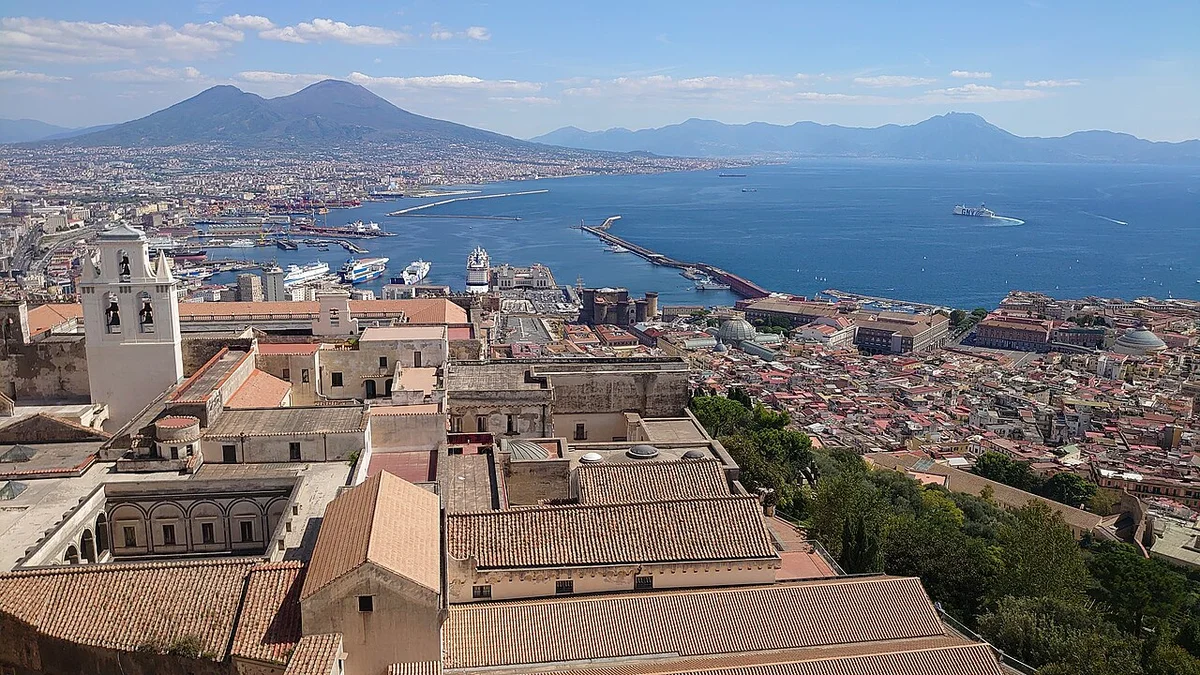
Naples in 1 day: from the port through Spaccanapoli to the legendary Marinara pizza
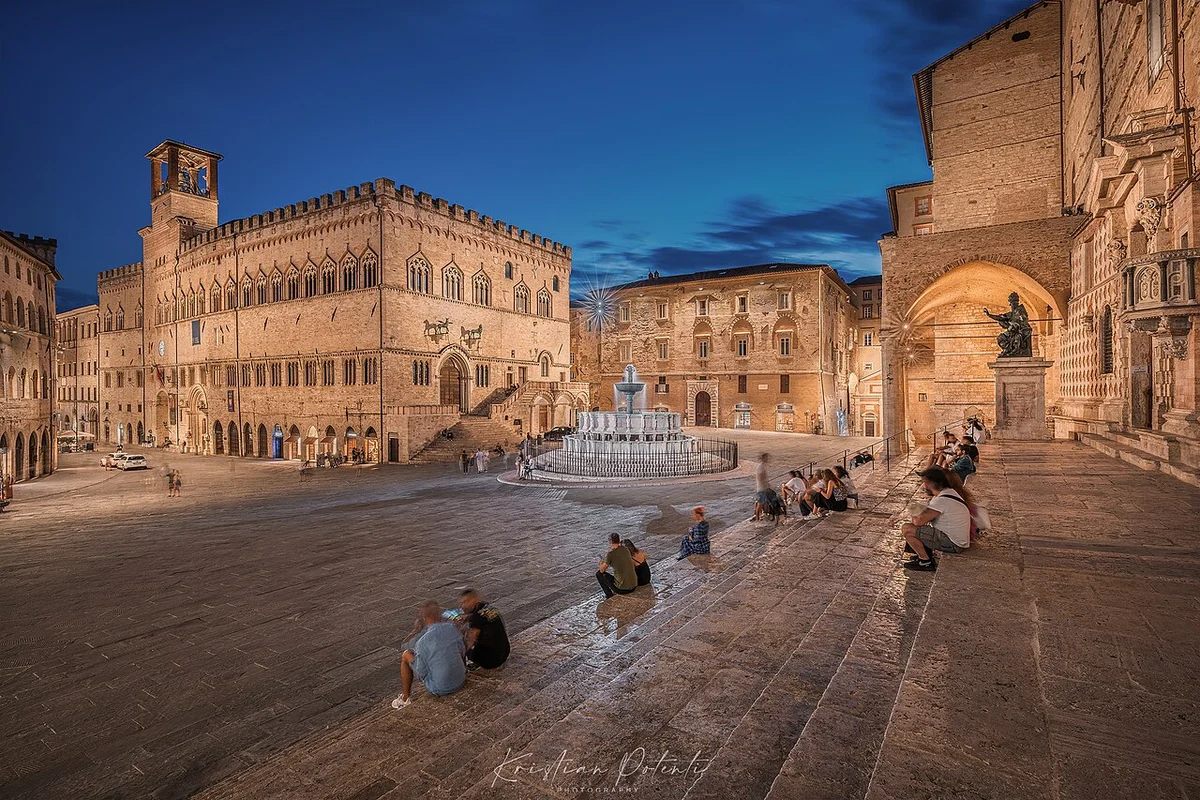
Perugia: The Eurochocolate Chocolate Festival and Umbria's Musical Evenings
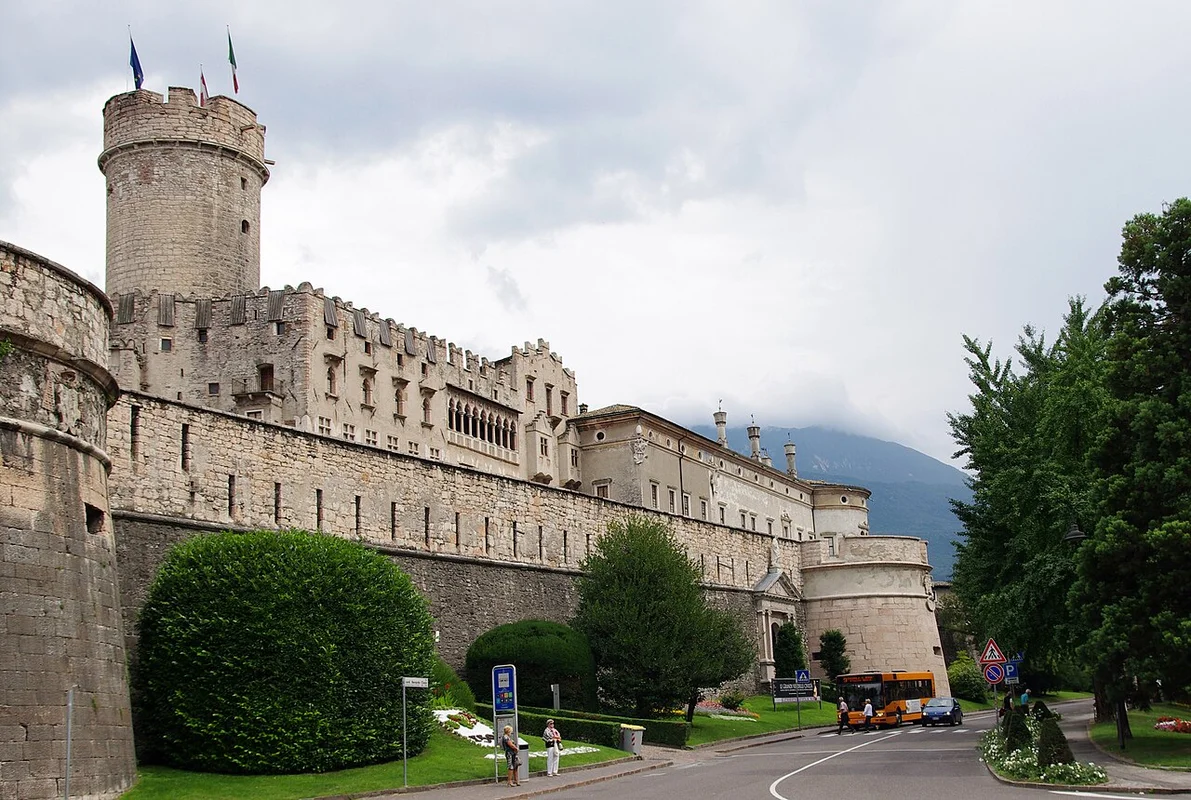
Trentino: The Castle of Bonconsiglio and the tranquil Dolomite villages – a comprehensive guide
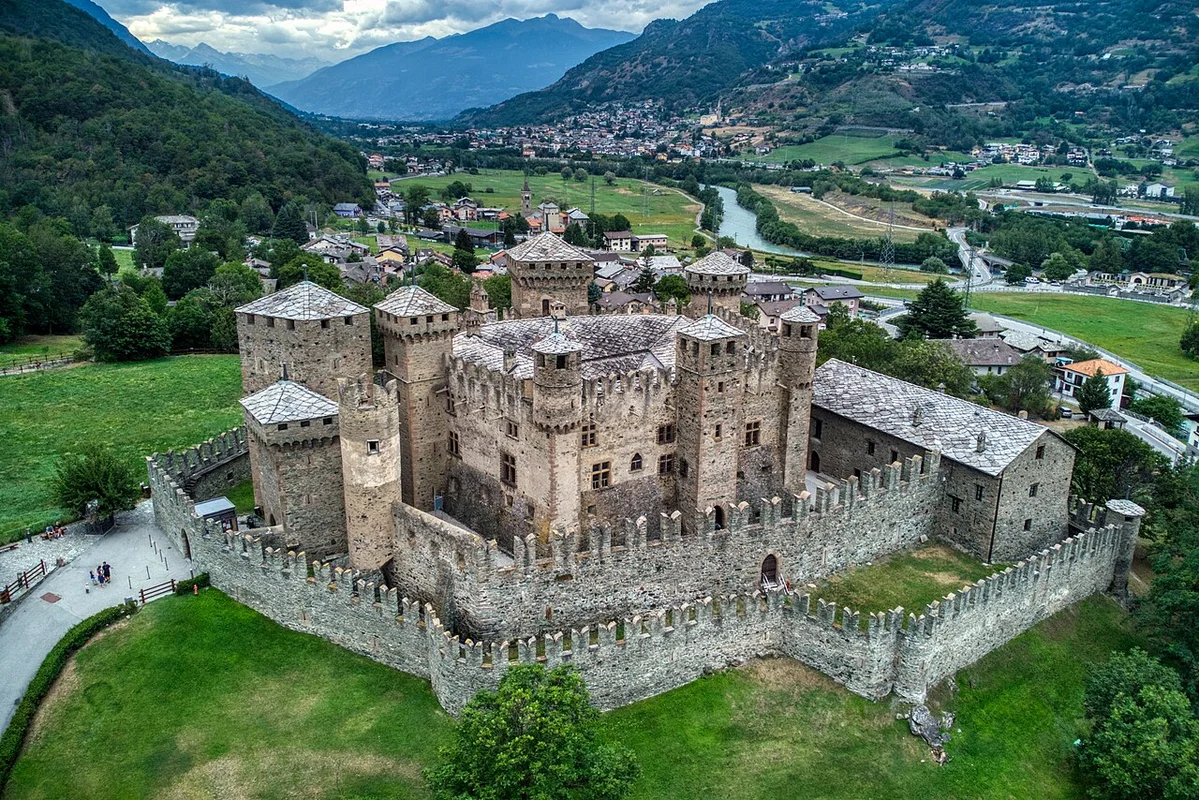
Aosta Valley: Italy's castles against the backdrop of Mont Blanc
More articles:
- Naples in 1 day: from the port through Spaccanapoli to the legendary Marinara pizza
- Perugia: The Eurochocolate Chocolate Festival and Umbria's Musical Evenings
- Trentino: The Castle of Bonconsiglio and the tranquil Dolomite villages – a comprehensive guide
- Aosta Valley: Italy's castles against the backdrop of Mont Blanc
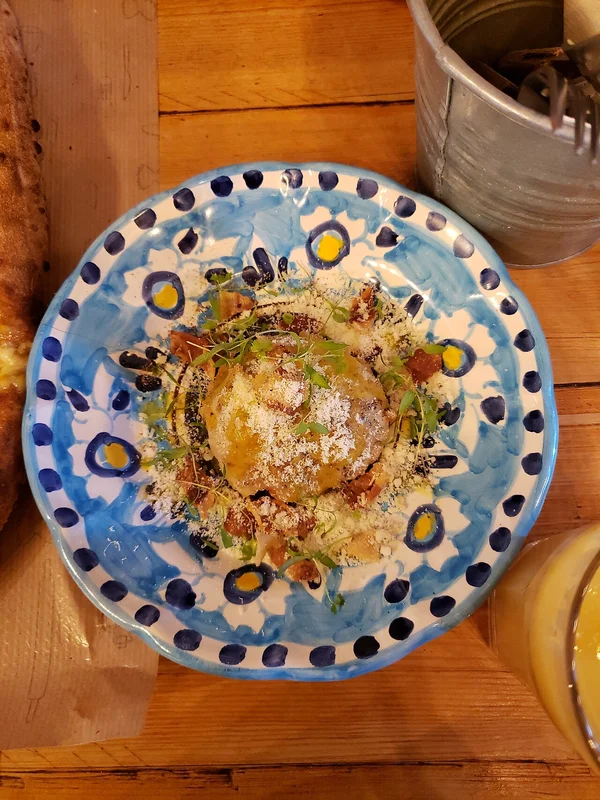 Italian cuisine by region: where to taste authentic carbonara, risotto, and straciatella
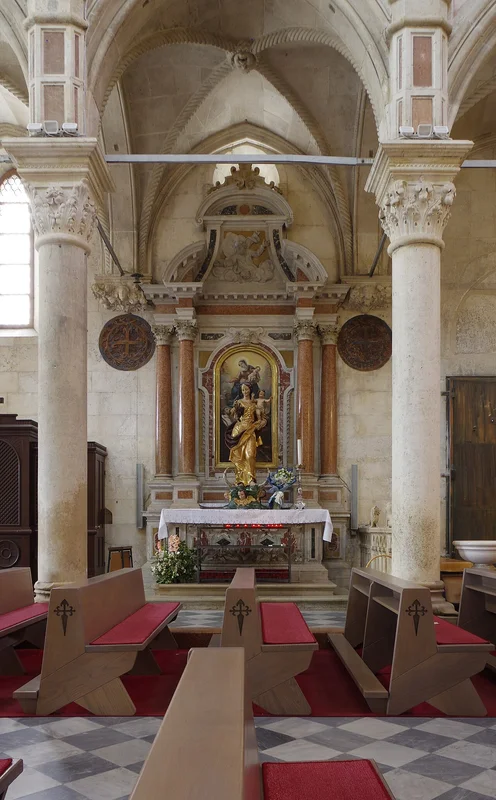 Šibenik and the Cathedral of Saint James: Renaissance along the Adriatic Coast
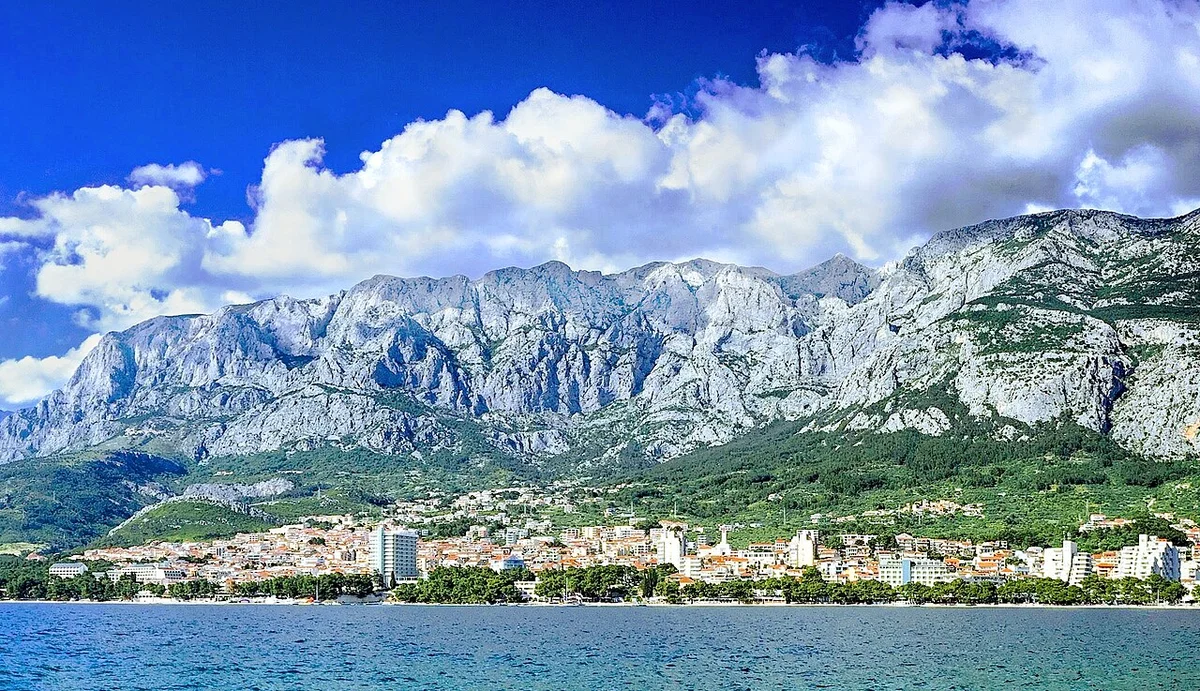 Skypevo Bioovo: a glass platform overlooking the Adriatic Sea at an altitude of 1228 meters
 Varaždin: The Baroque Pearl of Croatia and the Old Town Castle