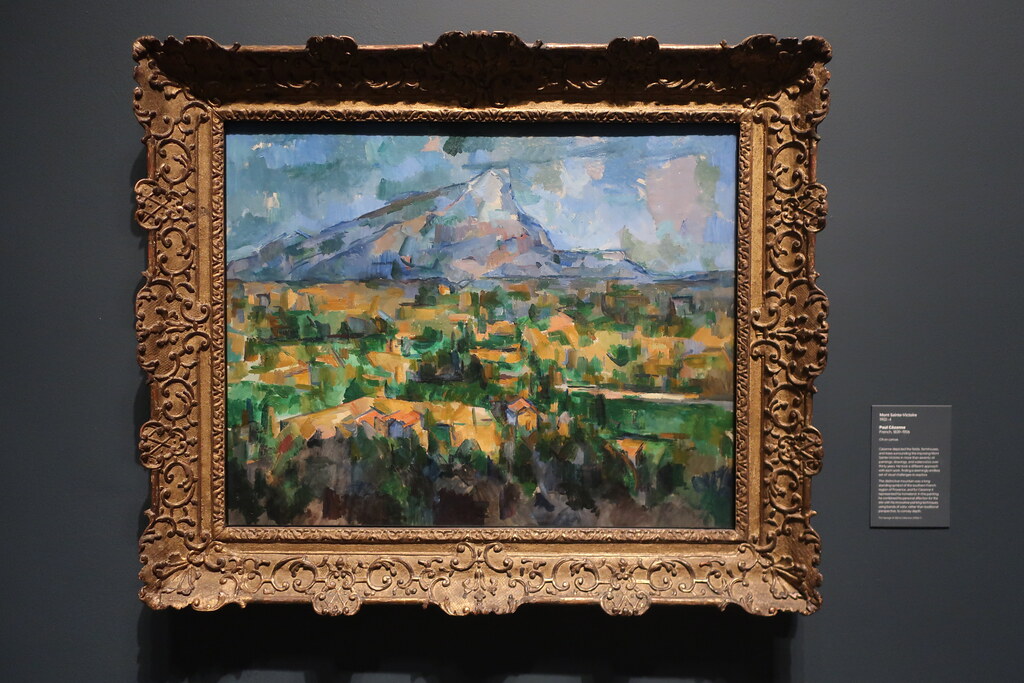
The hot springs of Aix and Sainte-Victoire: thermal baths, Mont Sainte-Victoire, and Provencal magic.
Aix-en-Provence keeps a secret buried in the ground. Beneath the cobblestones of its old town lies a hydrothermal artery — hot water at 34 degrees Celsius that rises from depths of 600 meters. This is not a tourist attraction but the foundation of the city, its very pulse. While most travelers rush to fountains and cathedrals, those who see the map differently head to the Montélimar thermal springs — where the water originates.
Montélimar Thermal Springs: Where Aix Began

The Monetarish
Today, few tourists know exactly where the Monetarish pavilion is located. The address is simple: Esrariat Street, a few minutes’ walk from the Rotonda. A GPS will lead you to the modest entrance. The water from the spring is free; you can fill a bottle, wash your hands, or simply place your hand on the stone to feel the warmth of the earth—and understand why people have stayed here for two thousand years.
Next to the spring is a small museum on Aix’s hydrothermal history — admission is free, open Monday to Friday from 10:00–13:00, Saturday from 14:00–17:00, closed on Sundays. The exhibits show how the Romans built thermal baths, what minerals are dissolved in the water, and why the water rises hot from the ground.
Provençal Thermal Baths: From Roman History to Modern Spas

The Exa thermal complex has been in operation since 1825, when hydrothermal waters regained popularity. The main facility is Thérmes de Sektius
The second center is the modern Aquae Sektiae
Schedule: Tuesday–Sunday, 10:00–20:00; closed on Mondays. Prices: child ticket (under 16 years) — 32 EUR, adult three-day pass — 135 EUR. Recommendation: Come in the mornings on weekdays when there are no school groups or retirees undergoing treatments.
Mont Sainte-Victoire and Cézanne’s Obsession

The mountain stands on the city’s eastern horizon, limestone, bare, with sharp contours, resembling a large letter M tilted forward. Paul Cézanne painted it 60 times between 1885 and 1906. Not panoramas, not picturesque views — exactly 60 paintings, each slightly different, each depicting the mountain with various lines and colors. An obsession.
Mont Sainte-Victoire
The trail starts from the small village of Les Lavandes (bus No. 13 from the center of Aix, 20 minutes, final stop Roulloubière). There is also a small café there where you can buy water (3 EUR for 0.5 liters) and sandwiches (8–12 EUR). Entry to the park is free, but during summer (July–August), there may be restrictions on the number of tourists. Morning is better than evening — by noon, the scorching rocky slopes can be mentally overwhelming for beginners.
How Cézanne Saw the Mountain, or Painting in Context with the Landscape

To understand why Cézanne returned to Sainte-Victoire 60 times, one must stand on the hill and look around rather than down. The hill is visible from any point in the town. From his studio on Rue Vauletin
The Cézanne Museum (Musée Granet, Rue Cardinalle
Hydrothermal Route: How to Combine Thermal Springs, Water, and Painting

An ideal day in Aix looks like this: in the morning (10:00), head to Monétarish, drink hot water straight from the spring, and hold it in your hands. Then spend 45 minutes at Thermes de Sèchtius for a hot water massage (book in advance, +33 4 42 35 11 00). Have lunch at a small restaurant serving Provençal cuisine on Place Rotonde — rice, vegetable ratatouille, and pink wine from the local Canserre (12–18 EUR for the main dish).
After lunch, take bus No. 13 to Sainte-Victoire, then climb the mountain (be careful of the sun, bring water, and a hat is essential). Spend two hours at the summit, then descend slowly, stopping in Les Lauves for cider (4 EUR per glass). In the evening, walk through the old town and enter the Cézanne Museum at sunset when it turns golden.
Transport: Public bus via Aix-en-Provence Transports — ticket price is 2.10 EUR per ride, with a daily pass costing 5 EUR. If renting a car, parking in the city center is paid (1.20 EUR per hour, 12 EUR per day). It’s cheaper to park outside the center and walk there.
Things to know before traveling
- Cézanne painted Sainte-Victoire 60 times — more than any other subject in his lifetime as a French Impressionist. Looking at the paintings side by side turns this obsession into an intrusive experience.
Aix Beyond the Guidebooks
When evening falls over the city, turning it purple like in Cézanne’s paintings, you realize this city is about experiences, not museums. Thermal waters literally sustained it—Romans came here to treat wounds, illnesses, and skin conditions. Cézanne came here to heal his perspective on the world.
A great breakfast (8–12 EUR) is available at Café Vidal on Esrariat Street before visiting the springs. For dinner, order Provençal fish at Riere Rebul
If you have two days in Provence, spend one day at the thermal baths and exploring the Roman baths’ history, and the other day in the mountains, along the trails, and appreciating Cézanne’s works. This isn’t a tourist route—it’s an existential reset.


