Sôrzhainho: a medieval village in the cliffs of Portugal and a hiking trail through the gorge
The first time I arrived in Sozhaninio was completely by chance, when I took a detour off the main road to find shelter from sudden rain. But instead of a cave, I found the gates of a castle, and behind them—a whole world where time had stopped. The village seemed to be rooted in a granite plateau, making it impossible to tell where the rock ended and the buildings began. This sensation completely changes one’s perception of medieval life: people here did not live beside nature but within it.
The Castle Walls and Entry to the Middle Ages

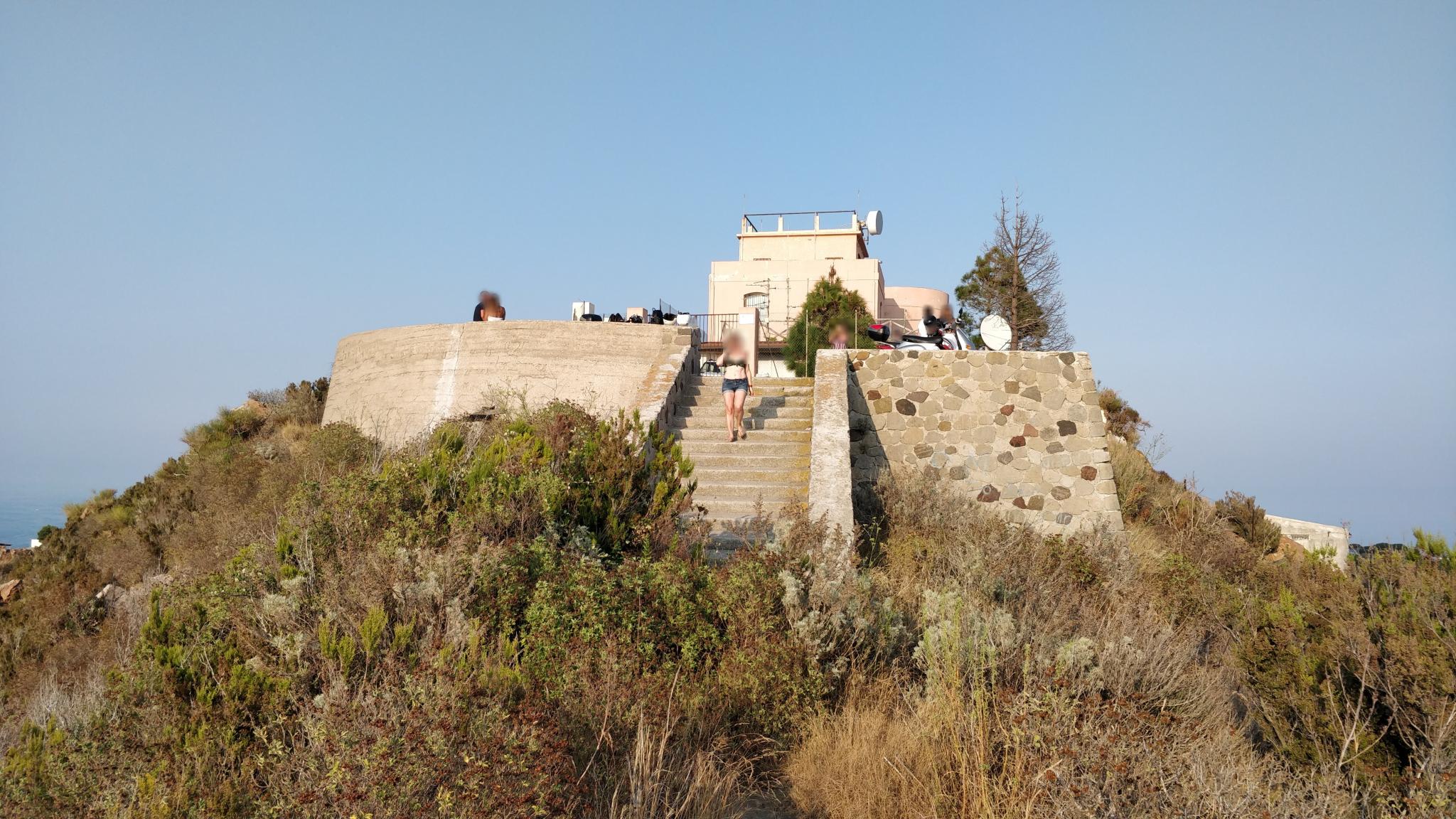
Sozhainyo has guarded the Portuguese border since these lands were still contested between the kingdoms of Portugal and León. The castle is built from raw granite extracted directly from the rock, and its walls form a closed perimeter that protects the village from external attacks. The entrance through the monumental gates
No ticket is required to enter the village — the tourist center is located at the entrance and is open Monday through Friday from 09:00 to 17:00, and Saturday through Sunday from 10:00 to 18:00. Visiting the village itself is completely free. I recommend stopping there first: they provide a map with marked routes and give information about the schedule of rare tours led by a historian (usually on weekends, around 15 EUR per person).
Few people know that the walls of Sozainho are 8 meters high and have remained completely untouched since the 15th century. No renovations, no reinforced concrete — it is an original defensive structure that survived the 1755 earthquake in Lisbon, which destroyed cities hundreds of kilometers away.
Walking through narrow streets: a labyrinth of stone and silence

There are only about 30 residential houses inside the village, all arranged so closely that it seems the architect deliberately designed them as a single unified entity. The main street (Ruа Рrіnсіраl) begins right behind the castle gates and leads to the central square with its church and chapel. Some side streets are as narrow as 1.5 meters, acting like veins running through the village’s granite body.
The roofs of the houses are made entirely of slate extracted from nearby quarries. The dark gray color of the roofs contrasts with the whitewashed walls, creating a visual effect reminiscent of a medieval town from a postcard. Many houses have been restored and converted into small hotels and cafes, but a few remain residential—habited by descendants of the ancient inhabitants—which gives the village a sense of reality rather than being a museum.
Fun fact: Sózaneão is the highest medieval settlement in inland Portugal, located at an altitude of 760 meters above sea level. This means it often has snow in winter, and summer nights are cool. The medieval inhabitants chose this location intentionally — from here, all approaches by enemies can be seen from kilometers away.
Canyon Zézere: Hiking Around the Village

The most popular route starts right from the village and leads down into the Zêzere River canyon (Zêzere Canyon Trail). This is not mountaineering; it’s a gentle hiking trail that takes 2-3 hours to go and just as long to return. The start of the trail is marked with yellow arrows on the rocks, so getting lost is impossible.
On the descent, you’ll pass by several granite caves that were used as cells by local monks in the 17th century. In one of them, you can still see indentations in the rock that served as beds and tables. The bottom of the canyon is about 300 meters lower, where there’s a river with crystal-clear water. You can swim here during the summer months, but keep in mind: the water is incredibly cold even in August.
Few people know that the Zézere Gorge is part of the largest system of granite faults on the Iberian Peninsula. The rocks here are not weathered but fractured by tectonic forces millions of years ago, and they continue to slowly break down each year, creating new caves and grottoes.
Where to stay and eat inside the cliffs

There are no chain hotels in Sozhaninho, and that’s a good thing. Instead, there are several small guesthouses here, each with 4-8 rooms, all located inside medieval houses.
Casa da Torre
Sortelha Medieval Hotel
There are only two restaurants, and both operate exclusively by reservation (this is important!). Reservations must be made one day in advance by calling the tourist center or hotel. Local cuisine includes hunting soups (saldо dе саçа), grilled goat meat (саbrіtо), and cheese made from sheep’s milk. The main dish costs 12-18 EUR, while locally produced wine costs 8-12 EUR per bottle.
Interesting fact: In the Middle Ages, the population of Sojaniño reached 400-500 people. Today, only 15-20 permanent residents live here, but in the summer students from Coimbra and Lisbon come to restore and live in the old houses — a unique form of tourist residency.
How to Get There and Visiting Tips
Sozhaninio is located 60 km from Guarda, the region’s main transportation hub. It takes 1 hour to reach the village by rented car along a winding mountain road from Guarda. Public transportation is limited here: buses are available only on Tuesdays and Saturdays at 7:30 and 14:00, requiring a 1.5-hour journey.
Parking is available right in front of the castle entrance and is free. The nearest airport is Viseu Airport, 90 km away, where you can rent a car (around 35-50 EUR per day). Another option is to come from Coimbra, 120 km away, which offers more transfer options.
The best times to visit are May-June and September-October. It is hot (above 30°C) and very dry in July-August, but there are still few tourists. In winter (November-March), roads can be slippery due to ice, and it often rains. One warning: there is no ticket office in the village, nor any card payment points—bring cash in euros.
Few people know that Sozhaninio is part of the Portuguese government’s program to preserve historical heritage, and medieval festivals are held here every two years (usually in June). These festivals recreate tournaments, prepare historical cuisine, and bring the village to life as if we had gone back 500 years.