Modena balsamic vinegar: tastings in ducal palaces and production secrets.
Modena is paradoxical: a medieval city with imposing walls of ducal fortresses actually hides sweet secrets in its cellars. When you descend into the atriums of traditional acetaia—factory-style houses where balsamic vinegar matures—the air turns black from vinegar vapors, and temperatures can soar by 20 degrees Celsius between floors. This is not romance; it is a production process that lasts longer than a human lifetime.
What is true balsamic vinegar and why Modena is its only home

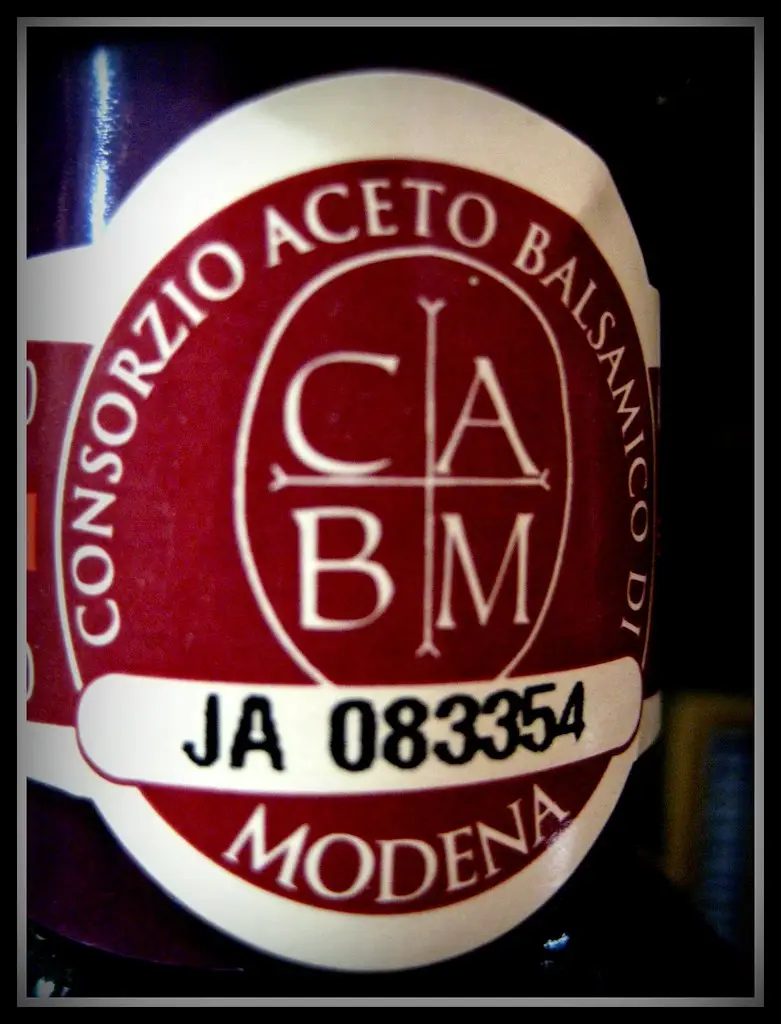
The vast majority of balsamic vinegar you see in stores is counterfeit. Authentic Traditional Balsamic of Modena can age for 12 to 150 years, and every drop must be produced only in the province of Modena under strict regulations set by a consortium. Fun fact: a bottle of 100-year-old balsamic vinegar costs 500–700 euros per 100 ml, making it more expensive than many premium Tuscan wines. This isn’t by chance: 10–15% of the liquid evaporates each year (a process known as “angels’ share,” similar to that in cognac).
The production begins with mustum — boiled grape juice from Trebbiano and Lambrusco varieties. The juice is poured into a series of wooden barrels of different sizes: Tuscan oak (the largest), chestnut, cherry, and ash. Each year, the balsamic is transferred to a smaller barrel to intensify its flavor. This process is called acetification, and each family has its own “glass window” to history — old barrels marked with the year of production.
What few people know is: The Modena province consortium enforces strict controls, to the point where even the water used to clean equipment must not contain iron above a certain level. In 2010, a competitor from Emilia-Romagna tried to register their balsamic under the Modena brand — the consortium sued and won, proving that the water from their source contained minerals different from those in Modena.
Factory Owners-Winemakers: Acetaias as Family Sanctuaries

Asetaia is not a modern factory but a three-story building integrated into Modena’s medieval architecture, with its upper floors in direct contact with the outdoor air. Temperature fluctuations are part of the process: balsamic thickens in winter and softens in summer, and it is these cycles that create depth of flavor. Fun fact: the Asetaia Gjusti family factory (founded in 1747) has archives documenting every barrel over 276 years — equivalent to a national archive for a single product.
Visiting a sake brewery is not an industrial tour but an immersion into a private space. Most traditional producers (about 150 are registered in the consortium) limit tourists to a few hours per week. You will climb wooden ladders, feel the air grow thicker, and hear the distinctive “pop” of bottle caps being opened. The smell is not a pleasant aroma but a sharp, almost pungent scent of vinegar vapor that can make your head spin slightly.
Tasting takes place in rooms on the lower floors. It is customary to try the youngest sake first (12 years old) and move to the oldest. Each category has its own color: dark brown (young), nearly black (medium age), and liquid black like lacquer (century-old). On the tongue, it offers sweetness with acidity that does not burn but rather feels like it “twists” slightly.
Top Sake Breweries: Where to Taste and How Much It Costs
Asia Giusti
Assetia Malpighi
Assetia Comunale di Spilamberto
What few people know: there are also collectible assetias that produce one or two barilotti (a set of barrels from smallest to largest) per year. Approximately 40 of these remain in the region and are hardly accessible to tourists. However, through the TEVAM association (Tradicionali Emiliane Valsamis Assetie Modena), a private visit can be arranged for 60 euros per group of 4 people.
Ducal Palace and visits to regional museums

Palazzo Razzolo Ducale
Museo Civico d’Arte
Fun fact: The Este Ducal Palace, which the Dukes of Modena converted into barracks, had a secret passage through which servants would descend to the cellars to fetch balsamic vinegar for special occasions. In the 17th century, balsamic vinegar was considered a secret weapon in diplomacy: the dukes gifted it to European monarchs as a precious medicine.
Gastronomic route: where to try balsamic vinegar in food

Ostéria Francescana
Trattoria Ermes
Enoteca Ghirlandina
What few people know: In Modena, there is a secret practice among local chefs: using balsamic vinegar from the 1945 harvest (when World War II ended) as a talisman. A few producers have preserved barrels from that year, which are considered sacred treasures. At auctions, such balsamic vinegar sells for 10,000 euros per 100 ml.
A Practical Day in Modena: From Morning to Evening

9:00 — Arrive at Modena train station (direct trains from Bologna, 45 minutes, 8 euros one way). Or by car: 40 km east from Bologna via A1/E35 (about 50 minutes).
10:00 — Breakfast at Barber Giacomelli (via Emilia Est, 10): sarusino + cornetto + local bread with butter and jam (8 euros). Locals gather here, and tourists can overhear conversations about balsamic vinegar (this is not a sports café but the headquarters of Modena’s “balsamic culture”).
11:00 — First tasting. Options: either Giusti (more grandiose, tourist-oriented) or Malrigi (more family-friendly). Tasting plus tour: 2 hours, 25-30 euros.
13:30 — Lunch at Trattoria Ermes. Tortellini + Parmesan + a glass of Lambrusco (a red sparkling wine from Modena, very inexpensive): 28 euros per person.
15:00 — Visit to the Palazzo Ducale (if a tasting is included) or the Museo Civico d’Arte. One to one and a half hours, entrance fee 10 euros.
16:30 — Coffee and purchase of a small bottle of balsamic vinegar at the shop at the tasting venue. Tip: Do not buy from tourist shops on Via Emilia — prices are 40-50% higher. It’s better to buy directly at the tasting venue or at the Ghirlandinia winery.
18:00 — Evening walk through Piazza Grande
19:30 — Dinner. If there are no reservations at Osteria Francescana, choose one of the trattorias (Ermes, if you haven’t eaten there for lunch, or Aldina, via Albinelli 40
21:30 — Return to the train station. Trains to Bologna depart every 30 minutes until 23:00.
Daily budget: breakfast (8) + lunch (28) + dinner (40) + museum (10) + coffee and snack (6) + small bottle of balsamic (50) + train fare (16) = approximately 186 euros per person, excluding hotel and a second meal.
When to go and what the weather will be like
The best times for tastings are April–May and September–October. During these months, wineries operate normally, the weather is mild (18–22°C), and tourists do not interfere with each other during tours. In summer (July–August), it is hot (28–32°C), and the cellars inside wineries are stuffy, although temperature fluctuations are more extreme.
In winter (December–February), some wineries close for limited service, but the main ones remain open. Snow is rare, but fog is common over the Padoan Plain.
Fun fact: During the Modena Valpolicella Festival (usually in October), wineries open their doors for one night, allowing you to move between producers like in a wine marathon. It is free but requires registration. In 2024, it took place on October 12.