Covadonga Wool Museum: Portugal’s textile heritage and a route through the Serra mountains.
Covilhã isn’t a tourist hotspot like Lisbon or Porto, but if you’re looking for a place where craftsmanship thrives and history is woven into every thread, this city in the Serra mountains will be a revelation. The Wool Museum here isn’t a museum in the traditional sense but rather a living archive where textile production traditions aren’t displayed in vitrines—they’re actively in use: workshops sit next to the exhibits, 21st-century machines share space with 17th-century tools, and the air is filled with the scent of wool and history.
Why Covilhã Became the Capital of Portuguese Textiles

Covado is located in the foothills of Serra da Estrela, at an altitude of about 500 meters above sea level. This geographical feature is key to understanding why ancient weavers chose this town. The cool climate, mountainous pastures with sheep, and clean mountain streams for washing fabrics—all combined perfectly. The earliest mentions of wool production in Covado date back to the 14th century, but the textile craft reached industrial scale in the 19th century when foreign merchants flocked here.
What few people know is that during the peak of its textile industry (the 1800s), Covado sold woolen fabrics not only to Europe but also to Brazil—where there was a large Portuguese diaspora—and high-quality fabrics became a status symbol. At the height of production, more than 500 weaving workshops were in operation.
Fun fact: The city has changed its name several times due to political changes in Portugal. Covão (the modern name, derived from the ancient Portuguese word “cova” meaning trap, referring to a valley here) is the result of a geographical names reform in 1926.
Wool Museum: How It Works and What to See There

The Lanús de Covadou Museum (Musеu dе Lаnіfíсіоs dе Соvіlhã) is located in the city center and occupies several historic buildings that were once textile factories. Admission: 5 EUR for adults, free for children under 12. Hours of operation: Tuesday to Sunday, 10:00-17:30, closed on Mondays
The exhibition is divided into several sections. The first focuses on the history of textiles in Portugal: it displays samples of fabrics from different eras, as well as weavers’ tools such as 15th-century spinning wheels, hand looms, and iron combs used for preparing wool. The second section covers the production cycle: from shearing sheep to producing finished fabric. This is not abstract—live demonstrations take place in the museum: on certain days (usually Wednesdays and weekends), craftsmen operate historical looms to show the weaving process in person.
The third and most interesting part is the modern workshop at the museum, where fabrics are handmade. Scarves, blankets, and clothing made right on museum grounds are also sold here. The price of a handcrafted scarf ranges from 35 to 70 EUR, depending on the complexity of the pattern and the quality of the wool.
What few people know is that the museum’s basement holds an archive of textile samples from the 17th and 18th centuries — it can only be viewed with prior reservation. The tour lasts 45 minutes and costs an additional 8 EUR. It’s truly a worthwhile experience for enthusiasts of textile history or designers.
Covadu’s Ancient Workshops: A Tour of the Working Districts

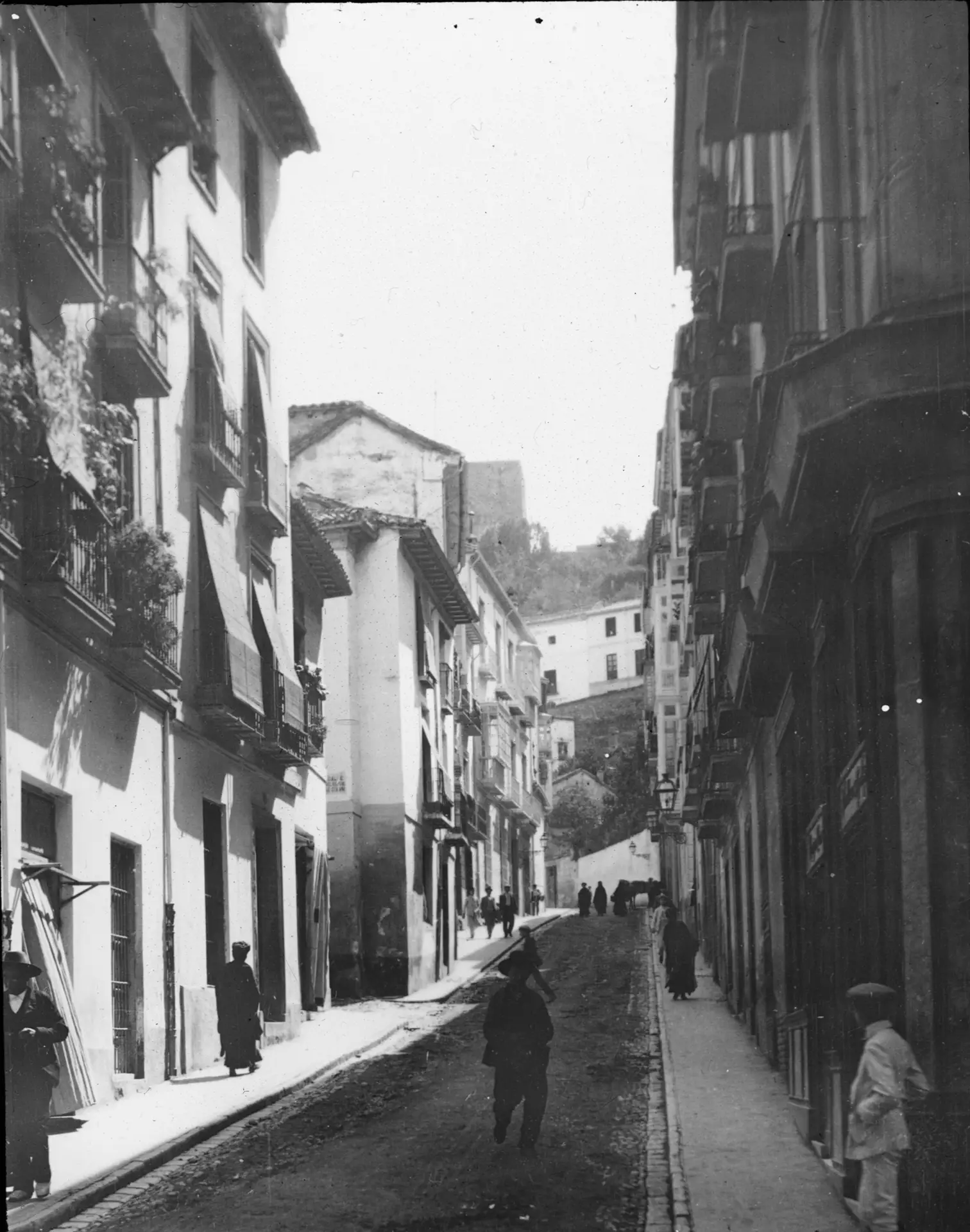
The museum is a starting point, but the real history lies beyond its walls. Dozens of old textile factories are scattered across Covão, many of which are still in operation or have been converted into galleries, cafes, and mini-museums. It’s worth walking through the Rua da Paixão district and the surrounding streets, where you can see multi-story stone buildings with tall windows (this design was intended to allow maximum natural light in the workshops). Some facades are painted with historical murals that depict the wool production process.
A notable factory worth visiting is Fábrica de Aráujо
Fun fact: Covão has the only production site in Portugal for traditional fabric used in priests’ and monks’ robes. This fabric is made using a recipe from the 16th century and is supplied to monasteries across the country.
Route through the Serra Mountains: from textiles to nature

Covilha is an ideal base for exploring the Serra da Estrela, Portugal’s highest mountain range (with Balcão peak reaching 1993 meters). The trails here range from easy walks to strenuous hiking expeditions.
Route 1: Covadou — Baxqu village — viewpoint (easy, 6 km, 2.5 hours). It starts right from the center of Covadou, with a winding path through the forest. Along the way, you’ll encounter ruins of old shepherd huts — locals call them “xistases.” The final destination is a viewpoint at 1700 meters high with a view of three valleys. On clear days, the peaks of neighboring mountain ranges can be seen.
Route 2: Lake Covada da Beira (moderate, 8 km, 3.5 hours). This is the only alpine lake in Portugal, located at 1550 meters altitude. The water is icy cold (not exceeding 12°C even in summer), but the area around the lake is stunning: rocks, alpine plants, and flocks of sheep on high-altitude pastures. The route is not difficult but requires basic fitness. Return is usually taken via a different path — through the village of Mantalegre (which adds 2 km).
Route 3: Linear trail from Covadou to Guarda (challenging, 25 km one way, 7-8 hours). This isn’t just a walk—it’s a challenge. The trail descends from Covadou down the slopes of Serra, crosses several streams, passes through abandoned villages, and leads to the neighboring town of Guarda. Preparation, good boots, and navigation are essential (a GRS track or guide is recommended). But the scenery is utterly wild: you’ll hardly encounter tourists, only shepherds with their sheep and true Portuguese countryside.
Local cuisine: where to eat and what to try

There are no Michelin-starred restaurants in Covão, but the local cuisine is honest and delicious. Traditionally, dishes made from lamb (which is logical given the number of sheep in the mountains) and cheese made from sour milk are prepared here.
Restaurant Solmar (Саsа Sоlmаr)
Cafe Texel (Саfé Техtіl)
Few people know that Covada produces its own cheese, Serra da Estrela — one of the most expensive cheeses in Portugal (around 15-20 EUR for 200 grams). It is made from milk from sheep that graze in the mountains and has a creamy texture with a nutty flavor. It can be purchased at the local market (open on Wednesdays and Saturdays from 8:00 to 13:00).
How to Plan a Weekend in Covada
Day 1 (Friday evening or Saturday morning): Arrive in Covada and check into a hotel (I recommend Hotel Solmar or Casa de Nela Guesthouse — both are in the center, costing 50-80 EUR per night). After lunch, visit the Wool Museum for 2-3 hours, then stroll through the old workshops, and have dinner at Solmar.
Day 2: Head out early on a trail to Lake Covada da Beira (start at 8:00). Return by 16:00, relax in a café, and have dinner.
Day 3: If you have time and are in good physical condition, take the route to the Bascu viewpoint (shorter than the lake route). If not, visit the Araújo factory and head to Guarda or Porto after lunch (both cities are a 1.5-hour drive away).
Fun fact: Covão is exactly halfway between Porto and Lisbon (both cities are about a 2 hour 20 minute drive by car or bus). It’s an ideal halfway stop if you’re traveling from one city to the other and want to split your journey into two parts.
Practical information: transportation and costs
How to get there: From Porto to Covão, take a train (2.5 hours, 15-20 EUR) or a FlixBus (3 hours, 10-15 EUR). From Lisbon, take a train (4 hours, 25-35 EUR). Check train schedules on the CP (Comboios de Portugal) website.
Local transportation: Kovada is quite compact, so walking is sufficient. For trips to the mountains, it’s better to rent a car (starting at 40 EUR per day) or hire a taxi (a local driver will charge around 60 EUR per day for two people).
Best time to go: April–May and September–October are the ideal months. It can be hot in summer (July–August), and the mountains are closed off by snow and mud in winter. The best time for photography is in the morning, when the sun is low and casts a golden light on the mountain ranges.