Mora and Siljan Lake: a route around Sweden’s crystal-clear lake.
Articles
Travels across Europe

Mora and Siljan Lake: a route around Sweden’s crystal-clear lake.

Mora is a village at the heart of Dalarna, where Lake Silljan shines like a giant mirror amid the forests, and the local museum preserves centuries of Swedish naive art. The route around the lake offers 87 kilometers of fresh air, red wooden houses, and places where Swedes have historically created wonders with wood and paint.

The sea lies on the shore of Lake Siljan — Sweden’s sixth largest lake, appearing as an endless expanse of water stretching 110 kilometers. The town is famous not for its tourist lodges but for its cultural resilience: artists and woodcarvers have lived here, and every second house holds the history of a craft. Lake Siljan is more than just a lake; it is a symbol of Dalarna, the province that shaped Swedish design and the world’s understanding of Scandinavian aesthetics.

Dalarna Museum: Where Naive Art Becomes a World Standard

Interior of the Dalarna Museum: traditional painted objects and Dala horses
The Dalarna Museum’s collection holds 5000 items of traditional Swedish art from the 17th century, ranging from carved dolls to painted pottery.

The Dalarna Museum is located in the center of Mora and houses one of the largest collections of traditional Swedish art, with over 5000 items dating from the 17th century to the present. It is not an academic exhibition but a living space where each painting, Dala horse, and carved bowl tells a story about the lives of peasants and craftsmen. Admission is 120 SEK (about 11 EUR). The museum is open Tuesday to Friday from 10:00 to 17:00, Saturday to Sunday from 11:00 to 17:00, and closed on Mondays.

The crown jewel of the collection are original works by Anna Hult and Michael Fleming from the 18th century, the creators of the very Dala horse style now recognized worldwide. The museum features an interactive workshop

where visitors can try painting their own wooden items using traditional motifs — the cost is 150-250 SEK per session (1-2 hours).

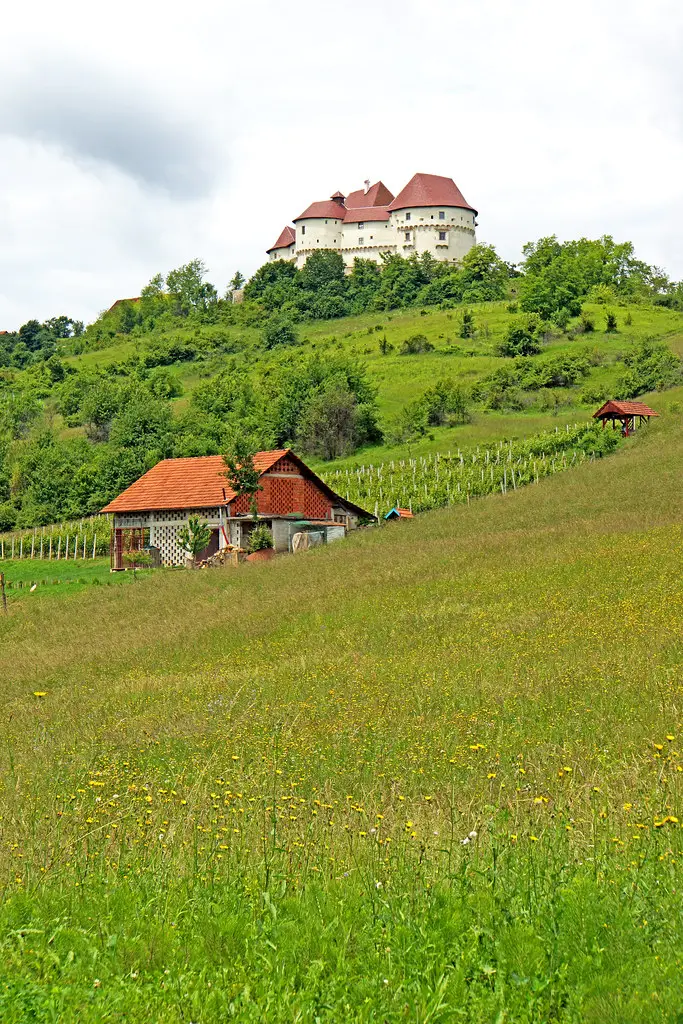
Route around Lake Siljan: 87 kilometers of crystal-clear water and red houses

Kopparberg mine in Falun: an ancient copper mine with an underground lake
The historic Kopparberg copper mine was in operation for over 1000 years and gave rise to Dalarna’s famous red paint — a source of the world’s Scandinavian reds.
Bicycling route around Siljan Lake: red wooden houses and green shores
The 87-kilometer Sіljаnslеdеr route covers the entire lake shore and passes through eight villages with traditional architecture.

The Sіljаnslеdеnрун route around the lake is an 87-kilometer circular path (via E45 highway and local roads) that follows the entire lake shore and goes through eight villages, each with its own history. The best way to explore it is by car over two days, or by bicycle (it’s challenging but doable—Mora Sуkеluthуrnіng bike rental shop offers mountain bikes for 250 SEK per day).

North Coast: 20 km north from Mora to the village of Orsa

, where Orsa Grönklitt is located — a wildlife park with bears, wolves, and lynxes living in semi-free conditions. Admission is 189 SEK (17 EUR), open daily from 10:00 to 16:00. It’s a huge attraction for families, and it’s not just a zoo — it’s a real piece of Swedish taiga with wild animals.

East Coast: The village of Lexand

— 30 km south from Mora, famous for its traditional lake wedding procession (Midsommar Dansen, late June), where girls in traditional costumes dance on the dock. The village of Rattvik
— another 15 km away, home to the magnificent 16th-century Rattvik Church and a cluster of 18th-century red cottages that look like they’re from an outdoor museum.

West Coast: the town of Falun

— the birthplace of Dalarna’s red pigment (Färglасkеrіng, a famous red dye extracted from copper mines). The Copperberg mine
, which operated for 1000 years (until 1992), is still preserved here. The entrance to the mine museum costs 95 SEK, and a tour of the mine itself costs 199 SEK (a 45-minute descent 70 meters underground). It is one of the most unique places in Sweden: cold temperatures at the bottom, an underground lake, and a medieval atmosphere.

Best spots for photography and picnics on Siljan Lake

The view from Mora Park (Mоrа Раrkvägеn)

— a classic view of the lake from the pier, with a beautiful sunset at 9:30 p.m. in summer (June). The park is open 24/7 and free to enter. There is also Mora Vad beach open in summer — an indoor swimming center with a pool, sauna, and café (entry fee: 110 SEK).

Soliden Rock (Solidenskalan)

— an observation platform 50 meters above the lake, 15 km north of Mora along the road. It offers a panoramic view with the lake visible in 360 degrees. Parking is available for free, and it gets crowded in summer, but it’s worth the visit.

Village of Nussnäs (Nussnäs)

— a small village-workshop where craftsmen have traditionally made dala-horses. During the summer season (May-September), visitors can tour the open workshops and purchase original wooden carved horses for 400-1200 SEK. These are not museum replicas but works by living craftsmen.

Eat, Stay, Buy Souvenirs

Restaurant Kung Carl’s Värdshus

— traditional 19th-century Swedish cuisine right in the center of Mora. A lunch of salmon, cranberries, and traditional bread costs 180-220 SEK. It is open daily from 11:30 to 21:00, except on Mondays.

Morabakeru Café & Bakery

— sweet pastries, Swedish-style coffee, and cardamom-filled mini-buns. Breakfast costs 60-90 SEK; it’s very local and authentic.

Where to stay: Sijansbogdens Hotel

— a three-star hotel with a rate of 95 EUR per room for two, offering lake views. Or for a more budget-friendly option, Mora Vandrarm Hostel
, with beds costing 35 EUR and access to a kitchen and sauna.

Souvenirs: There are hundreds of shops in Mora’s center selling Dala horses, but buy them from the craftsman shops in Nusnes or directly at the Dalarö Museum — there you’ll find original works by local artists, priced at 500-2000 SEK each. Painted wooden plates and traditional textiles (towels, tablecloths) with Dalarö motifs are also popular, costing between 150 and 500 SEK.

When to go and practical details

The best season is May to September, when the lake and workshops are bustling with activity. June (Midsommar, the summer solstice) is the peak time, with traditional dances by the lake taking place in Lexand and Rattvik, but it’s very crowded. July and August are the beach season—the lake is warm (up to 18-20°C), but it’s hot and touristy.

October to April sees the lake calm down and workshops close, but the colors on the trees (September–October) and winter landscapes are extremely beautiful for photographers. There is plenty of snow, and roads are cleared.

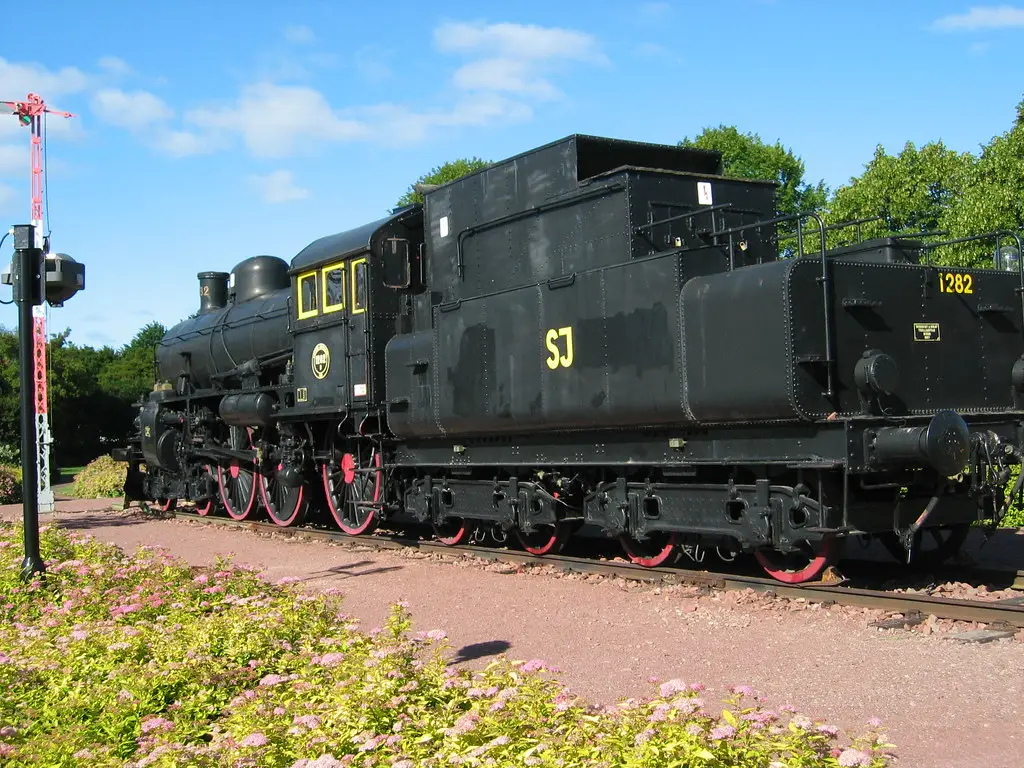
How to get there: By train from Stockholm (SJ Trains, 3.5 hours, starting at 300 SEK = 27 EUR, arriving at Mora Station

). Or by car (350 km, 4 hours) via E4 and E45. Copenhagen Airport (1300 km) or Stockholm Airport (350 km) are the standard entry points.

Language: The museum has English-speaking guides and descriptions, but we recommend downloading the Sіljаnslеdеr app (a map of the lake’s routes) — it works offline in English and German. Wi-Fi is good at the hotels and cafes in Morы.

Recommended articles

Find the Best Professionals for Your Project

Expert repair, construction, and renovation specialists ready to help you right now