90 Years Ago: Howard Carter's Expedition Discovered the Stone Coffin of Pharaoh Tutankhamun2 photos
For centuries, Egypt’s advanced culture has amazed people around the world. Scholars and philosophers from Greece traveled to Egypt in search of knowledge. The Nile River valley was also a place where sick and weary travelers sought healing, as Egyptian doctors were renowned for their medical skills. But above all, Egypt attracted people with its unparalleled masterpieces of art. Tombs, like sealed chambers, preserved ancient treasures of art. Among them was the tomb of Tutankhamun—the only one to remain untouched, almost intact until it was discovered in 1922 by British archaeologists Howard Carter and Lord Carnarvon.
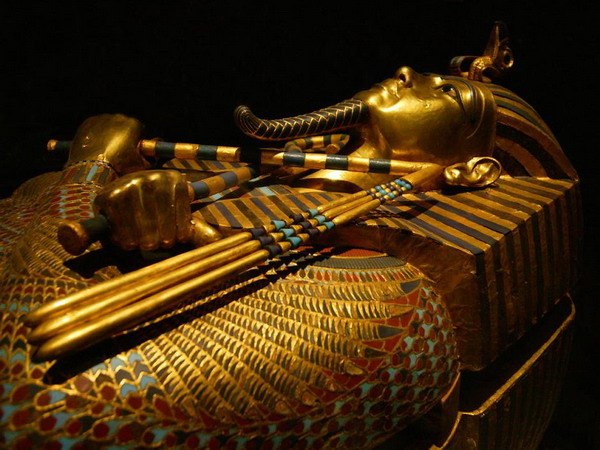
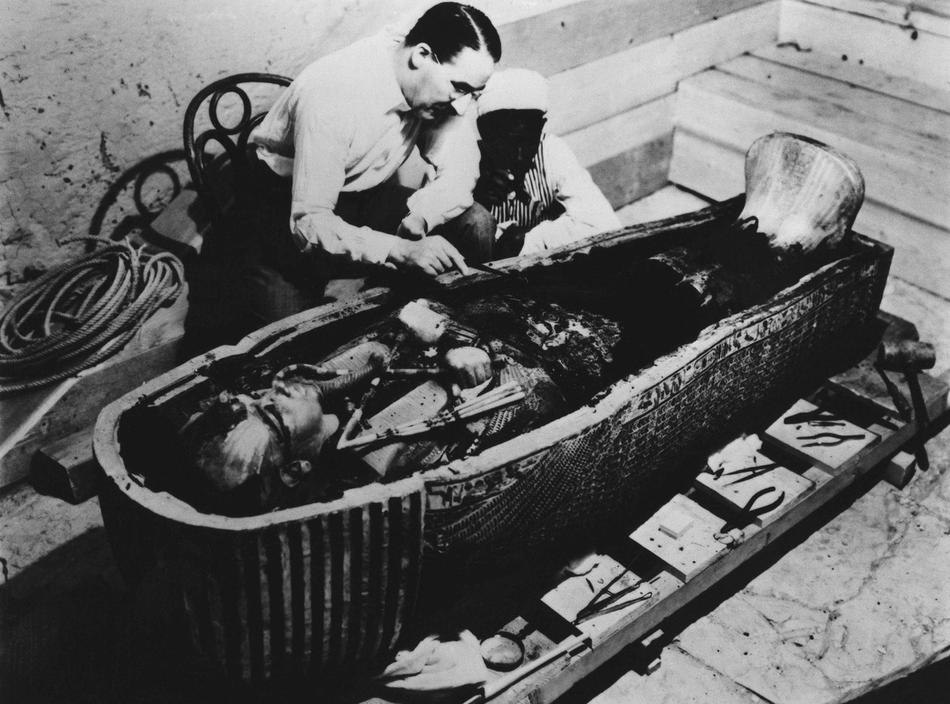
The Valley of the Kings, located on the west bank of the Nile opposite Luxor, has been a site of archaeological excavations for centuries. Many expeditions had already explored much of it, leaving little hope for new discoveries. However, Carter was convinced that Tutankhamun’s tomb lay somewhere in this area. Scientists held out hope that they might find the entire burial site intact. On February 16, 1923, Carter’s team discovered the pyramid’s most precious treasure: the stone coffin of the pharaoh.
When the coffin was opened in February, inside it was found a golden sarcophagus containing the pharaoh’s mummy. The coffin was made of gold and weighed over 100 kilograms, while the mummified body was carefully preserved. The room surrounding the coffin was filled with countless precious items, so much so that it took five years to catalogue and organize them all. The sarcophagus with Tutankhamun’s mummy remains in his tomb in the Valley of the Kings, while the treasures found there are now displayed in the Cairo Museum.
Find the Best Professionals for Your Project
Expert repair, construction, and renovation specialists ready to help you right now
Recommended Galleries

Irving Thalberg: The Legendary Hollywood Producer Known as 'Hollywood's Child Prodigy'
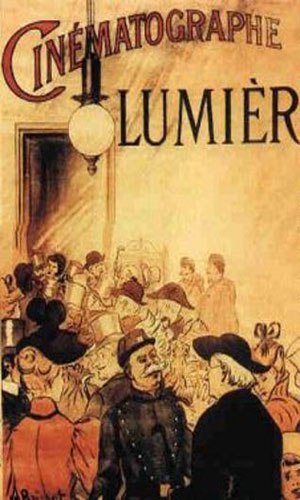
On February 13, 1895, the Lumières brothers patented the first device for creating moving images. According to legend, the story of this invention is as follows: One night, Louis Lumière suffered from a severe headache that kept him awake all night. But by morning,</p>\n "home_text": "<p>one idea for a new device had taken shape in his mind: a projector equipped with a mechanism to feed perforated film containing images. Shortly after obtaining the patent, the Lumières brothers brought this inv

The hotel on about. Bora Bora

Heated pool in the ski resort of Crans-Montana in Switzerland
Recommended articles




More Galleries
- Irving Thalberg: The Legendary Hollywood Producer Known as 'Hollywood's Child Prodigy'
- On February 13, 1895, the Lumières brothers patented the first device for creating moving images. According to legend, the story of this invention is as follows: One night, Louis Lumière suffered from a severe headache that kept him awake all night. But by morning,</p>\n "home_text": "<p>one idea for a new device had taken shape in his mind: a projector equipped with a mechanism to feed perforated film containing images. Shortly after obtaining the patent, the Lumières brothers brought this inv
- The hotel on about. Bora Bora
- Heated pool in the ski resort of Crans-Montana in Switzerland
 Brixby Bridge in California, USA
 Morocco
 Milan
Milan How New York was changing
 Los Angeles at night, USA
 The History of Trojan Brand
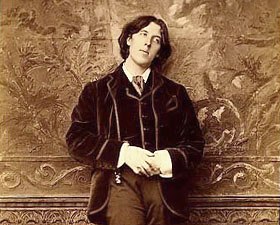 118 Years Ago in London, the Premiere of Oscar Wilde’s Last Play ‘How Important It Is to Be Serious’ Took Place
 In the language of the troll, Norway