The Amalfi Coast: where cliffs embrace the emerald sea11 photos
The first thing you sense is the smell. Before you even have a chance to see the first turn of the winding road, lemon groves overwhelm you with their intense fragrance. Then there’s the color—that impossible, almost fictional ultramarine of the Tyrrhenian Sea, set against the white foam at the foot of the cliffs. The Amalfi Coast doesn’t reveal itself all at once; it unfolds before the traveler, frame by frame, like a reel from an old Italian film, where every single shot would be worth framing and hanging on the wall.
This section of the southern coast of Campania has been inscribed on the UNESCO World Heritage List for good reason. For thousands of years, people have built cities right into the cliffs here—terrace after terrace, street upon street. Amalfi was once a powerful maritime republic that rivaled Venice and Genoa. Ravello inspired Wagner with its gardens that seem to hang above the clouds. According to legend, Posidon himself founded Positano as a gift to the nymph he loved.
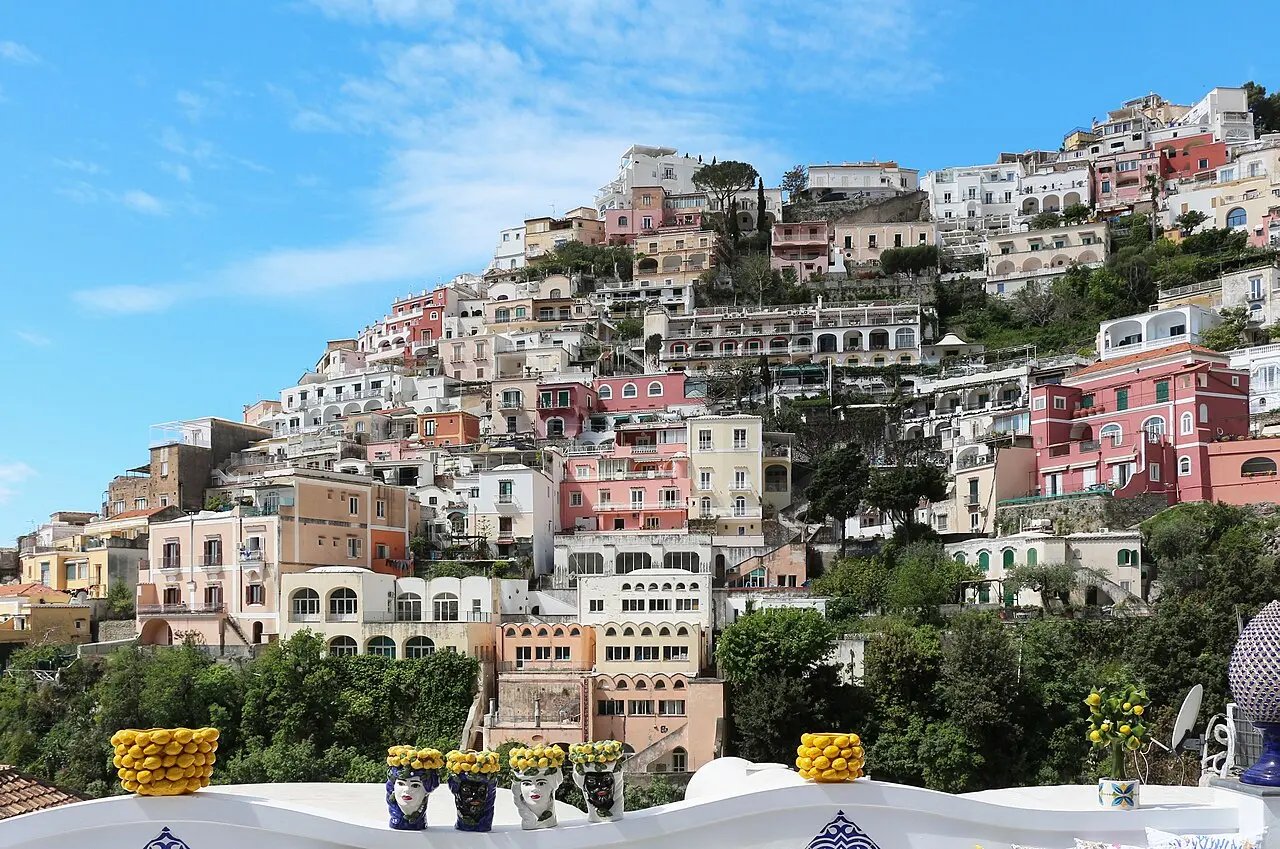
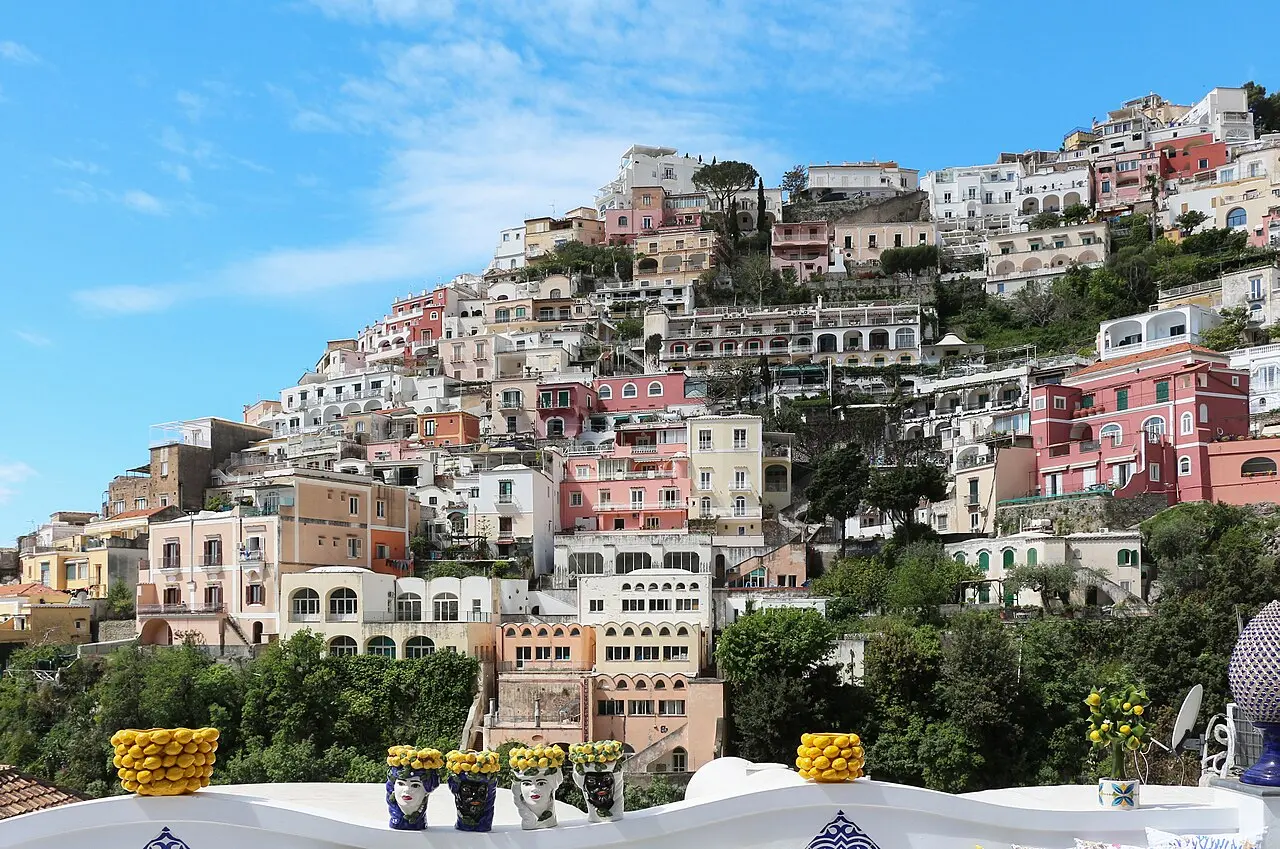
In Positano, shades of pink, ochre, and terracotta blend seamlessly as they lead down to a small bay where fishing boats sway gently on the clear waters. Here, time is measured not by hours but by the cups of espresso consumed on balconies overlooking the dome of Santa Maria Assunta Church. The narrow, winding streets are filled with the fragrance of freshly baked bread and basil, and in the evening, the sound of clinking glasses of local limoncello fills the air from every little restaurant—icy, rich, and bright yellow enough to make one feel as though they are drinking liquid sunshine itself.
The Path of the Gods – a footpath connecting Ajerola to Nocella – offers a completely different experience of the coastline. At an altitude of six hundred meters, you walk along the edge of a cliff, and the entire world below transforms into an aquarial miniature: tiny boats draw white lines on the blue sea, vineyard terraces descend in tiers towards the water, and the distant island of Capri shimmeres in the mist like a mirage. The air here is filled with the scent of wild herbs – rosemary, thyme, and mint – that grow right out of the rocks.
The best time to visit is in late spring or early autumn 2026, when the coastline has not yet been overwhelmed by summer heat, but the sea is already warm enough for swimming. In May, the lemons reach their peak of ripeness; wisteria vines cover the stone arches with purple cascades, and the light takes on a soft, golden warmth that no filter can replicate. Come for a week – that’s enough time to fall in love, but not enough to get bored.