Dubrovnik: the wild beauty of the Adriatic pearl10 photos
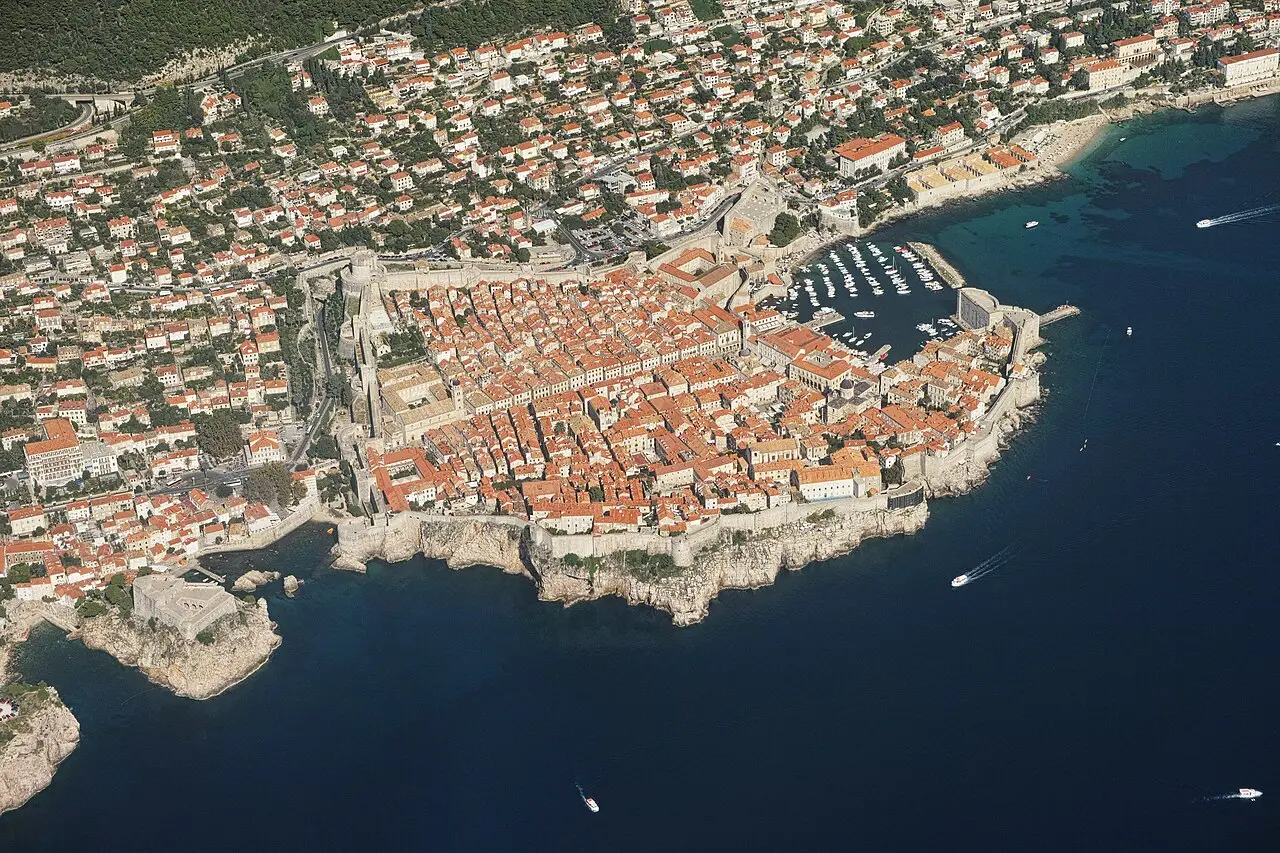
The first thing that strikes you upon arriving in Dubrovnik is the color. The emerald-blue sea, the ochre-colored limestone of the fortress walls, the dark green of cypresses and pines, and the intense blue of the sky, which seems endless here. Standing on the rocky promontory of Lokrum Island and looking at the city across the strait, you realize that this place was not created by man, but by geology, wind, and salt spray. Man has merely added his walls, tiles, and steps to these rocks—and they have become part of the landscape, just as corals become part of a reef.
The history of Dubrovnik is a history of the sea. For centuries, the Republic of Ragusa competed with Venice, traded with the entire Mediterranean region, and its fortifications, stretching nearly two kilometers in length, withstood both sieges and earthquakes. Every stone here bears witness to storms and scorching heat. The city was rebuilt after the devastating earthquake of 1667, and the Baroque facades along Stradun Street still embody this spirit of tenacious resurgence from the ruins—a maritime city that is never accustomed to surrendering.
For anyone who loves nature, Dubrovnik is much more than just its architecture. The rocky coastline south of the city hides secluded bays where the azure waters are so clear that you can see every rock at a depth of five meters. Lokrum Island is a botanical paradise, home to peacocks wandering among pines and ancient olive trees. The cable car ascending Mount Srdj offers a breathtaking panorama: the Elaphite Islands are scattered across the horizon like fragments of emerald set in molten silver.
A truly unique adventure is kayaking along the city walls at dawn. When the first rays of sunlight turn the rocks a honey-rosey hue and schools of fish swim beneath you, you feel like a pioneer—even though this route has been known for centuries. Betina’s Cave, located at the foot of the cliffs, is a natural grotto with emerald-green waters where echoes reverberate as if they were the very voice of the sea itself.
The best time to visit is in May or early October 2026, when the summer heat has subsided, the crowds have dispersed, and the sea remains warm enough for swimming. The early mornings, when the air is still cool and filled with the scent of rosemary from the nearby hills, are precisely the reasons why one should come here. Bring comfortable footwear for the rocky paths and don’t forget your snorkeling mask—the underwater world of these bays will surprise even the most experienced traveler.