Quasars8 photos
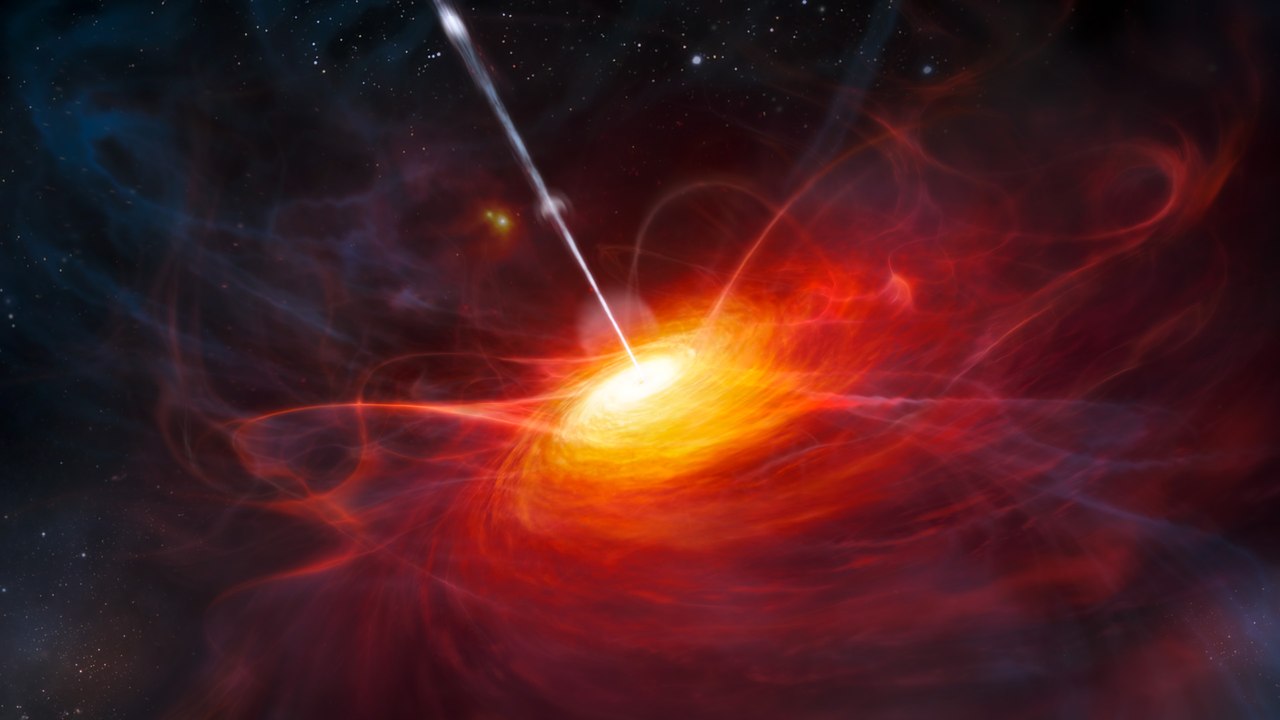
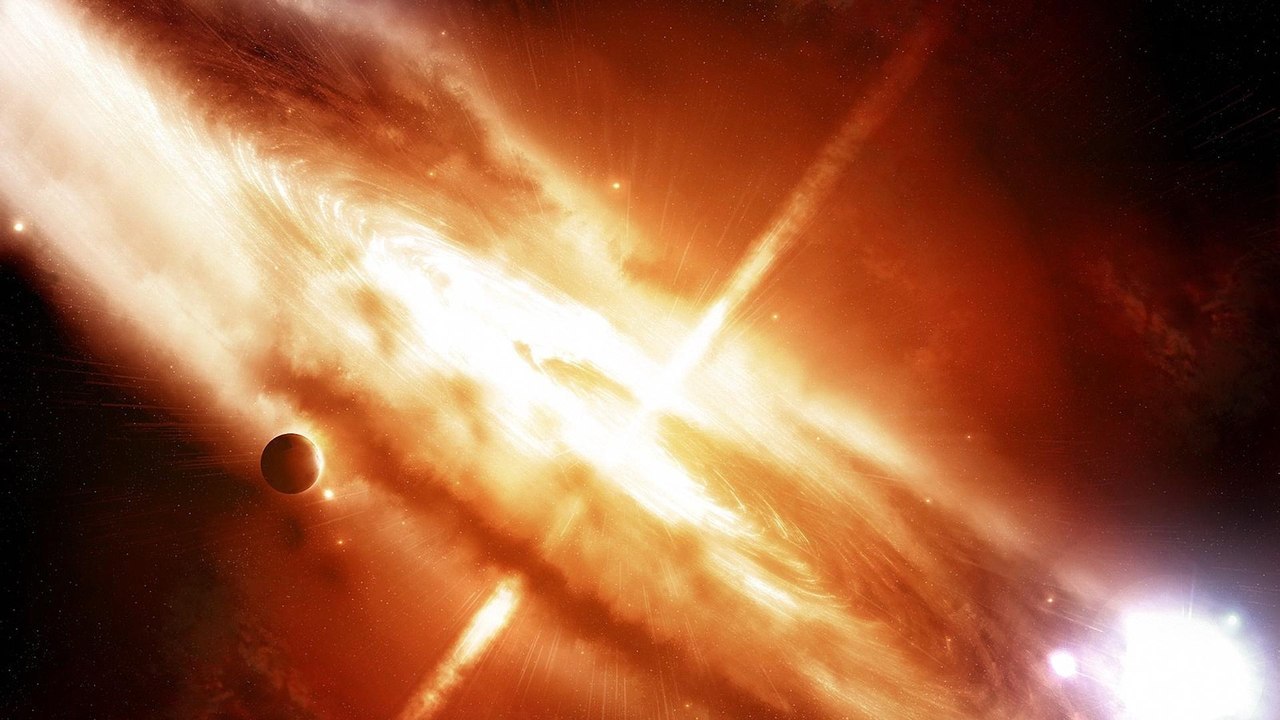
They are among the most distant objects in the universe that can be observed from Earth. Due to their incredible brightness, they can be seen at distances of up to 10 billion light-years away. What’s most astonishing about these objects is that, despite their small size, they release enormous amounts of energy across all areas of the electromagnetic spectrum, especially in the infrared region.
The term “quasar” comes from the words “QUAsi stellAR” – meaning “pseudostellar.”
When observed through a telescope, these luminous points may appear to be stars. But they are not stars at all; they are pure radio sources of light.In terms of their properties, these pseudostellar radio sources resemble active galactic nuclei. Many astrophysicists believe that the energy emitted by these objects is generated through non-nuclear processes.
The energy of quasars arises from the tremendous gravitational compression occurring within the core of a galaxy.
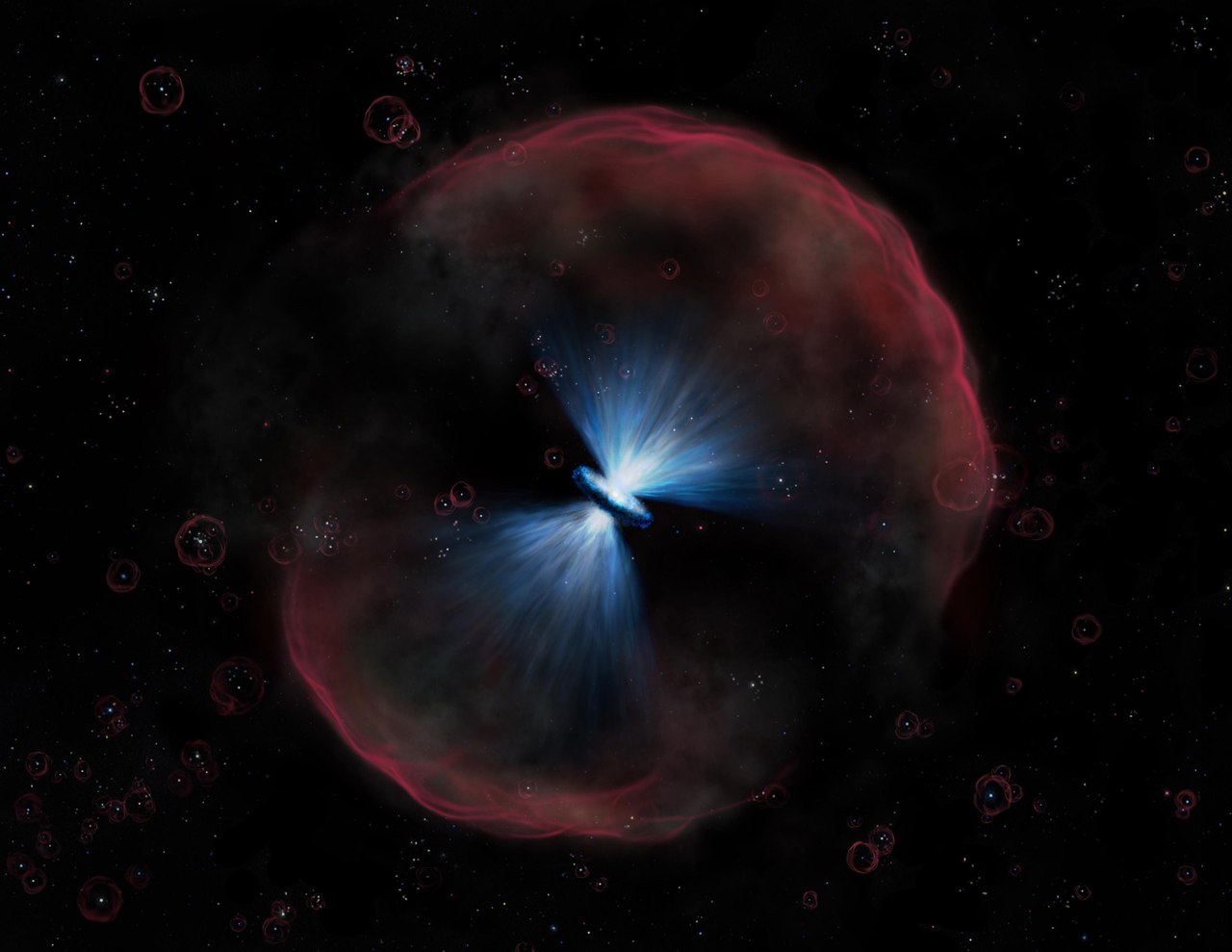
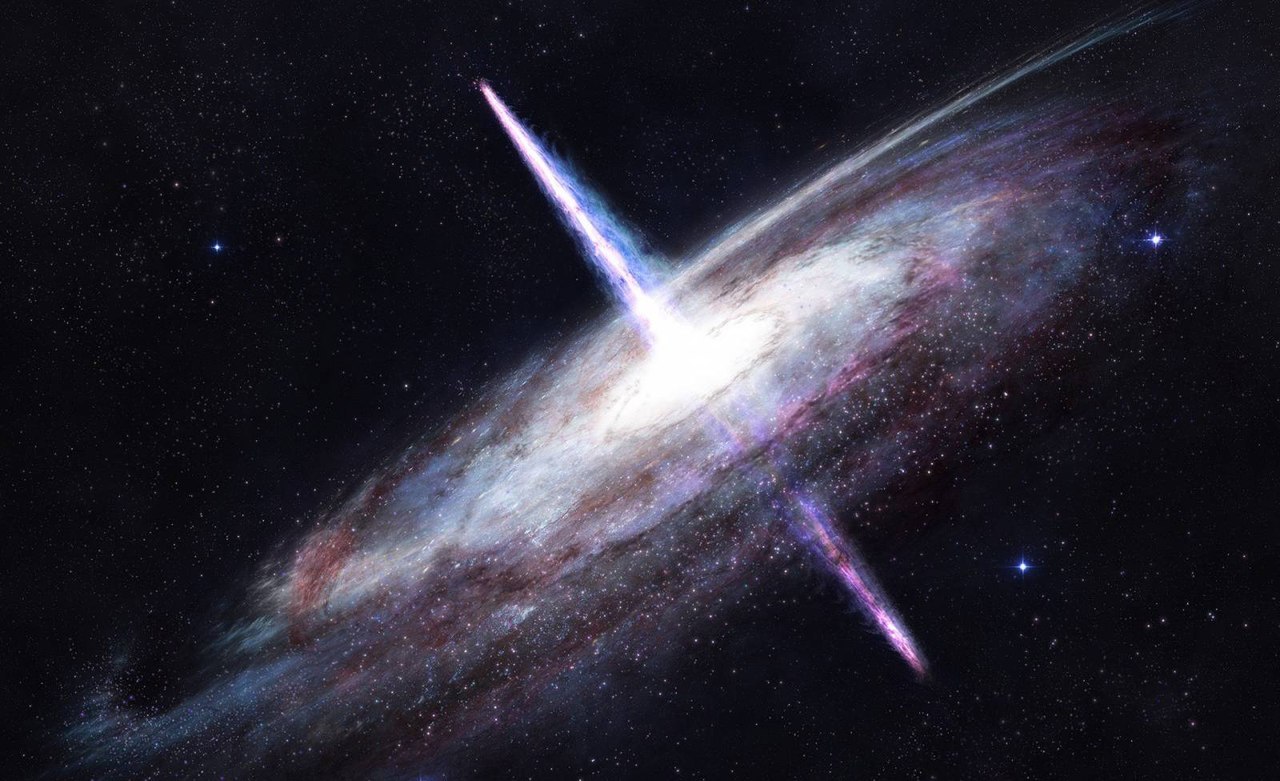
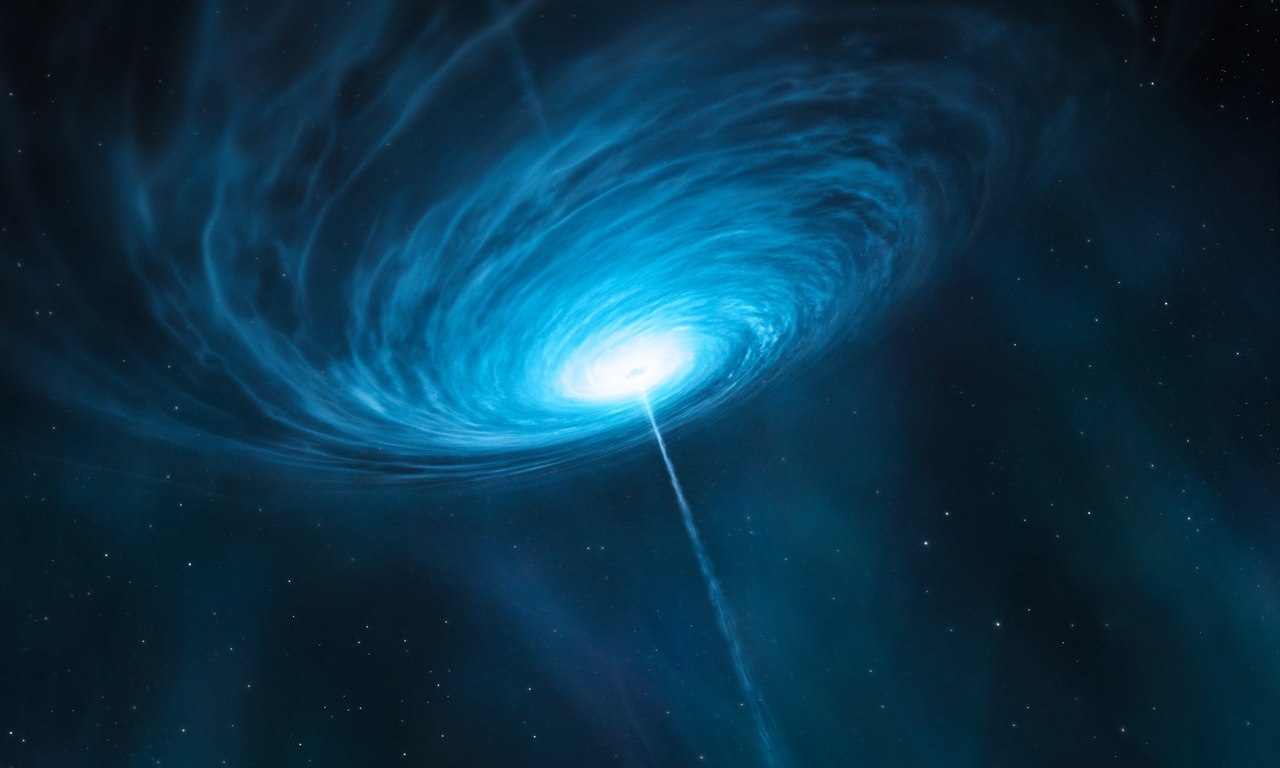
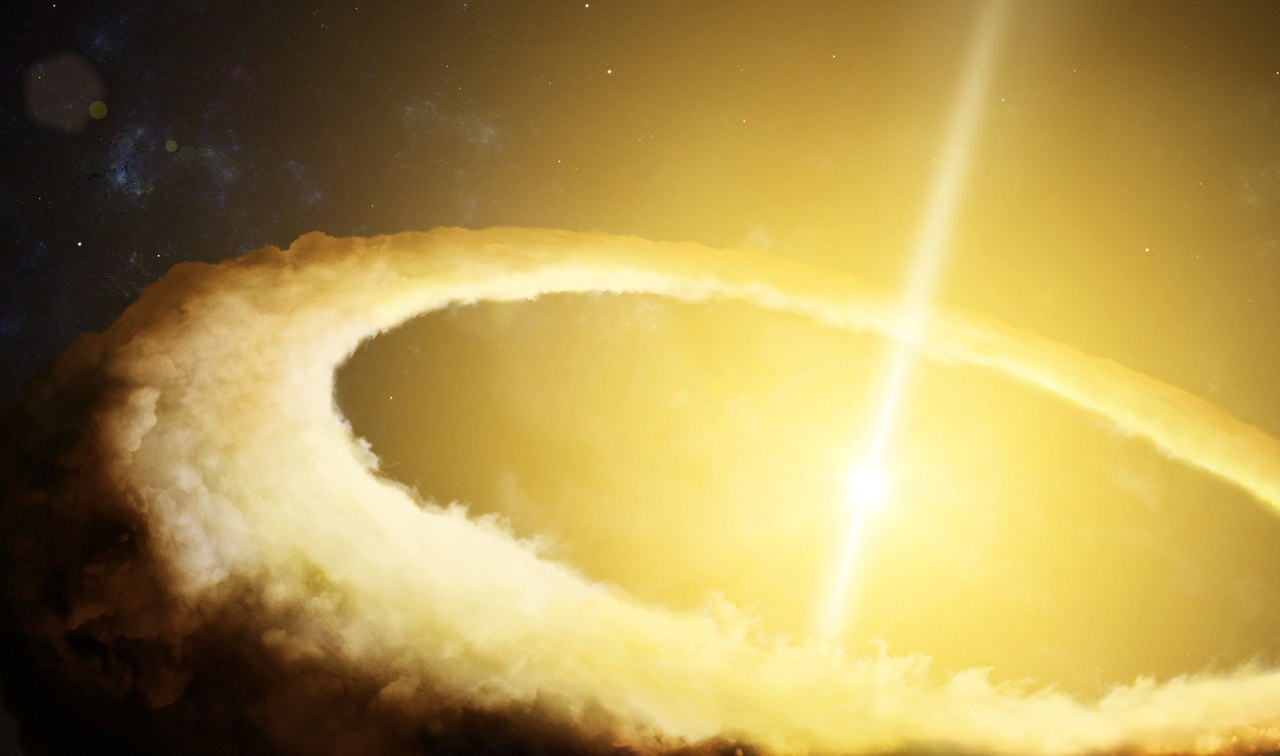
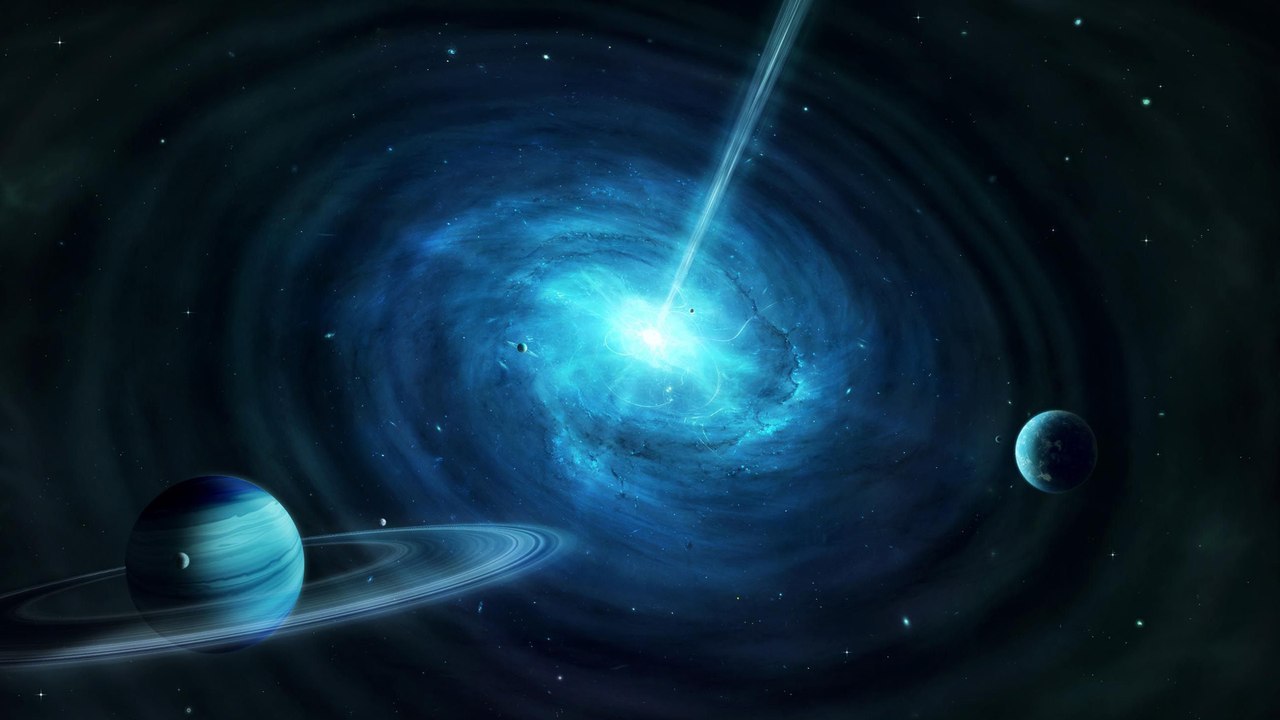
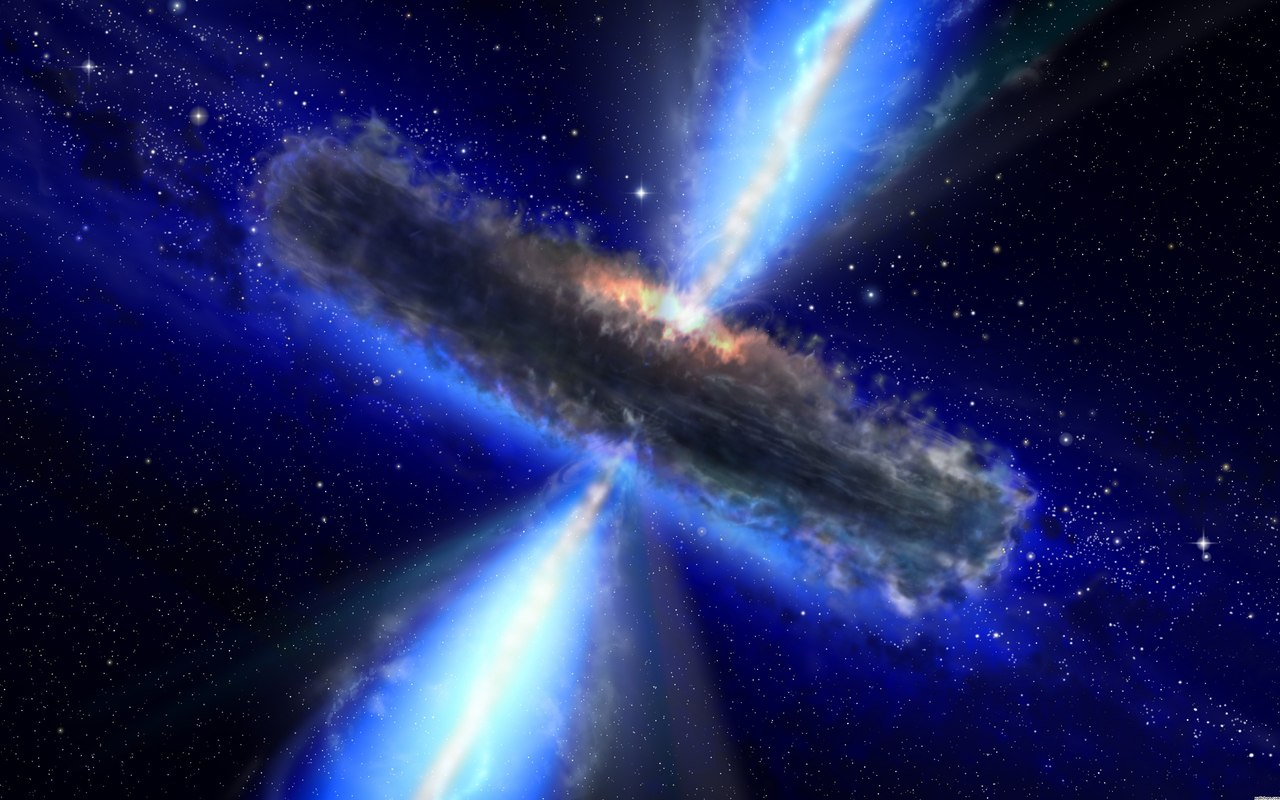
However, there are numerous hypotheses and theories regarding the nature of these objects.The most widely accepted theory today is that a quasar consists of an enormous black hole that sucks in surrounding space. As particles approach this black hole, they speed up and collide with each other, resulting in intense radio emissions. If the black hole also has a magnetic field, it will gather particles into beams known as “jets,” which shoot out from both poles of the black hole. In other words, the light that astronomers observe is all that remains of a galaxy that has been destroyed by this black hole.
Other theories suggest that quasars are young galaxies in the process of forming or being consumed by a black hole.Regardless of the exact mechanism, astrophysicists closely link the existence of quasars with the fate of galaxies.
So, encountering a quasar certainly doesn’t bode well… but we can at least be relieved that the nearest one to us, ZS 273, is located 2 billion light-years away.
, as already mentioned, they are among the most distant and ancient objects in the universe. Thanks to quasars, we are able to observe the universe as it existed 2 to 10 billion years ago. The discovery of quasars in 1963 had a profound impact on cosmology and the development of theories about the origins of the universe.
They represent one of the greatest mysteries that nature has presented to us. If we ever succeed in solving this mystery, it may lead us to new ways of transforming matter and generating energy.
Find the Best Professionals for Your Project
Expert repair, construction, and renovation specialists ready to help you right now
Recommended Galleries

German photographer Sebastian Opitz has been living in Dubai for several years

Lamborghini Veneno

「Cemetery of Anchors」 – that's how the Portuguese call the cemetery where anchors are laid to rest on one of the beaches of Tavira Island,</td>\n "home_text": "<p>Tavira Island is a bustling fishing port where, for centuries, local residents have been catching tuna. The fishing technique was invented by the Phoenicians: they used large nets attached to anchors to catch their prey. For a long time, the fishing industry sustained the island's population until the natural resources of its coastal

Simply About the Complex
Recommended articles




More Galleries
- German photographer Sebastian Opitz has been living in Dubai for several years
- Lamborghini Veneno
- 「Cemetery of Anchors」 – that's how the Portuguese call the cemetery where anchors are laid to rest on one of the beaches of Tavira Island,</td>\n "home_text": "<p>Tavira Island is a bustling fishing port where, for centuries, local residents have been catching tuna. The fishing technique was invented by the Phoenicians: they used large nets attached to anchors to catch their prey. For a long time, the fishing industry sustained the island's population until the natural resources of its coastal
- Simply About the Complex
 The Ruins of Syria: A Monument to Human Ignorance
 The World's Largest Pool
 Thunderclouds
 Residents of developing countries continue to hunt wild animals, following the traditions of their ancestors
 The Most Famous and Magnificent Statues in the World
 American Tim Kehoe spent over 10 years and three million dollars creating colored soap bubbles. The real challenge wasn’t simply adding dye to the soap solution without damaging its properties (though that was not easy either),\n "home_text": "<p>Oh, really?</p><p>Tim wanted the bubbles he created not to leave stains on clothes, hands, or any other surfaces. After years of experimentation, he launched the Zubbles brand. Nowadays, on the company’s website, a single bottle of colored soap bubbles
 How to Deal with a Child
 Street Art