Harlovskaya “Bankovaya” – Nikolaevskaya Square. <br>(Part 2)8 photos
#### Kharkov’s “Banking” District – Nikolaevskaya Square
(Part 2)
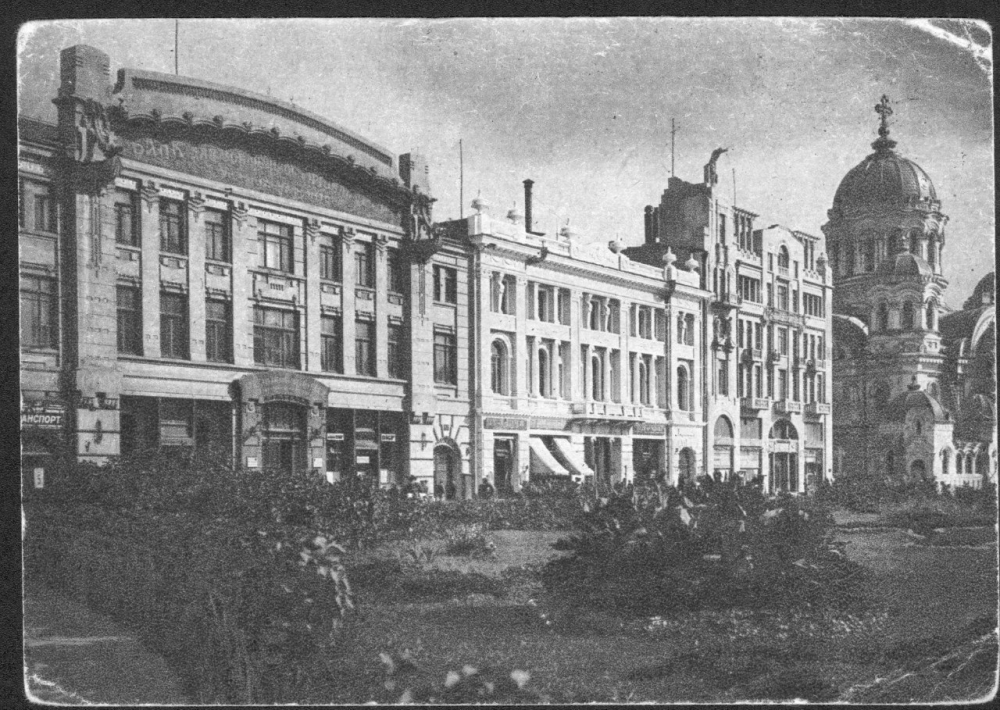
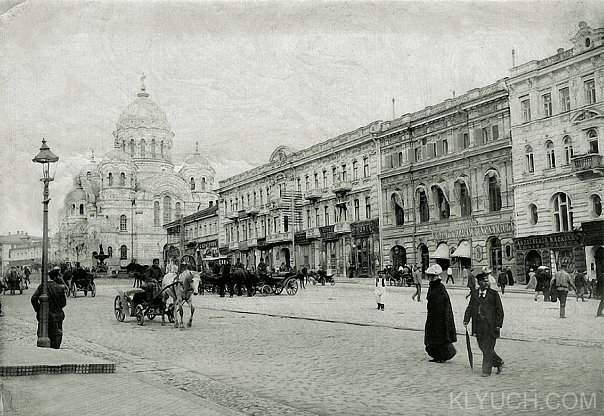
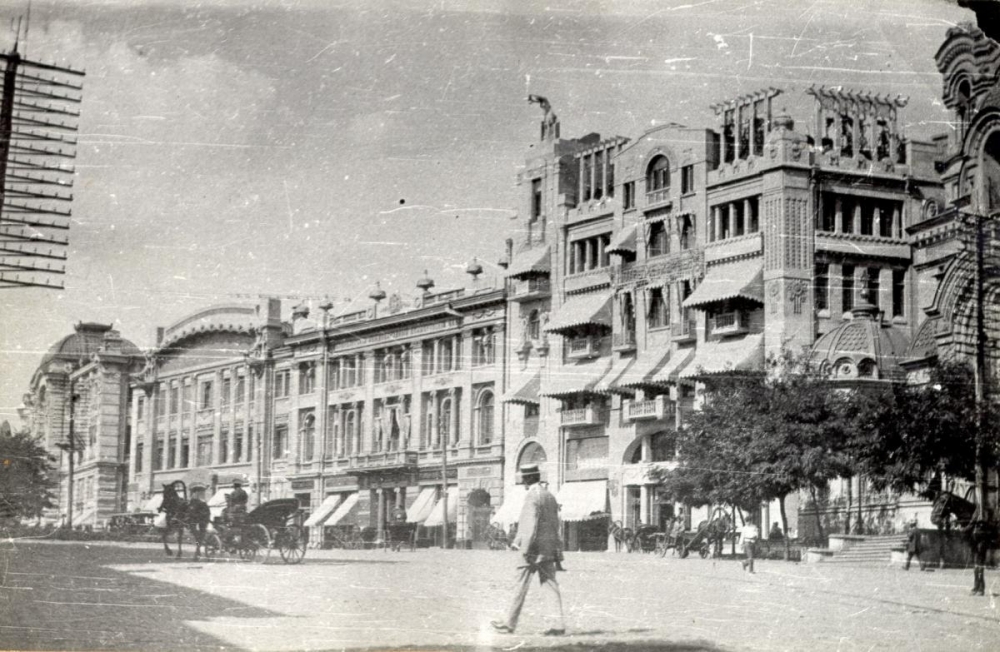
The third bank building on Nikolaevskaya Square, following the series of Beketov-style structures, is the Volgsko-Kamsky Bank. This building was constructed in the Art Nouveau style in 1908; its facade features decorative elements inspired by ships, such as rostres and wave-shaped cornices. Majolique tiles and ornamental stonework depicting lilies add visual emphasis to these design elements. All these details reflect the bank’s name, which is derived from the Volga and Kama rivers and signify its main area of activity. Originally, a majolique panel featuring the bank’s name in the same style was located where the current mosaic is situated.
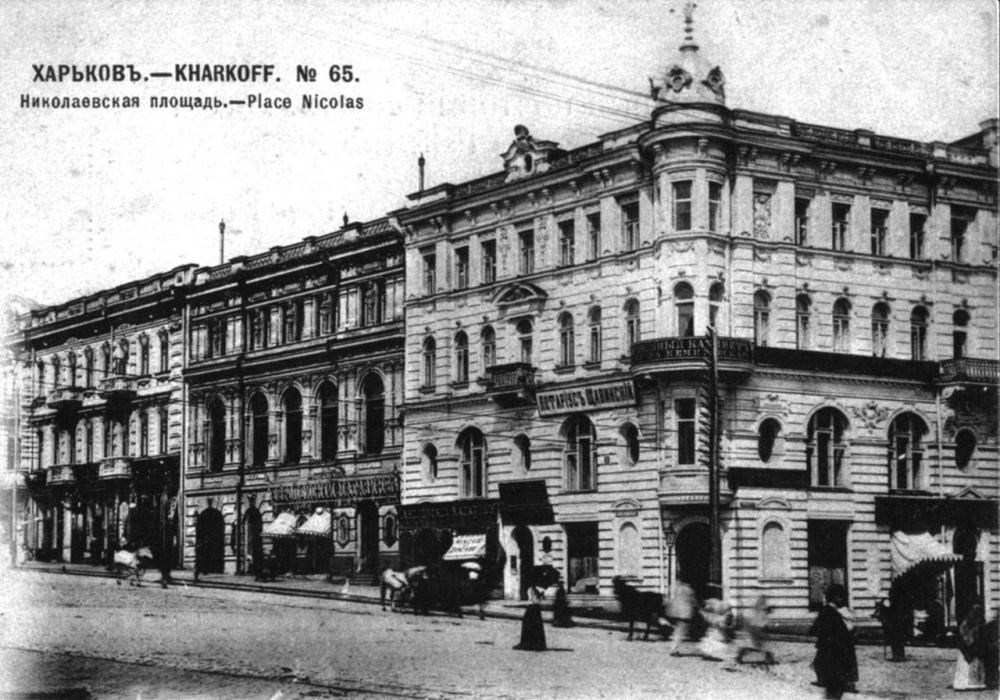
In 1913, the Nikolaevskaya Square was further embellished by the construction of the building of the St. Petersburg International Commercial Bank, which now houses the Savings Bank. This structure was designed by architect Viktor Velichko; its most striking feature is the two-story operational hall. The broad balcony, supported by elaborately carved consoles and massive stone pillars, creates a magnificent atmosphere. The polished balconies, with their gold-plated details and marble floors, enhance the grandeur of this impressive building. Its luxurious facade in the Neo-Renaissance style and exquisite interior design continue to inspire awe today.
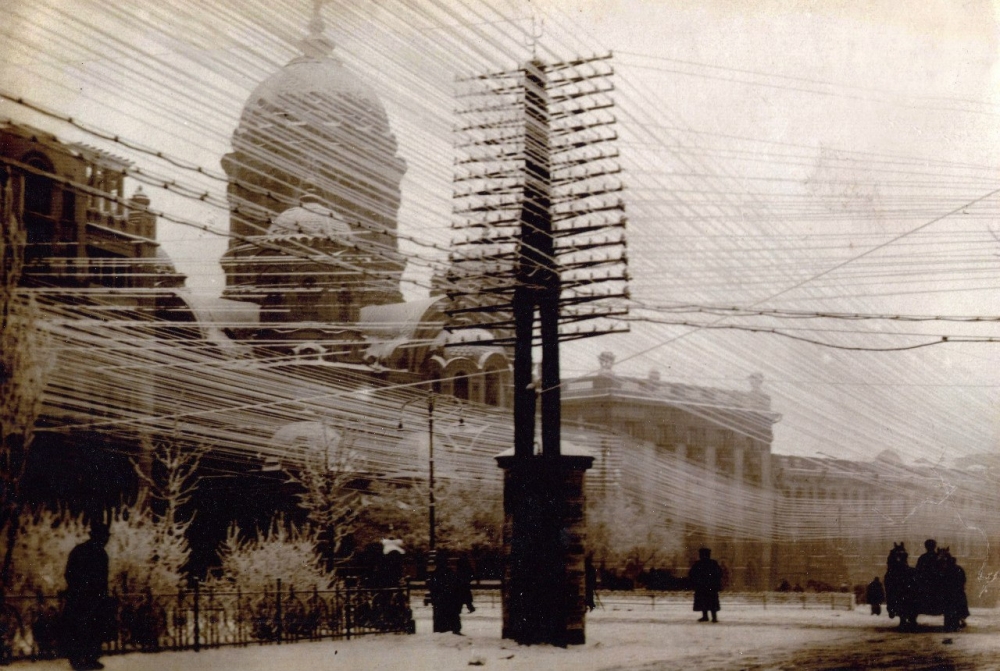
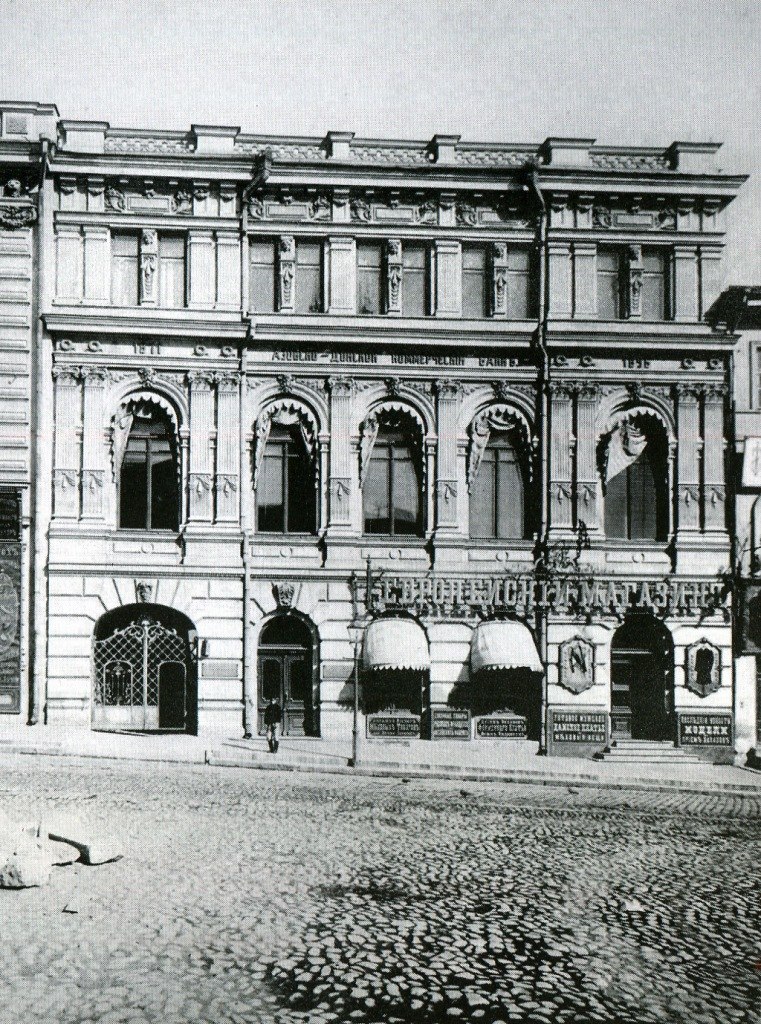
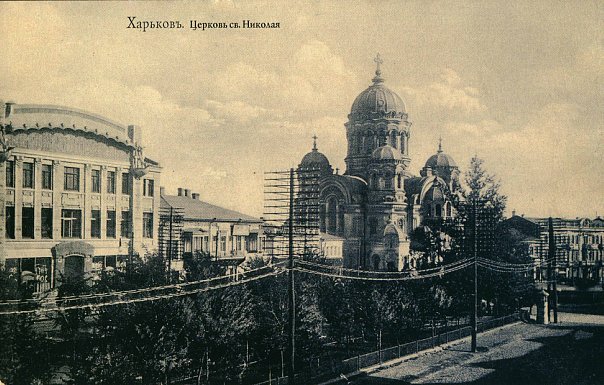
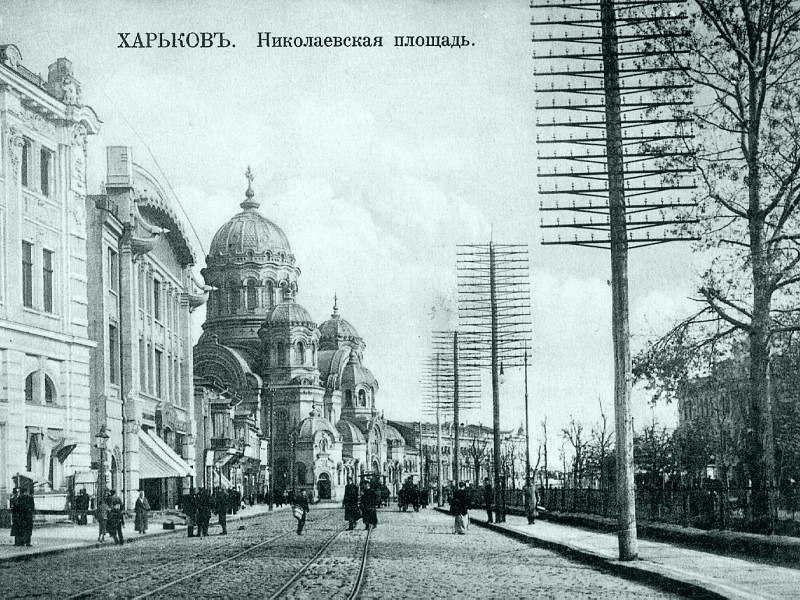
The Azovsko-Donsky Bank branch (1894–1896), designed by A.N. Beketov in the Neo-Renaissance style, was also built in this area. In 1914, it was renovated in the Art Nouveau style under the direction of architect Terven L.K. The same year, another bank building was constructed at the corner of Nikolaevskaya Square and Nikolaevskaya Street, to the right of the Nikolaevskaya Church. This structure was designed by architect F.Lidval; it now houses part of the G.S. Skovoroda Pedagogical University. The famous “Violinist on the Roof” sculpture is located at its corner.
Source: vk.com/old_kharkov
#Kharkov #History #Ukraine
(Part 2)
The third bank building on Nikolaevskaya Square, following the series of Beketov-style structures, is the Volgsko-Kamsky Bank. This building was constructed in the Art Nouveau style in 1908; its facade features decorative elements inspired by ships, such as rostres and wave-shaped cornices. Majolique tiles and ornamental stonework depicting lilies add visual emphasis to these design elements. All these details reflect the bank’s name, which is derived from the Volga and Kama rivers and signify its main area of activity. Originally, a majolique panel featuring the bank’s name in the same style was located where the current mosaic is situated.
In 1913, the Nikolaevskaya Square was further embellished by the construction of the building of the St. Petersburg International Commercial Bank, which now houses the Savings Bank. This structure was designed by architect Viktor Velichko; its most striking feature is the two-story operational hall. The broad balcony, supported by elaborately carved consoles and massive stone pillars, creates a magnificent atmosphere. The polished balconies, with their gold-plated details and marble floors, enhance the grandeur of this impressive building. Its luxurious facade in the Neo-Renaissance style and exquisite interior design continue to inspire awe today.
The Azovsko-Donsky Bank branch (1894–1896), designed by A.N. Beketov in the Neo-Renaissance style, was also built in this area. In 1914, it was renovated in the Art Nouveau style under the direction of architect Terven L.K. The same year, another bank building was constructed at the corner of Nikolaevskaya Square and Nikolaevskaya Street, to the right of the Nikolaevskaya Church. This structure was designed by architect F.Lidval; it now houses part of the G.S. Skovoroda Pedagogical University. The famous “Violinist on the Roof” sculpture is located at its corner.
Source: vk.com/old_kharkov
#Kharkov #History #Ukraine
Find the Best Professionals for Your Project
Expert repair, construction, and renovation specialists ready to help you right now
Recommended Galleries
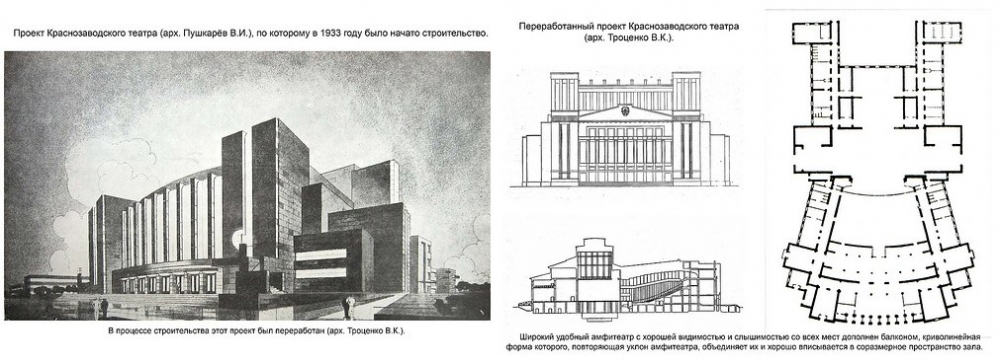
It used to be easier with opera houses. In the past, things were arranged in a way that made life for operators and managers of opera theaters organizations more convenient. Things were organized systematically, and everything was done in accordance with established procedures and standards. --- It used to be easier with opera houses. In the past, operations of opera houses theaters were managed in a more structured and efficient manner. Everything was carried out in accordance with established rules and procedures.

The History of the Metallist Stadium
Old Passenger
History of the “New Bavaria” Brewery
Recommended articles



More Galleries
- It used to be easier with opera houses. In the past, things were arranged in a way that made life for operators and managers of opera theaters organizations more convenient. Things were organized systematically, and everything was done in accordance with established procedures and standards. --- It used to be easier with opera houses. In the past, operations of opera houses theaters were managed in a more structured and efficient manner. Everything was carried out in accordance with established rules and procedures.
- The History of the Metallist Stadium
- Old Passenger
- History of the “New Bavaria” Brewery
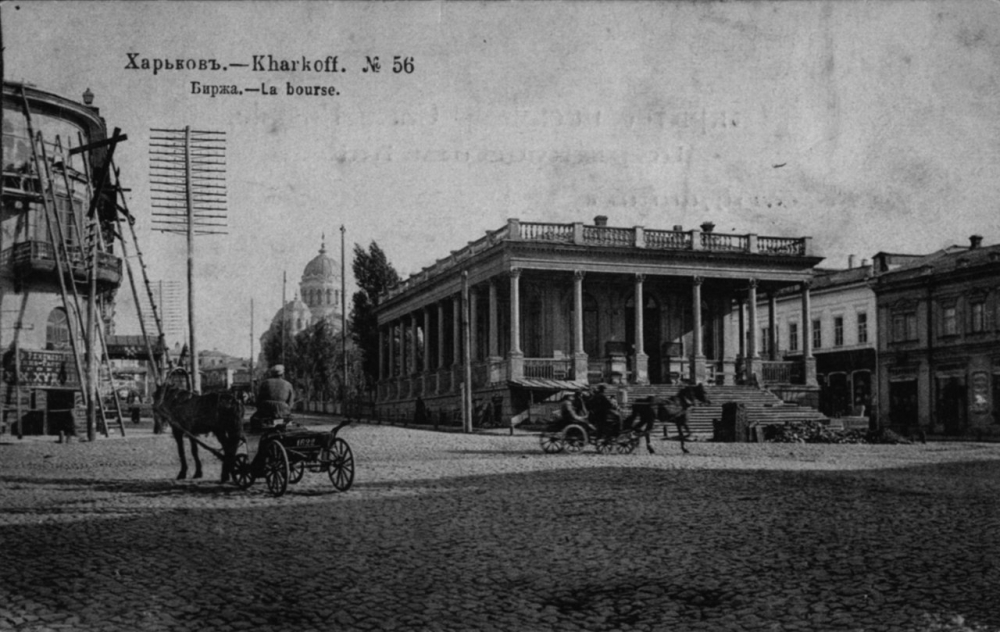 Harkovskaya “Bankova” – Nikolaevskaya Square. <br>(Part 3)
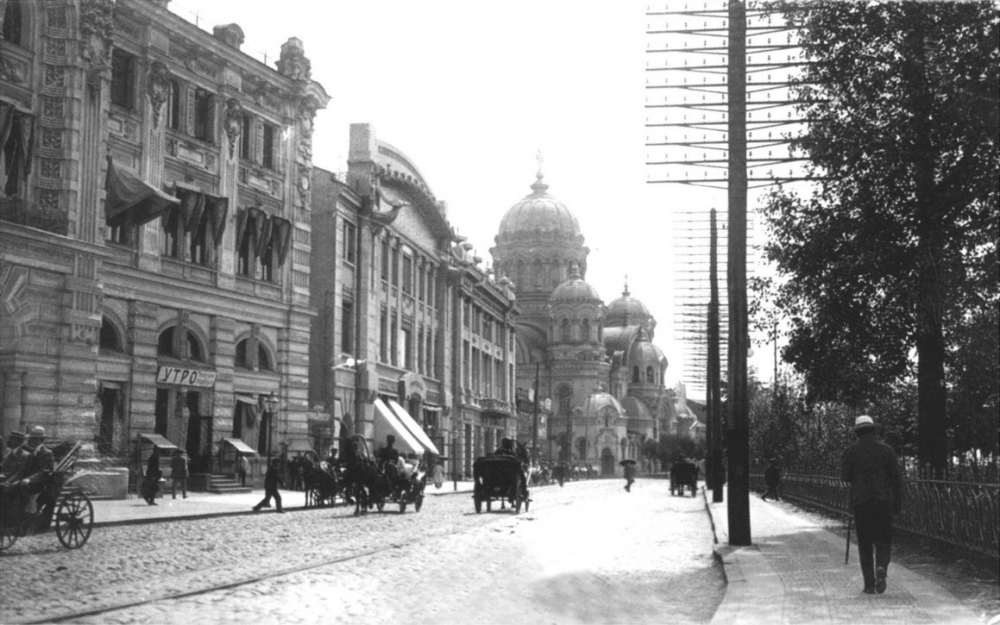 Har Kiev “Bankovaya” – Nikolaevskaya Square. (Part 1)
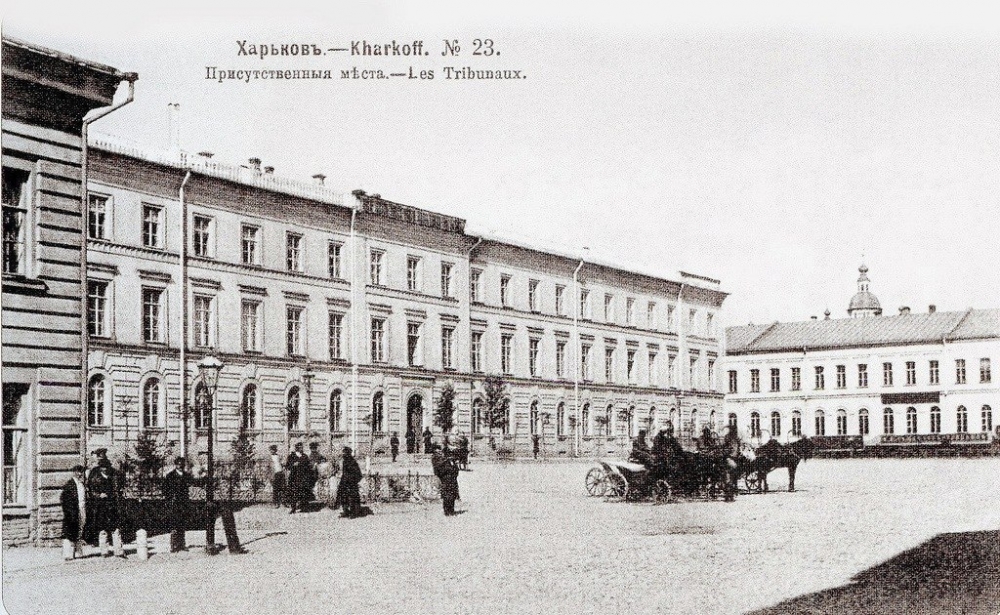 Places of worship are buildings and locations that have a special significance for religious communities. Such buildings are often designated as “places of worship” because they serve a vital role in the spiritual life of these communities. They play a crucial role in facilitating the practice of religious beliefs and the performance of religious rituals. Places of worship are not merely ordinary buildings; they represent much more than that. They embody the values, beliefs, and traditions of a particular religion or community. They are often considered sacred sites. Therefore, the fate of places of worship is closely linked to the destiny of the communities that rely on them for their spiritual needs. The fate of these communities themselves is also influenced by the fate of their places of worship. In short, the role of places of places of worship in religious life is so vital that it is impossible to overestimate their importance. Their significance extends beyond the boundaries of a single country or culture. Their influence extends far beyond the boundaries of our planet.
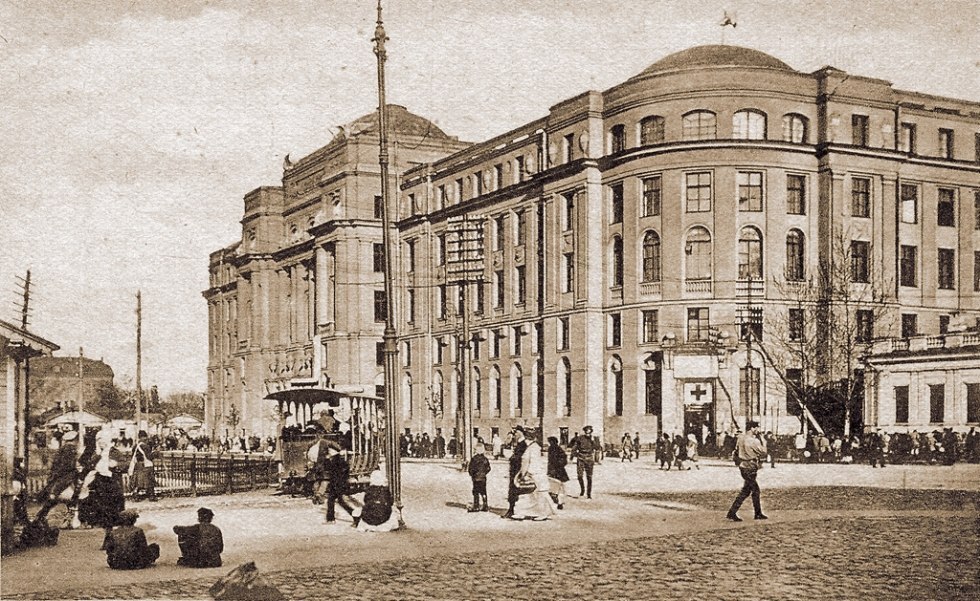 The Southern Railways Management Office was a precursor to the State Planning Commission.
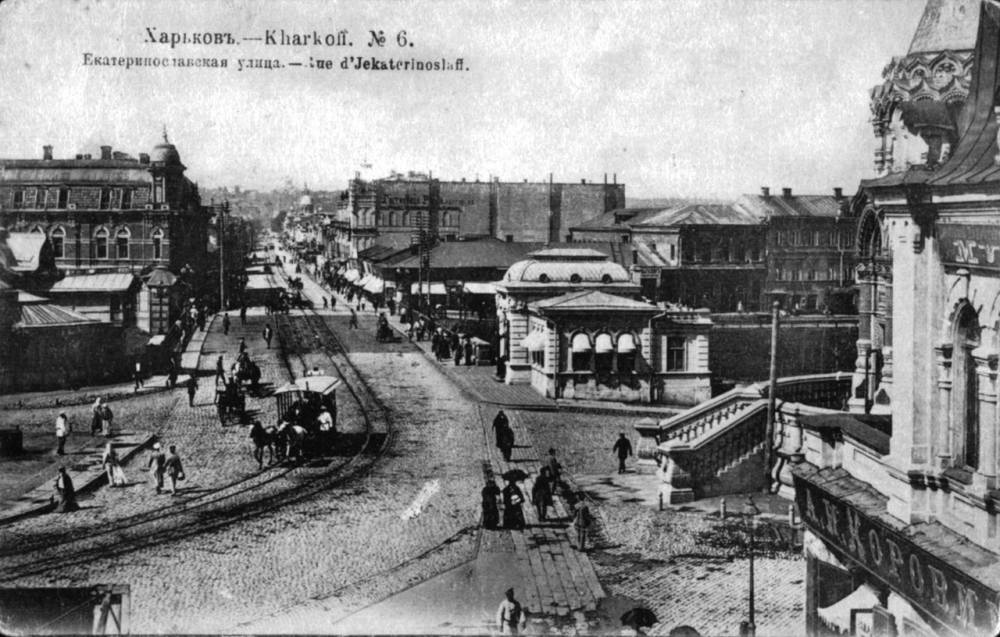 Old Bridges of Kharkiv
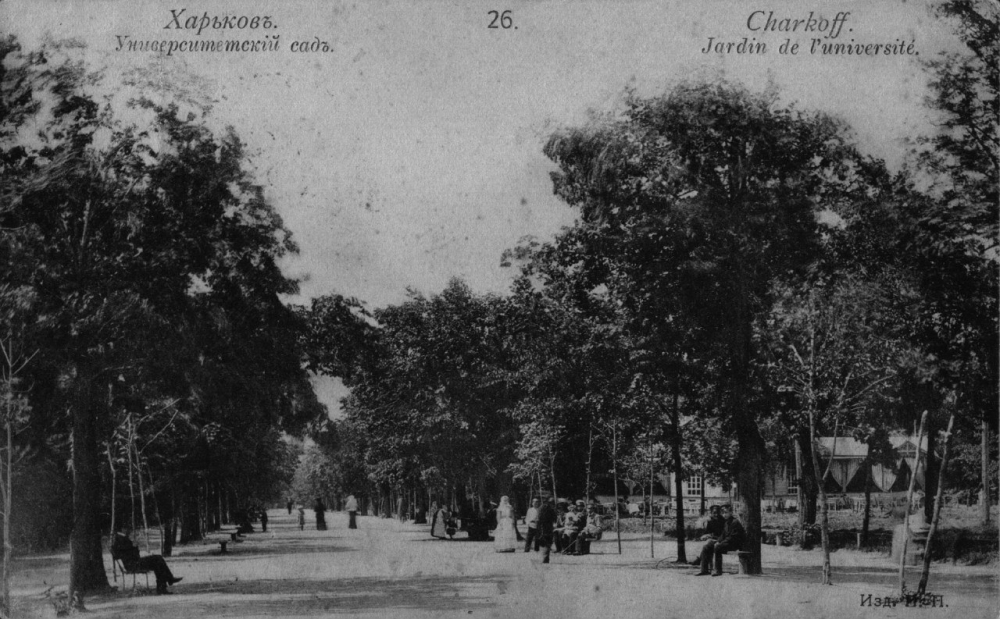 Light Gardens of Kharkiv – Shevchenko Park T.G. Shevchenko – University Park.
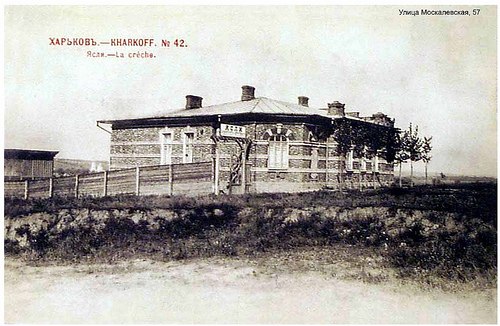 Former nursery school, radio tower with noise suppressor<br>and the building of the 6th Polyclinic
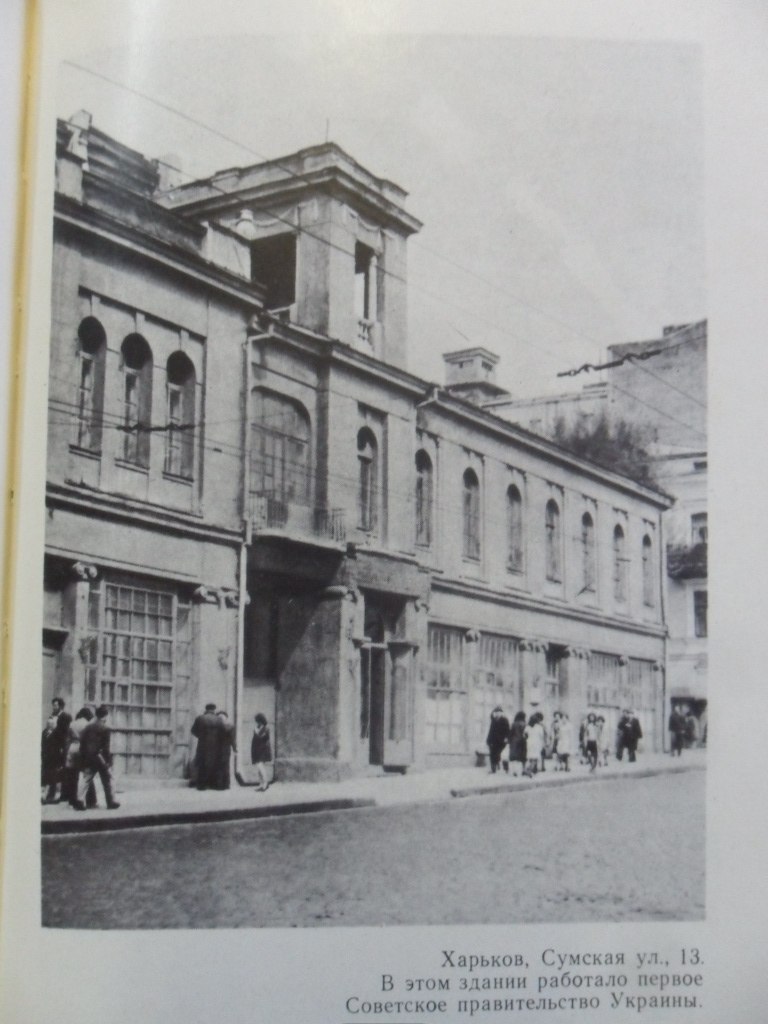 The Wedding Palace – A.A. Yuzefovich’s mansion – is celebrating its 100th anniversary this year.