Old Bridges of Kharkiv8 photos
#### Old Bridges of Kharkiv
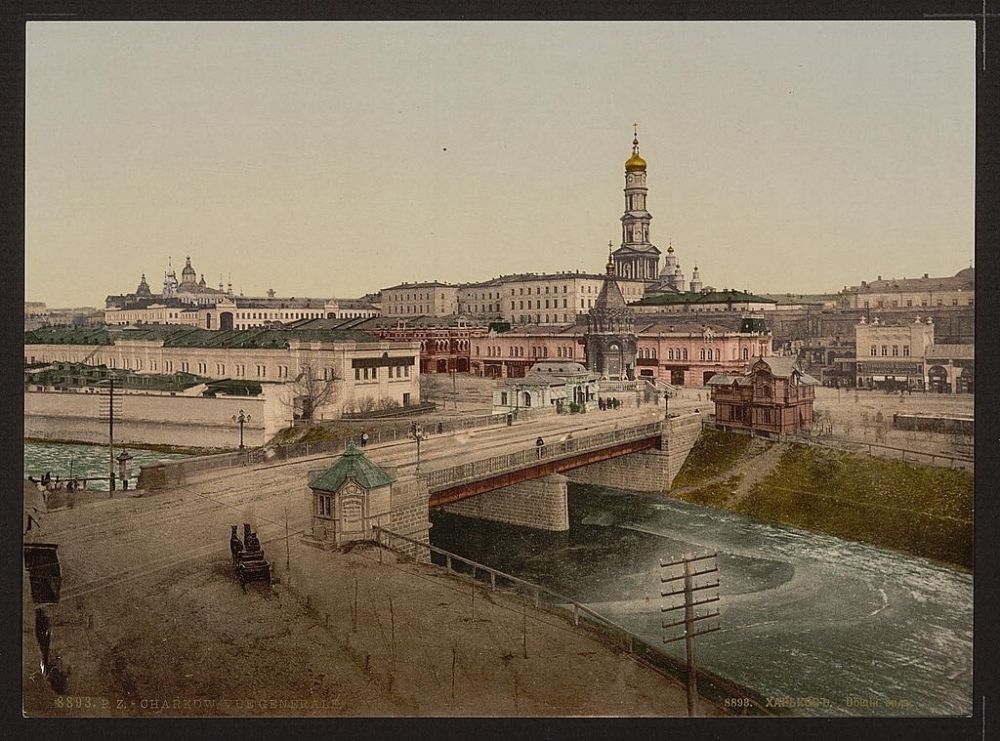
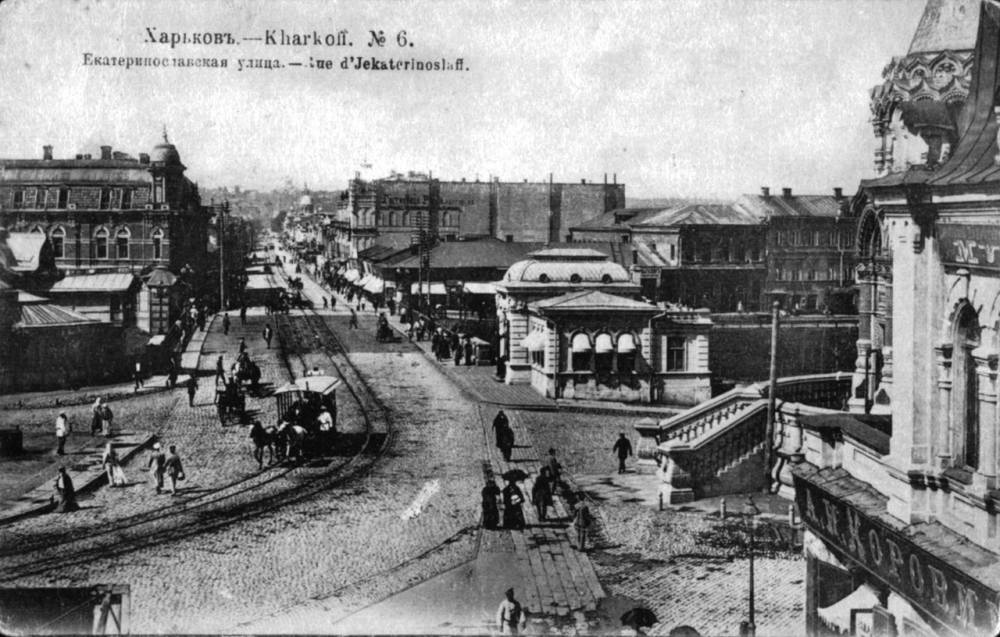
1. The Lopansky Bridge at the beginning of the Ekaterinoslavskaya Street (the Poltava Road) was the first major bridge in Kharkiv during the Cossack era, existing by 1745. A new iron bridge on stone foundations was built in 1888 by the Kharkiv Horse-Drawn Tramway Company as part of a contract to construct a tram line in the city. By that time, the tram had already been using this crossing for six years. During the Great Patriotic War, the bridge was destroyed and rebuilt according to the design of architect A. V. Mezerovsky in 1958.
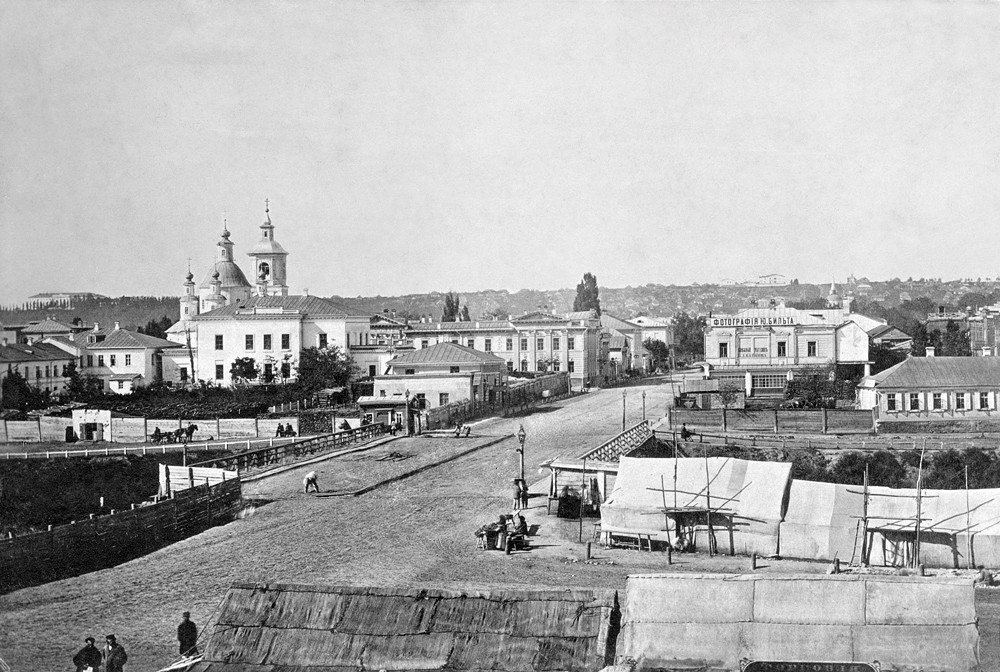
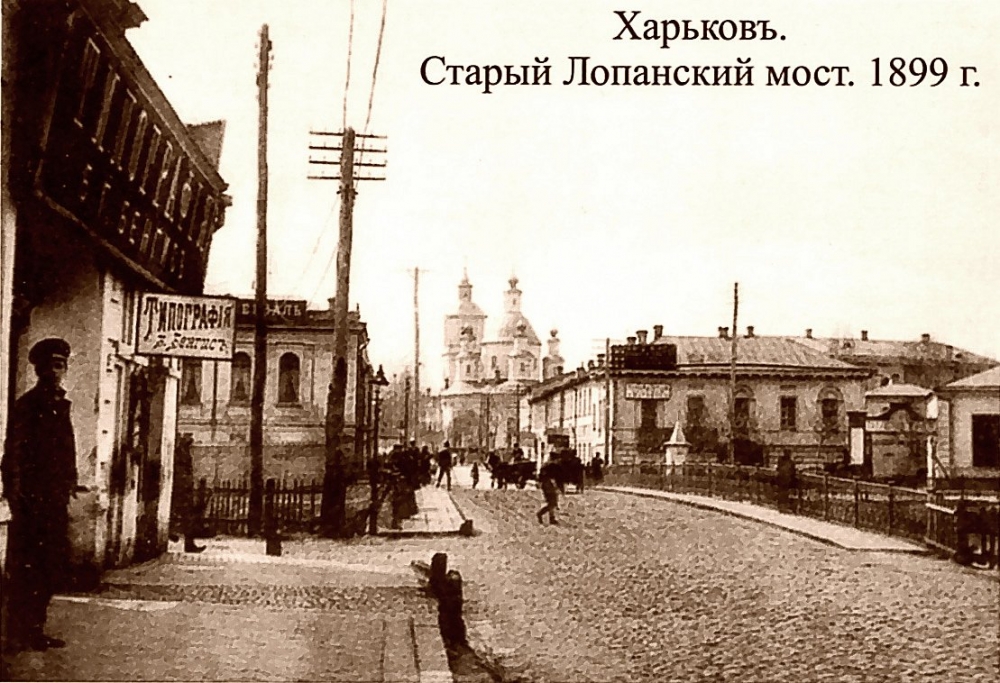
2. The Small Lopansky Bridge (also known as the Old Lopansky Bridge or the Office Bridge) is located at the beginning of the Kontorskaya Street (formerly Krasnooktyabrskaya Street). It has been in use since the mid-19th century, connecting Torgovaya Square to Pavlovskaya Square.
3. The Merchant Bridge crosses the Lopan River and connects the Kupechesky/Spaschenko-Triapkinsky Slope (formerly Halturnin Slope) to the Blagoveshchensky Cathedral. This stone bridge emerged in the mid-19th century, following the construction of the Blagoveshchensky Cathedral, which was completed in 1909 and restored in 1944.
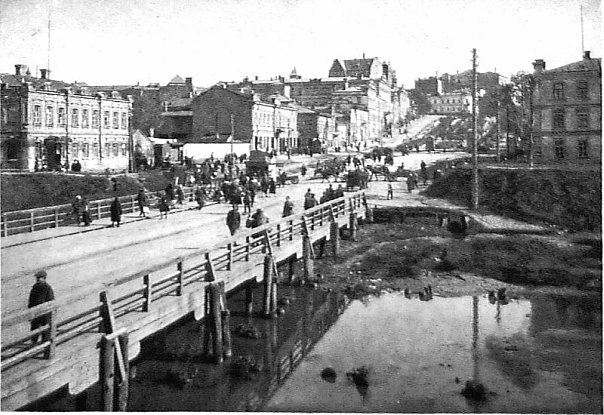
4. The Bursatsky Bridge crosses the Lopan River; a wooden bridge was initially built in the mid-19th century, followed by a first stone bridge at the beginning of the 20th century. A new bridge was constructed in 1933 and restored in 1946.
5. The Ivanovsky Bridge crosses the Lopan River on the Ivanovskaya Street. A wooden structure was initially built in the second half of the 19th century, and a stone bridge was erected in 1929, later renovated in 1953.
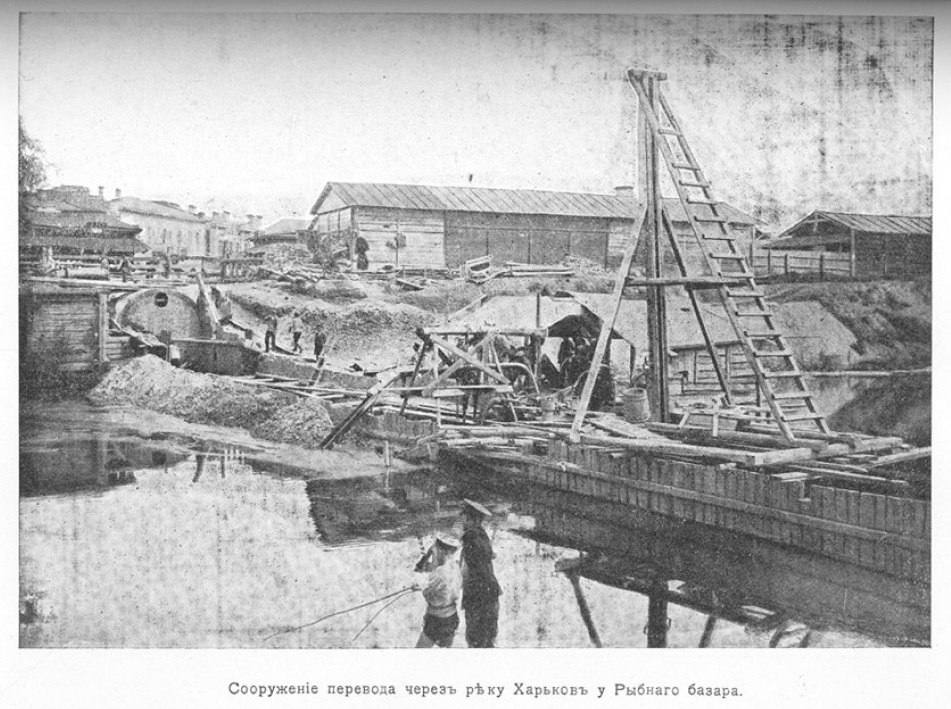
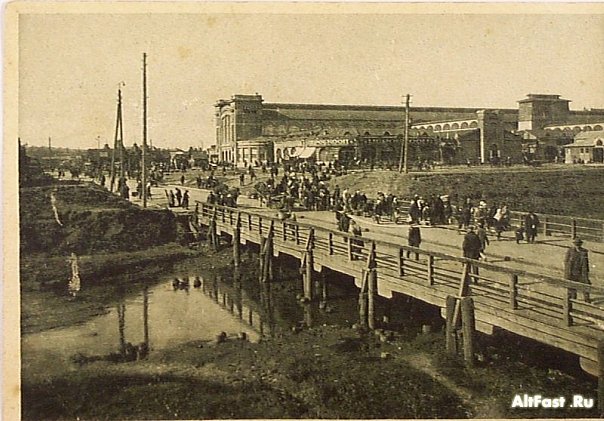
6. The Rogatinsky Bridge crosses the Lopan River in the Rogatinsky Alley (located in the Central Market area). A wooden bridge was constructed here in the mid-19th century, and a stone bridge was built in 1931, restored in 1945.
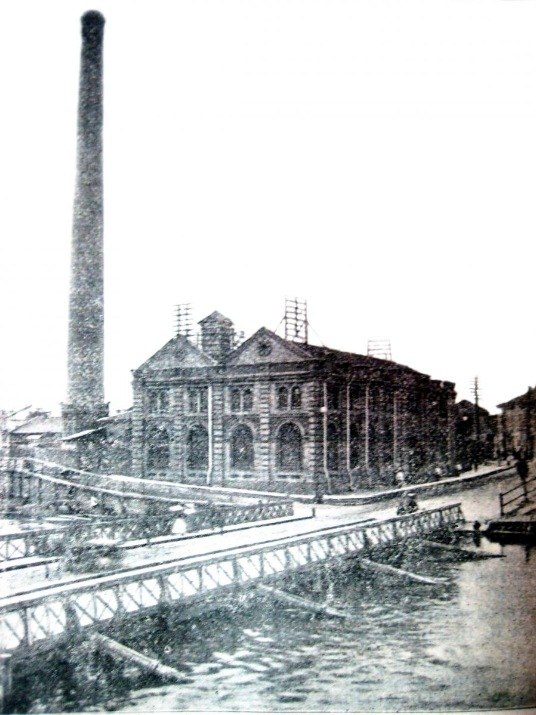
7. The Fish Bridge crosses the Kharkov River, connecting Rybnaya Square to Mariinskaya Street. It appeared in the second half of the 19th century; although a wooden bridge previously existed at this location. Later, a Belgian tram line was operated on this bridge.
1. The Lopansky Bridge at the beginning of the Ekaterinoslavskaya Street (the Poltava Road) was the first major bridge in Kharkiv during the Cossack era, existing by 1745. A new iron bridge on stone foundations was built in 1888 by the Kharkiv Horse-Drawn Tramway Company as part of a contract to construct a tram line in the city. By that time, the tram had already been using this crossing for six years. During the Great Patriotic War, the bridge was destroyed and rebuilt according to the design of architect A. V. Mezerovsky in 1958.
2. The Small Lopansky Bridge (also known as the Old Lopansky Bridge or the Office Bridge) is located at the beginning of the Kontorskaya Street (formerly Krasnooktyabrskaya Street). It has been in use since the mid-19th century, connecting Torgovaya Square to Pavlovskaya Square.
3. The Merchant Bridge crosses the Lopan River and connects the Kupechesky/Spaschenko-Triapkinsky Slope (formerly Halturnin Slope) to the Blagoveshchensky Cathedral. This stone bridge emerged in the mid-19th century, following the construction of the Blagoveshchensky Cathedral, which was completed in 1909 and restored in 1944.
4. The Bursatsky Bridge crosses the Lopan River; a wooden bridge was initially built in the mid-19th century, followed by a first stone bridge at the beginning of the 20th century. A new bridge was constructed in 1933 and restored in 1946.
5. The Ivanovsky Bridge crosses the Lopan River on the Ivanovskaya Street. A wooden structure was initially built in the second half of the 19th century, and a stone bridge was erected in 1929, later renovated in 1953.
6. The Rogatinsky Bridge crosses the Lopan River in the Rogatinsky Alley (located in the Central Market area). A wooden bridge was constructed here in the mid-19th century, and a stone bridge was built in 1931, restored in 1945.
7. The Fish Bridge crosses the Kharkov River, connecting Rybnaya Square to Mariinskaya Street. It appeared in the second half of the 19th century; although a wooden bridge previously existed at this location. Later, a Belgian tram line was operated on this bridge.
Find the Best Professionals for Your Project
Expert repair, construction, and renovation specialists ready to help you right now
Recommended Galleries
Recommended articles



More Galleries
 Old Passenger
 History of the “New Bavaria” Brewery
 Harkovskaya “Bankova” – Nikolaevskaya Square. <br>(Part 3)
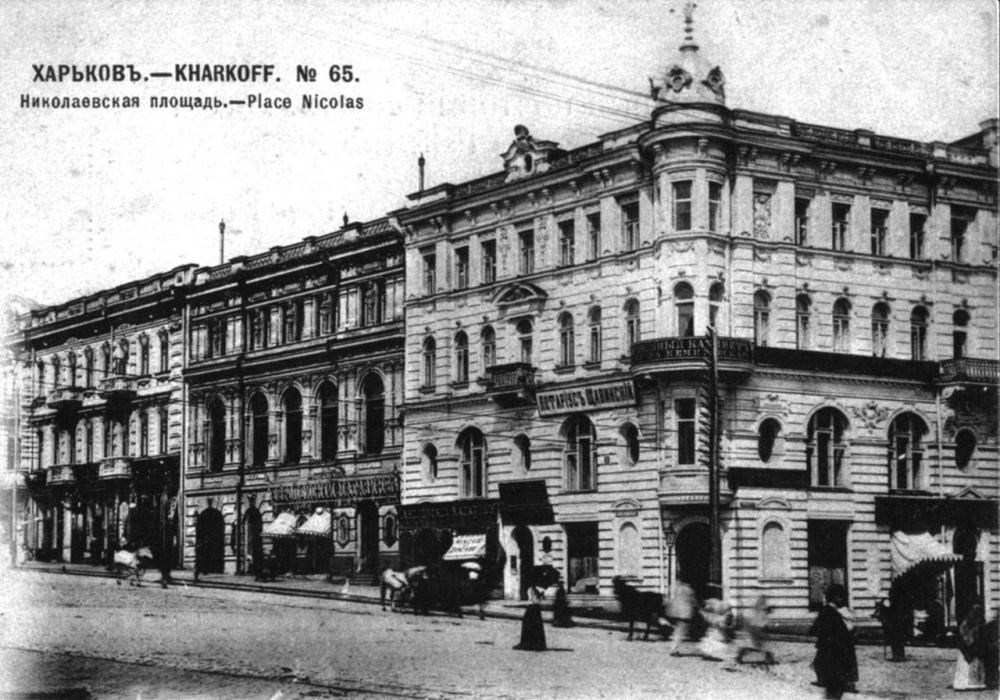 Harlovskaya “Bankovaya” – Nikolaevskaya Square. <br>(Part 2)
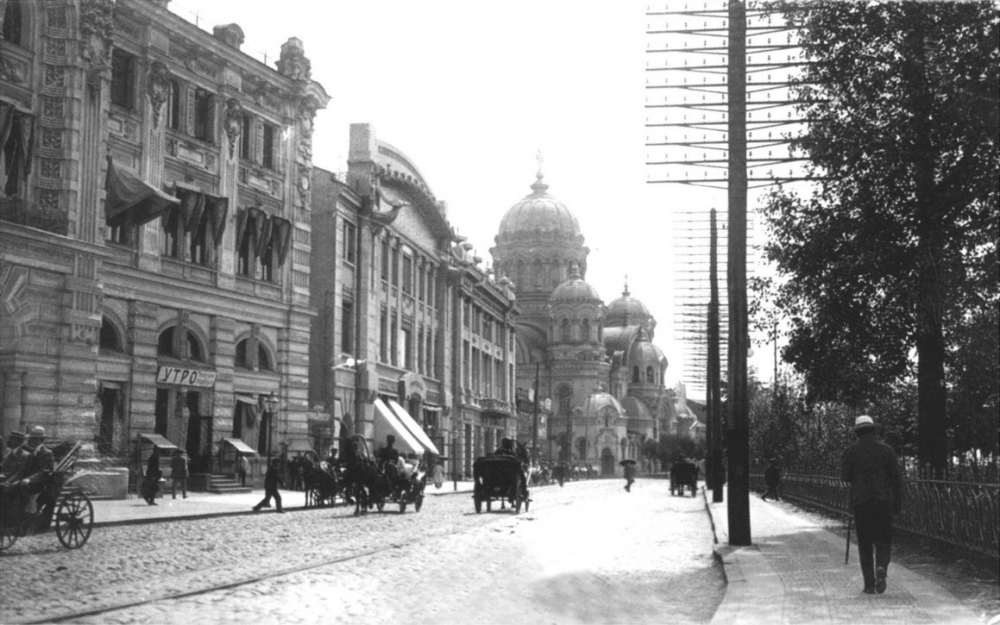 Har Kiev “Bankovaya” – Nikolaevskaya Square. (Part 1)
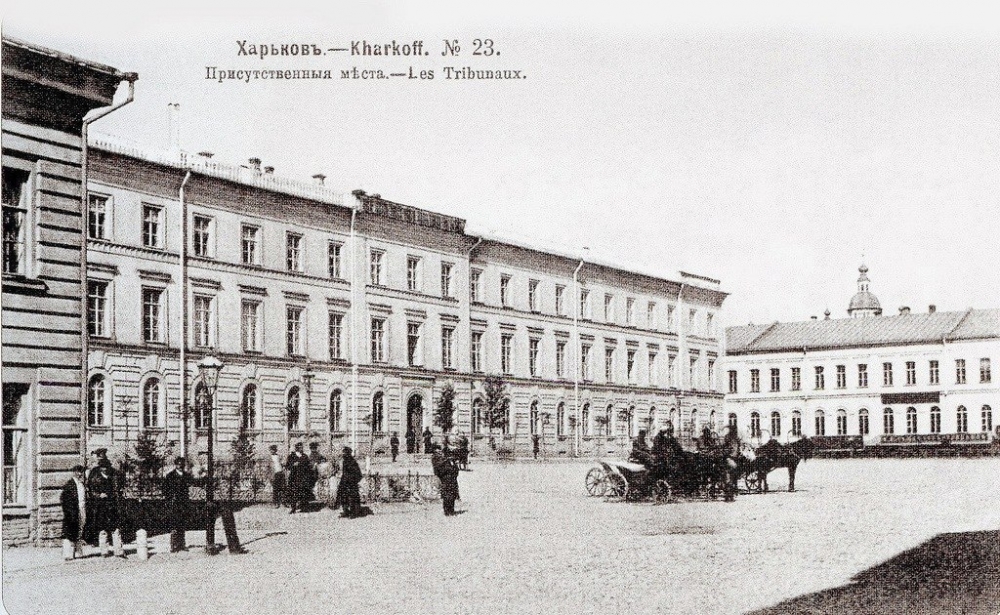 Places of worship are buildings and locations that have a special significance for religious communities. Such buildings are often designated as “places of worship” because they serve a vital role in the spiritual life of these communities. They play a crucial role in facilitating the practice of religious beliefs and the performance of religious rituals. Places of worship are not merely ordinary buildings; they represent much more than that. They embody the values, beliefs, and traditions of a particular religion or community. They are often considered sacred sites. Therefore, the fate of places of worship is closely linked to the destiny of the communities that rely on them for their spiritual needs. The fate of these communities themselves is also influenced by the fate of their places of worship. In short, the role of places of places of worship in religious life is so vital that it is impossible to overestimate their importance. Their significance extends beyond the boundaries of a single country or culture. Their influence extends far beyond the boundaries of our planet.
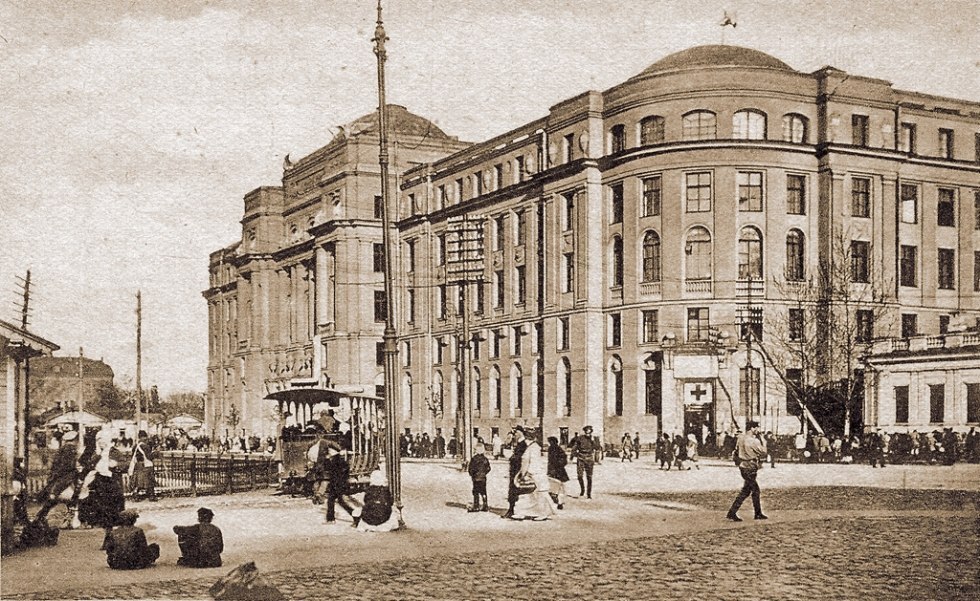 The Southern Railways Management Office was a precursor to the State Planning Commission.
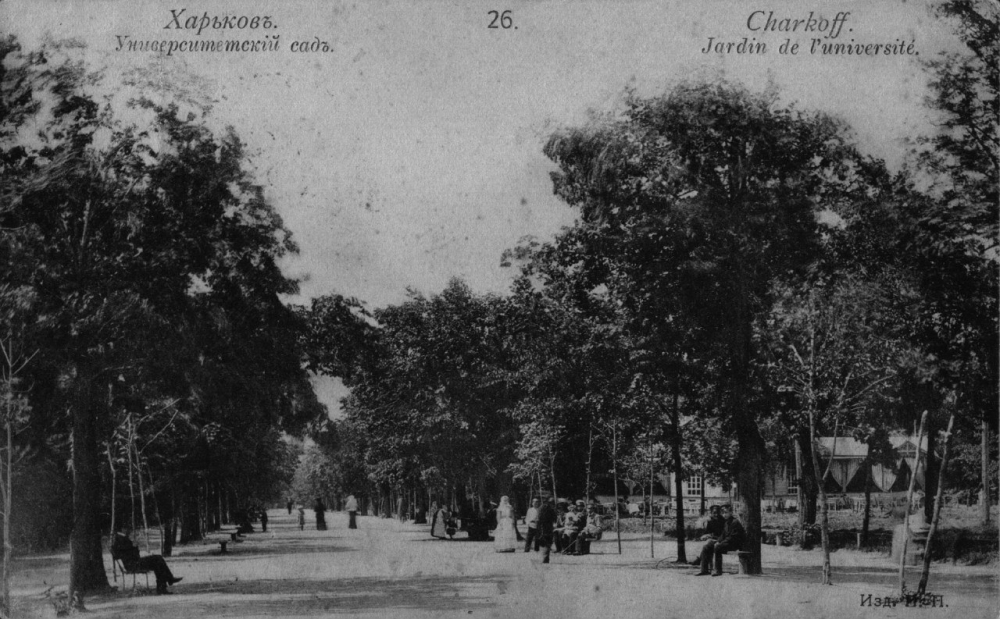 Light Gardens of Kharkiv – Shevchenko Park T.G. Shevchenko – University Park.
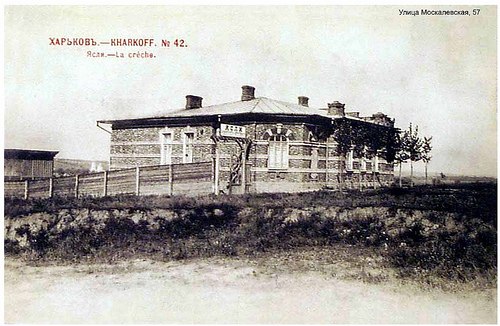 Former nursery school, radio tower with noise suppressor<br>and the building of the 6th Polyclinic
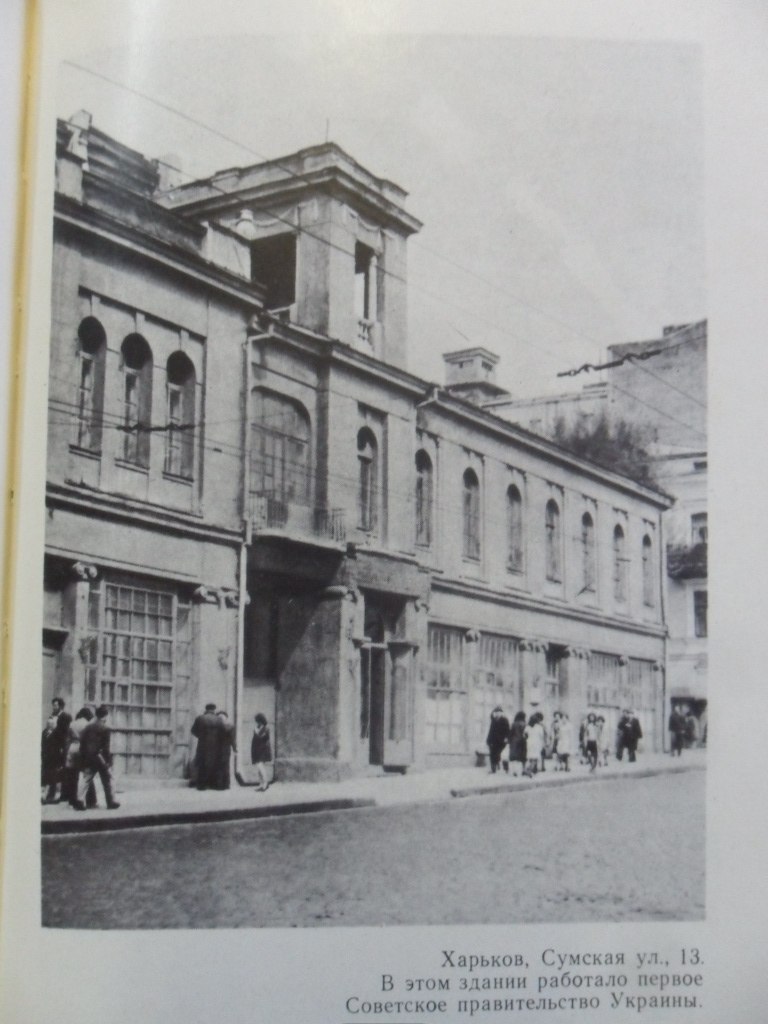 The Wedding Palace – A.A. Yuzefovich’s mansion – is celebrating its 100th anniversary this year.
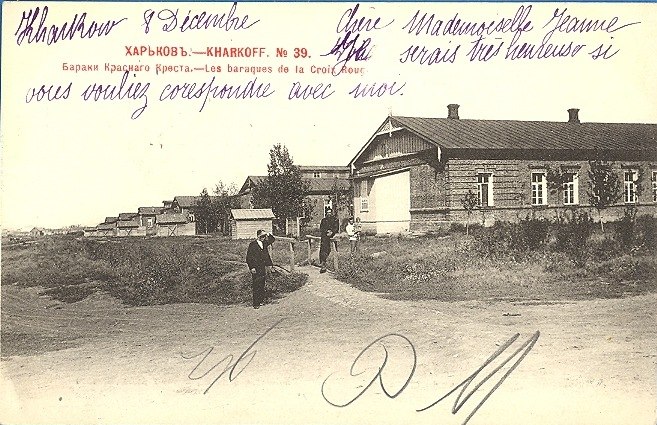 Shatilovka was once a suburban area of Kharkiv that became part of the city limits in the early 20th century.
 In Zagospromy, houses were built without kitchens, and writers were executed.