Light Gardens of Kharkiv – Shevchenko Park T.G. Shevchenko – University Park.7 photos
Kharkiv's Parks – T.G. Shevchenko Garden – University Garden.
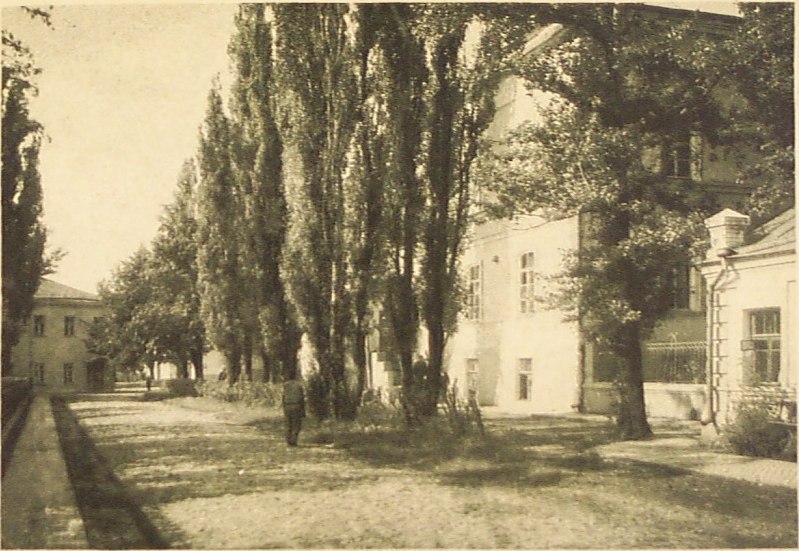
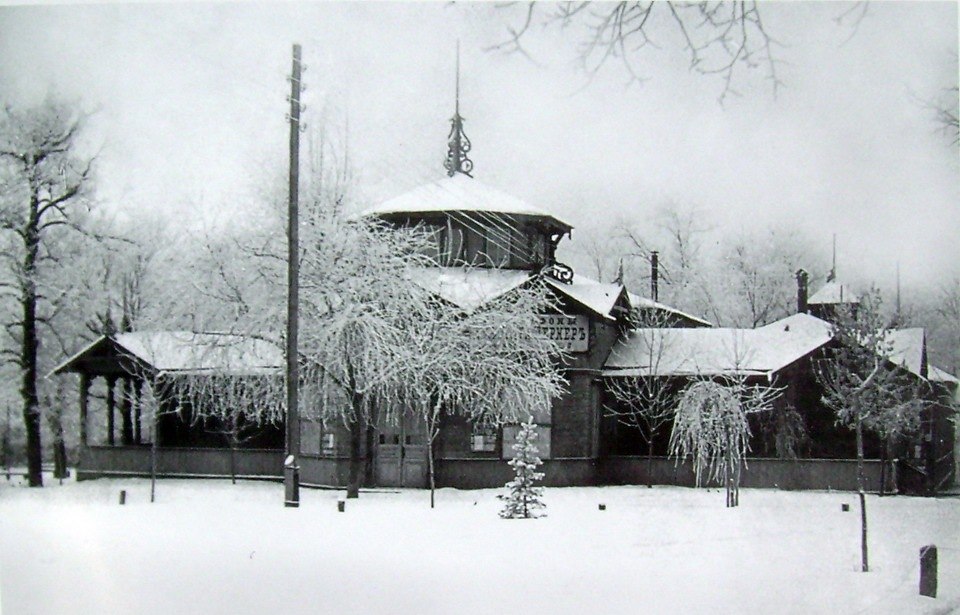
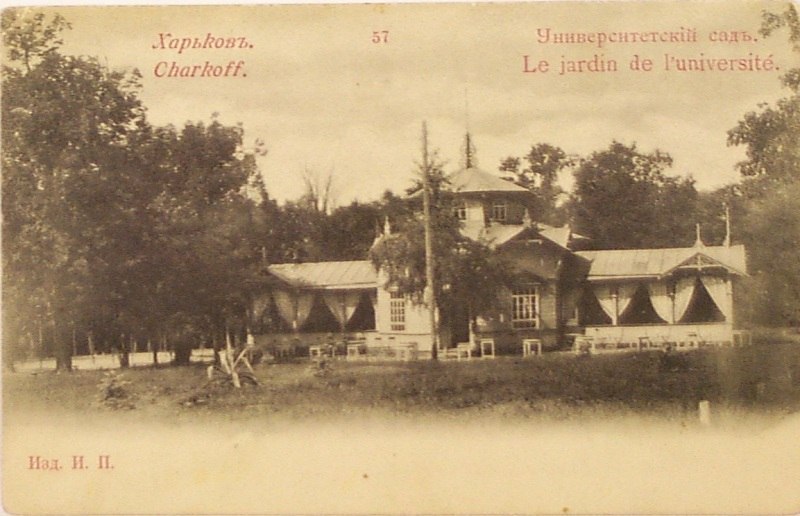
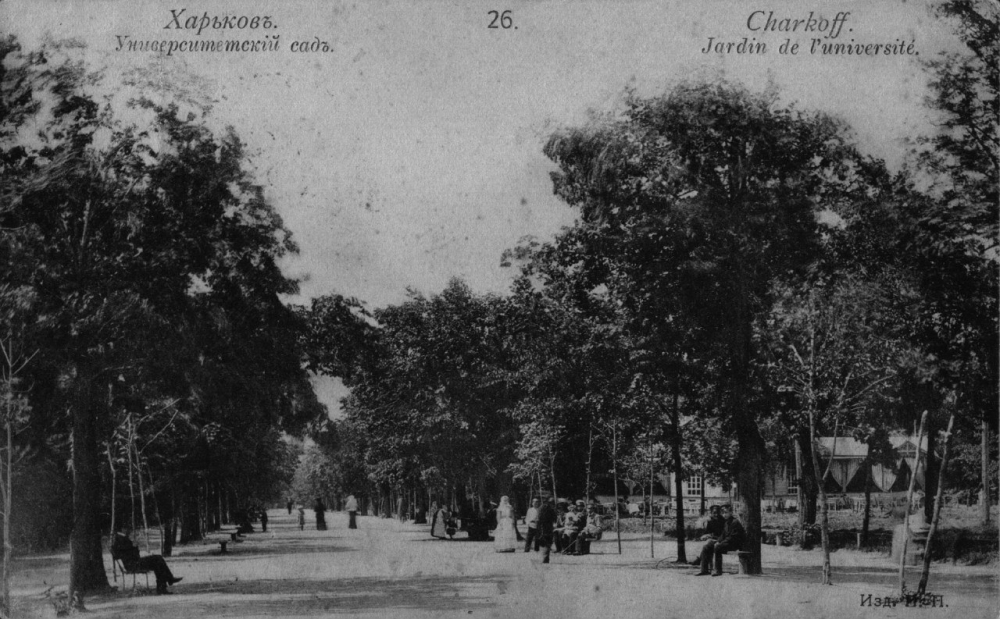
The University Garden, formerly known as Shevchenko Garden before the revolution, was established in 1804 simultaneously with the founding of Kharkiv University, on land donated by the city to this new educational institution (on the map of Kharkiv, the garden was first marked in 1822). Previously, this area consisted of a natural oak forest; about 20 giant oaks have survived to this day. The University Garden was divided into two parts: the botanical section, used for teaching and scientific research, and a public area designed in the English landscape style. Saplings for this garden were brought from Crimea and Bela Tserkva (the estate of Countess Braniccka). The garden was surrounded by a high stone fence with decorative wrought iron gates.
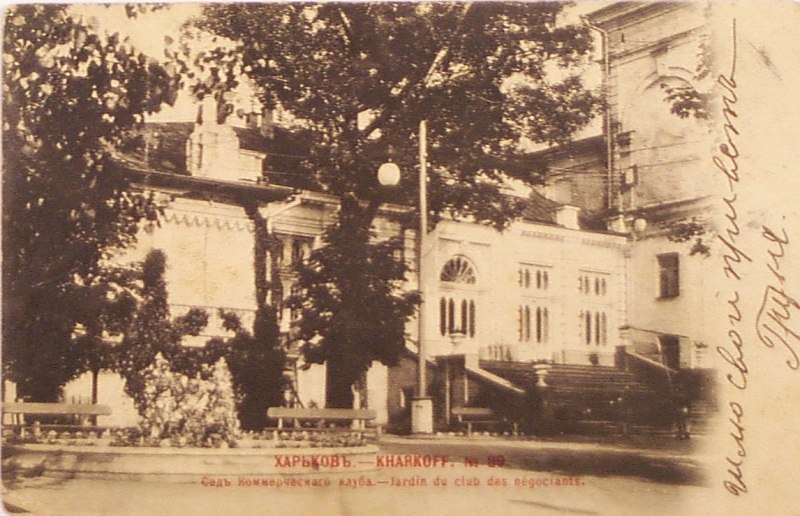
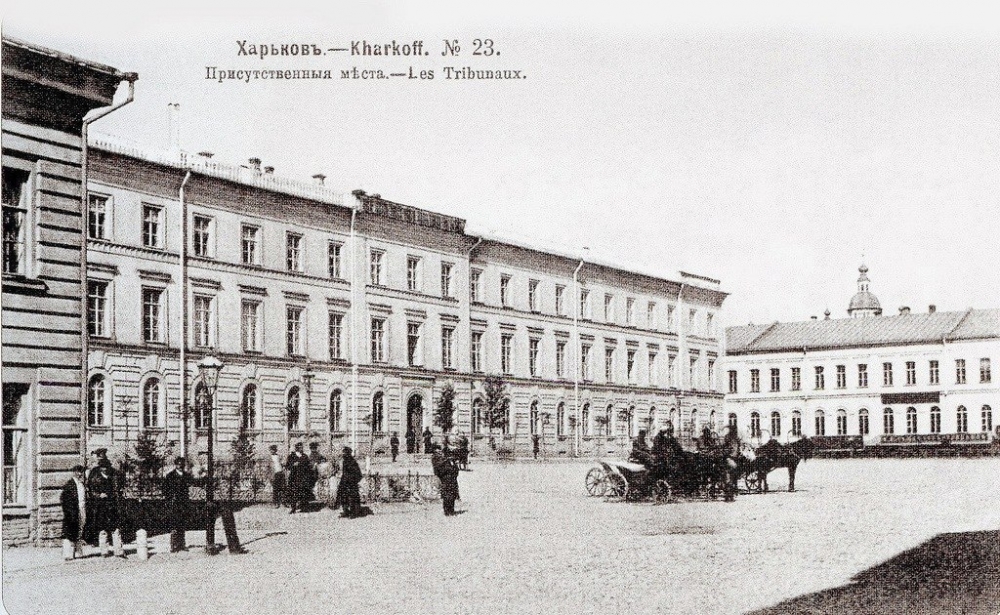
In the 1860s, on the land located south of the University Garden, the Commercial Club built its own garden, which was simply called the Commercial Club Garden. Concerts and even opera performances were often held in its summer pavilion. During the 19th century, buildings for the Institute of Noble Maidens (1839) and the Veterinary Institute (1854) were constructed along Sumskaya Street within the garden grounds.
In 1896, on two hectares of land rented from the University Garden, an exhibition of domestic animals and birds was held; later, wild animals were also added to this display, marking the beginning of Kharkiv Zoo.
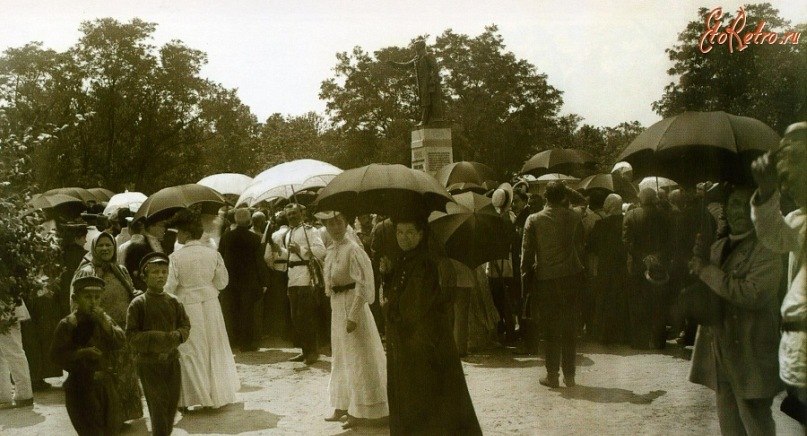
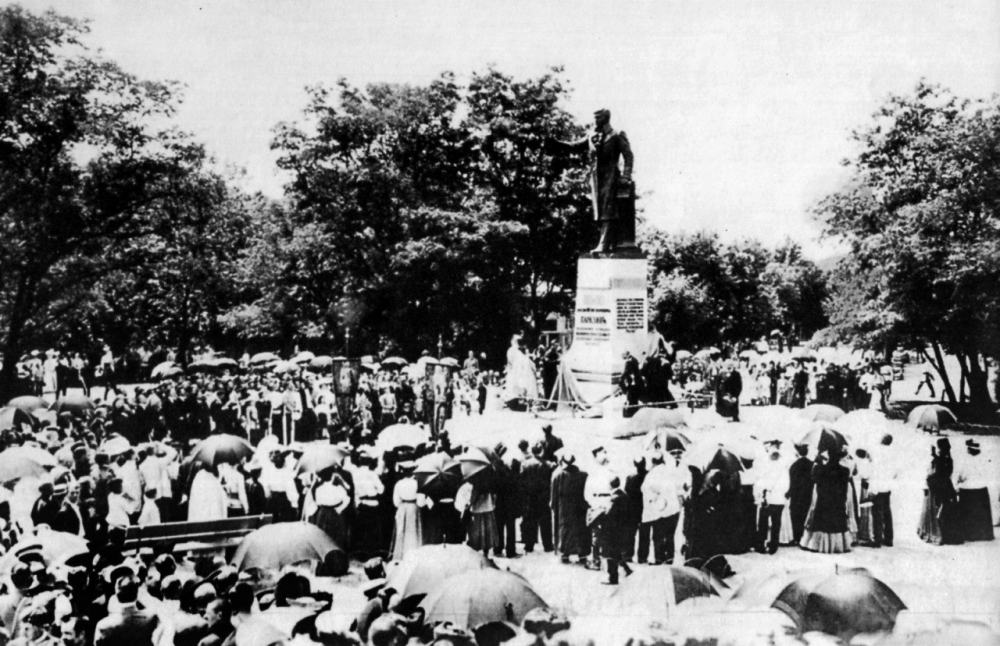
At the beginning of the 20th century, the park acquired its first monument: in 1905, a statue of V.N. Karazin, the founder of the University, was installed. However, this statue was later removed from the park for several decades before being returned to a new location behind the university’s new port building, making it the “most nomadic” monument in the city.
After the revolution, the Commercial Club Garden became the Business Club Garden and later was renamed the Trade Union Garden. The garden was fenced off, and entry was charged; this arrangement continued until 1933, when P.P. Postyshev, the First Secretary of the Kharkiv Regional Committee, ordered the removal of the fences separating the University Garden, the Trade Union Garden, and the Botanical Garden, making access to all of them free and open to everyone. With the inauguration of the Shevchenko Monument in 1935, this combined garden was officially named the Shevchenko Garden.
Source: vk.com/old_kharkov
Find the Best Professionals for Your Project
Expert repair, construction, and renovation specialists ready to help you right now
Recommended Galleries
Recommended articles



More Galleries
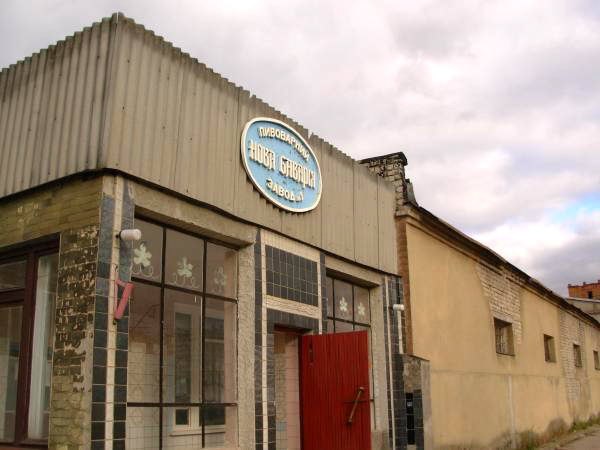 History of the “New Bavaria” Brewery
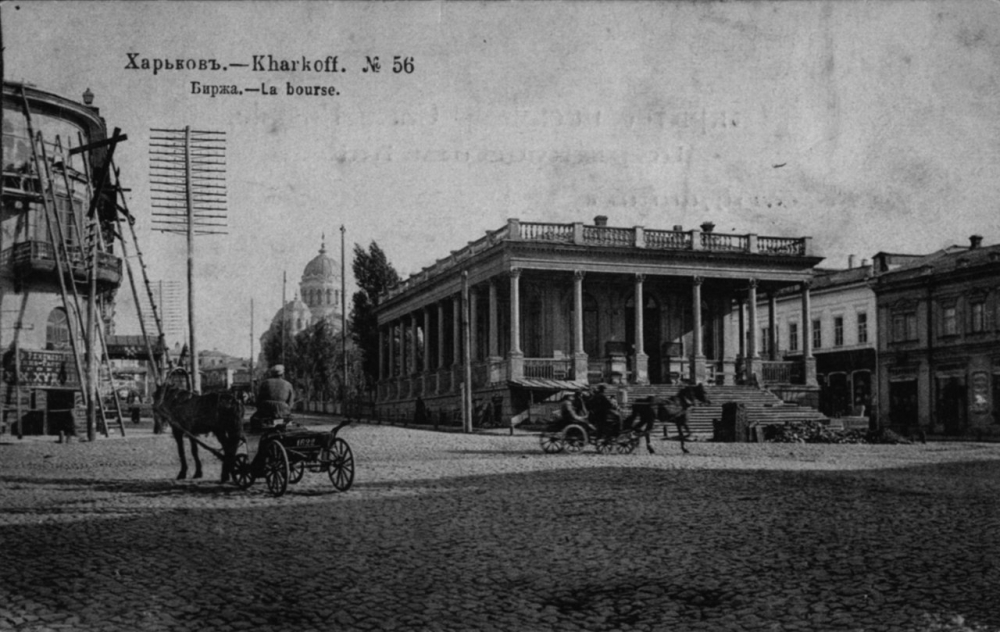 Harkovskaya “Bankova” – Nikolaevskaya Square. <br>(Part 3)
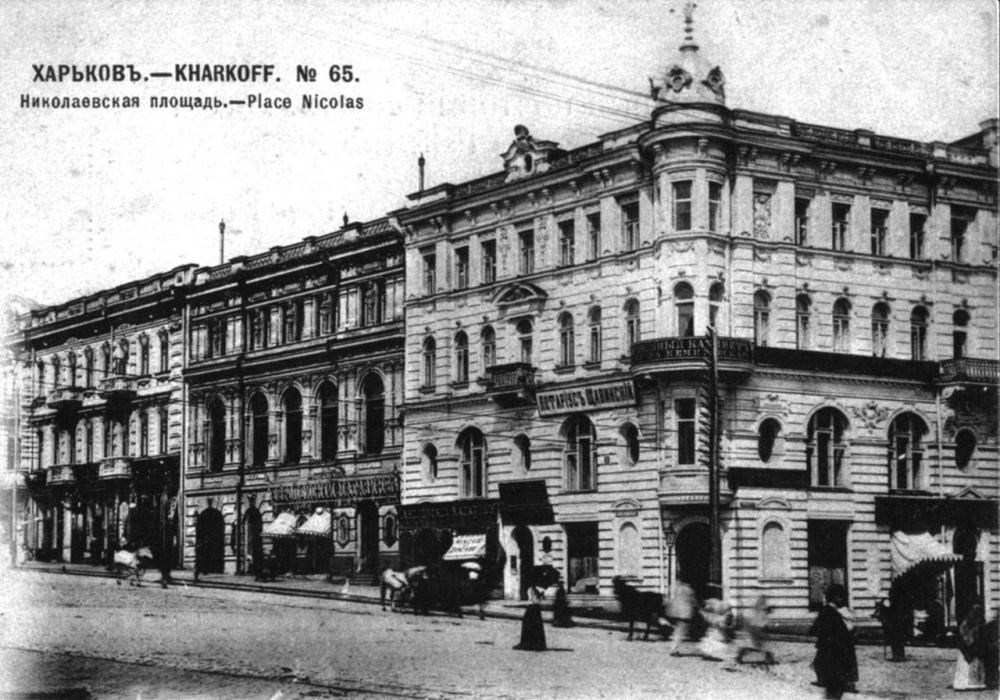 Harlovskaya “Bankovaya” – Nikolaevskaya Square. <br>(Part 2)
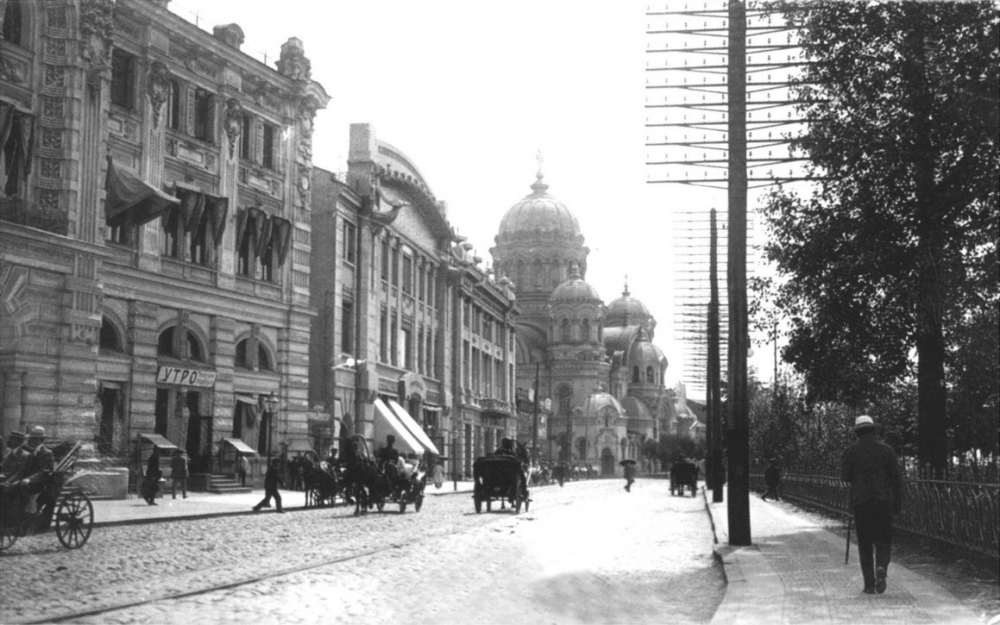 Har Kiev “Bankovaya” – Nikolaevskaya Square. (Part 1)
 Places of worship are buildings and locations that have a special significance for religious communities. Such buildings are often designated as “places of worship” because they serve a vital role in the spiritual life of these communities. They play a crucial role in facilitating the practice of religious beliefs and the performance of religious rituals. Places of worship are not merely ordinary buildings; they represent much more than that. They embody the values, beliefs, and traditions of a particular religion or community. They are often considered sacred sites. Therefore, the fate of places of worship is closely linked to the destiny of the communities that rely on them for their spiritual needs. The fate of these communities themselves is also influenced by the fate of their places of worship. In short, the role of places of places of worship in religious life is so vital that it is impossible to overestimate their importance. Their significance extends beyond the boundaries of a single country or culture. Their influence extends far beyond the boundaries of our planet.
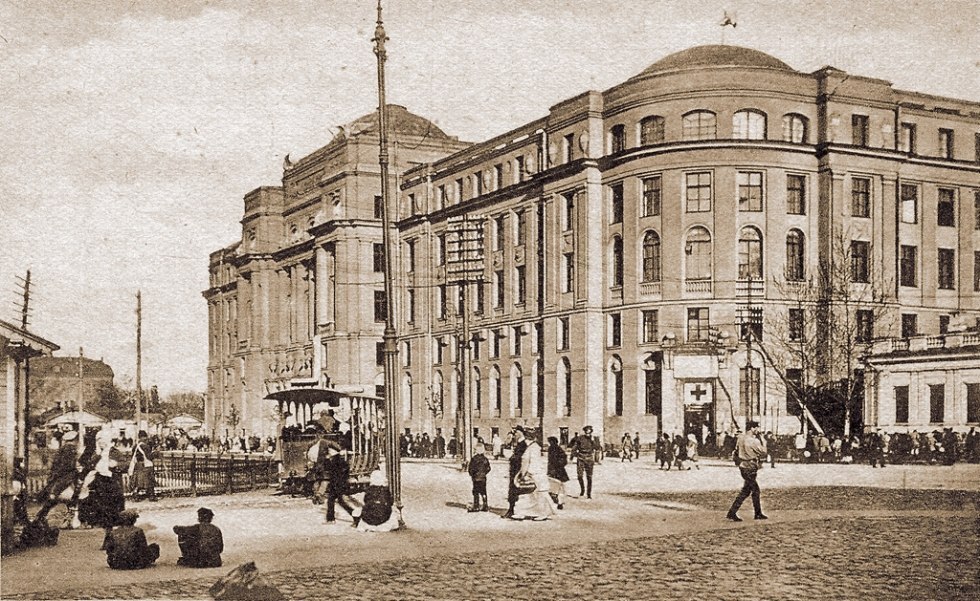 The Southern Railways Management Office was a precursor to the State Planning Commission.
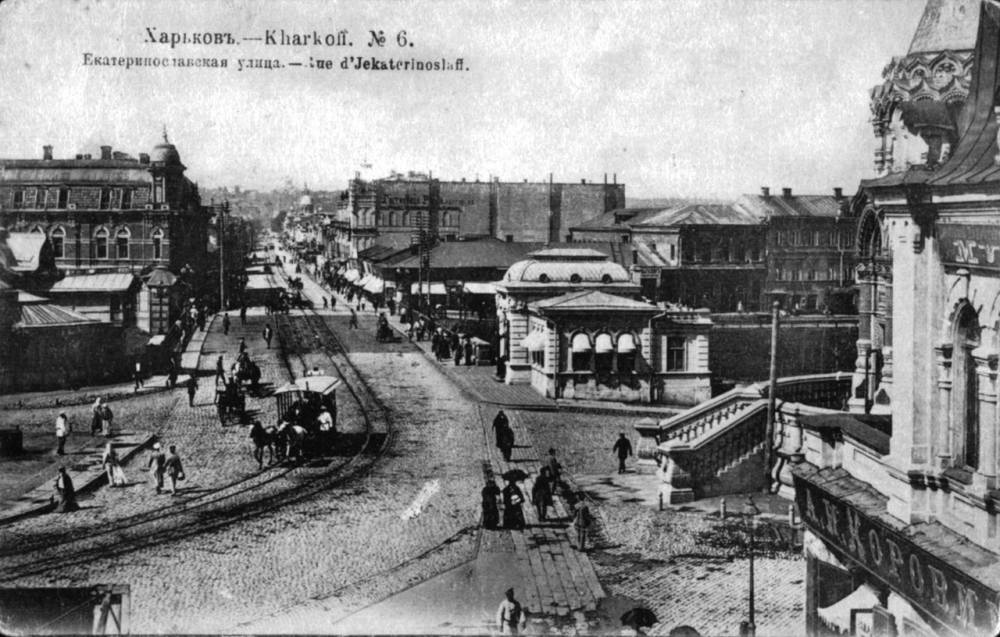 Old Bridges of Kharkiv
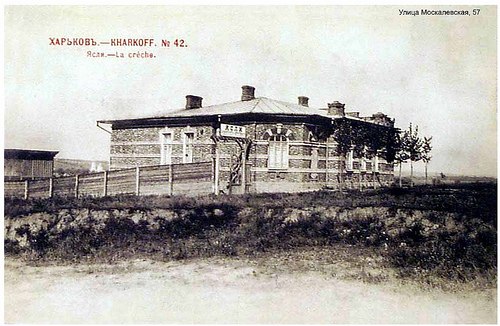 Former nursery school, radio tower with noise suppressor<br>and the building of the 6th Polyclinic
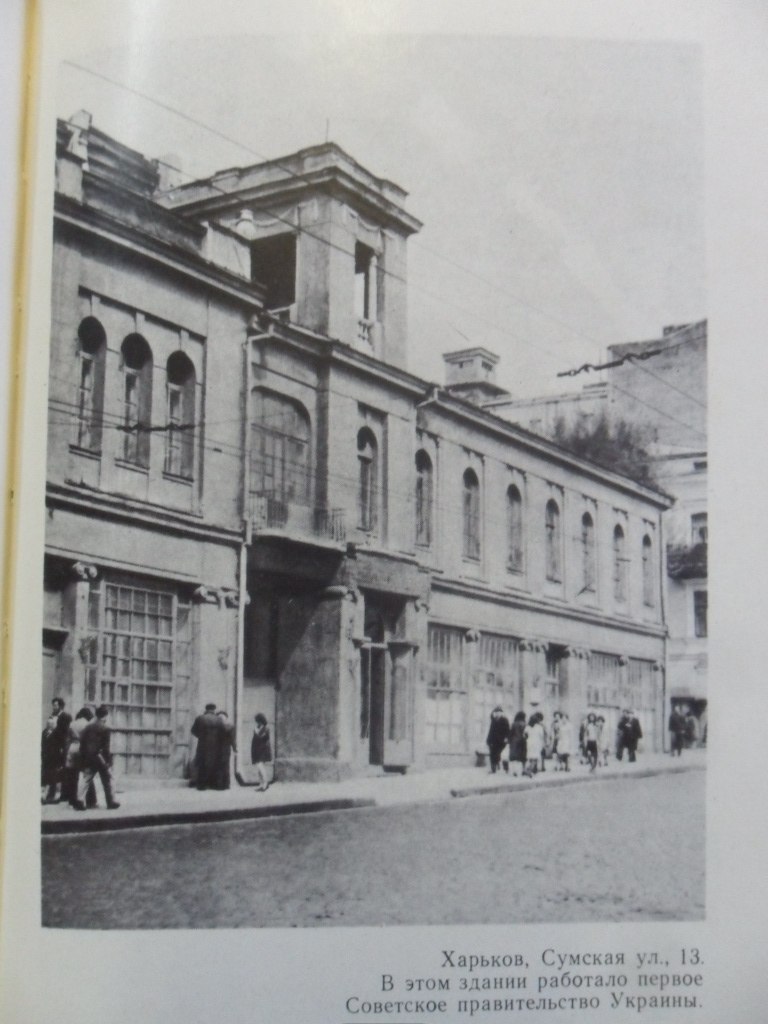 The Wedding Palace – A.A. Yuzefovich’s mansion – is celebrating its 100th anniversary this year.
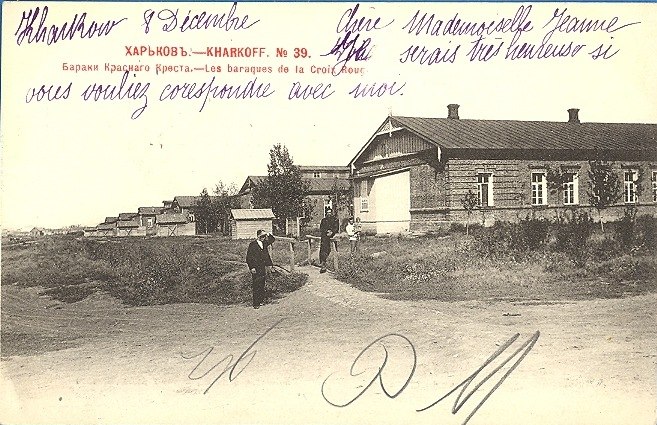 Shatilovka was once a suburban area of Kharkiv that became part of the city limits in the early 20th century.
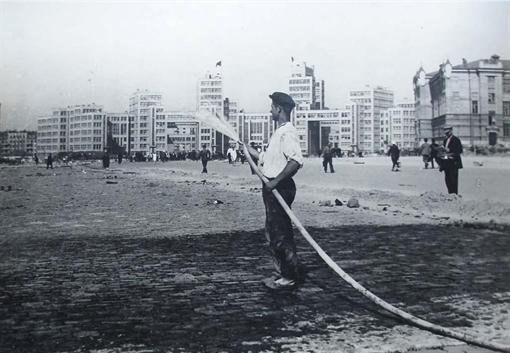 In Zagospromy, houses were built without kitchens, and writers were executed.
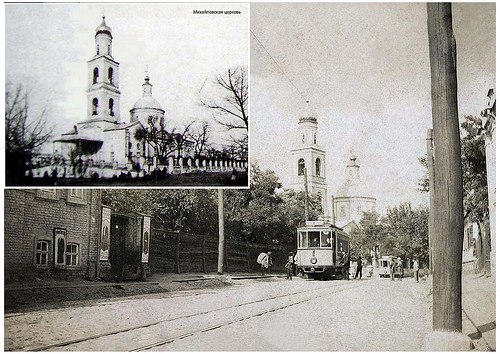 #### Mikhailovskaya Church