#### Mikhailovskaya Church3 photos
The Michael Church
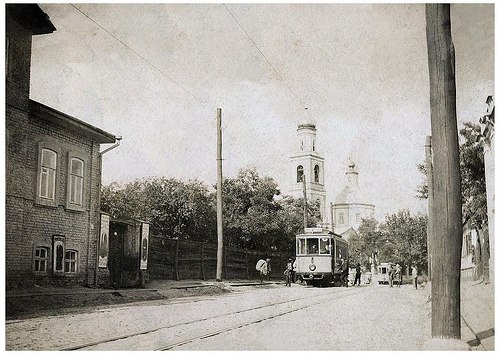
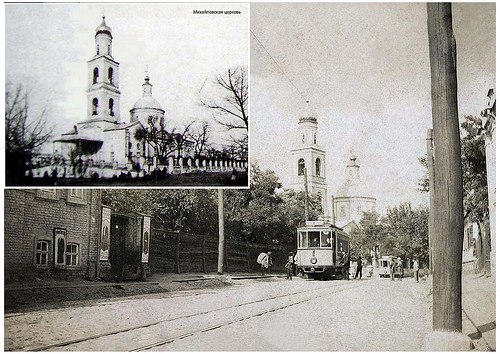
A new photograph of the Michael Church has appeared—one that I had never seen before—and this provides an opportunity to talk about this church, to recall it and the location where it stood. It is easy to confirm that the photo indeed shows the Michael Church by comparing it with the “canonical” image, the only one used in all publications regarding this temple.
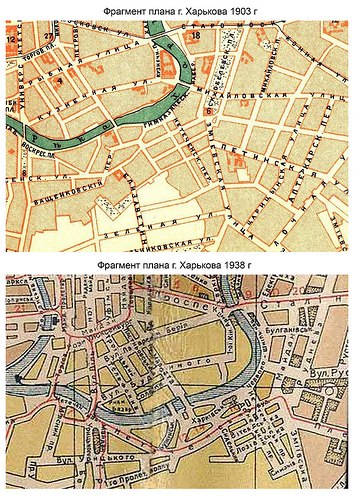
Both photographs were taken from almost the same angle, with the shooting site located on Netechenskaya Street. To verify this, one can simply look at the diagrams showing the church’s original location. For convenience, I include two diagrams: one from 1903 indicates the site where the church stood (marked with the number 6), while the other from 1938 shows the tram route in the area surrounding the church.
Some information about the church’s history is drawn from an article by V.I. Pushkar: “Archangel Michael Church (1663–1961)”, published in *Cultural Heritage of the Sloboda Region: Collection of Scientific and Popular Articles*, Kharkov, 2011, Vol. 25, pp. 218–222.
The Archangel Michael Church was located outside the city walls, in a settlement called Nemyshlyanska Sloboda. The first wooden church here was built in 1663.
Peter the Great prayed at the Archangel Michael Church on his way to Poltava, praying for Russia’s arms to defeat the evil Swedish invaders. On the day after the great Battle of Poltava, a special messenger sent by Peter the Great arrived at the church and announced the great victory achieved by the Russian army and the entire Russian people.
The stone church was built according to the design of architect P.A. Yaroslavsky. The first stone was laid in 1783, and in 1816, the stone bell tower was completed. The construction of the tower took place during the tenure of architects E.A. Vasilyev and S.T. Chernyshev.
The church underwent renovations and expansions in 1841, 1852, 1855, and 1859, with additional chapels added on the east and west sides. The last reconstruction took place in 1902.
The church existed until 1931: in April of that year, the Kharkov City Council decided to close it and hand over its premises to the OSOAVIAHIM organization.
According to another source cited by V.I. Pushkar, in 1929, a polyclinic was opened inside the church building; there may also have been living and utility spaces there.
During the war, the church was severely damaged. In January 1942, the parishioners of the former Archangel Michael Church requested permission from the city authorities to return the building to them, and such permission was granted. With the efforts of the parishioners, the church was gradually restored. In July 1946, the Kharkov City Committee allowed the church to reopen. It remained in operation until the period of “Krushchev’s campaign against churches,” when tens of thousands of temples across the country were closed and destroyed. The severely damaged building of the Michael Church was demolished by the early 1970s.
The area where the Michael Church used to stand also underwent significant changes. Here’s how L.Gil, who lived in a house near the church, described those years:
“The church, surrounded by a green square, was located right across from our house. We called that little churchyard the center of attraction for the whole neighborhood. In summer, grandmothers and mothers would take their children there to relax, and couples would stroll around looking for quiet, secluded spots to sit. In winter, the hill in the yard became a paradise for children from all the houses in the Rudnev Square area, as well as those from the Levada district, Pleyhanovskaya Street, Netechenskaya Street, Zmiyevskaya Street, and Rustaveli Street. It was always bustling, noisy, and full of fun there. Skiers and sledders got plenty of opportunities to enjoy the hill where the church used to stand.
But in 1961, the Michael Church was demolished right before our eyes—the explosion shattered all the windows in our house, and the hill, that is, the former defensive wall, was leveled and paved with asphalt. In place of the churchyard, a square named after the first astronaut, Yuri Gagarin, was created. Zmiyevskaya Highway, which used to run right next to the church, was renamed Gagarin Boulevard.”
As is often said in such cases… “In place of a postscript…”
Source: the-past.in.ua
#Kharkov #History_of_Kharkov #First_Capital_History
A new photograph of the Michael Church has appeared—one that I had never seen before—and this provides an opportunity to talk about this church, to recall it and the location where it stood. It is easy to confirm that the photo indeed shows the Michael Church by comparing it with the “canonical” image, the only one used in all publications regarding this temple.
Both photographs were taken from almost the same angle, with the shooting site located on Netechenskaya Street. To verify this, one can simply look at the diagrams showing the church’s original location. For convenience, I include two diagrams: one from 1903 indicates the site where the church stood (marked with the number 6), while the other from 1938 shows the tram route in the area surrounding the church.
Some information about the church’s history is drawn from an article by V.I. Pushkar: “Archangel Michael Church (1663–1961)”, published in *Cultural Heritage of the Sloboda Region: Collection of Scientific and Popular Articles*, Kharkov, 2011, Vol. 25, pp. 218–222.
The Archangel Michael Church was located outside the city walls, in a settlement called Nemyshlyanska Sloboda. The first wooden church here was built in 1663.
Peter the Great prayed at the Archangel Michael Church on his way to Poltava, praying for Russia’s arms to defeat the evil Swedish invaders. On the day after the great Battle of Poltava, a special messenger sent by Peter the Great arrived at the church and announced the great victory achieved by the Russian army and the entire Russian people.
The stone church was built according to the design of architect P.A. Yaroslavsky. The first stone was laid in 1783, and in 1816, the stone bell tower was completed. The construction of the tower took place during the tenure of architects E.A. Vasilyev and S.T. Chernyshev.
The church underwent renovations and expansions in 1841, 1852, 1855, and 1859, with additional chapels added on the east and west sides. The last reconstruction took place in 1902.
The church existed until 1931: in April of that year, the Kharkov City Council decided to close it and hand over its premises to the OSOAVIAHIM organization.
According to another source cited by V.I. Pushkar, in 1929, a polyclinic was opened inside the church building; there may also have been living and utility spaces there.
During the war, the church was severely damaged. In January 1942, the parishioners of the former Archangel Michael Church requested permission from the city authorities to return the building to them, and such permission was granted. With the efforts of the parishioners, the church was gradually restored. In July 1946, the Kharkov City Committee allowed the church to reopen. It remained in operation until the period of “Krushchev’s campaign against churches,” when tens of thousands of temples across the country were closed and destroyed. The severely damaged building of the Michael Church was demolished by the early 1970s.
The area where the Michael Church used to stand also underwent significant changes. Here’s how L.Gil, who lived in a house near the church, described those years:
“The church, surrounded by a green square, was located right across from our house. We called that little churchyard the center of attraction for the whole neighborhood. In summer, grandmothers and mothers would take their children there to relax, and couples would stroll around looking for quiet, secluded spots to sit. In winter, the hill in the yard became a paradise for children from all the houses in the Rudnev Square area, as well as those from the Levada district, Pleyhanovskaya Street, Netechenskaya Street, Zmiyevskaya Street, and Rustaveli Street. It was always bustling, noisy, and full of fun there. Skiers and sledders got plenty of opportunities to enjoy the hill where the church used to stand.
But in 1961, the Michael Church was demolished right before our eyes—the explosion shattered all the windows in our house, and the hill, that is, the former defensive wall, was leveled and paved with asphalt. In place of the churchyard, a square named after the first astronaut, Yuri Gagarin, was created. Zmiyevskaya Highway, which used to run right next to the church, was renamed Gagarin Boulevard.”
As is often said in such cases… “In place of a postscript…”
Source: the-past.in.ua
#Kharkov #History_of_Kharkov #First_Capital_History
Find the Best Professionals for Your Project
Expert repair, construction, and renovation specialists ready to help you right now
Recommended Galleries
Har Kiev “Bankovaya” – Nikolaevskaya Square. (Part 1)
Places of worship are buildings and locations that have a special significance for religious communities. Such buildings are often designated as “places of worship” because they serve a vital role in the spiritual life of these communities. They play a crucial role in facilitating the practice of religious beliefs and the performance of religious rituals. Places of worship are not merely ordinary buildings; they represent much more than that. They embody the values, beliefs, and traditions of a particular religion or community. They are often considered sacred sites. Therefore, the fate of places of worship is closely linked to the destiny of the communities that rely on them for their spiritual needs. The fate of these communities themselves is also influenced by the fate of their places of worship. In short, the role of places of places of worship in religious life is so vital that it is impossible to overestimate their importance. Their significance extends beyond the boundaries of a single country or culture. Their influence extends far beyond the boundaries of our planet.
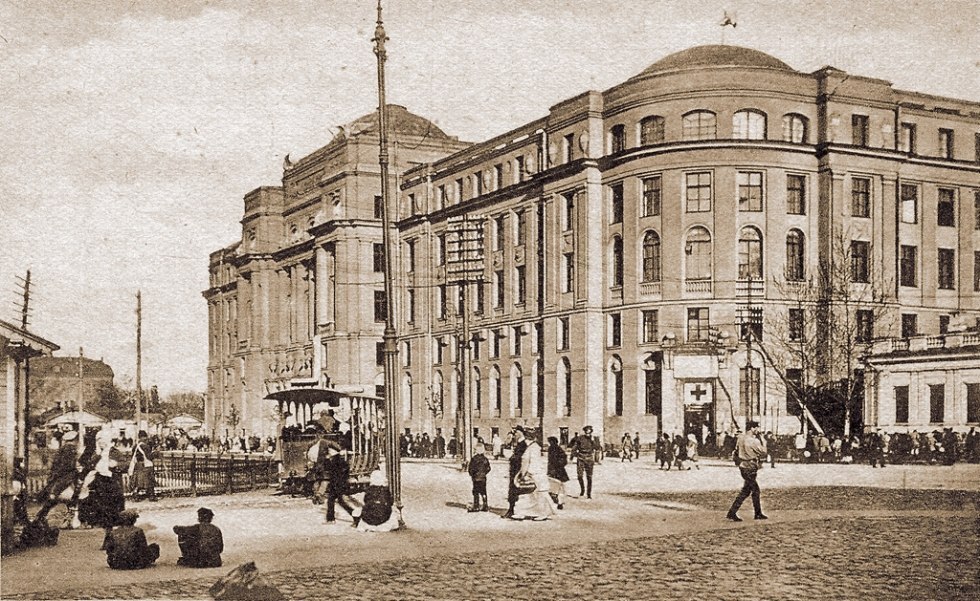
The Southern Railways Management Office was a precursor to the State Planning Commission.
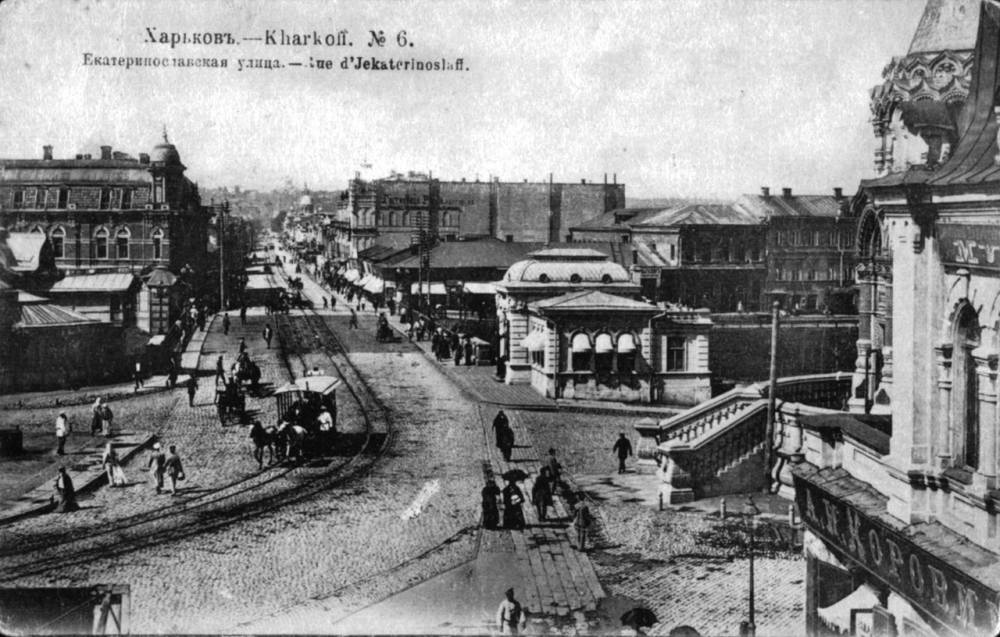
Old Bridges of Kharkiv
Recommended articles



More Galleries
- Har Kiev “Bankovaya” – Nikolaevskaya Square. (Part 1)
- Places of worship are buildings and locations that have a special significance for religious communities. Such buildings are often designated as “places of worship” because they serve a vital role in the spiritual life of these communities. They play a crucial role in facilitating the practice of religious beliefs and the performance of religious rituals. Places of worship are not merely ordinary buildings; they represent much more than that. They embody the values, beliefs, and traditions of a particular religion or community. They are often considered sacred sites. Therefore, the fate of places of worship is closely linked to the destiny of the communities that rely on them for their spiritual needs. The fate of these communities themselves is also influenced by the fate of their places of worship. In short, the role of places of places of worship in religious life is so vital that it is impossible to overestimate their importance. Their significance extends beyond the boundaries of a single country or culture. Their influence extends far beyond the boundaries of our planet.
- The Southern Railways Management Office was a precursor to the State Planning Commission.
- Old Bridges of Kharkiv
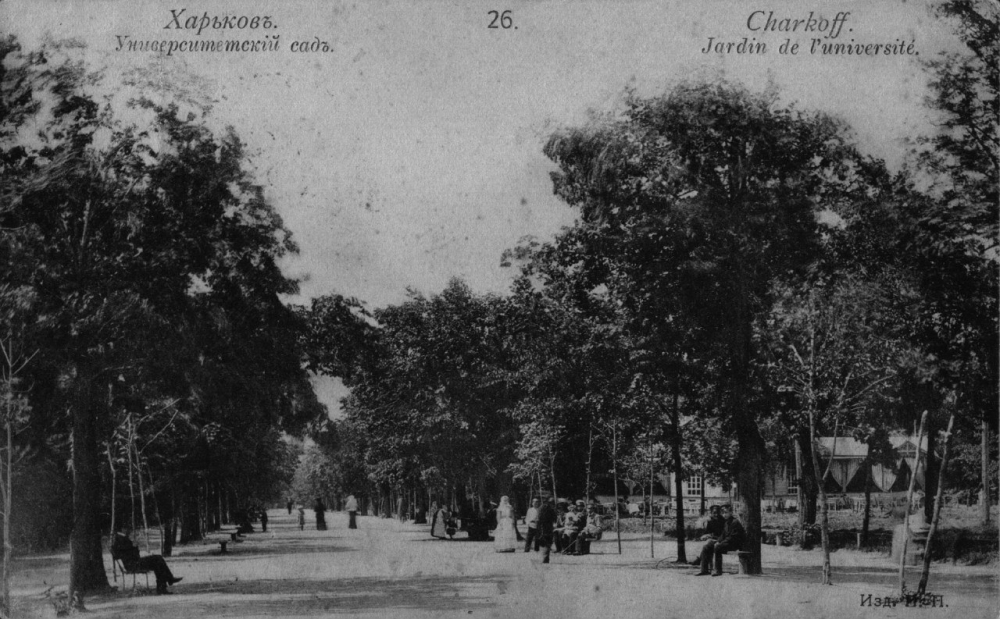 Light Gardens of Kharkiv – Shevchenko Park T.G. Shevchenko – University Park.
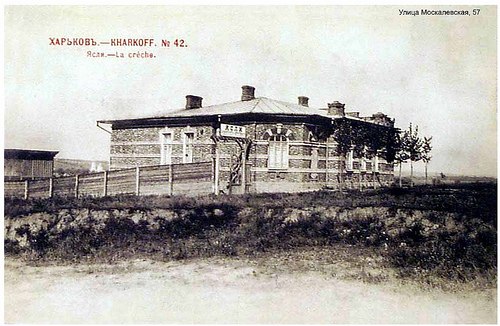 Former nursery school, radio tower with noise suppressor<br>and the building of the 6th Polyclinic
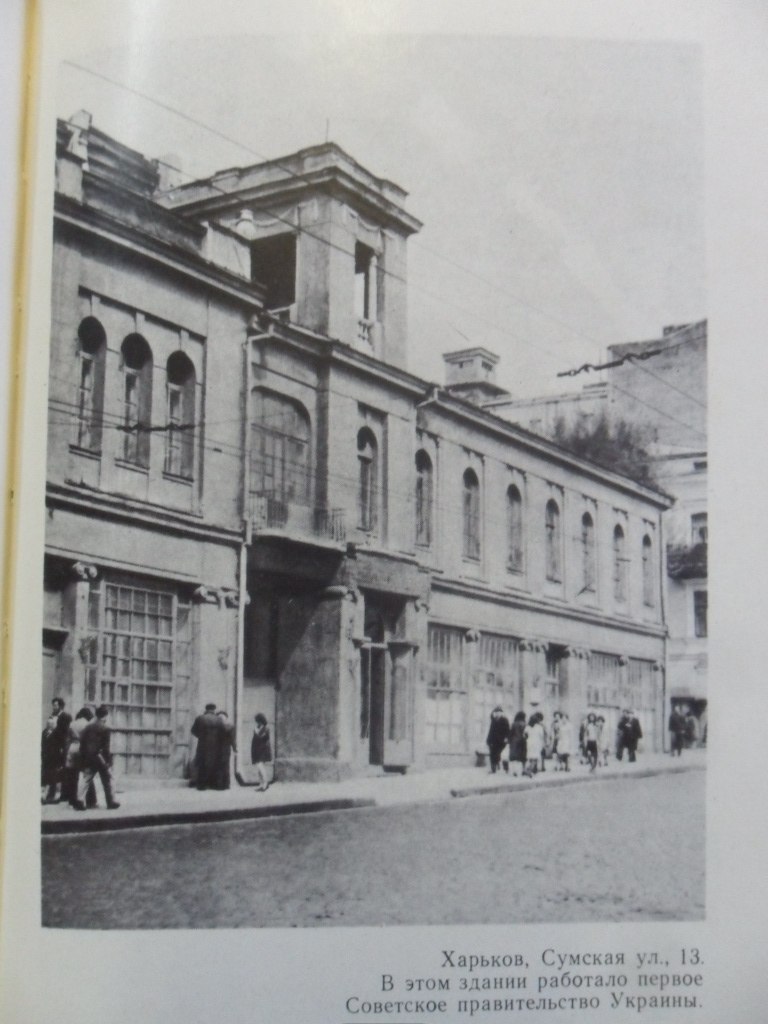 The Wedding Palace – A.A. Yuzefovich’s mansion – is celebrating its 100th anniversary this year.
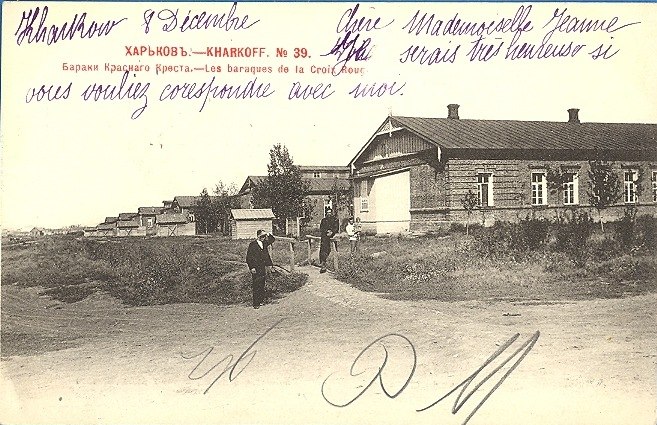 Shatilovka was once a suburban area of Kharkiv that became part of the city limits in the early 20th century.
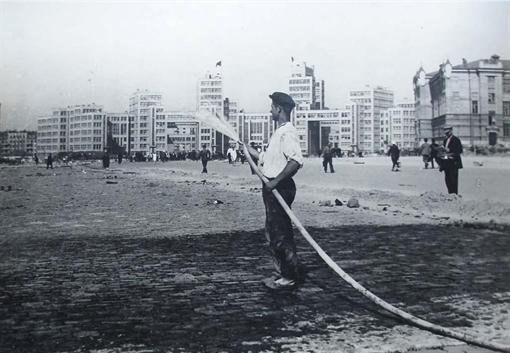 In Zagospromy, houses were built without kitchens, and writers were executed.
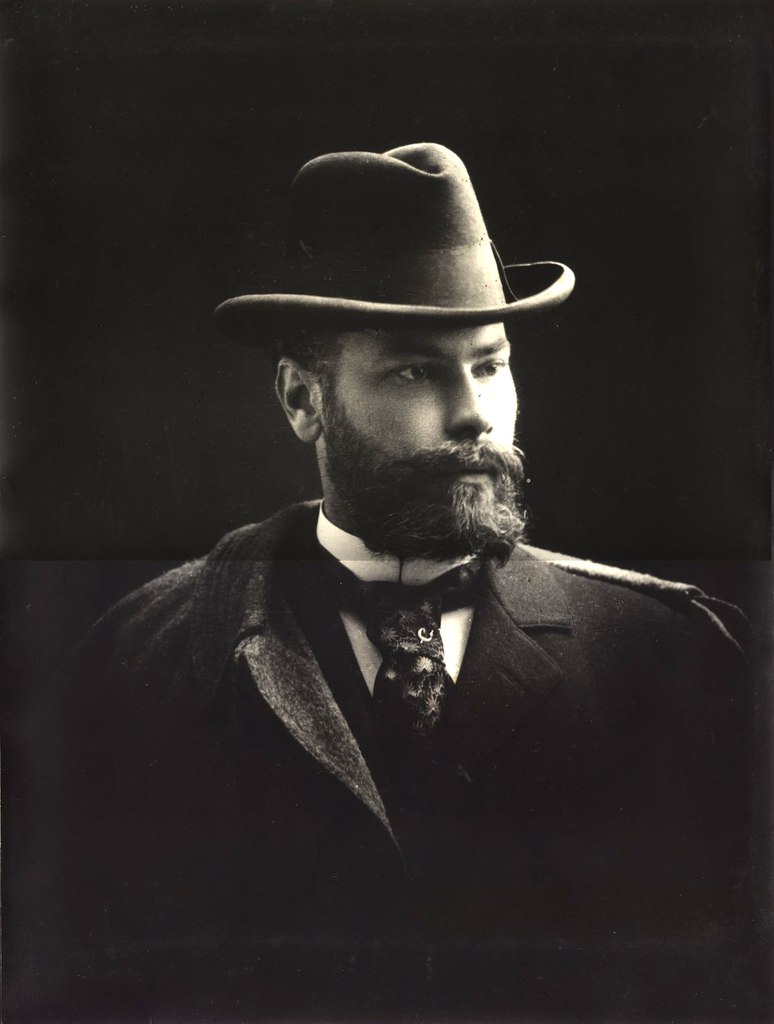 Alexey Nikolaevich Beketov<br>(An architect who can rightfully be called<br>the central figure of Kharkiv's architectural tradition.)
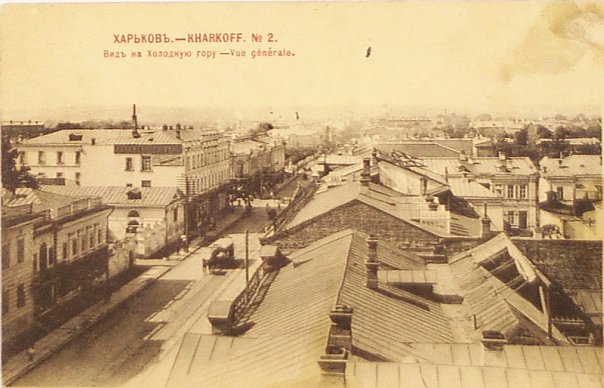 Where does the Poltava Road lead?
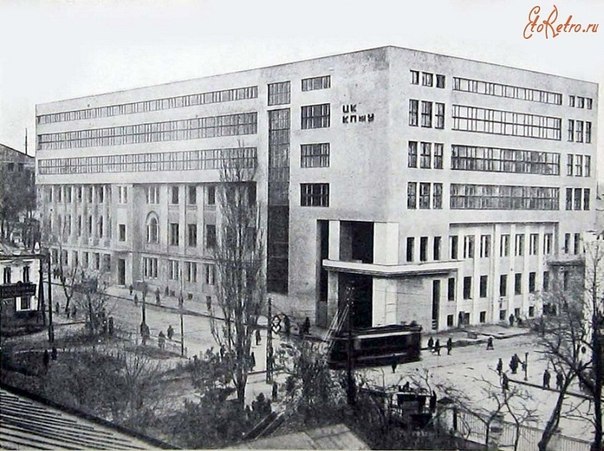 The Triumph of Constructivism --- Return ONLY the complete translated text.