Har Kiev Children's Railway (Little Southern Railway)8 photos
#### Kharkov Children's Railway (Little Southern Railway)
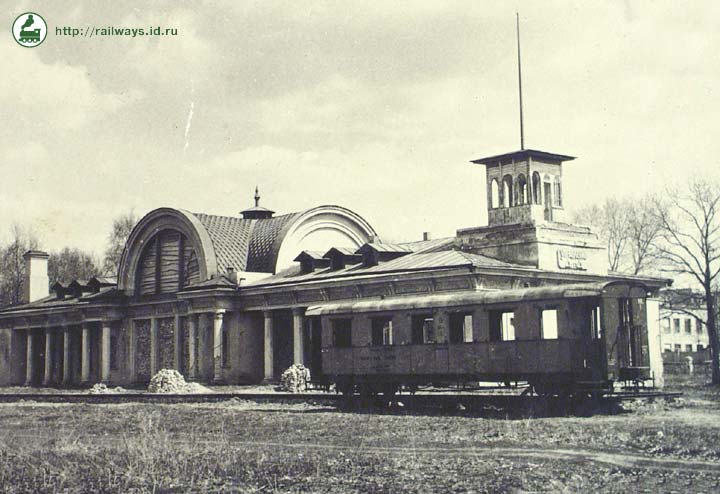
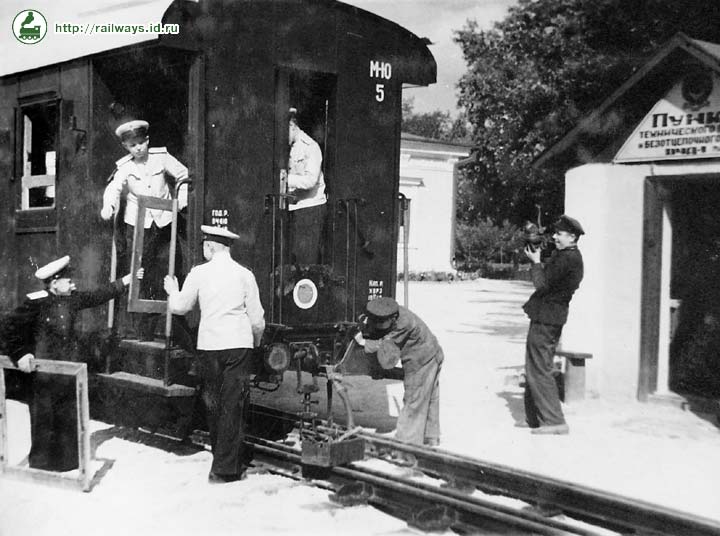
The railway was built in 1940, before the war, at the initiative of the Communist Youth League members of the Southern Railway and the Institute of Railway Transport Engineers (HIIT). The main station, Park, was designed by architect E. A. Lymary.
For passenger transport, a single train consisting of a steam locomotive of the 159 series and several passenger carriages was used. However, it did not operate for long. During the war, the railway was completely destroyed…
However, it was decided to restore and reopen the railway. After the city was liberated on August 23, 1943, the children’s railway presented a very sad sight. The station building in Park was half-destructed—almost all interior partitions were missing, and the roof had collapsed. The steam locomotive depot and the signal posts had been completely burned down, and the White Stone Bridge had been destroyed. Of the rolling stock, only the frame of a single carriage, completely burned inside, remained.
Harbor City itself also suffered greatly at the hands of the occupants. Naturally, priority was given to restoring the city. It was not until April 1945 that the authorities decided to restore the children’s railway and extend it by another two kilometers.
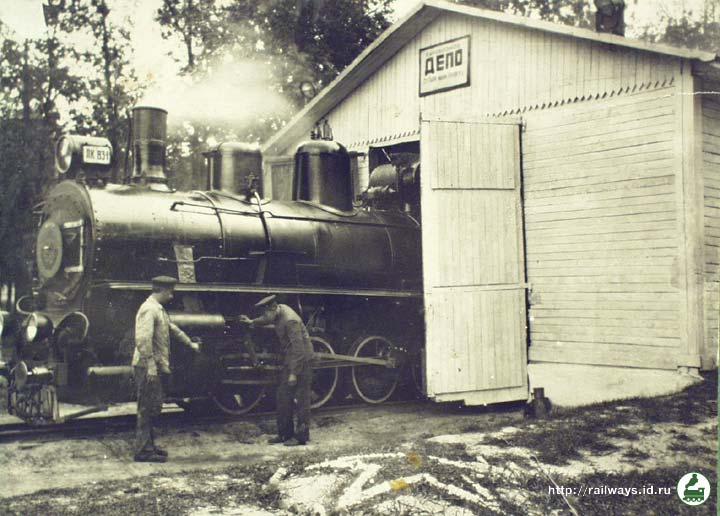
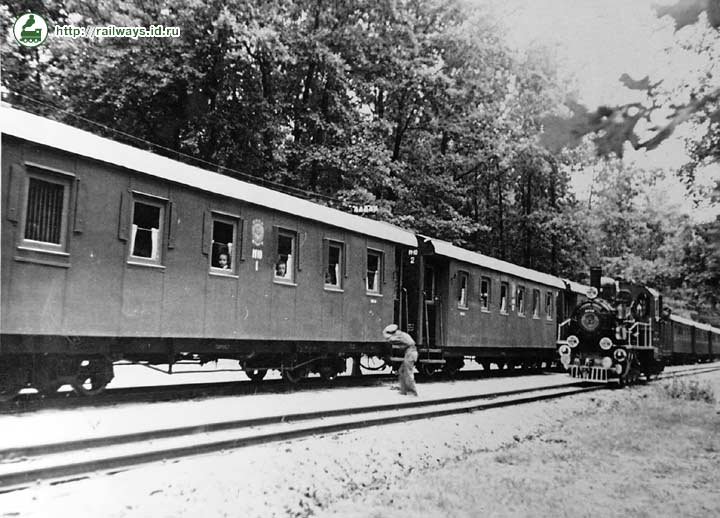
By July 1945, the work was completed: the station building was fully repaired, new sidings were laid in Park station, and a temporary wooden locomotive depot was built. The children’s railway was supplied with one four-axle and several two-axle passenger carriages. Due to a severe shortage of rails, the new section of the track was laid with a reduced rail spacing.
Despite these difficulties, the railway reopened in 1946. The most serious problem was the lack of a steam locomotive. After extensive searches, a damaged locomotive that had previously operated on the railway was found in Kolomak station, on a narrow-gauge track belonging to a sugar factory. Although the locomotive was severely damaged, only its tender survived. It was practically impossible to restore it, so another alternative had to be found.
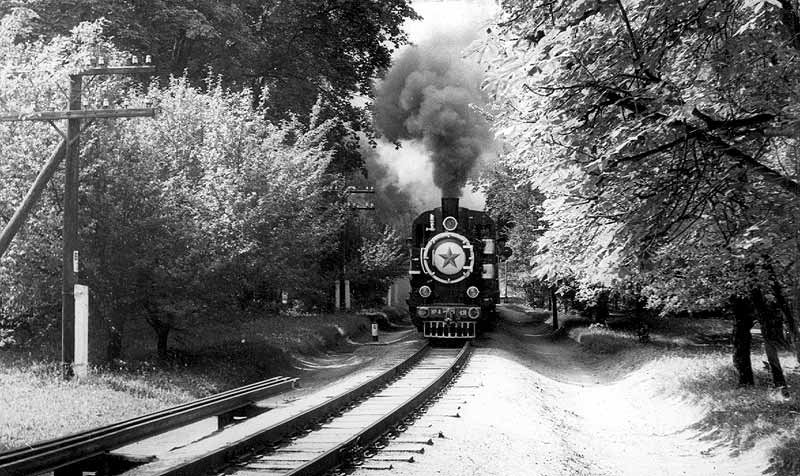
No narrow-gauge steam locomotives could be found in the vicinity of Kharkov. Fortunately, the Kishinev Road Administration agreed to donate a Yugoslav Yu83 locomotive from the Izmail depot. This was the only locomotive of this type (83-040, built by Budapest Plant No. 5003 in 1929) that had ended up in the Soviet Union during the war as a trophy. Due to differences in its parts with domestic narrow-gauge locomotives, it was extremely difficult to operate. However, there was no other option. The locomotive was transported to Kharkov, thoroughly repaired, and renamed LC-83-01 in honor of Transport Commissar Lazar Kaganovich.
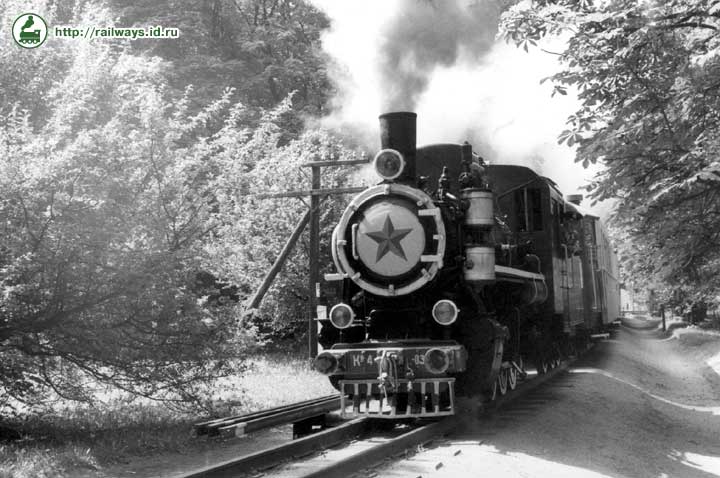
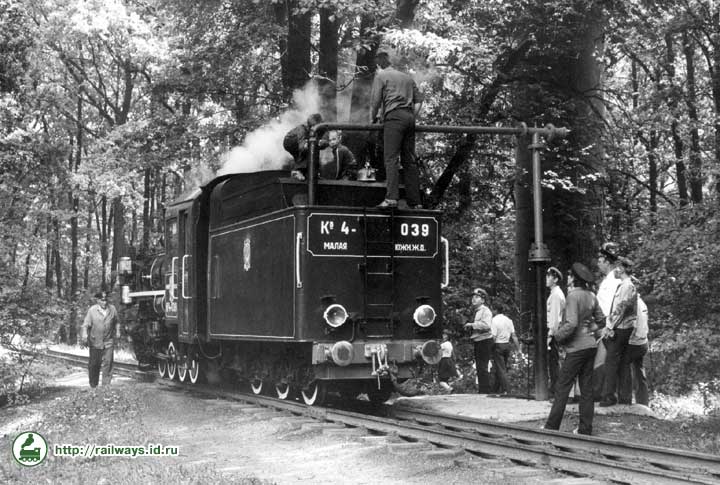
In 1948, the railway received six new four-axle passenger carriages and a draisine. In the late 1940s, another locomotive of the 159 series was added, designated LC-159-02. (Unfortunately, we do not know the details of its subsequent fate.) From 1950, all locomotives on the children’s railway were equipped with two-way radio communication and the Tančur system for automatic train control. In 1951, the LC-83-01 locomotive was retired from service, and it was replaced by a new Hungarian Kv4-039 locomotive (P24 design), which operated on the railway until 1990. This locomotive was only equipped with radio communication; the Tančur system was not installed.
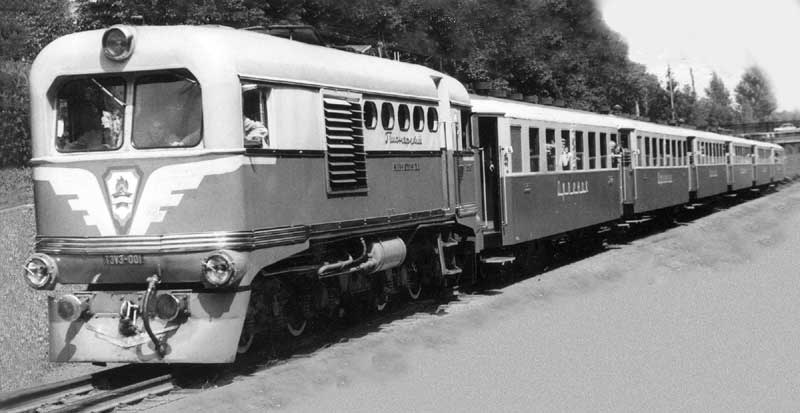
The transition of domestic railways from steam to diesel and electric power in the mid-1950s inevitably affected the children’s railway as well. In 1957, it received a new TU2-125 diesel locomotive donated by the Kharkov Malyshev Transport Machinery Plant.
In 1986, another diesel locomotive, TU2-054, was acquired, and it was immediately modified to resemble the TEU3 model. This locomotive is still in use today.
#### #Kharkov #History #Childrens_Railway
Find the Best Professionals for Your Project
Expert repair, construction, and renovation specialists ready to help you right now
Recommended Galleries
Recommended articles

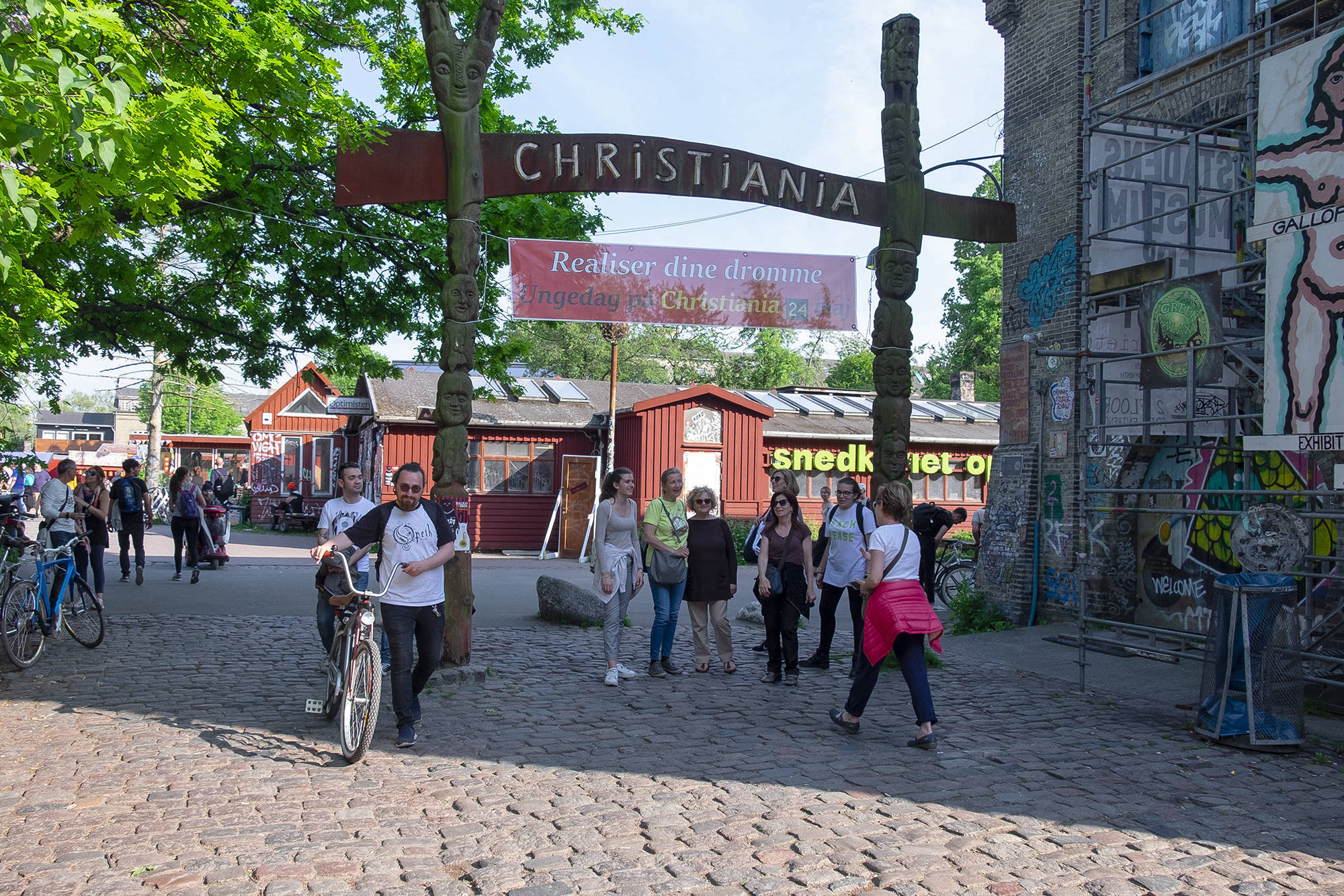


More Galleries
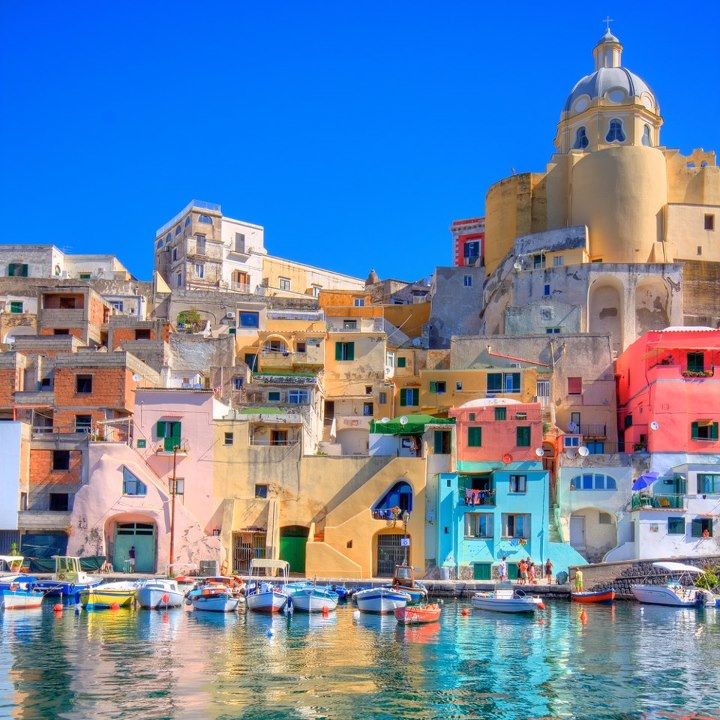 Naples is Italy's third largest city (after Rome and Milan) and the largest city in southern Italy.
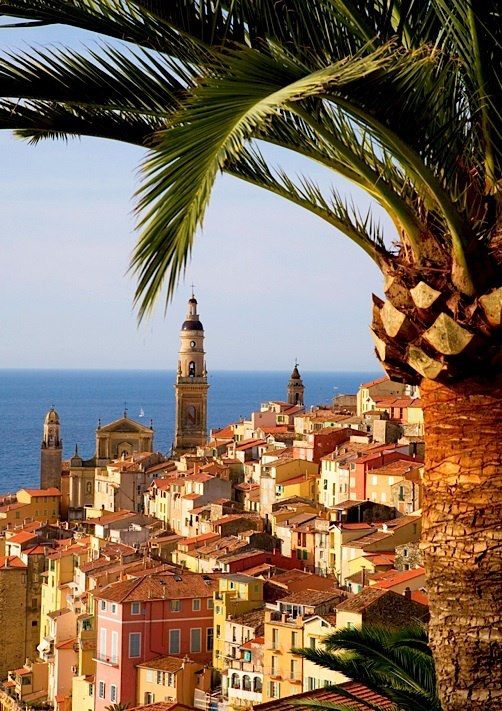 France
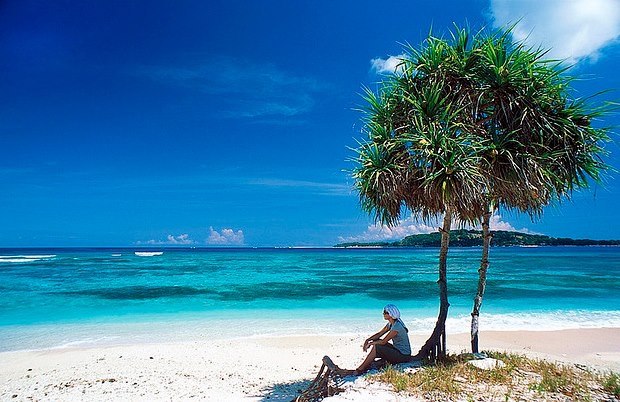 Gili Trawangan
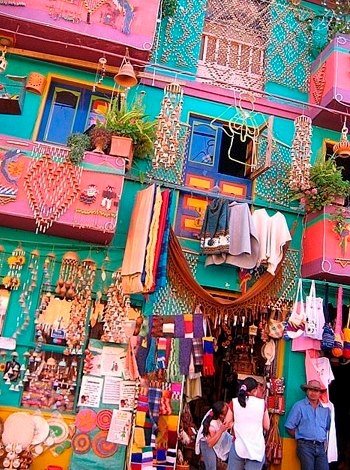 On the streets of Columbia
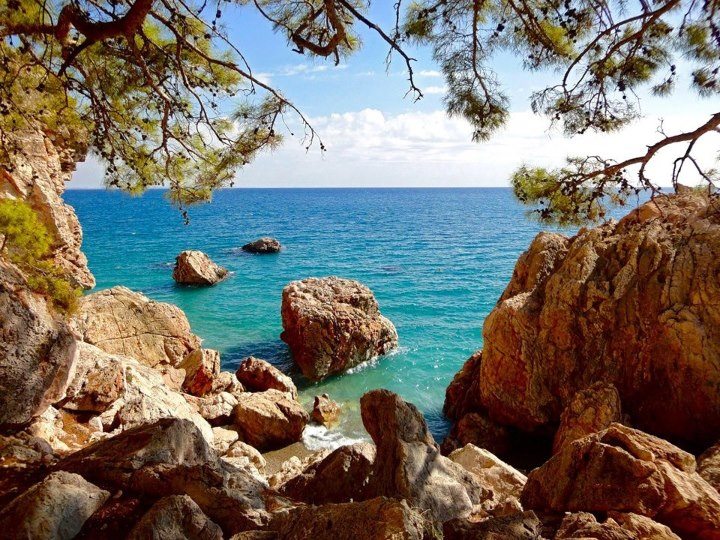 #### Coast of Kemera, Turkey
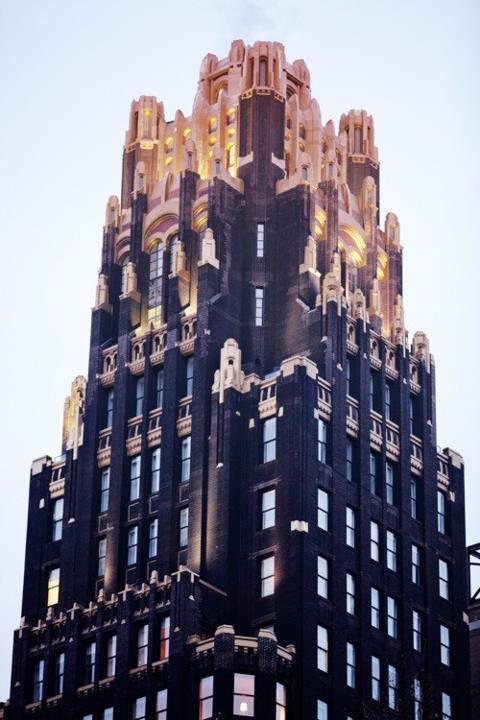 Bryant Park Hotel in New York, USA
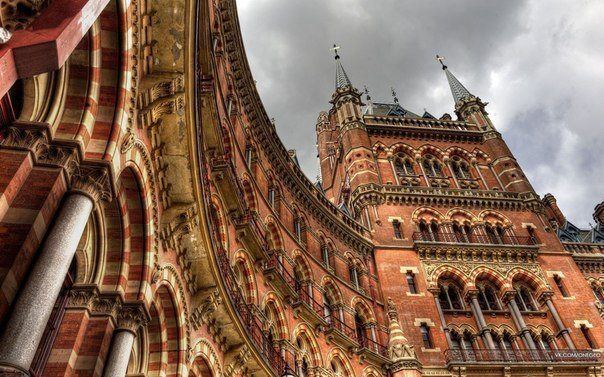 London Station Building, United Kingdom
 Charming Poppy Field
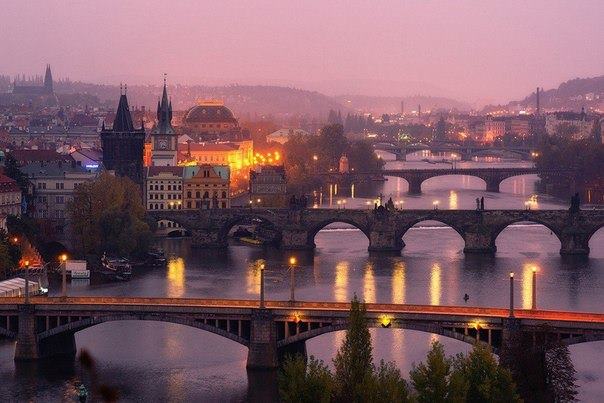 Prague is one of the most romantic cities in Europe!
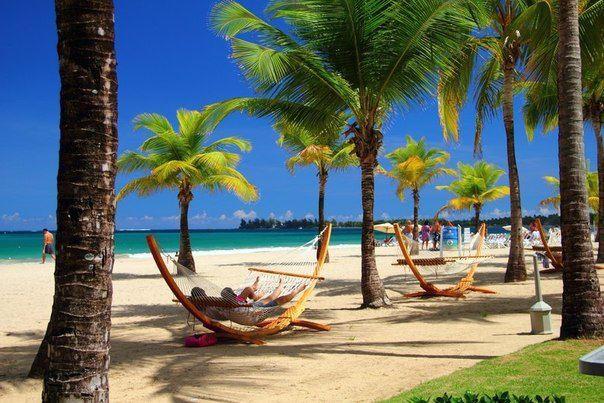 Carolina, Puerto Rico
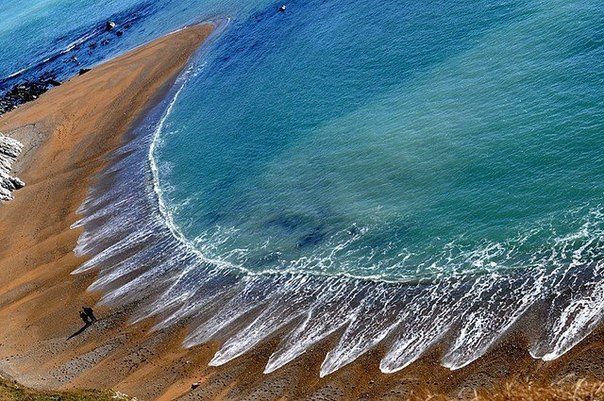 assistant
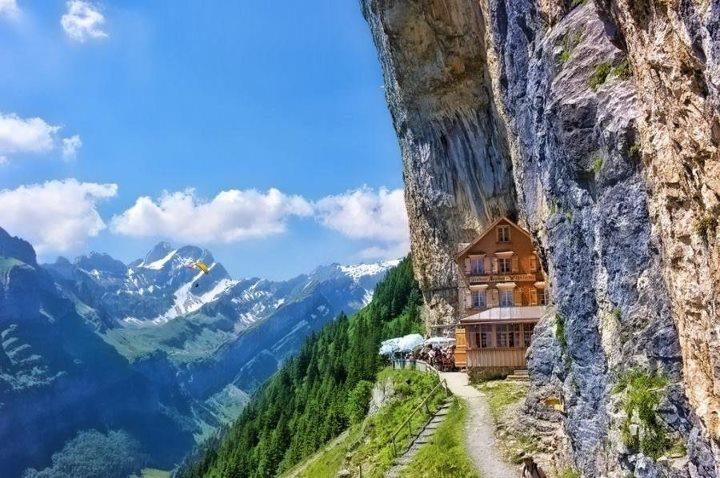 #### Cottage in the Alps, Switzerland