Tough knee ligaments: a trap for the spine.4 photos
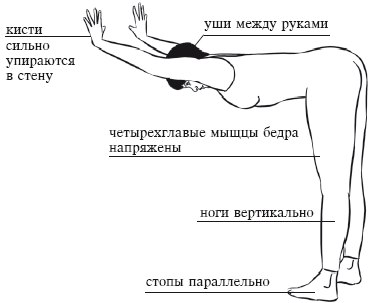
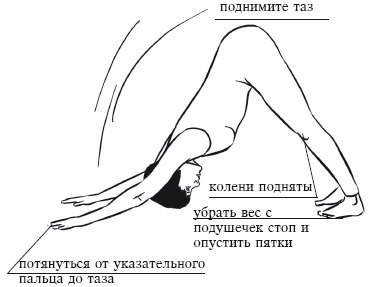
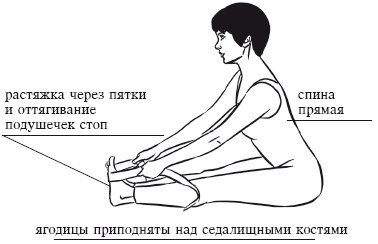
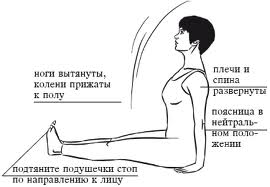
With the correct forward bends, the flexion occurs in the hip joints, rather than in other parts of the body such as the lower back or knees. At every stage of this movement, the shape and length of the spine are maintained. Such bends have many advantages: they do not put any strain on the intervertebral discs, nor do they stretch the spinal ligaments; moreover, they protect the knees. In addition, healthy hip-flexion exercises are particularly beneficial because they gradually stretch the hamstring muscles with each bend. However, in the initial stages of practicing these bends, many people experience significant discomfort in their hamstrings and try to compensate by bending their spines. Ultimately, this can have negative effects on the condition of the spine. When performing forward bends while sitting, tight hamstrings will pull the hip bones toward the knees, causing the pelvis to shift into a backward-tilting position. In this case, the bend occurs primarily in the lower back rather than the hips, and the curvature of the lumbar spine takes on an opposite direction from normal. If you exert too much force trying to touch your feet, repeat the pose multiple times, or hold it for an extended period, it is possible to strain or injure the muscles, ligaments, and discs in the lower back.
Find the Best Professionals for Your Project
Expert repair, construction, and renovation specialists ready to help you right now
Recommended Galleries
Recommended articles


More Galleries
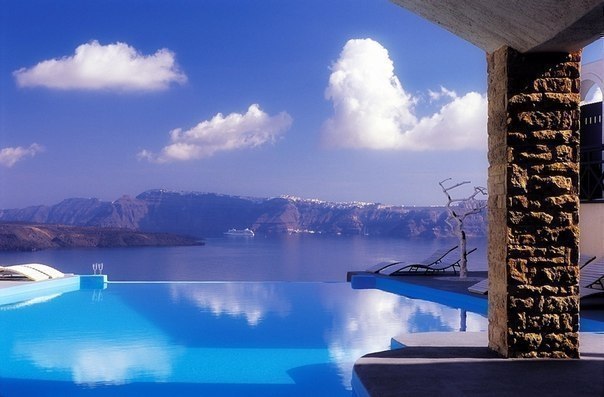 Santorini is one of the most heavenly places on earth, Greece.
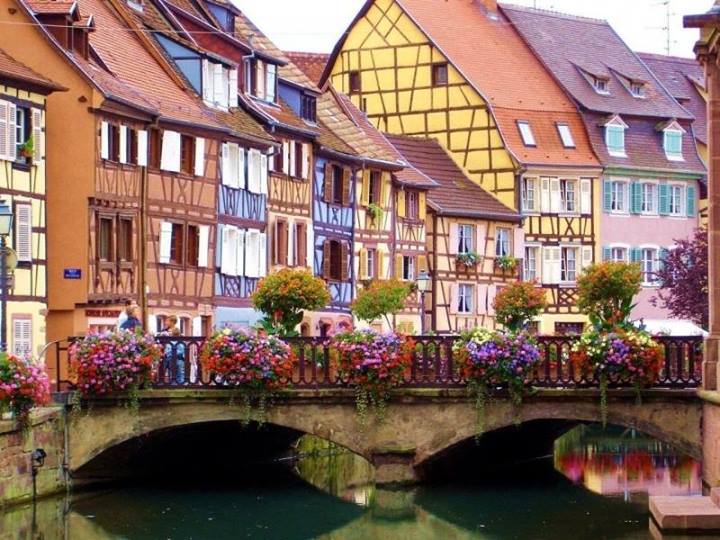 Rainbow houses in the cozy town of Colmar, France.
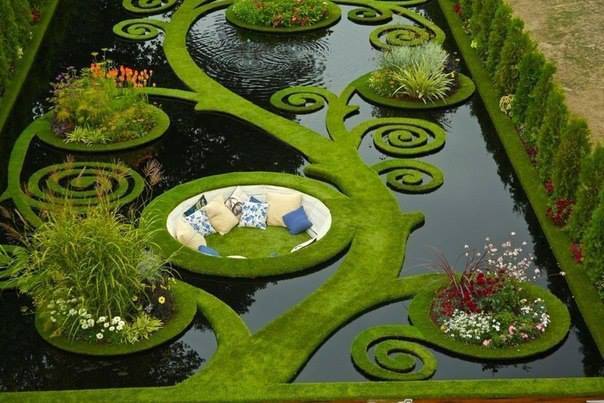 An unusual place to relax in New Zealand.
 National Park in California.
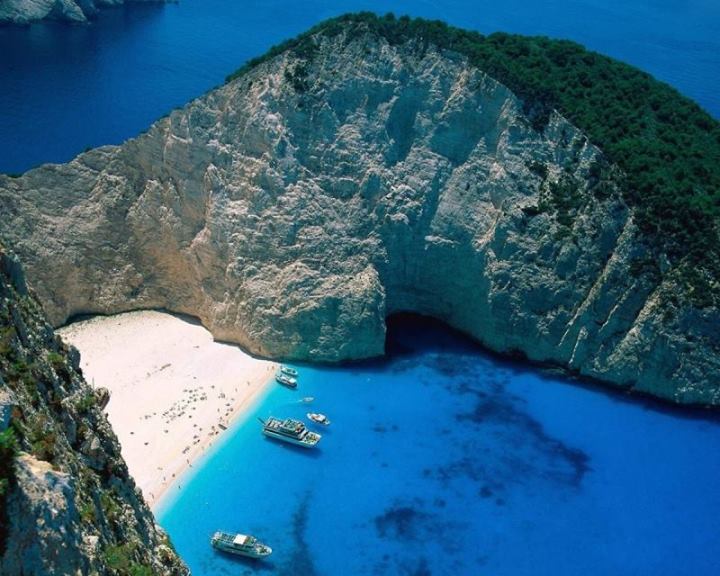 A shipwrecked bay or just a beach, Greece.
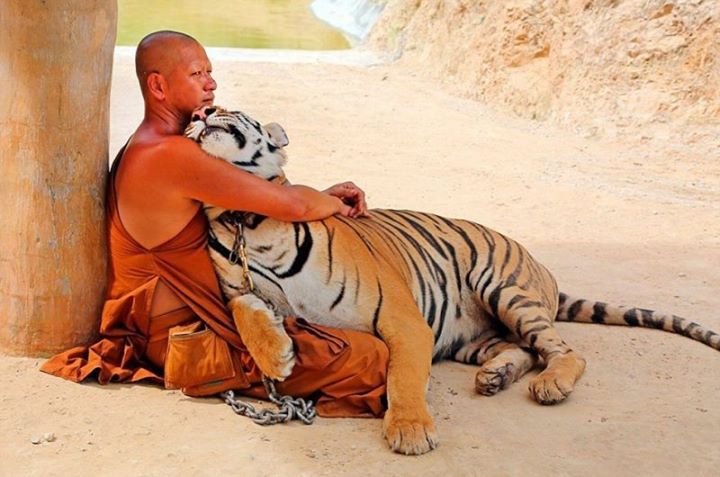 In this photo, a Buddhist monk presses the tiger to himself as the most common domestic cat;
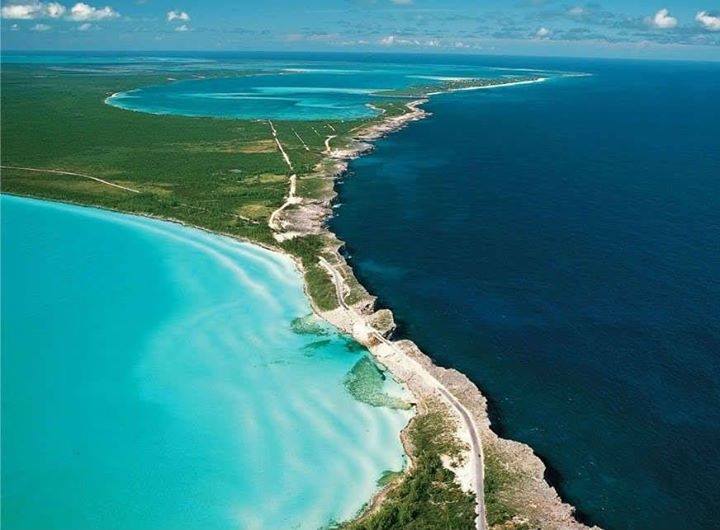 The place where the Caribbean Sea and the Atlantic Ocean meet.
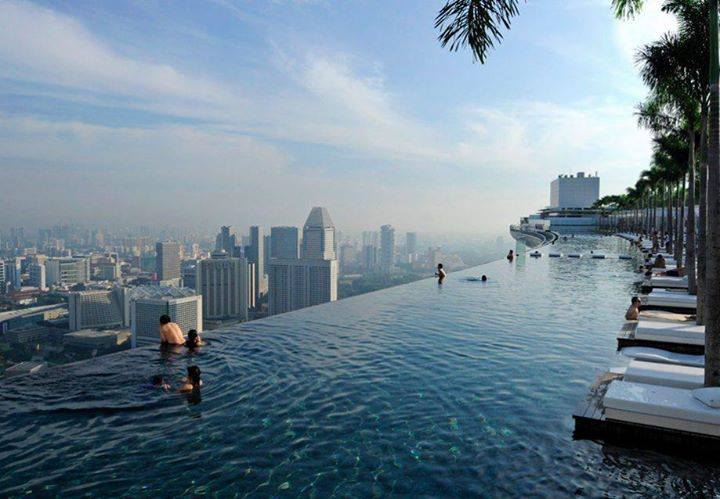 Relax on the roof of the hotel in Singapore.
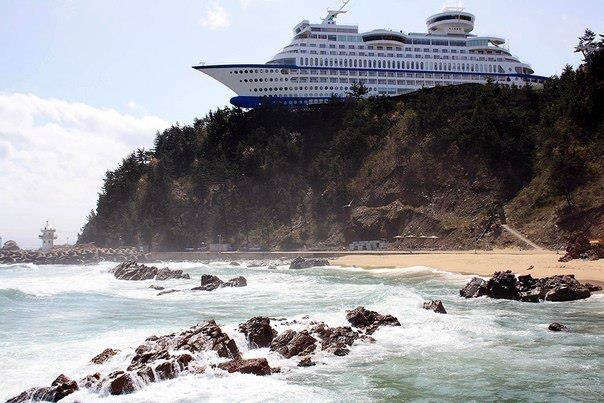 South Korean hotel-liner on the coast of the Sea of Japan.
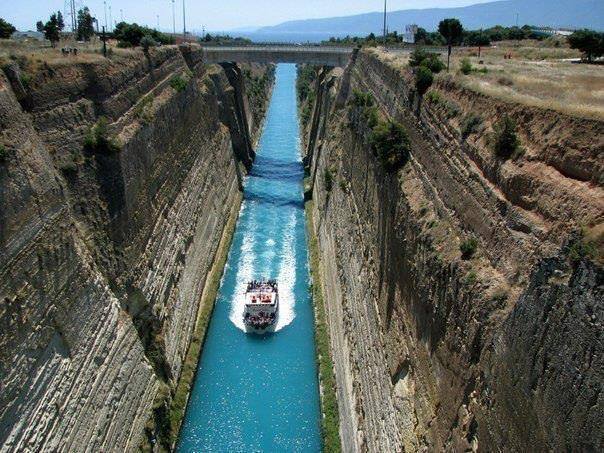 The Corinthian Canal is a man-made waterway connecting the two seas: the Aegean and the Ionian.
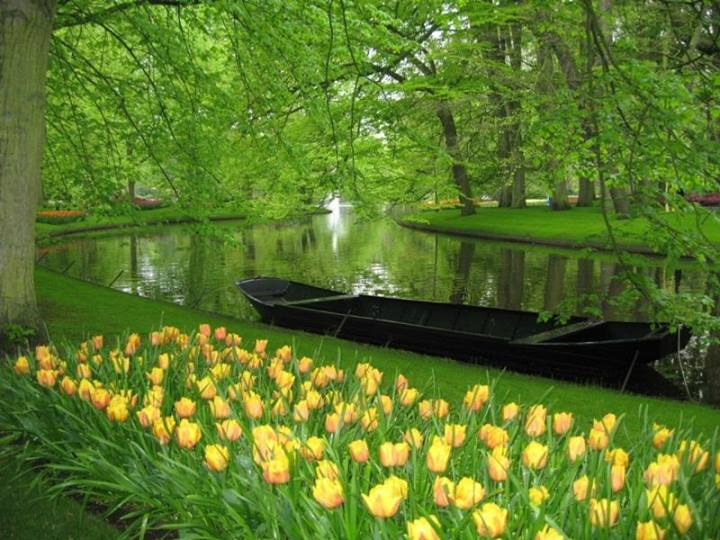 Keukenhof is the world-famous royal park of flowers in the Netherlands.
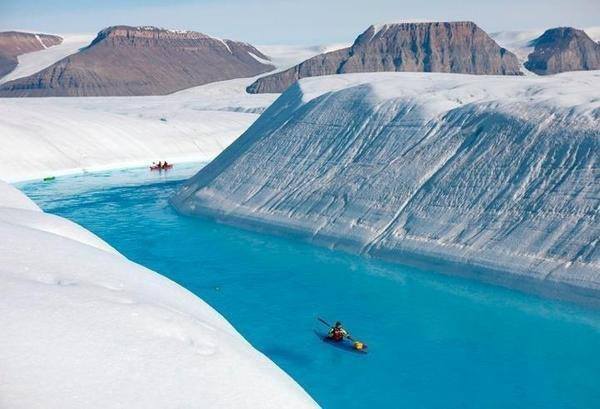 The blue river in the glacier, Greenland.