How X-Rays Were Discovered4 photos
He put your things in a black cardboard box and completely closed the windows of the laboratory. When he turned on the X-ray tube, Rentgen suddenly saw a flash of light in the other half of the room. It turned out that the light was coming from a piece of paper covered with barium platinocyanide, a substance that emits light when exposed to radiation. Rentgen was very surprised and turned off the tube—the light disappeared. But when he turned it on again, the light appeared once more. So he moved the paper to another room, and it still continued to glow. The scientist realized that some kind of radiation had been produced in the X-ray tube that could not only pass through cardboard but also through walls. Rentgen had no idea what this radiation was, so he called it X-rays.
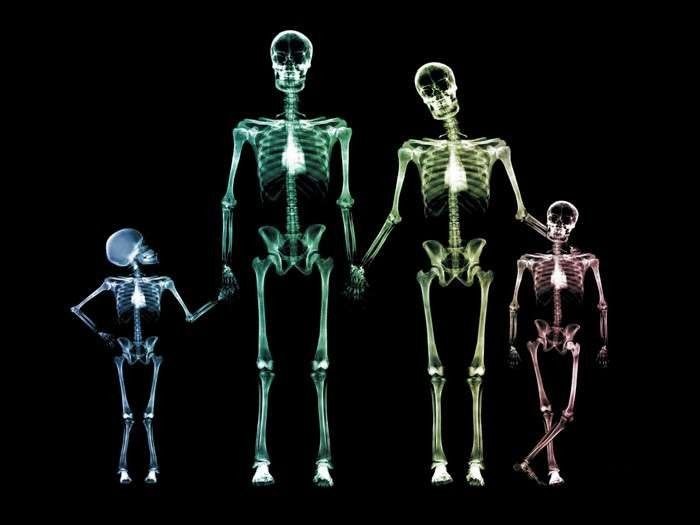
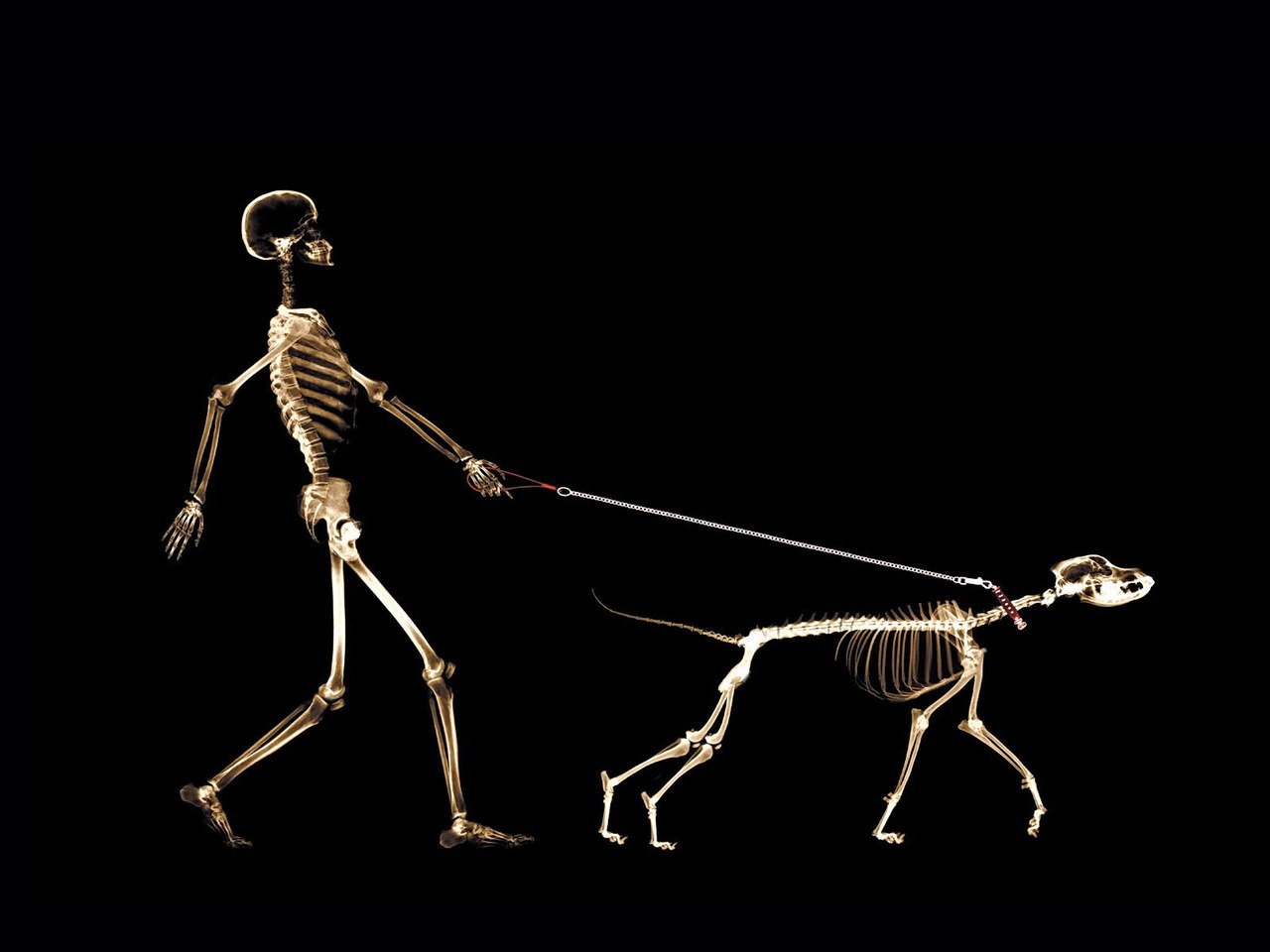
Rentgen studied X-rays for about a year and published three articles describing these new rays in detail. In the following 12 years, hundreds of studies by his followers added nothing significant to his findings. Rentgen, who lost interest in X-rays, told his colleagues, "I have already said everything I needed to say; don't waste your time." Other scientists later began calling them "X-rays." For their discovery, Rentgen was awarded the Nobel Prize in Physics in 1901. What surprised scientists the most was a photograph of a hand taken using X-rays.
In Russia, these rays were named "X-rays" at the suggestion of one of Rentgen's students, Abram Fyodorovich Ioffe.
Find the Best Professionals for Your Project
Expert repair, construction, and renovation specialists ready to help you right now
Recommended Galleries
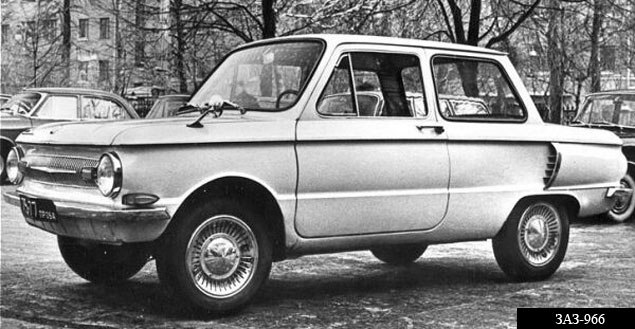
About the Zaporozhets... On November 22, 1960, the first batch of industrial-produced Zaporozhets cars—the ZAZ-965—rolled off the production line at the Komunar Plant in Zaporizhzhia, Ukraine (which was later renamed the Zaporizhzhia Automobile Plant). All variants of the...
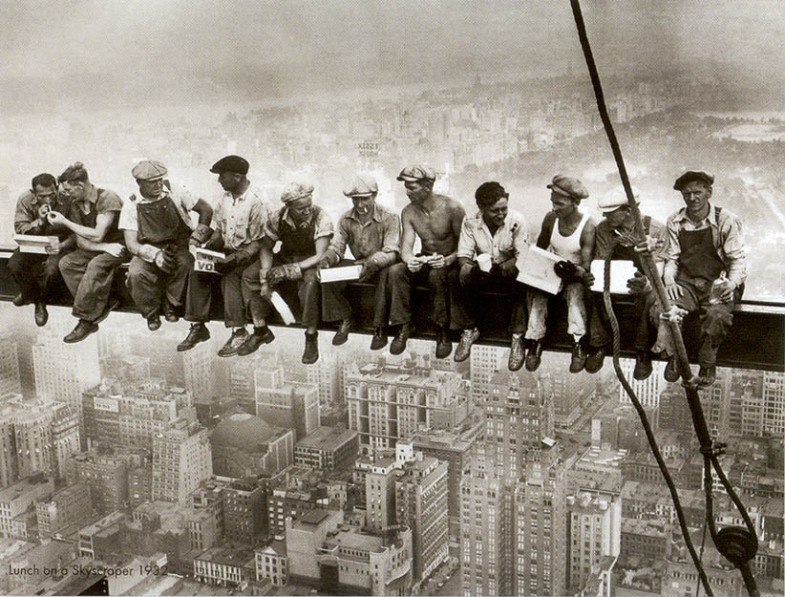
How skyscrapers of New York were built

Three Years Ago, Sergei Kozlov, the Creator of 'The Hedgehog in the Fog', Passed Away
The History of the Chupa Chups Brand
Recommended articles



More Galleries
- About the Zaporozhets... On November 22, 1960, the first batch of industrial-produced Zaporozhets cars—the ZAZ-965—rolled off the production line at the Komunar Plant in Zaporizhzhia, Ukraine (which was later renamed the Zaporizhzhia Automobile Plant). All variants of the...
- How skyscrapers of New York were built
- Three Years Ago, Sergei Kozlov, the Creator of 'The Hedgehog in the Fog', Passed Away
- The History of the Chupa Chups Brand
 Extreme Route: The Death Trail in China
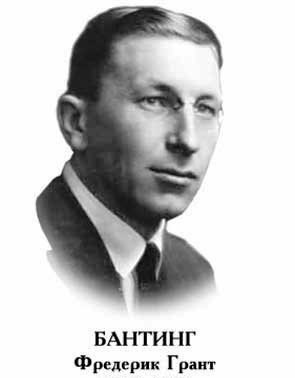 On January 11, 1922, insulin injections were first used in the world to treat people with diabetes at a city hospital in Toronto. Insulin is a hormone produced by the pancreas. The patient was a 14-year-old boy suffering from type 1 diabetes.
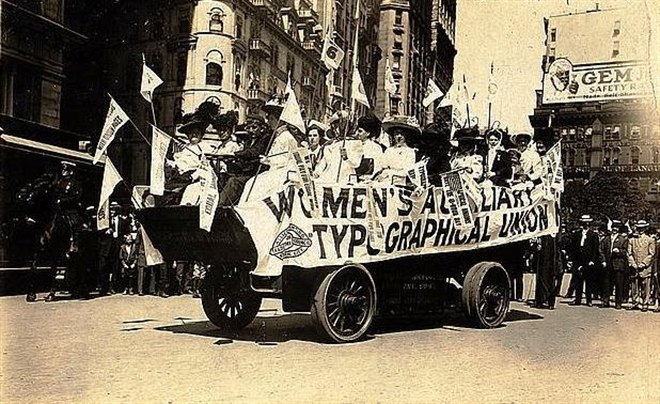 104 Years Ago: The World’s First Women’s Automobile Race Kicked Off in New York
 Summer is not when it's warm, summer is when there is money
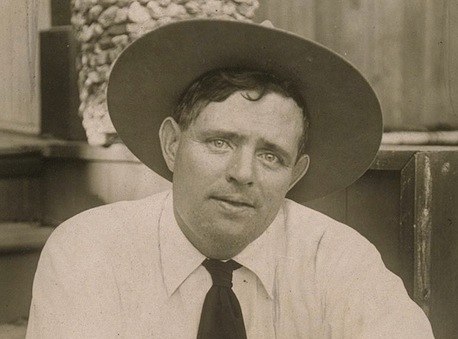 137 years ago, the famous writer Jack London was born. Jack London (born John Cheney) was born on January 12, 1876, in San Francisco. When he was 8 months old, his mother remarried, and John became John Griffith London. The London family was...
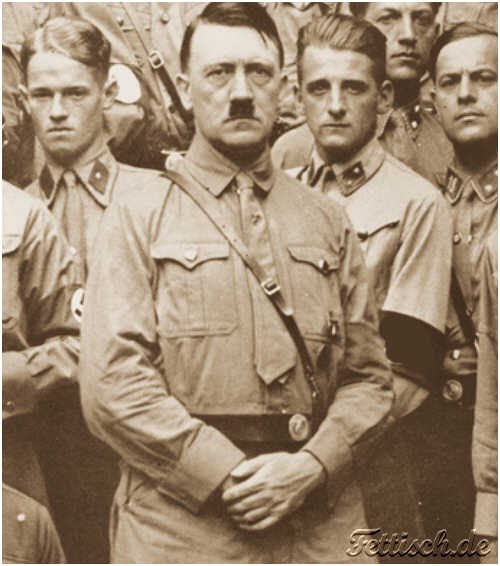 Metro Group Founder: Otto Beisheim
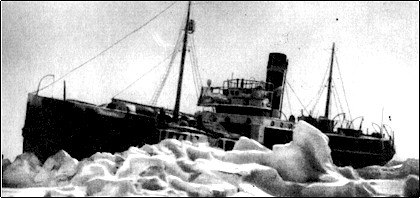 The history of the icebreaker Georgy Sedov (drift in Artik)
 The Most Interesting Facts about Chocolate :) The earliest recorded use of chocolate can be traced back to tribes in southern Mexico (100 BCE), who made a chocolate drink from cacao beans. People have been using cacao beans to produce chocolate for thousands of years.</p>\n "home_text": "<p>Cacao trees grow on what are called cacao plants. Most scientists believe that cacao trees were domesticated around 4,000 years ago in South America. In 1528, the famous Spanish explorer Hernando Cortes brou