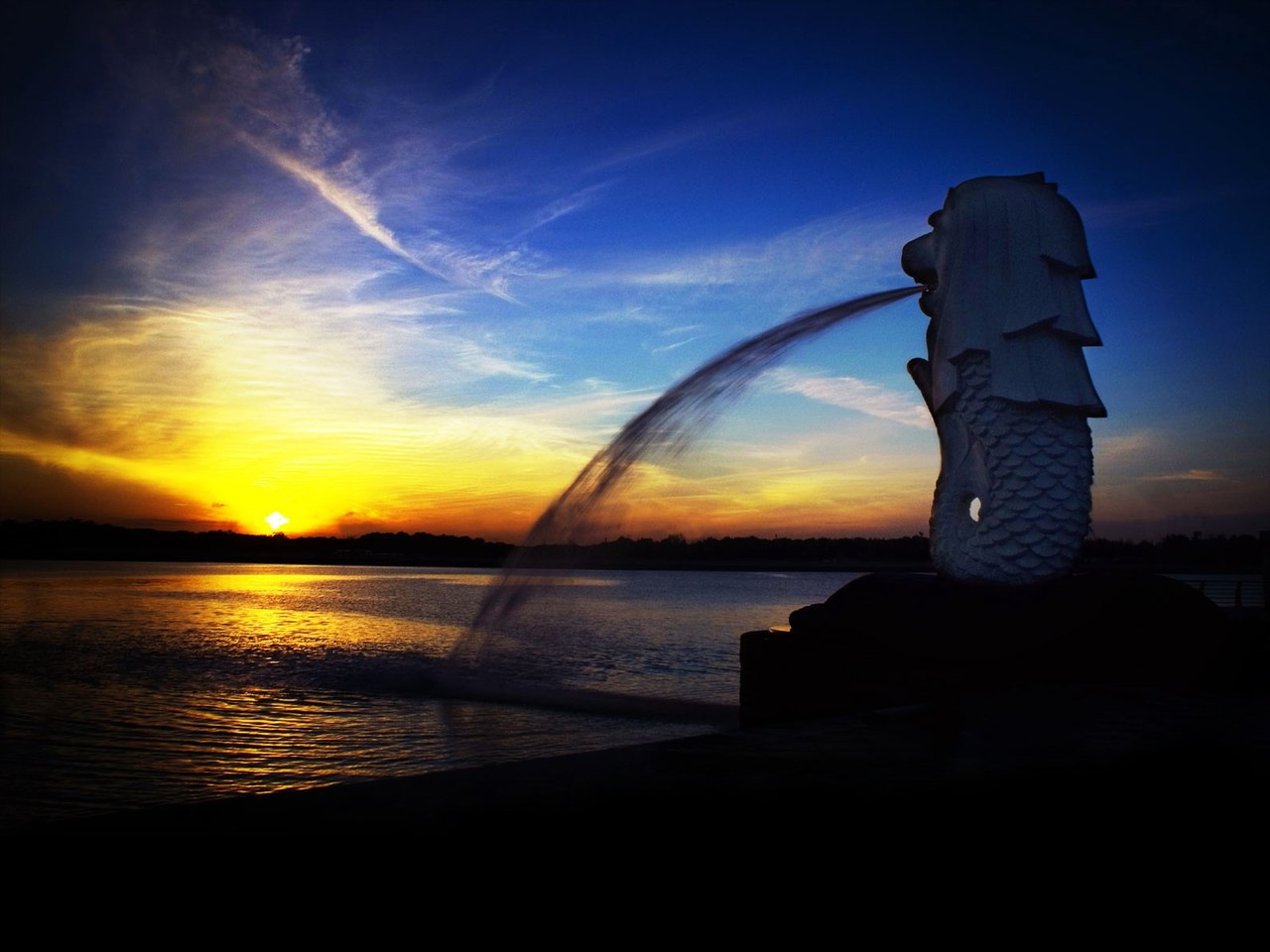
What is the Merlion? It is well known that many cities have their unofficial but quite poetic nicknames. For example, Chicago is known as "The City of Winds," Paris is called "The City of Lights," and Rome has gone down in history as "The Eternal City." Undoubtedly,...2 photos
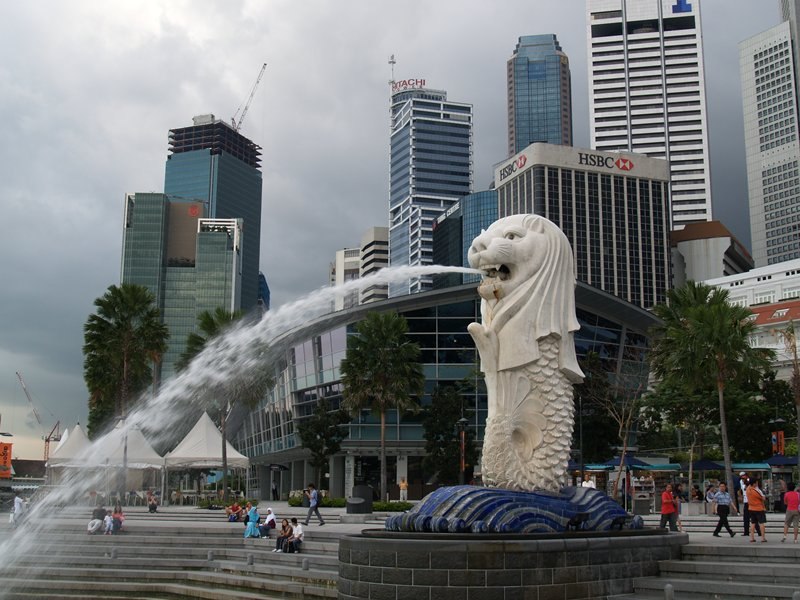
What is the Merlion? It is well known that many cities have their unofficial but quite poetic nicknames. For example, Chicago is known as “The City of Winds,” Paris is called “The City of Lights,” and Rome has gone down in history as “The Eternal City.” Undoubtedly, “The Big Apple” refers to New York. While the origins of these unofficial names for cities around the world can often be explained by historical, climatic, or other factors, the etymology of the nickname for the tiny city of Singapore, “The Lion City,” is quite interesting and mysterious—after all, lions have never inhabited Singapore! Unless we consider those that currently live in the local zoo, which certainly cannot be considered the ancestors of this popular zoomorphic symbol. However, an ancient Malay chronicle states that in the 14th century, the Malay king Sri Tri Buana, while visiting a small sand island called Tumasik (or Temasek), encountered an extraordinary and never-before-seen creature there. This animal moved with incredible speed, was powerful, larger than a goat, and had a red body with a black head.
None of the king’s entourage recognized this beast, but only one old advisor remembered having heard in the past about a creature whose description matched what they had just seen—its name was “lion.” Deeply impressed, King Sri Tri Buana decided that an island capable of giving birth to and raising such a creature deserved to have a city built on it. He immediately renamed the island Temasek to “Singapura,” which means “Lion City” in Malay, and established a colony there, where he ruled for 48 years until his death.
Another older legend says that a Malay prince saw an unusual creature—a lion with a fish tail—appear suddenly from the water. So astonished was the prince that he decided to establish a settlement at that very place. Interestingly, neither of these legends has any scientific or historical evidence to support them. Nevertheless, marketers have successfully used this zoomorphic symbol, and today the Merlion has become not only a part of Singapore’s mysterious past but also a symbol of its successful present and promising future.
In fact, the Merlion—or “heraldic sea lion”—is a mythical creature that combines the features of a lion and a fish. It appears in artistic traditions of both Asian cultures (such as the temples in Ajanta and Mathura in India) and Western heraldry (for example, on the coats of arms of the English city of Yarmouth, the Philippine city of Manila, and the East India Company). Today, the Merlion is undoubtedly Singapore’s national symbol and its calling card. Souvenirs, stamps, logos, and promotional materials featuring the Merlion are extremely popular. In Singapore, you can find two remarkable Merlion statues: the first is the 8.6-meter-tall and 70-ton Singapore Merlion, made of concrete on a steel frame, with a fountain spraying water into the Singapore Strait—truly one of the most original attractions in the city. The second Merlion, 37 meters tall, is a tourist attraction called the “Merlion Tower” on the resort island of Sentosa.
From the observation decks of this tower, you can enjoy breathtaking views of Singapore’s central area, Sentosa Island, and the surrounding coastal islands.
Find the Best Professionals for Your Project
Expert repair, construction, and renovation specialists ready to help you right now
Recommended Galleries
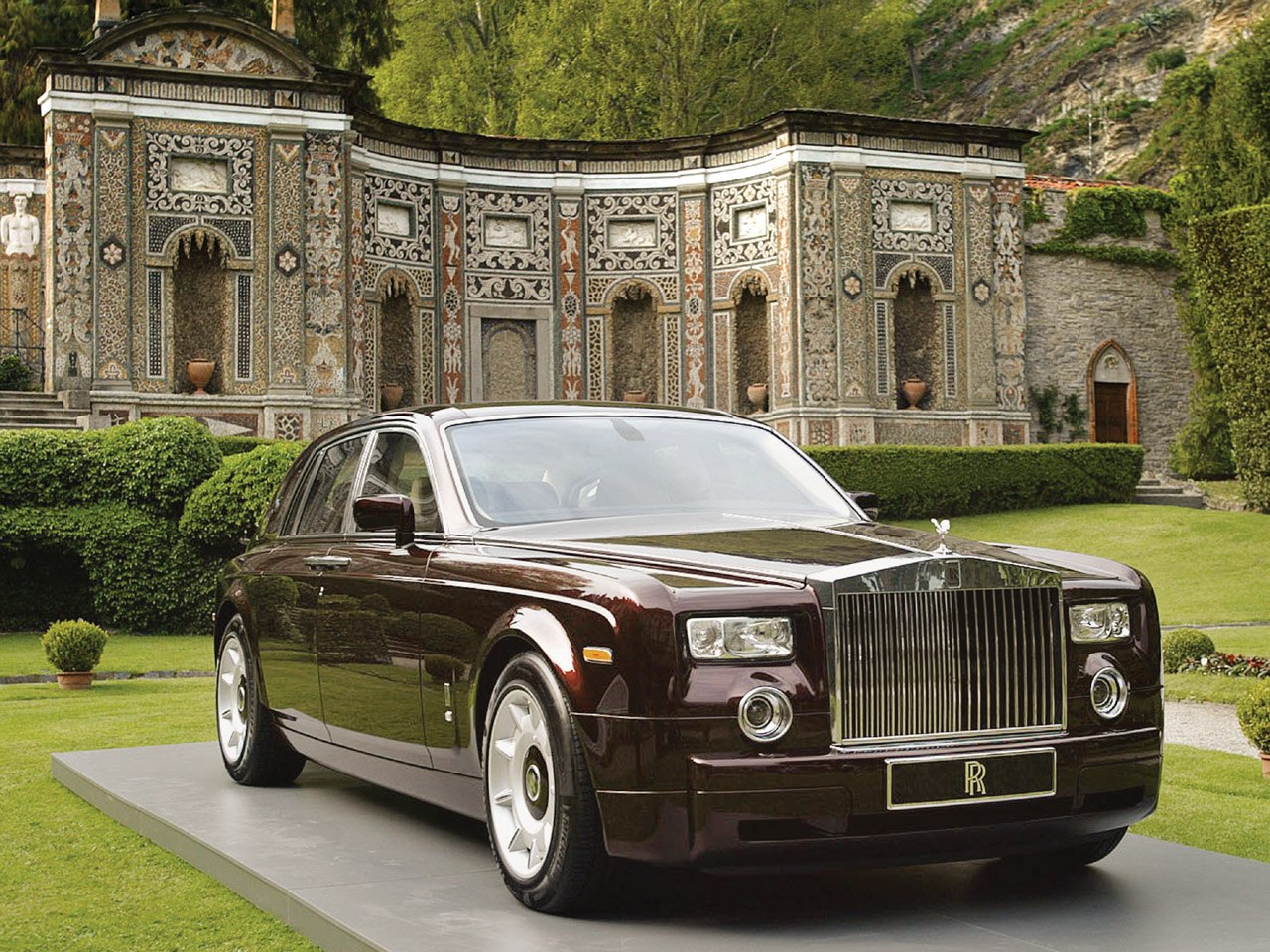
102 years ago, Rolls-Royce created its emblem for its automobiles. On February 4, 1911, the company introduced the famous symbol: a winged woman poised to leap forward. The sculpture was created by Charles Sykes, who named it 'The Spirit of Ecstasy.' The sculptor's favorite model was Eleanor Thornton, who served as the prototype for the statue. Unfortunately, Eleanor met a tragic death near Port Said—she was aboard a ship with Lord Montague, a pioneer of British automotive development. She was h
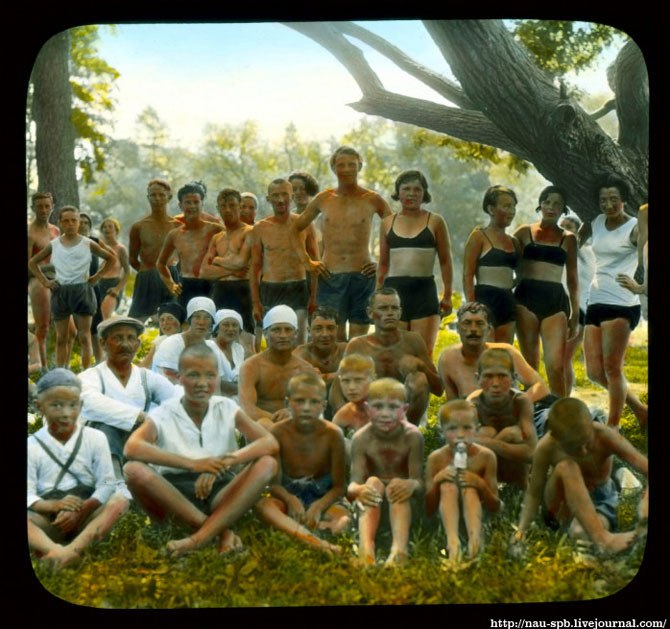
St. Petersburg in 1931 in Color: Photos from the archive of traveler Branson DeCou, taken by him in St. Petersburg in 1931 and later colored with aniline dyes
Soviet Reality: A Large Collection of Photos That Circulated Throughout Europe but Were Banned in the Soviet Era. This was one of the first compilations of photos that captured the Russian reality
Stable Expressions in Images :)
Recommended articles
More Galleries
- 102 years ago, Rolls-Royce created its emblem for its automobiles. On February 4, 1911, the company introduced the famous symbol: a winged woman poised to leap forward. The sculpture was created by Charles Sykes, who named it 'The Spirit of Ecstasy.' The sculptor's favorite model was Eleanor Thornton, who served as the prototype for the statue. Unfortunately, Eleanor met a tragic death near Port Said—she was aboard a ship with Lord Montague, a pioneer of British automotive development. She was h
- St. Petersburg in 1931 in Color: Photos from the archive of traveler Branson DeCou, taken by him in St. Petersburg in 1931 and later colored with aniline dyes
- Soviet Reality: A Large Collection of Photos That Circulated Throughout Europe but Were Banned in the Soviet Era. This was one of the first compilations of photos that captured the Russian reality
- Stable Expressions in Images :)
 Interesting Facts about Golf
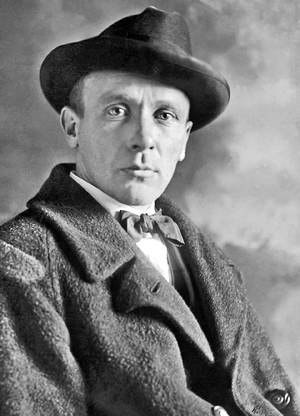 Mikhail Bulgakov and Tatyana Lappa: Fire, Water, and Coppers Pipes
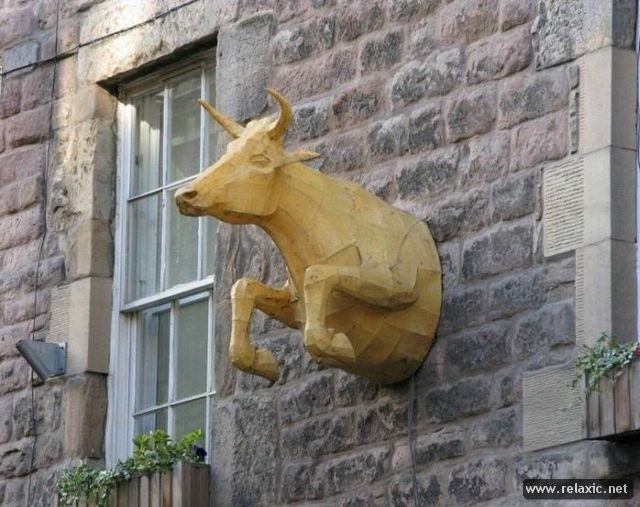 The Strangest Monuments in the World: We Don’t Know Where They Are Located, but That Doesn’t Matter, Probably Because the Meaning and Value of These Artworks Are Known Only to Their Creators. So, simply admire the flight of imagination of some sculptors,</p>\n "home_text": "<p>try to guess what they really wanted to convey to us all – the viewers.</p>
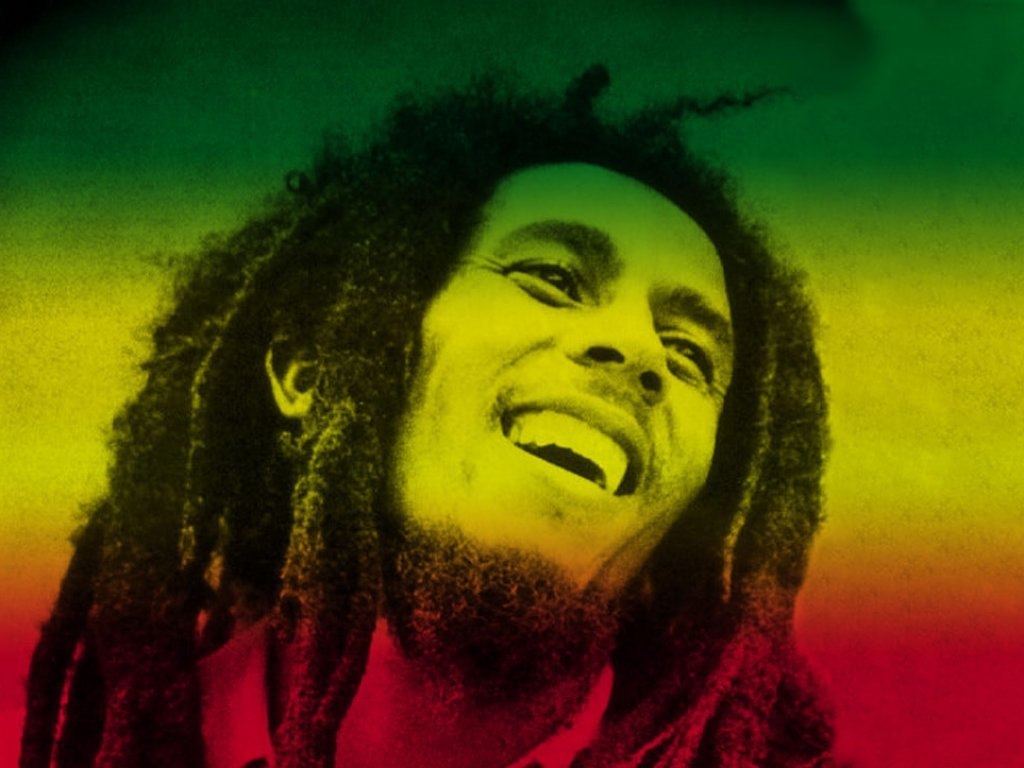 Bob Marley Day in Jamaica: Celebrating the Life of a Reggae Legend
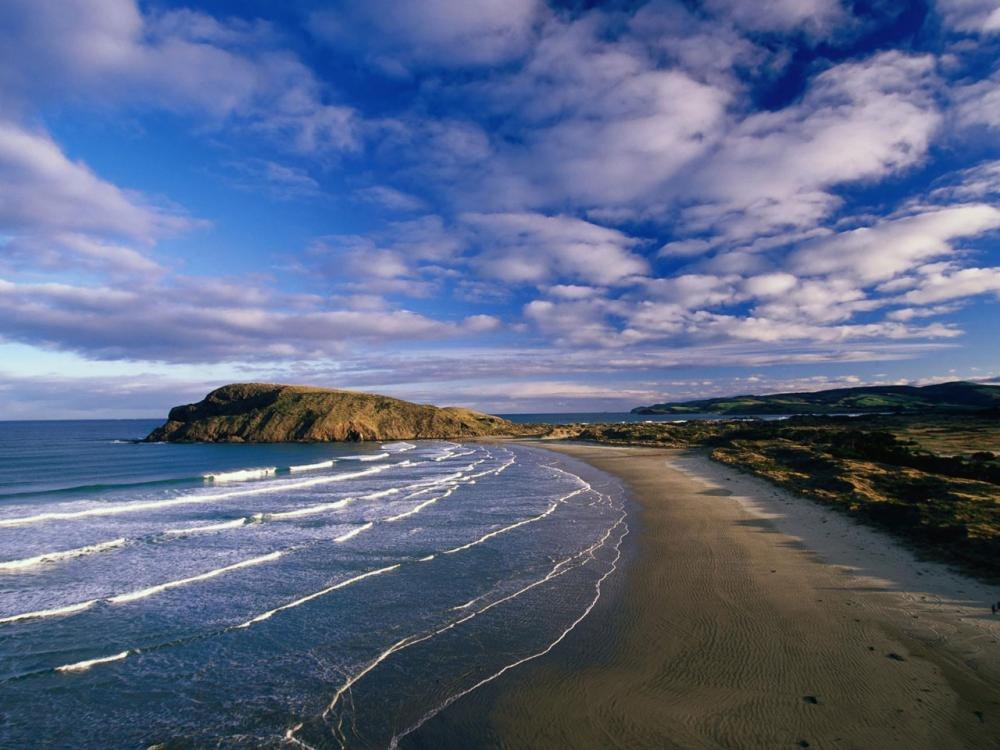 February 6th is considered New Zealand's National Day. On this day in 1840, the Treaty of Waitangi was signed on the banks of the Waikanghi River (meaning "noisy waters" in Maori) between the British and the Maori. This treaty forever sowed seeds of discord,</td>\n "home_text": "<p>The history between the Maori and European settlers is complex. By the end of the 19th century, New Zealand was plagued by unfair trade practices and illegal land transactions. Fierce competition also came from Frenc
 High-quality watches with DOUBLE warranty starting from 3590 rubles. http://vk.com/4asy_pobediteleyAktion? Until February 14 – free shipping! Hurry up and place your order while the benefits last!
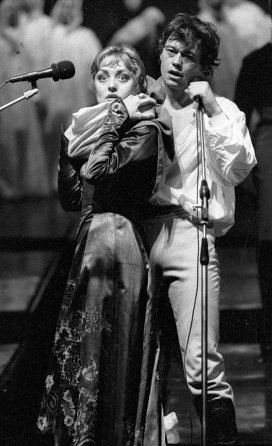 The Story Behind the Musical 'Junona and Avos': Real Events
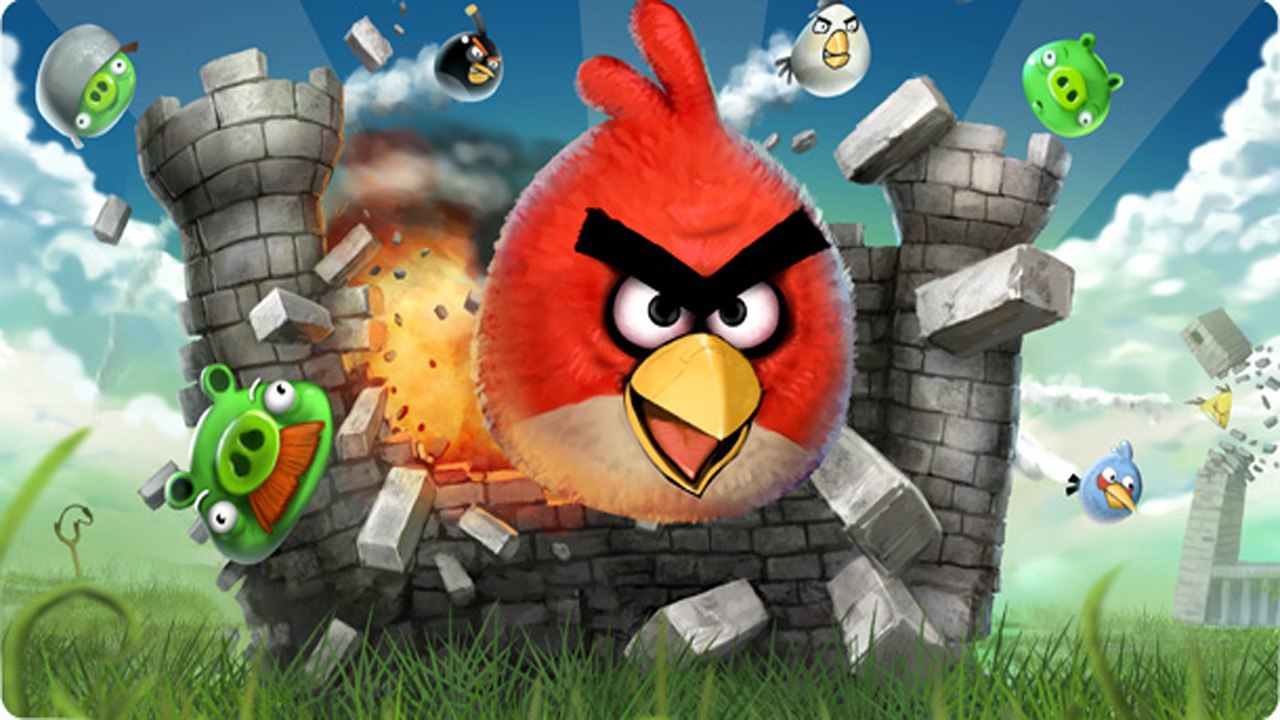 The History of the Angry Birds Brand