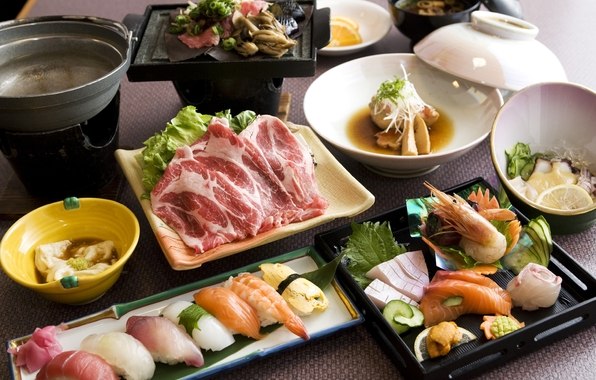
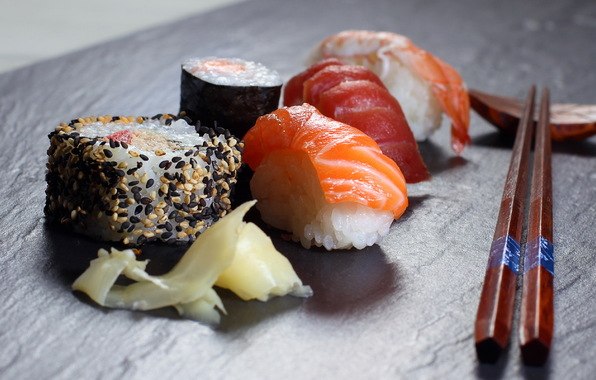
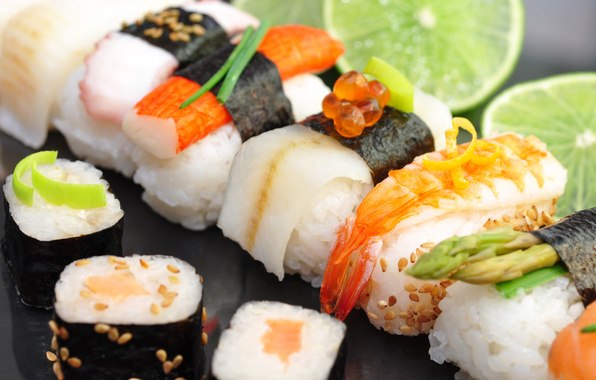
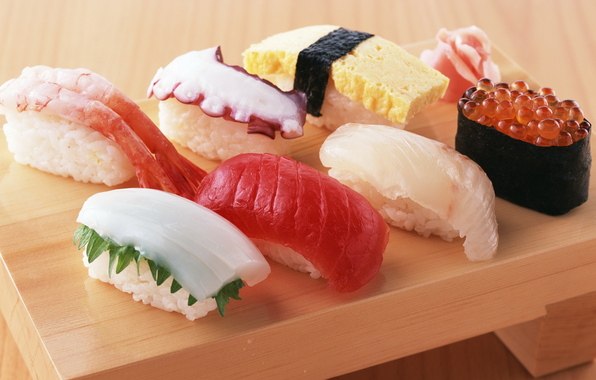
The origin of sushi can be traced back to South Asia. It was there that cooked rice began to be used for preparing and preserving fish. The cleaned and cut into small pieces fish was seasoned with salt and mixed with rice, then placed under pressure,</p>\n "home_text": "<p>Over several months, a lactic-acid fermentation process took place between the rice and fish, allowing the fish to remain edible for up to a year. This process would later give rise to a new culinary era known as 'sushi'. It 4 photos
Over several months, a lactic-acid fermentation process took place between the rice and fish, allowing the fish to remain edible for up to a year. This process would later give rise to a new culinary era known as 'sushi'. It wasn't until the 16th century that rice began to be consumed as food, and in the 17th century, rice sushi emerged. It consisted of cooked rice, rice vinegar, seafood, and vegetables. Soon after, to prevent fermentation, rice vinegar was produced, which also shortened the preparation time for sushi. In the 19th century, a chef named Yehai Hannai from Tokyo decided to abandon fish marinating altogether and serve the fish raw, reducing preparation time to just a few minutes. These new methods quickly gained popularity among the island residents.
Soon, snack bars and restaurants began serving sushi, and stores started selling special rice for preparing this dish. Since its inception, the basic process of making sushi has remained largely unchanged, with only new recipes and ingredients being added over time.
Find the Best Professionals for Your Project
Expert repair, construction, and renovation specialists ready to help you right now
Recommended Galleries

Interesting Facts about Golf
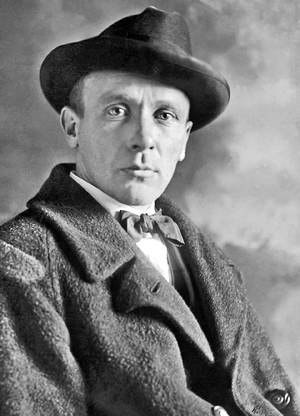
Mikhail Bulgakov and Tatyana Lappa: Fire, Water, and Coppers Pipes

The Strangest Monuments in the World: We Don’t Know Where They Are Located, but That Doesn’t Matter, Probably Because the Meaning and Value of These Artworks Are Known Only to Their Creators. So, simply admire the flight of imagination of some sculptors,</p>\n "home_text": "<p>try to guess what they really wanted to convey to us all – the viewers.</p>
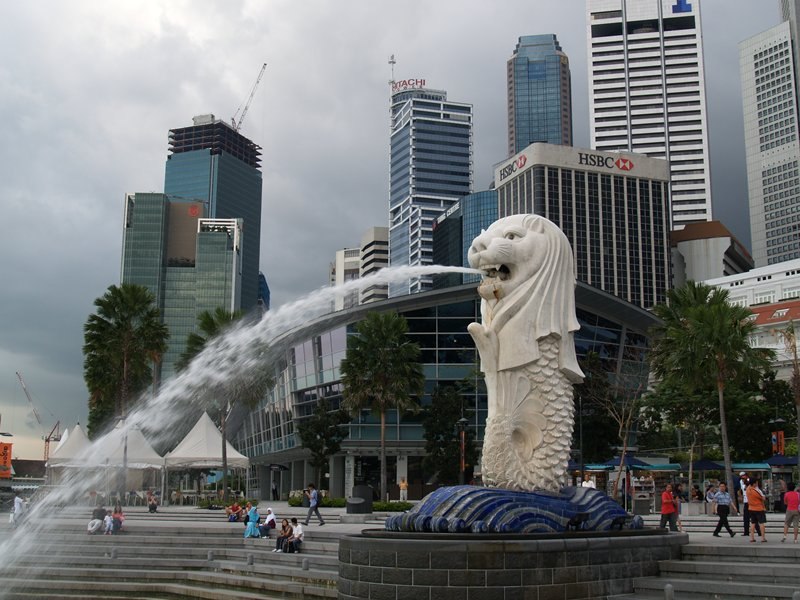
What is the Merlion? It is well known that many cities have their unofficial but quite poetic nicknames. For example, Chicago is known as "The City of Winds," Paris is called "The City of Lights," and Rome has gone down in history as "The Eternal City." Undoubtedly,...
Recommended articles



More Galleries
- Interesting Facts about Golf
- Mikhail Bulgakov and Tatyana Lappa: Fire, Water, and Coppers Pipes
- The Strangest Monuments in the World: We Don’t Know Where They Are Located, but That Doesn’t Matter, Probably Because the Meaning and Value of These Artworks Are Known Only to Their Creators. So, simply admire the flight of imagination of some sculptors,</p>\n "home_text": "<p>try to guess what they really wanted to convey to us all – the viewers.</p>
- What is the Merlion? It is well known that many cities have their unofficial but quite poetic nicknames. For example, Chicago is known as "The City of Winds," Paris is called "The City of Lights," and Rome has gone down in history as "The Eternal City." Undoubtedly,...
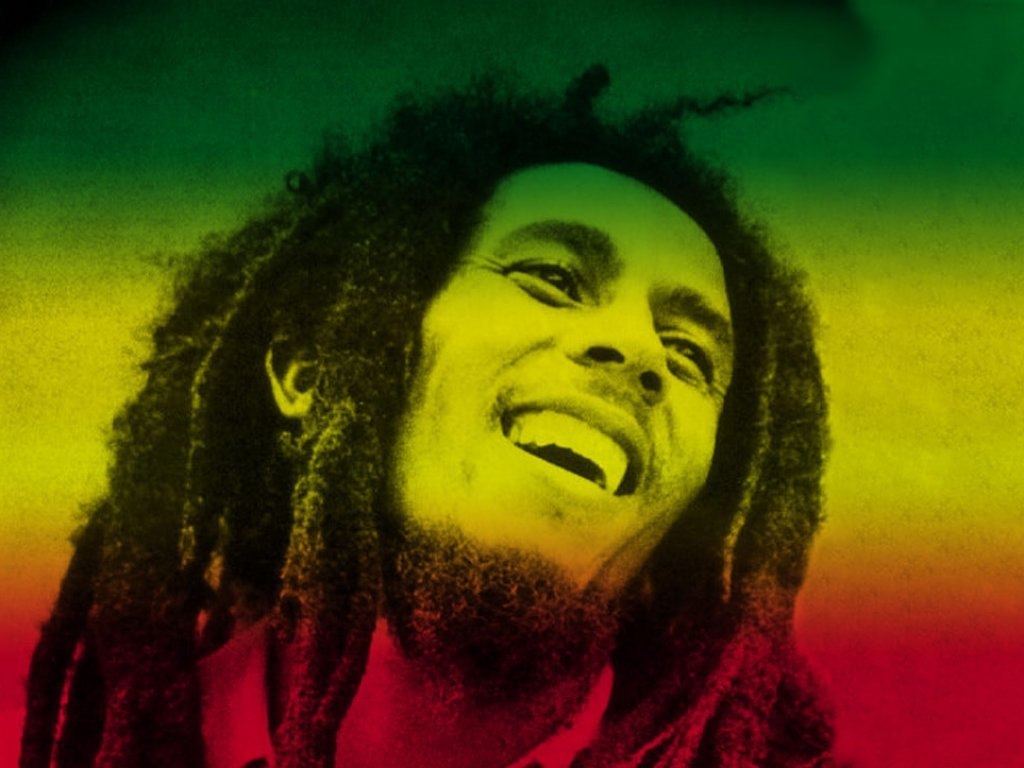 Bob Marley Day in Jamaica: Celebrating the Life of a Reggae Legend
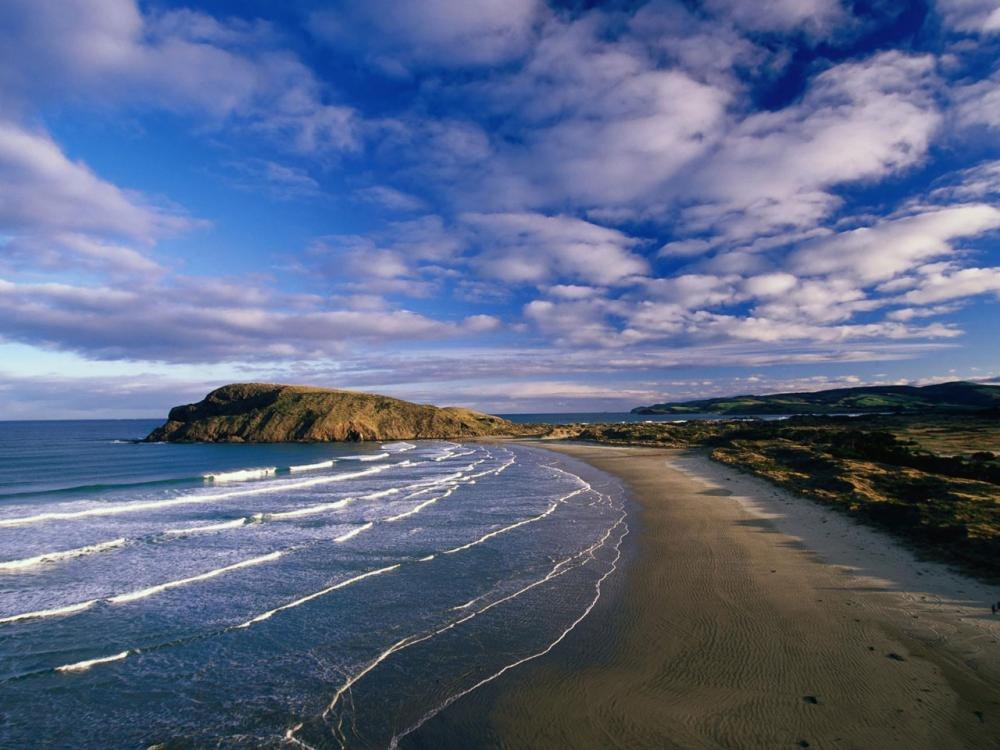 February 6th is considered New Zealand's National Day. On this day in 1840, the Treaty of Waitangi was signed on the banks of the Waikanghi River (meaning "noisy waters" in Maori) between the British and the Maori. This treaty forever sowed seeds of discord,</td>\n "home_text": "<p>The history between the Maori and European settlers is complex. By the end of the 19th century, New Zealand was plagued by unfair trade practices and illegal land transactions. Fierce competition also came from Frenc
 High-quality watches with DOUBLE warranty starting from 3590 rubles. http://vk.com/4asy_pobediteleyAktion? Until February 14 – free shipping! Hurry up and place your order while the benefits last!
 The Story Behind the Musical 'Junona and Avos': Real Events
 The History of the Angry Birds Brand
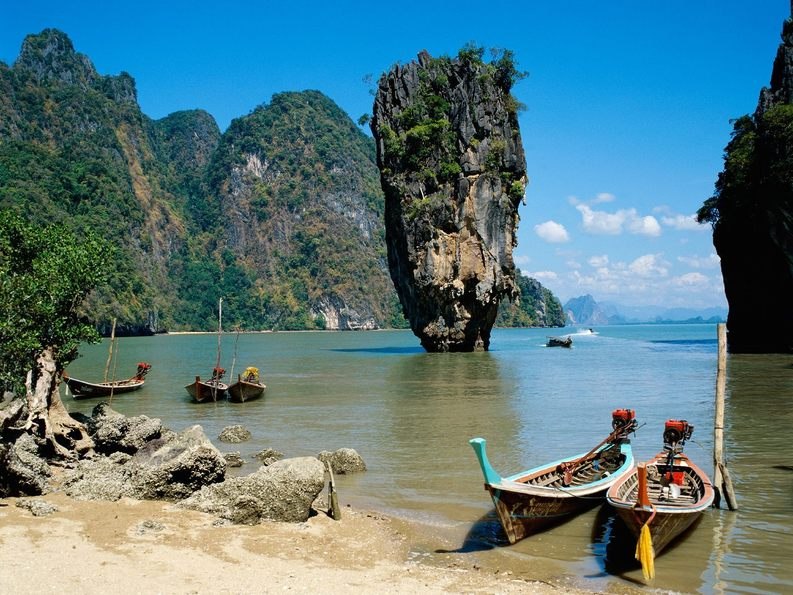 Interesting Facts about Asia: Asia is the largest continent on land, covering an area larger than that of the moon. Human civilization originated around the confluence of the Tigris and Euphrates rivers in Asia, where the earliest human remains have been found. India has a larger population than all of Central, North America, and South America combined! Over 60% of the world's population lives in Asia. China is home to 1.3 billion people, and India has 1.1 billion. More than half of Asia's popul
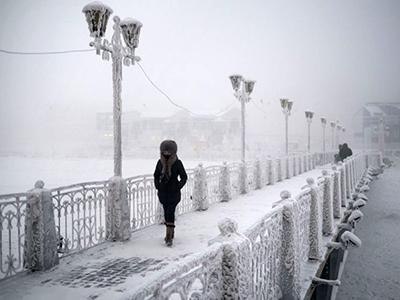 Oymyakon Village – the coldest inhabited place in the world
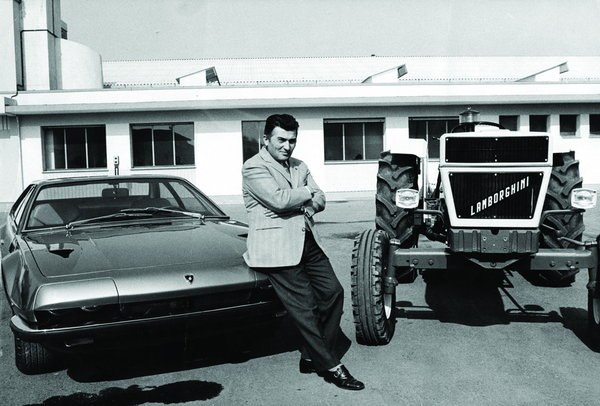 The Italian automobile manufacturer and founder of Lamborghini, Ferruccio Lamborgini, was born in the small Italian village of Renazzo di Cento, in the province of Ferrara. After the war ended, Ferruccio returned to his hometown where he began working on