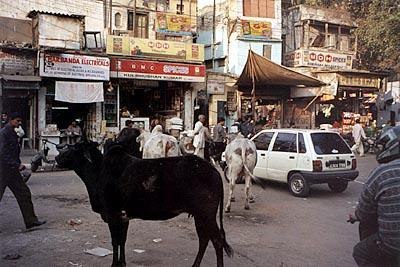
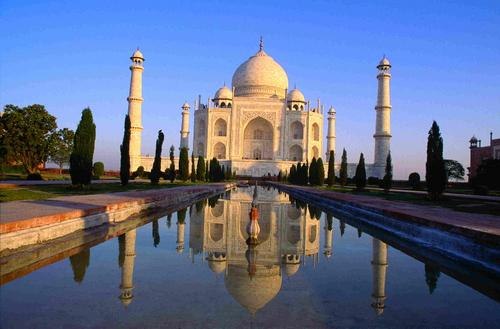
82 Years Ago, New Delhi Became the Capital of India2 photos
In 1857, the British administration considered moving the capital of British India from Calcutta to Delhi. Unlike Calcutta, which was located on the eastern coast of India, Delhi was in northern India, and the British government believed it would be easier to govern the country from there. In late 1911, King George V laid the foundation stone for the new capital of British India—New Delhi. Construction began in 1912 but was interrupted by World War I. The main buildings were completed by 1928, and the official inauguration ceremony took place on February 10, 1931. New Delhi, India's modern official capital, is an area within the city of Delhi.
Covering just 42.7 square kilometers, New Delhi is located within the Delhi metropolitan area and is the seat of both the Indian government and the Delhi government. Designed by Edwin Lutyen, a leading British architect of the 20th century, New Delhi is known for its wide, tree-lined boulevards and numerous national institutions and landmarks. It is situated south of the "Old City," which was built by Mughal Emperor Shah Jahan. Additionally, New Delhi is located on the site of seven ancient cities, making it home to many historical sites such as the Jantar Mantar and the Lodhi Gardens.
In 2003, the population of New Delhi was 295,000. Including the surrounding areas of the Delhi metropolitan region, the total population is about 14.1 million, making it India's second-largest metropolis after Mumbai. There are 821 women for every 1,000 men, and the literacy rate is 81.82%. Approximately 82% of the population in Delhi, including New Delhi residents, practices Hinduism. The city also has large communities of Muslims, Sikhs, Jains, and Christians, as well as smaller minorities such as Parsis, Buddhists, and Jews.
The primary language used for spoken and written communication in New Delhi is Hindi. Other common languages include English, Punjabi, and Urdu. Today, New Delhi is a cosmopolitan city with a diverse and multicultural landscape.
Find the Best Professionals for Your Project
Expert repair, construction, and renovation specialists ready to help you right now
Recommended Galleries
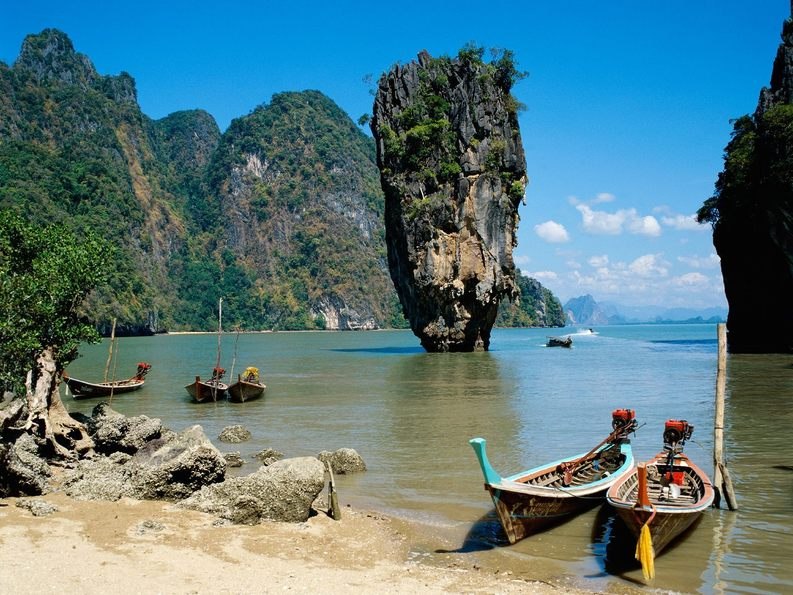
Interesting Facts about Asia: Asia is the largest continent on land, covering an area larger than that of the moon. Human civilization originated around the confluence of the Tigris and Euphrates rivers in Asia, where the earliest human remains have been found. India has a larger population than all of Central, North America, and South America combined! Over 60% of the world's population lives in Asia. China is home to 1.3 billion people, and India has 1.1 billion. More than half of Asia's popul
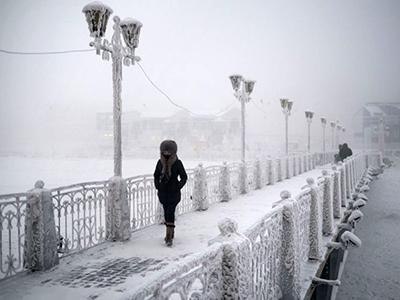
Oymyakon Village – the coldest inhabited place in the world
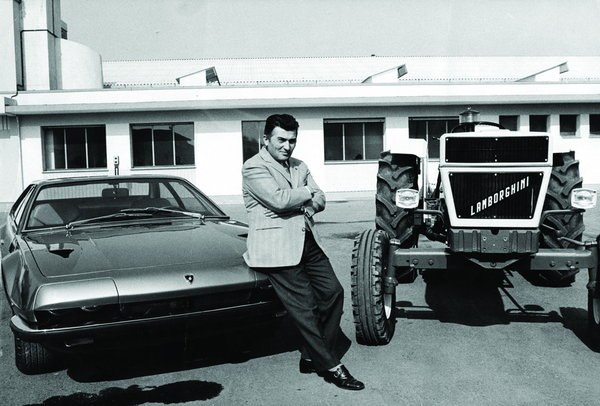
The Italian automobile manufacturer and founder of Lamborghini, Ferruccio Lamborgini, was born in the small Italian village of Renazzo di Cento, in the province of Ferrara. After the war ended, Ferruccio returned to his hometown where he began working on

The Story of the Film 'Dances with Wolves'
Recommended articles

More Galleries
- Interesting Facts about Asia: Asia is the largest continent on land, covering an area larger than that of the moon. Human civilization originated around the confluence of the Tigris and Euphrates rivers in Asia, where the earliest human remains have been found. India has a larger population than all of Central, North America, and South America combined! Over 60% of the world's population lives in Asia. China is home to 1.3 billion people, and India has 1.1 billion. More than half of Asia's popul
- Oymyakon Village – the coldest inhabited place in the world
- The Italian automobile manufacturer and founder of Lamborghini, Ferruccio Lamborgini, was born in the small Italian village of Renazzo di Cento, in the province of Ferrara. After the war ended, Ferruccio returned to his hometown where he began working on
- The Story of the Film 'Dances with Wolves'
 The origin of sushi can be traced back to South Asia. It was there that cooked rice began to be used for preparing and preserving fish. The cleaned and cut into small pieces fish was seasoned with salt and mixed with rice, then placed under pressure,</p>\n "home_text": "<p>Over several months, a lactic-acid fermentation process took place between the rice and fish, allowing the fish to remain edible for up to a year. This process would later give rise to a new culinary era known as 'sushi'. It
 Interesting Facts about Soy Sauce: A Traditional Eastern Seasoning Widely Used by Europeans Today
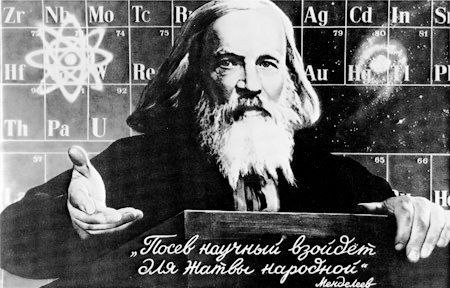 Dmitri Ivanovich Mendeleev was born on January 27, 1834, in the village of Verkhnye Aremzhyany, near Tobolsk, into the family of a high school director and school supervisor. He was the fourteenth child in the family. His mother raised him, as his father,</p>\n "home_text": "<p>soon after his birth died. At the age of 15, Dmitri Mendeleev graduated from high school. His mother made great efforts to ensure he could continue his education. In 1850, he enrolled at the Main Pedagogical Institute in
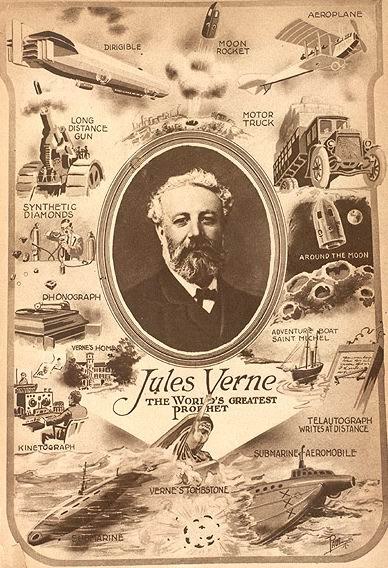 Jules Verne was born on February 8, 1828, in Nantes, France. His father was a successful lawyer. Following in his footsteps, Verne moved to Paris to study law. Introduced to literary circles by his uncle, he was influenced by Alexandre Dumas and Victor Hugo, and began writing plays. At the age of 22, one of his one-act comedies, "Broken Straw," was performed in Paris. Despite being engaged in writing, Verne obtained a law degree. In 1851, he wrote his first science fiction story, "A Trip in a Ba
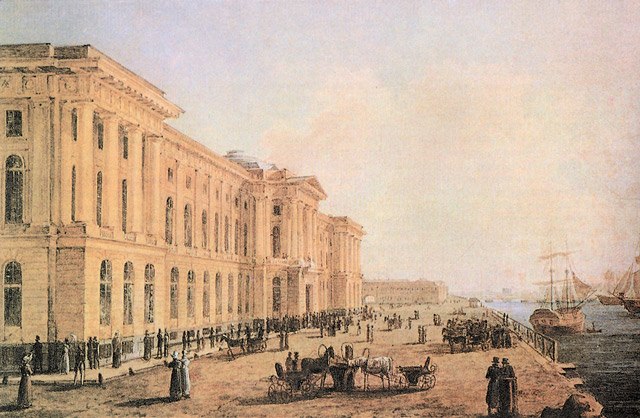 289 Years Ago, Peter the Great Signed an Edict Establishing the Russian Academy of Sciences and Arts
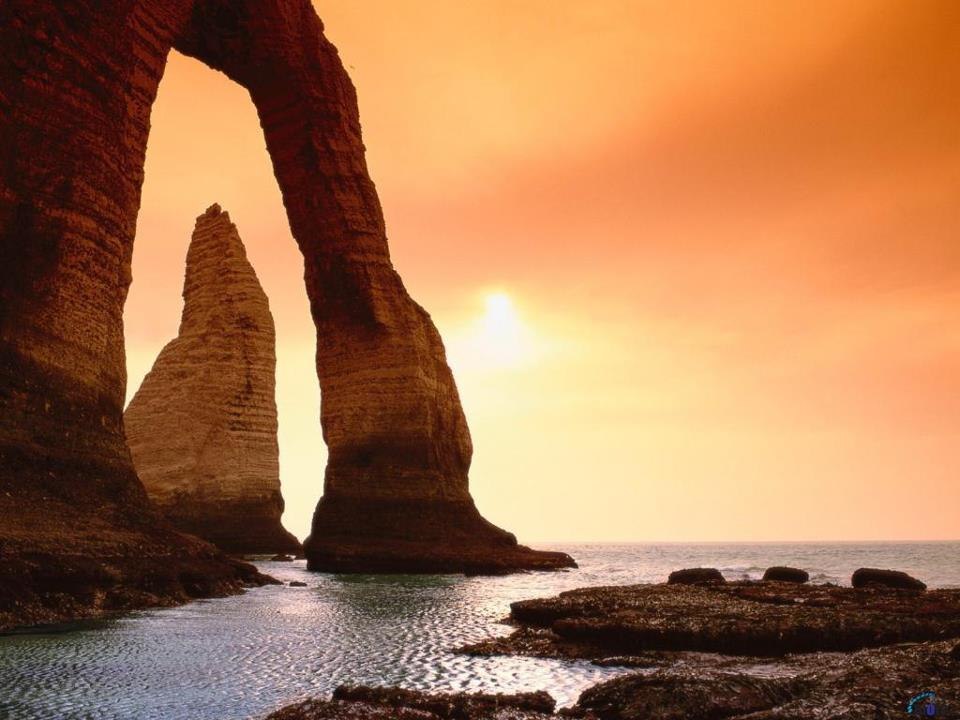 Rocks in Etretat in the Maritime Seine, France
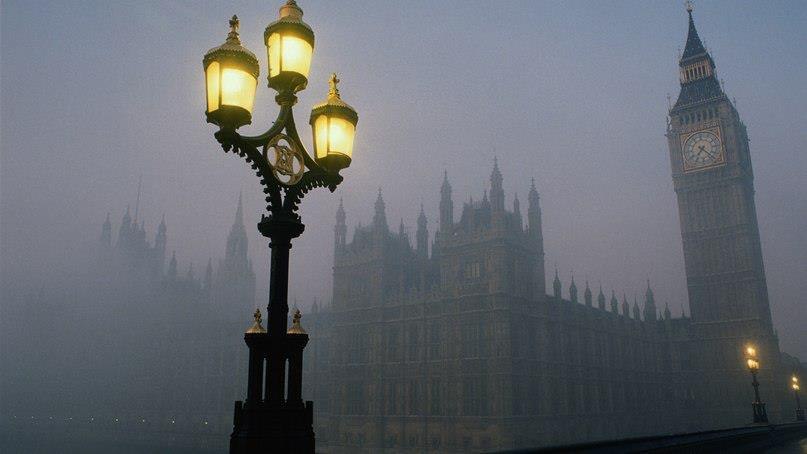 London in the Fog, UK
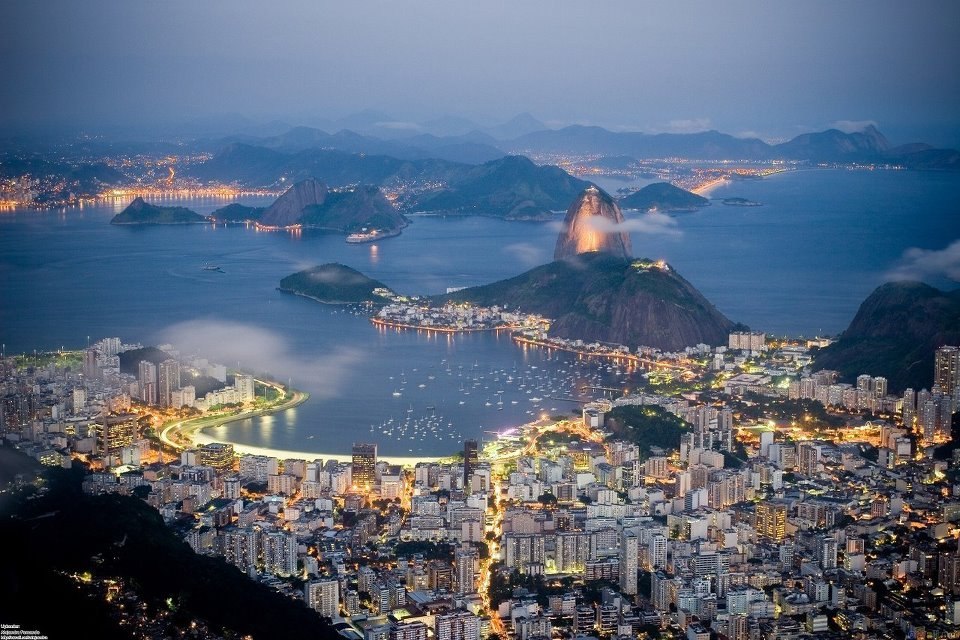 Rio-de-Janeiro, Brazil