Blagoveshchensky Market5 photos
Blagoveshchensky Market
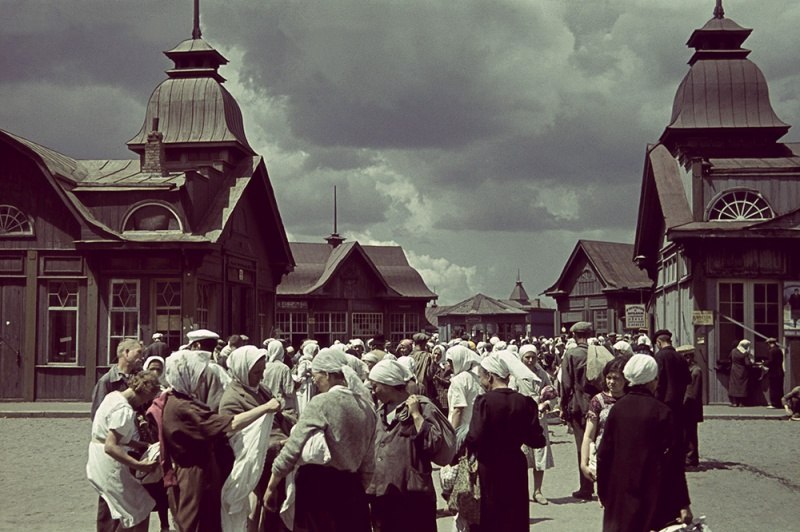
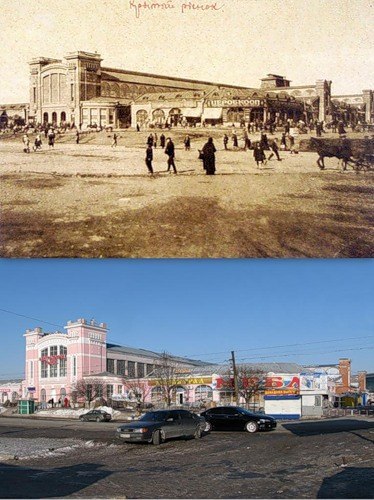
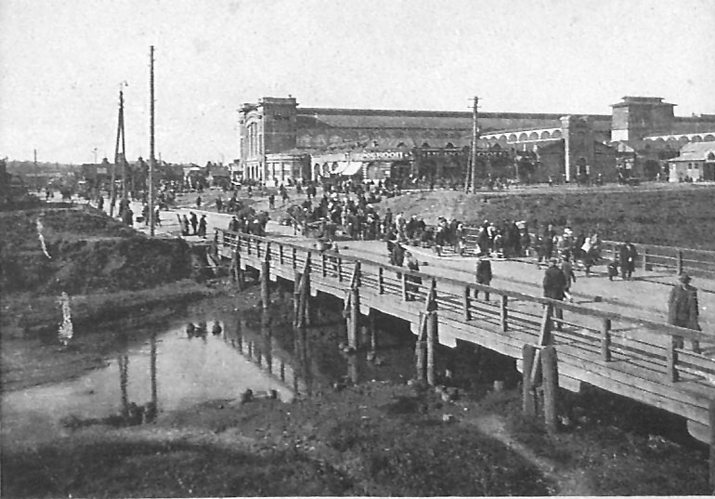
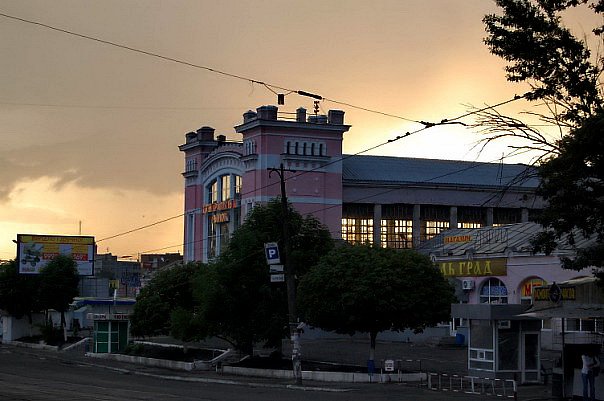
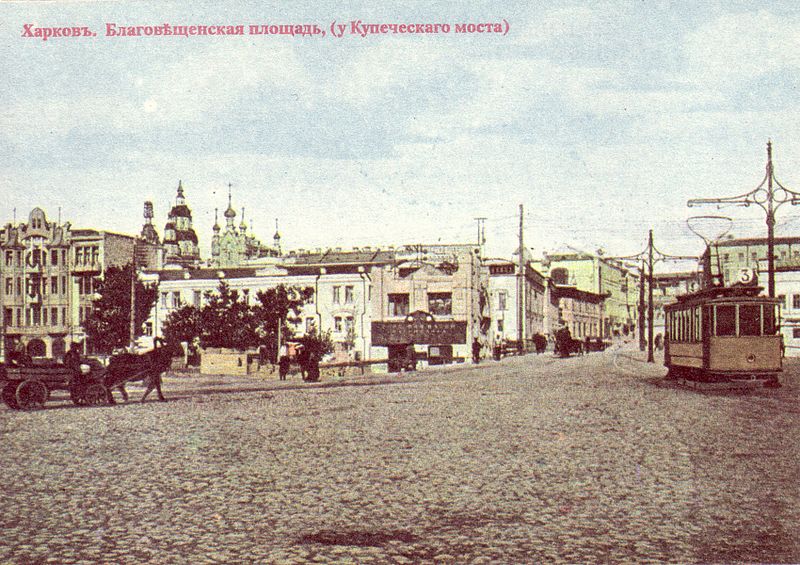
No city, large or small, can be imagined without a market—a place where not only trade takes place, but where one can also encounter a vibrant mix of emotions, moods, and people. Probably there isn’t a single inhabitant of Kharkov who hasn’t been to the Central Market, which is already over 100 years old. The market originated in the 1830s on the site of the Piskunovskaya levada. At that time, the area was swampy, so trading could only take place in winter, when the Lopan River and the marshes were covered with ice. In 1864–1866, the area was cleared and leveled, and a bridge was built connecting the market to the downtown district.
After the Lopan River was drained between 1887 and 1891, the Blagoveshchensky Market became the main marketplace of the city. What’s more, the covered market building is an example of modernist architecture—它 was constructed in the early 20th century by the renowned architect I.I. Zagoskin. The market’s stalls were given distinct names, such as “Red Stalls” and “Suzdal Stalls”; their design also reflected the work of another famous architect, B.N. Korenenko. In 1923, a third architect, A.V. Linetsky, oversaw the market’s redevelopment; he built wooden stalls that continued to be in use until the 1960s.
The photos were taken from the Internet.
Source: vk.com/old_kharkov
#Kharkov #Harkov #History_of_the_Capital
No city, large or small, can be imagined without a market—a place where not only trade takes place, but where one can also encounter a vibrant mix of emotions, moods, and people. Probably there isn’t a single inhabitant of Kharkov who hasn’t been to the Central Market, which is already over 100 years old. The market originated in the 1830s on the site of the Piskunovskaya levada. At that time, the area was swampy, so trading could only take place in winter, when the Lopan River and the marshes were covered with ice. In 1864–1866, the area was cleared and leveled, and a bridge was built connecting the market to the downtown district.
After the Lopan River was drained between 1887 and 1891, the Blagoveshchensky Market became the main marketplace of the city. What’s more, the covered market building is an example of modernist architecture—它 was constructed in the early 20th century by the renowned architect I.I. Zagoskin. The market’s stalls were given distinct names, such as “Red Stalls” and “Suzdal Stalls”; their design also reflected the work of another famous architect, B.N. Korenenko. In 1923, a third architect, A.V. Linetsky, oversaw the market’s redevelopment; he built wooden stalls that continued to be in use until the 1960s.
The photos were taken from the Internet.
Source: vk.com/old_kharkov
#Kharkov #Harkov #History_of_the_Capital
Find the Best Professionals for Your Project
Expert repair, construction, and renovation specialists ready to help you right now
Recommended Galleries
Former nursery school, radio tower with noise suppressor<br>and the building of the 6th Polyclinic
The Wedding Palace – A.A. Yuzefovich’s mansion – is celebrating its 100th anniversary this year.
Shatilovka was once a suburban area of Kharkiv that became part of the city limits in the early 20th century.
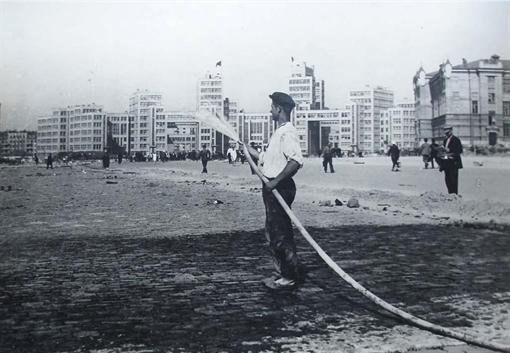
In Zagospromy, houses were built without kitchens, and writers were executed.
Recommended articles



More Galleries
- Former nursery school, radio tower with noise suppressor<br>and the building of the 6th Polyclinic
- The Wedding Palace – A.A. Yuzefovich’s mansion – is celebrating its 100th anniversary this year.
- Shatilovka was once a suburban area of Kharkiv that became part of the city limits in the early 20th century.
- In Zagospromy, houses were built without kitchens, and writers were executed.
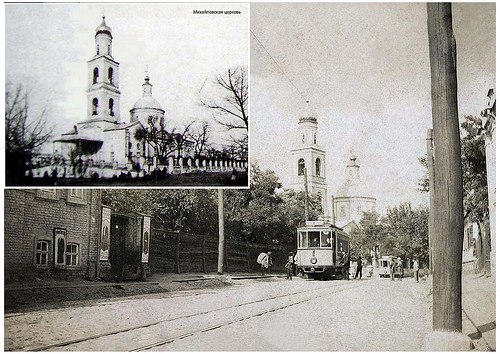 #### Mikhailovskaya Church
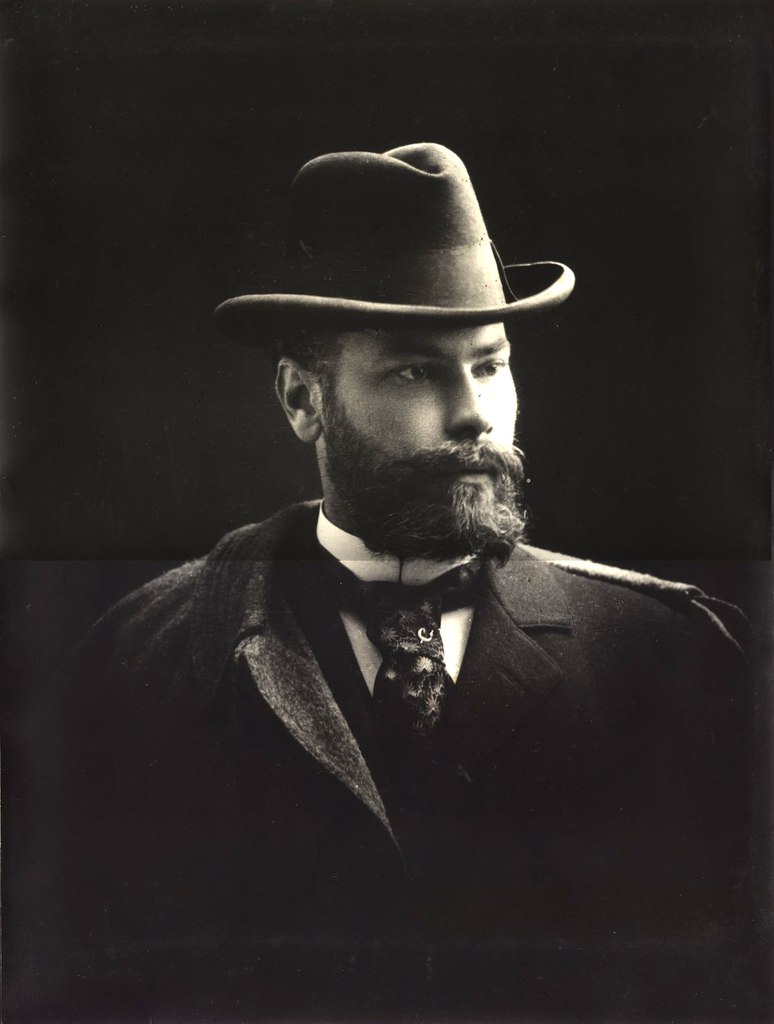 Alexey Nikolaevich Beketov<br>(An architect who can rightfully be called<br>the central figure of Kharkiv's architectural tradition.)
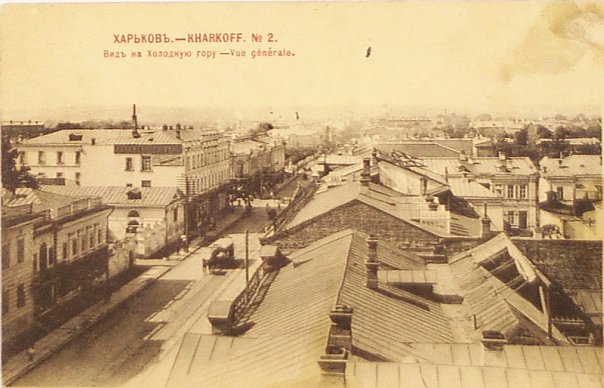 Where does the Poltava Road lead?
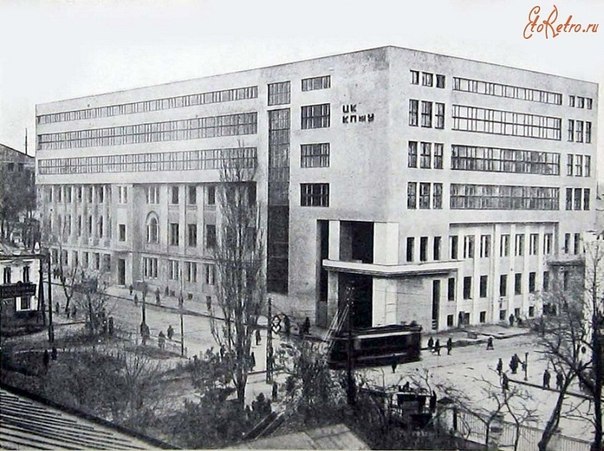 The Triumph of Constructivism --- Return ONLY the complete translated text.
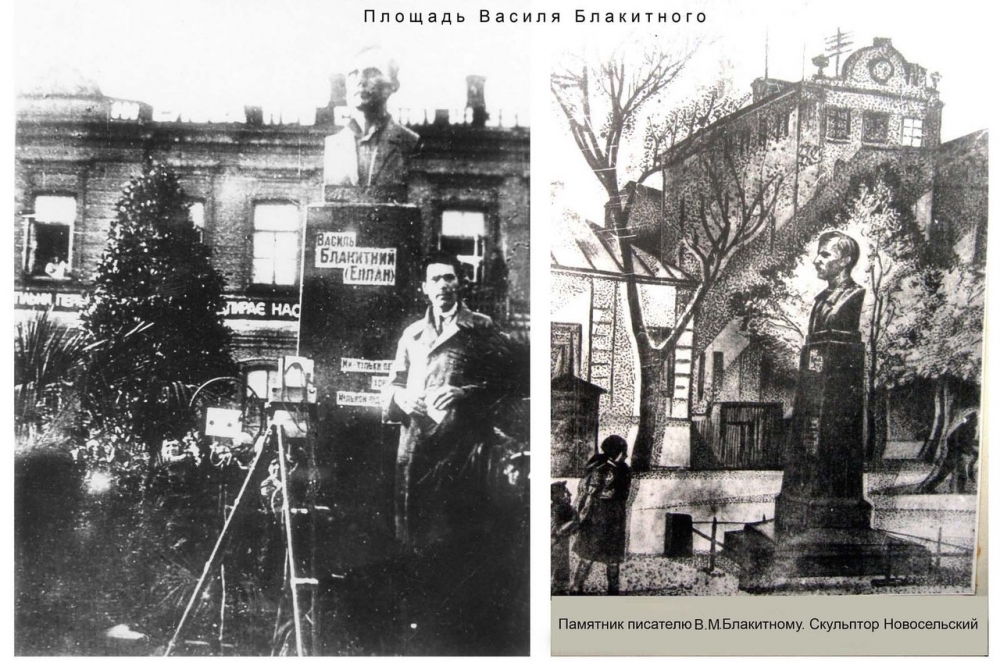 Monument to V.M. Blakitny on Chernyshevskaya Street
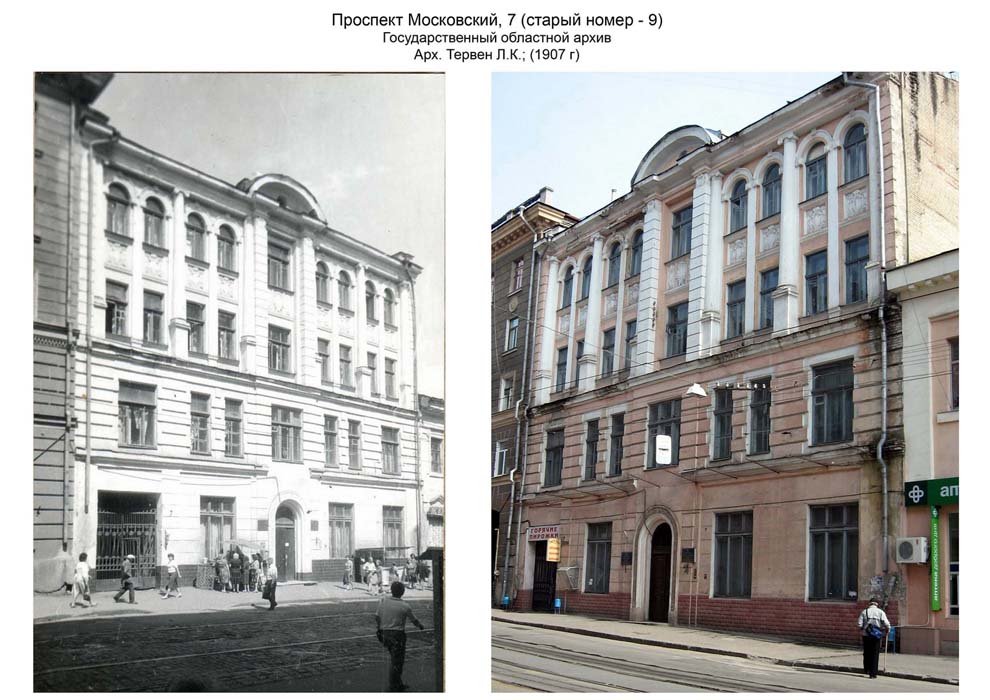 Moscow Avenue, formerly Moscow Street, No. 9
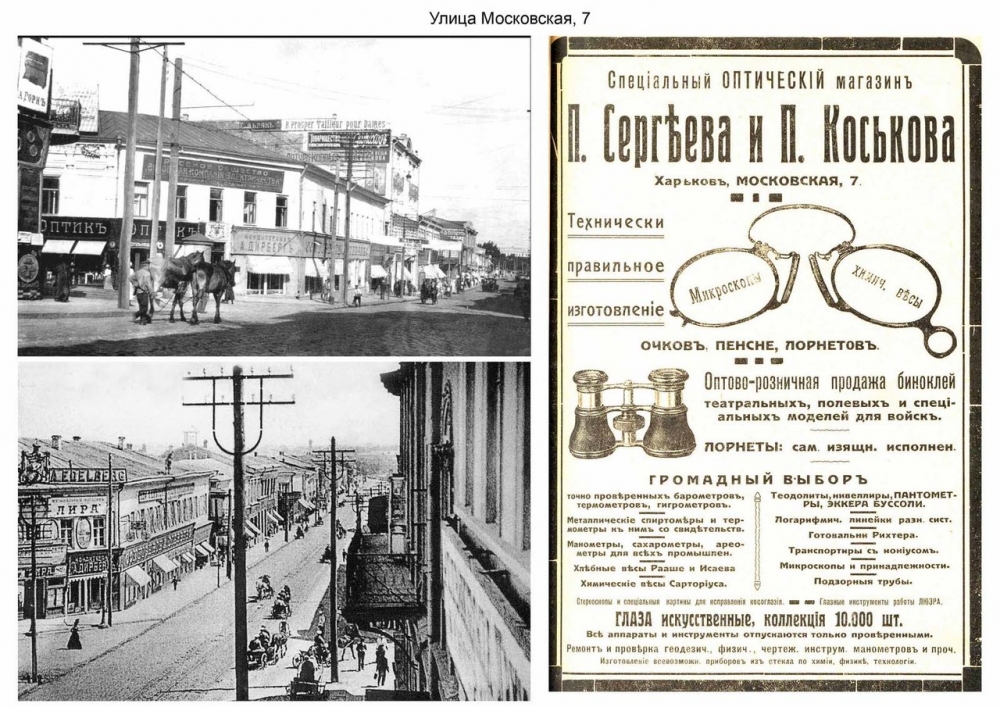 Moskovsky Prospekt, formerly Moskovskaya Street, House No. 7
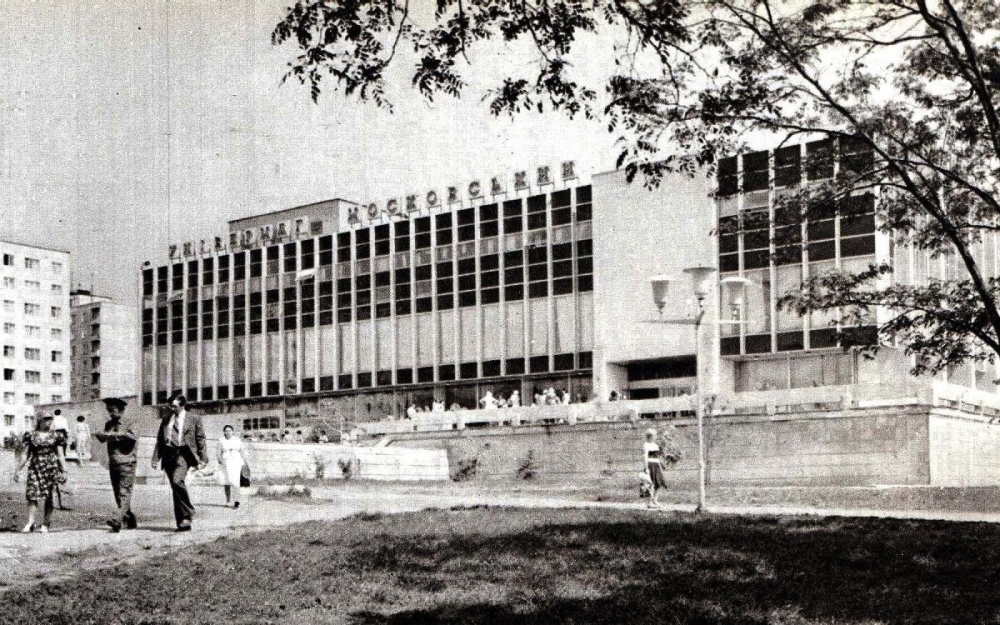 Saltovkaya and the History of Its Neighboring Areas --- Return ONLY the complete translated text. No additional elements shall be added.