History of Kharkov Airport7 photos
History of Kharkiv Airport
From the birth of aviation to our times
The history of Kharkiv Airport began on March 26, 1923, when the joint-stock company “Ukravоздухпуть” was established to operate regular flight services. At that time, the runway was made of dirt and was located in Sokolniki, at the site of the current Aviation Plant.
In May 1924, regular passenger flights began operating on the routes Kharkiv-Poltava-Kyiv and Kharkiv-Kirovohrad-Odesa. In 1928, the first international flights were launched from Kharkiv to Tehran.
Starting in 1926, the aircraft repair facilities of “Ukravоздухпуть” were transformed into the Soviet Union of Ukraine Republican Council Aviation Plant. With the expansion of production, the civilian airport was moved south of the city, beyond the Osnova settlement. The new airport, featuring a two-story building and various supporting facilities, was opened on December 6, 1932. The runway, still made of dirt, was located in the same area. In 1933, the Kharkiv Airport was named after P. P. Postyshev; three years later, it had become the best airport in the entire Soviet Union. Under the authority of the Civil Aviation Administration, it operated as an independent financial entity. In 1941, a concrete runway was installed at the airport.
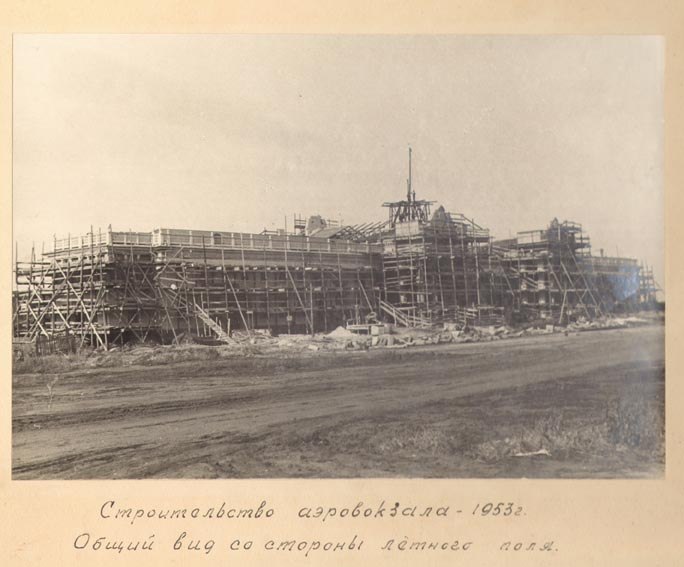
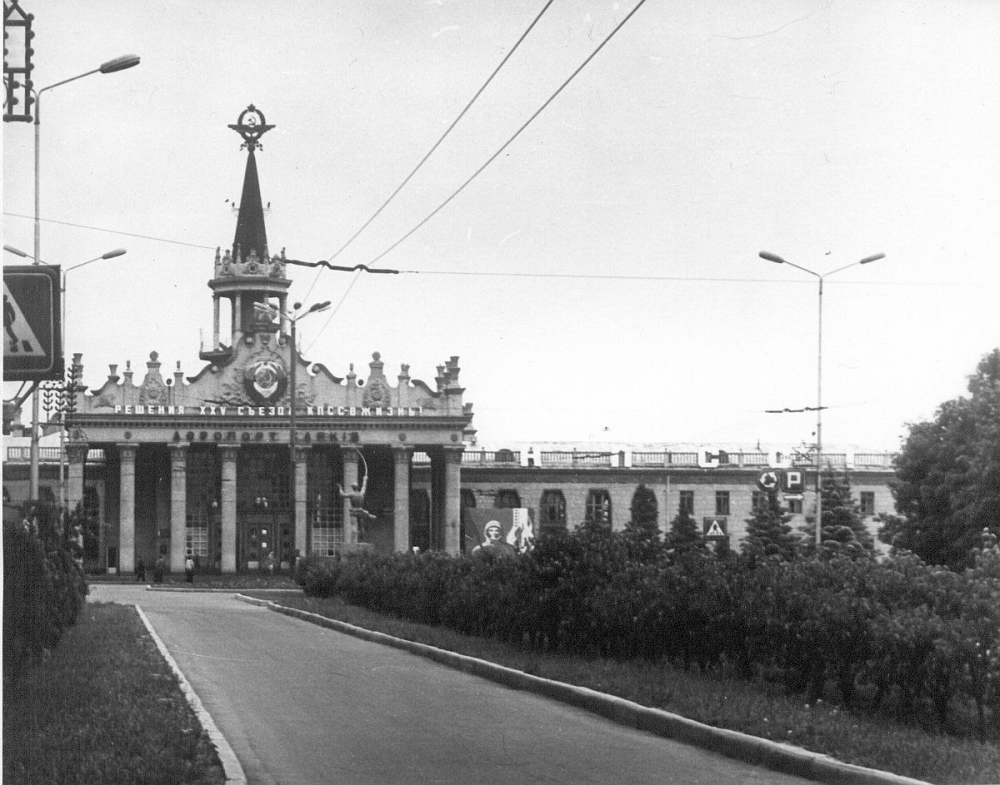
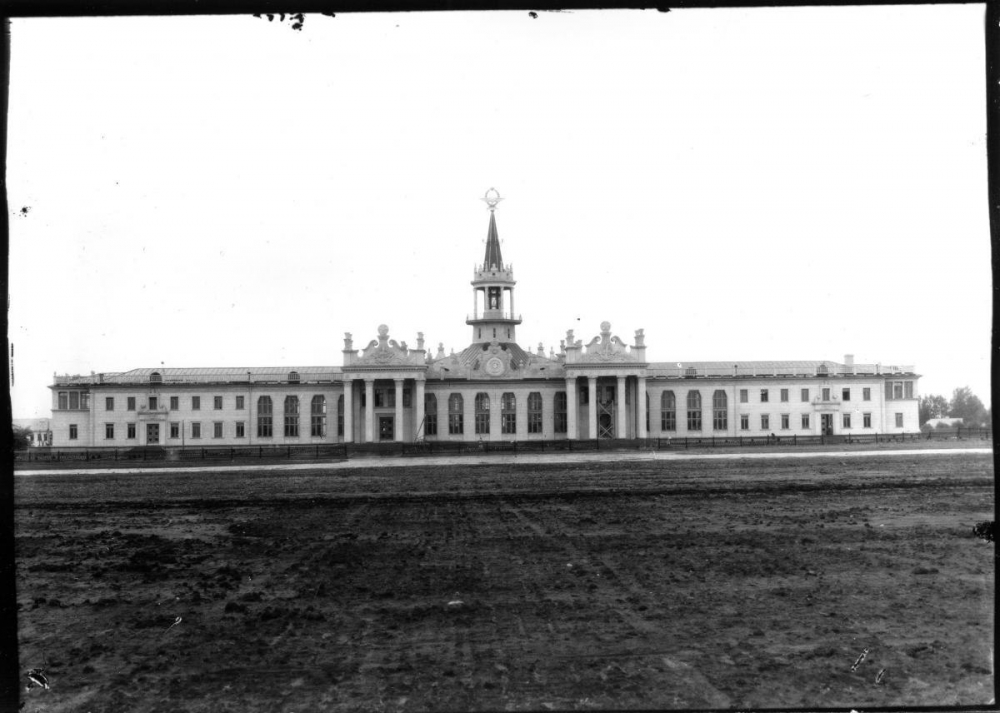
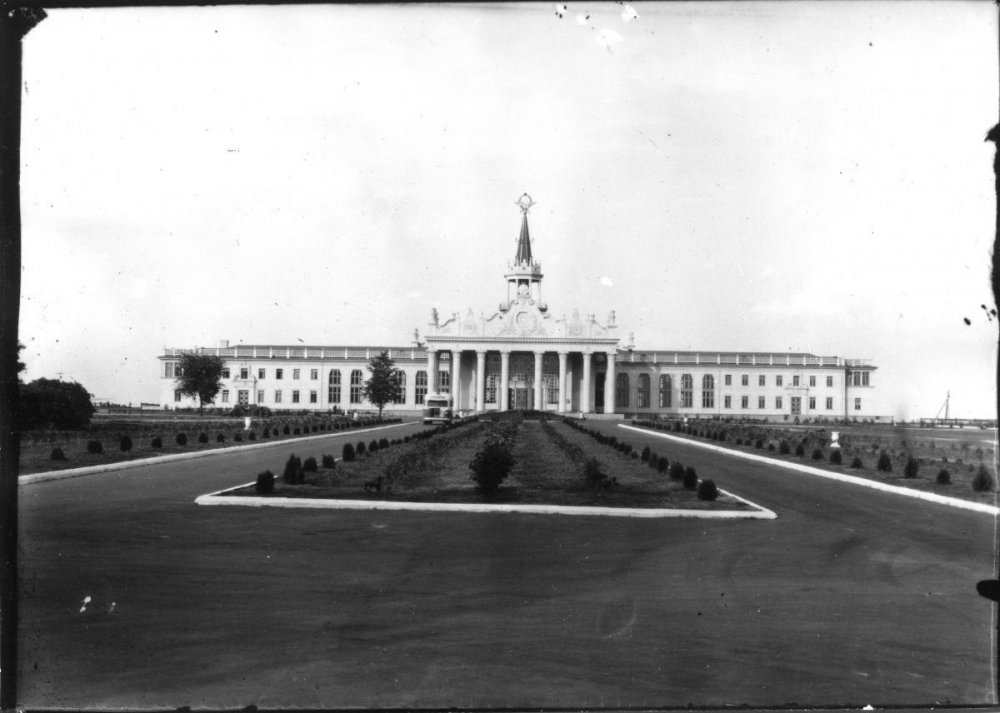
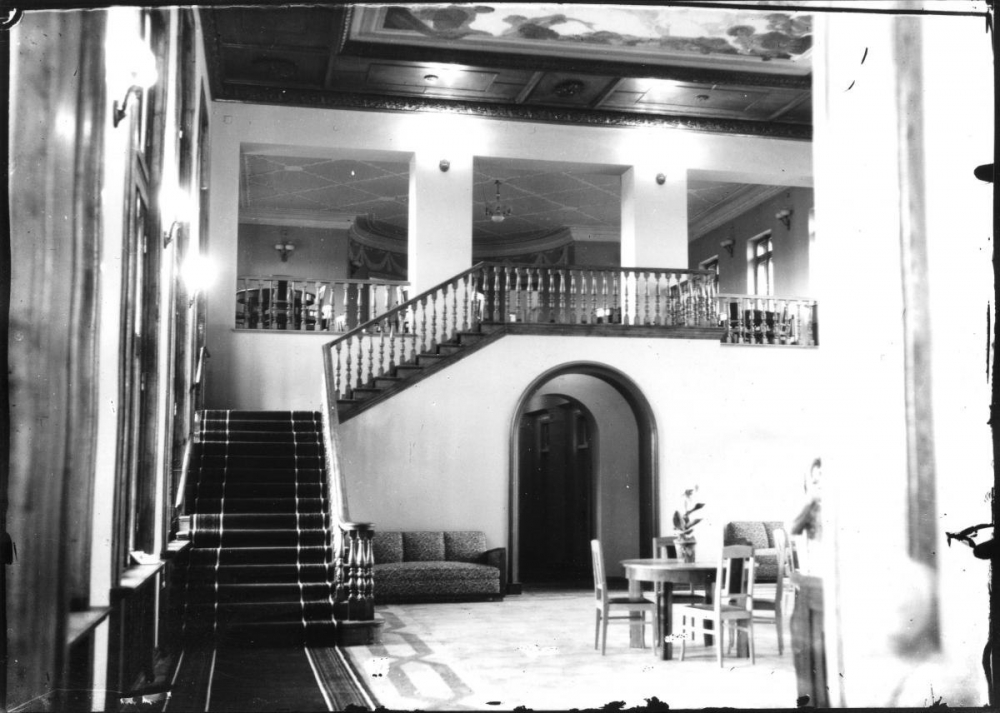
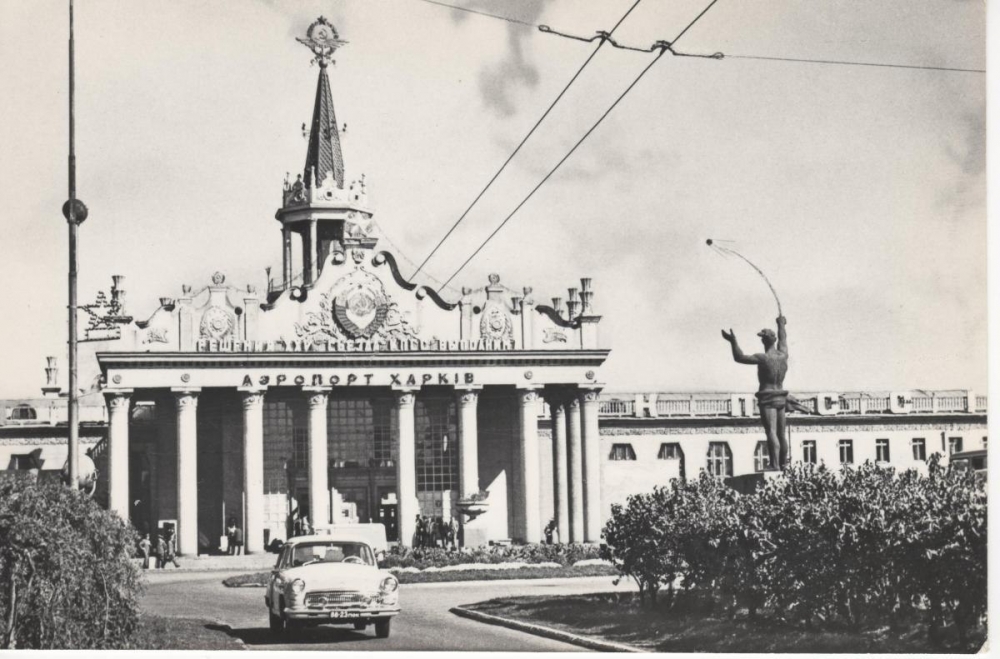
After the war, the current airport terminal was built according to a standard design developed by the Moscow research institute “Aeroproekt.” Construction began in 1951, and the official opening ceremony took place in 1954, on the occasion of the 300th anniversary of Ukraine's reunification with Russia. In 1954, a trolleybus line was also established connecting the city center to the airport. The terminal building was designed in the style of Stalinist architecture, featuring intricate decorations such as an eight-column portico and a golden crown above the main entrance. The interior contained numerous decorative elements and paintings. On the first floor, there were waiting areas and a cafeteria; on the second floor, there were facilities for mothers and babies, as well as hotel rooms.
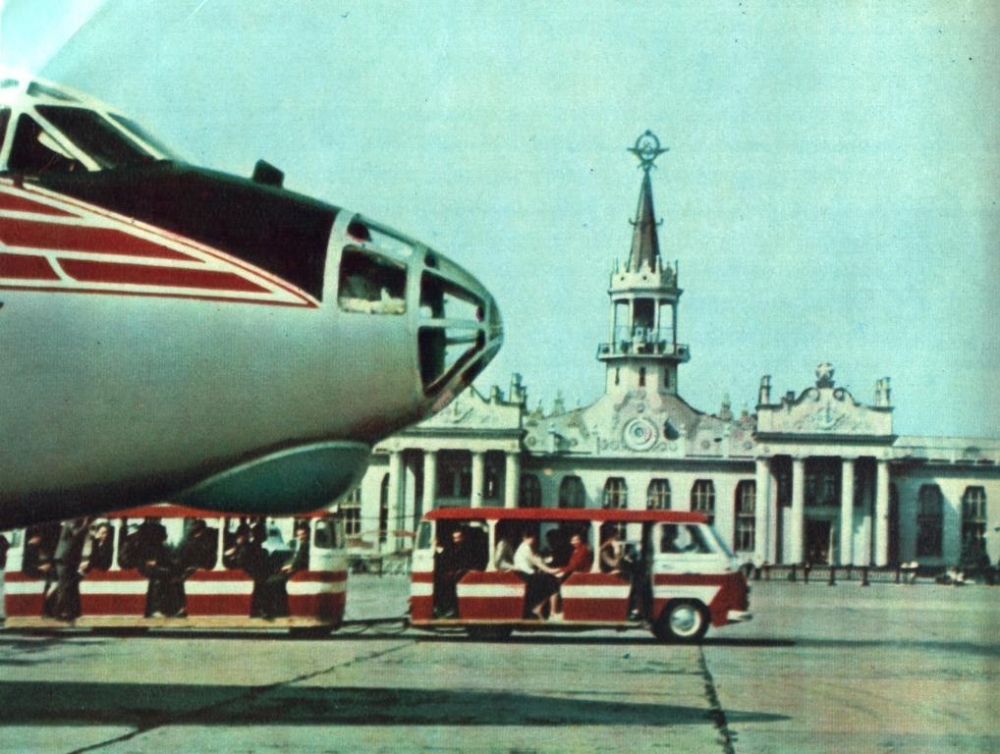
<><>Until 1970, passengers could board flights without having their luggage inspected. They simply needed to show their tickets to proceed to the boarding gate. Shuttle buses and passenger trailers connected the terminals to the aircraft. On the north side of the airport grounds, there were waiting areas, ticket offices, and baggage storage facilities. Upon arrival, passengers were transported from the planes to the terminal area by shuttle buses. Baggage was delivered directly from the transport vehicles. After the 2008 airport renovation, passenger disembarkation and luggage collection took place on the south side of the terminal building.
In the early 1970s, around 600,000 passengers used the airport annually. By the 1980s, this number had increased to 900,000. At that time, residential areas in the vicinity of the airport began to expand rapidly, and plans were made to build a new airport in the Derzhachivsky district. The aviation plant's production facilities were also intended to be relocated there. Plans for the new airport and terminal were developed, but the construction never commenced due to the dissolution of the Soviet Union.
<
In the 1990s, air traffic significantly decreased. For some time, Kharkiv Airport only operated domestic flights. As a result, it became necessary to establish a border control area and introduce customs inspections. In 1995, the airport facility underwent major repairs, a border control checkpoint was set up, and the runway was renovated.
Information sourced from: hrk.aero
#Kharkov #History #Ukraine
From the birth of aviation to our times
The history of Kharkiv Airport began on March 26, 1923, when the joint-stock company “Ukravоздухпуть” was established to operate regular flight services. At that time, the runway was made of dirt and was located in Sokolniki, at the site of the current Aviation Plant.
In May 1924, regular passenger flights began operating on the routes Kharkiv-Poltava-Kyiv and Kharkiv-Kirovohrad-Odesa. In 1928, the first international flights were launched from Kharkiv to Tehran.
Starting in 1926, the aircraft repair facilities of “Ukravоздухпуть” were transformed into the Soviet Union of Ukraine Republican Council Aviation Plant. With the expansion of production, the civilian airport was moved south of the city, beyond the Osnova settlement. The new airport, featuring a two-story building and various supporting facilities, was opened on December 6, 1932. The runway, still made of dirt, was located in the same area. In 1933, the Kharkiv Airport was named after P. P. Postyshev; three years later, it had become the best airport in the entire Soviet Union. Under the authority of the Civil Aviation Administration, it operated as an independent financial entity. In 1941, a concrete runway was installed at the airport.
After the war, the current airport terminal was built according to a standard design developed by the Moscow research institute “Aeroproekt.” Construction began in 1951, and the official opening ceremony took place in 1954, on the occasion of the 300th anniversary of Ukraine's reunification with Russia. In 1954, a trolleybus line was also established connecting the city center to the airport. The terminal building was designed in the style of Stalinist architecture, featuring intricate decorations such as an eight-column portico and a golden crown above the main entrance. The interior contained numerous decorative elements and paintings. On the first floor, there were waiting areas and a cafeteria; on the second floor, there were facilities for mothers and babies, as well as hotel rooms.
<><>Until 1970, passengers could board flights without having their luggage inspected. They simply needed to show their tickets to proceed to the boarding gate. Shuttle buses and passenger trailers connected the terminals to the aircraft. On the north side of the airport grounds, there were waiting areas, ticket offices, and baggage storage facilities. Upon arrival, passengers were transported from the planes to the terminal area by shuttle buses. Baggage was delivered directly from the transport vehicles. After the 2008 airport renovation, passenger disembarkation and luggage collection took place on the south side of the terminal building.
In the early 1970s, around 600,000 passengers used the airport annually. By the 1980s, this number had increased to 900,000. At that time, residential areas in the vicinity of the airport began to expand rapidly, and plans were made to build a new airport in the Derzhachivsky district. The aviation plant's production facilities were also intended to be relocated there. Plans for the new airport and terminal were developed, but the construction never commenced due to the dissolution of the Soviet Union.
<
In the 1990s, air traffic significantly decreased. For some time, Kharkiv Airport only operated domestic flights. As a result, it became necessary to establish a border control area and introduce customs inspections. In 1995, the airport facility underwent major repairs, a border control checkpoint was set up, and the runway was renovated.
Information sourced from: hrk.aero
#Kharkov #History #Ukraine
Find the Best Professionals for Your Project
Expert repair, construction, and renovation specialists ready to help you right now
Recommended Galleries
Recommended articles



More Galleries
 Verona, Italy
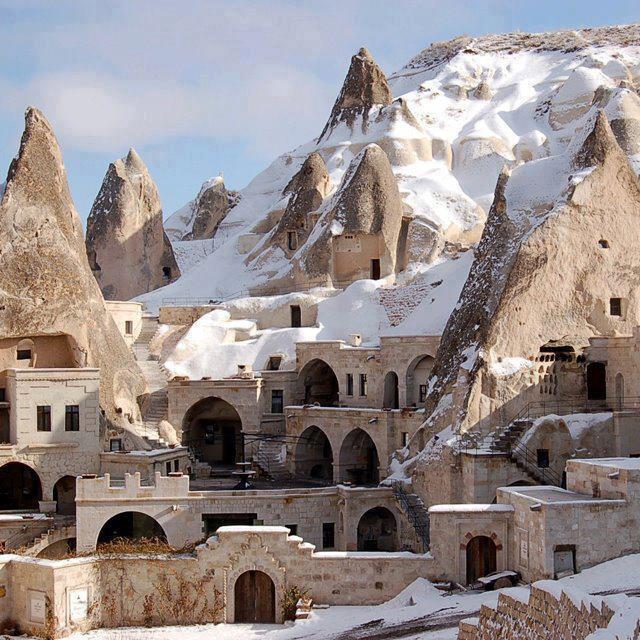 Hotel Fairy Chimney in Göreme, Turkey
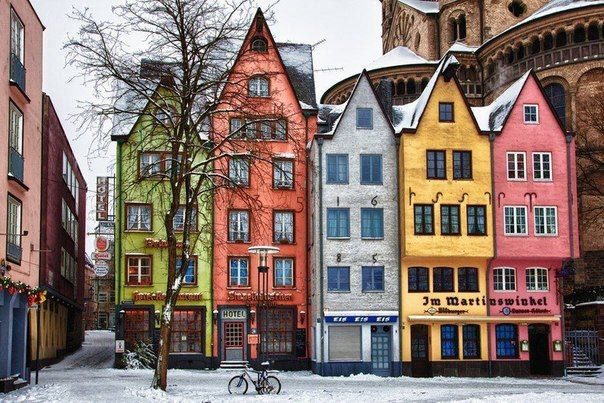 Cologne, Germany
 The Alleys of Venice
 Bali, Indonesia
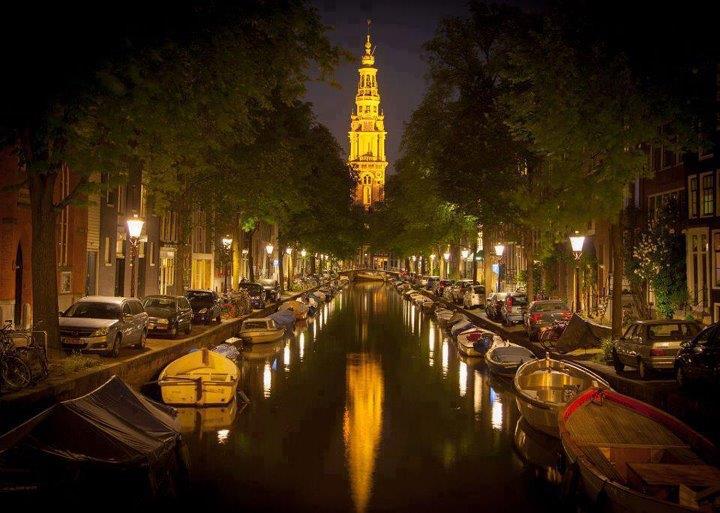 Amsterdam, Netherlands
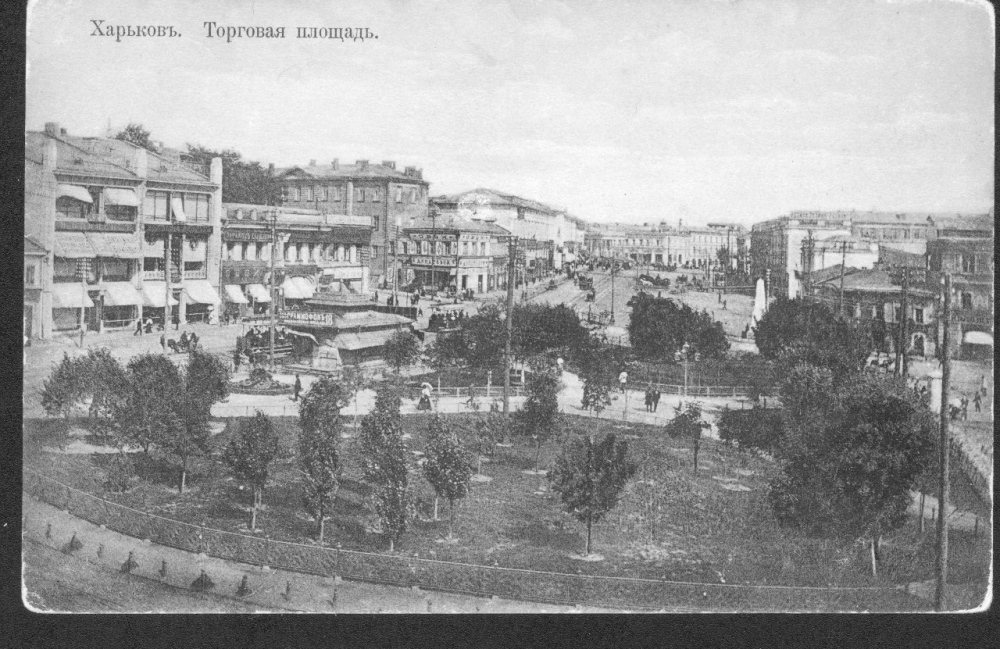 The Inheritance of Pavlovskaya Square
 Naples is Italy's third largest city (after Rome and Milan) and the largest city in southern Italy.
 France
 Gili Trawangan
 On the streets of Columbia
 #### Coast of Kemera, Turkey