9 streets of the world worthy of the traveler's piggy bank9 photos
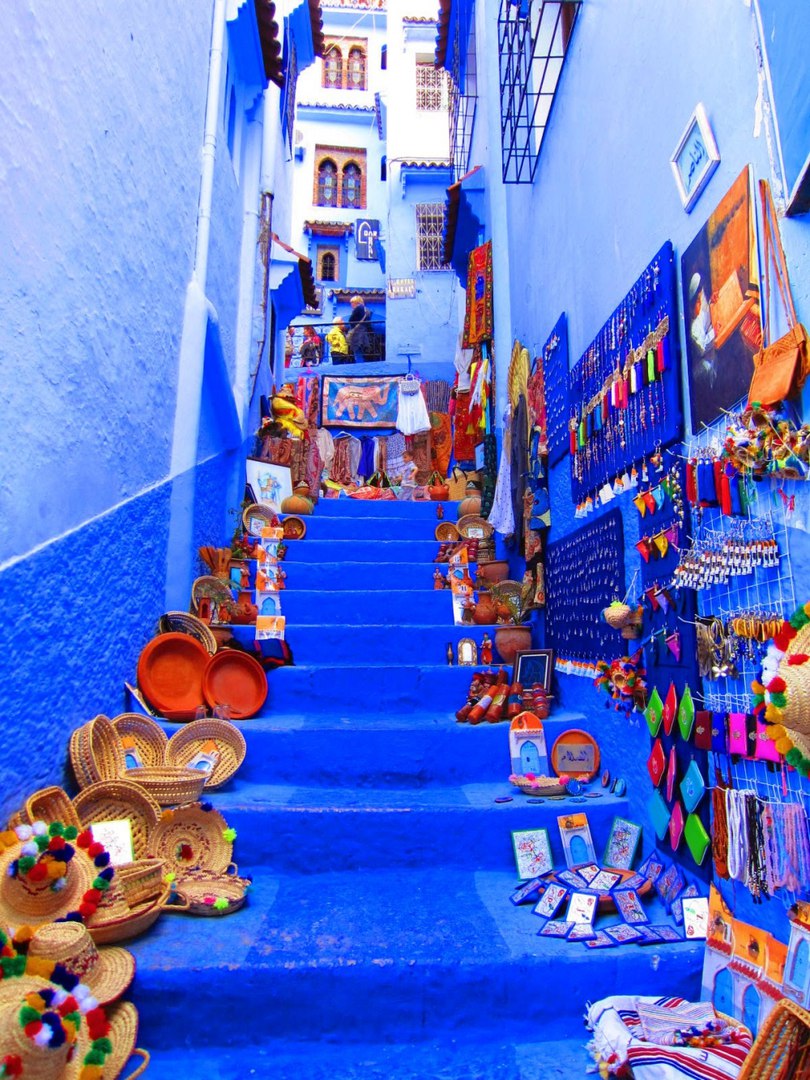
1. Medina, Chefchaouen (Morocco)
This colorful city is located in the northern part of Morocco. Chefchaouen plays in shades from light blue to dark blue and even purple. The heavenly colors of the streets and houses appeared thanks to the Jewish refugees who came to Morocco in the 1930s. The doors, windows, walls in the old city are painted in a sacred color for Jews, which always reminds them of heaven and God. Although the number of Jews has significantly decreased since that time, the tradition to paint at home, especially on major holidays, has remained.
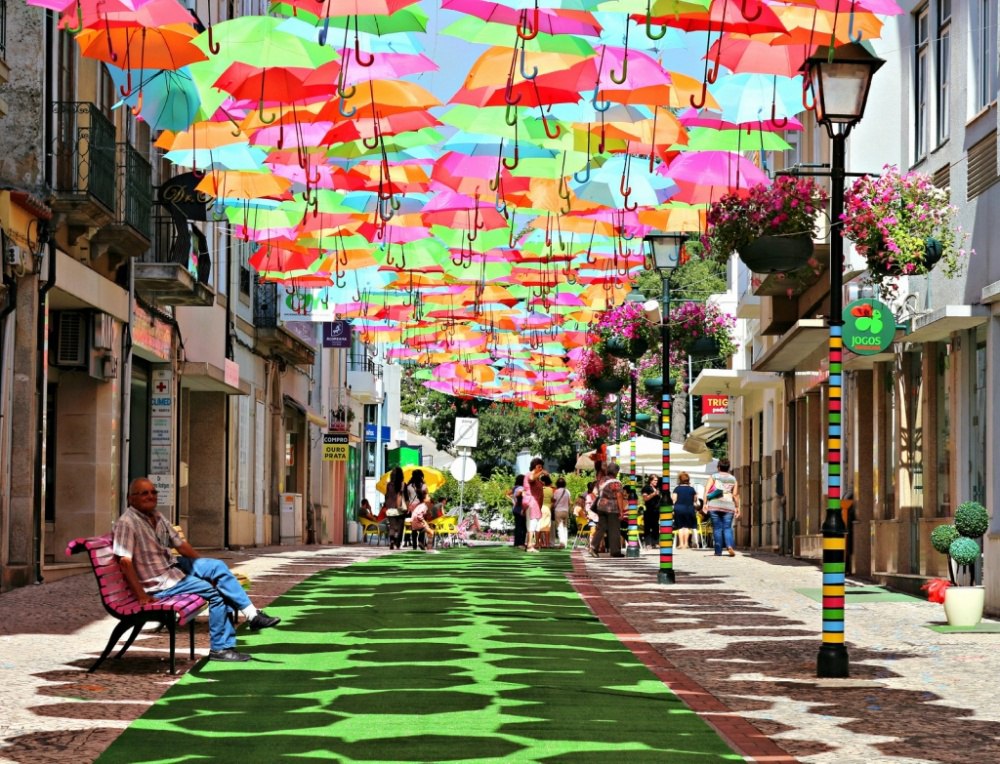
2. Street of soaring umbrellas, Agueda (Portugal)
The first beautifully laid out umbrellas appeared in 2012. Every year installations change and new umbrellas appear. Dozens of brightly colored umbrellas not only decorate the street, but also serve as excellent protection from the sun's rays. Residents of the city joke that Mary Poppins has returned to their city.
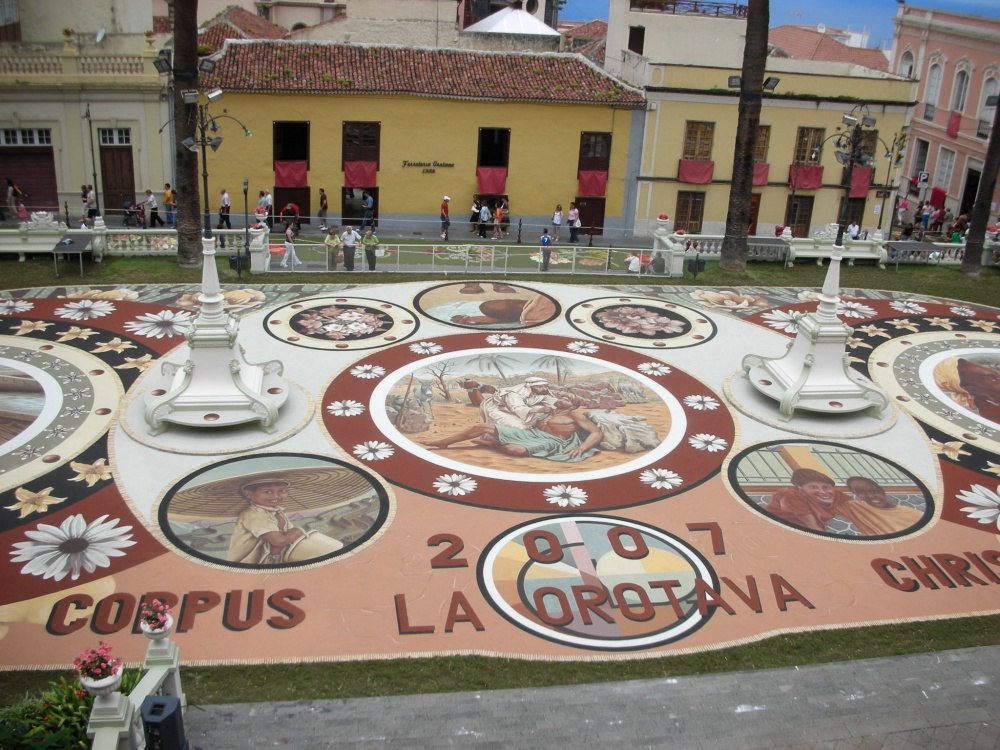
3. Street magic carpet, La Orotava (Tenerife)
Every year in June, on the eve of the holiday Corpus Christi, a giant carpet is laid before the town hall of La Orotava. It consists of unusual paintings made from volcanic sand. The sand is mined in the crater of the Teide volcano, located on one of the Canary Islands. In the manufacture of paintings using twenty-three shades of sand, one picture is created within 40 days by 10 people. In 2006, the Guinness World Record was established here when they created a carpet of 950 square meters.
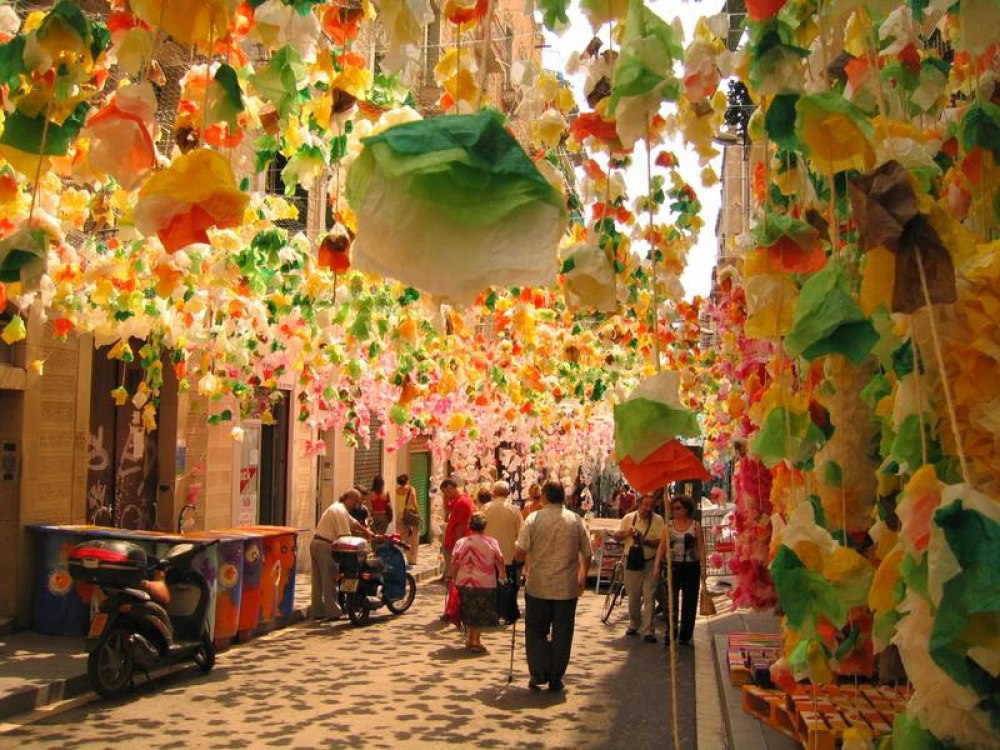
4. Villa de Gracia, Barcelona (Spain)
In August, during the Festa Major festival, one of the quarters of Barcelona turns into a bright carnival. At this festival, the streets compete with each other for the title of the most original and colorful. The residents themselves are engaged in the design of the quarter, and each street corresponds to a specific theme, and only secondary materials are used in its decoration. Here is a holiday in the spirit of the "self-designer".
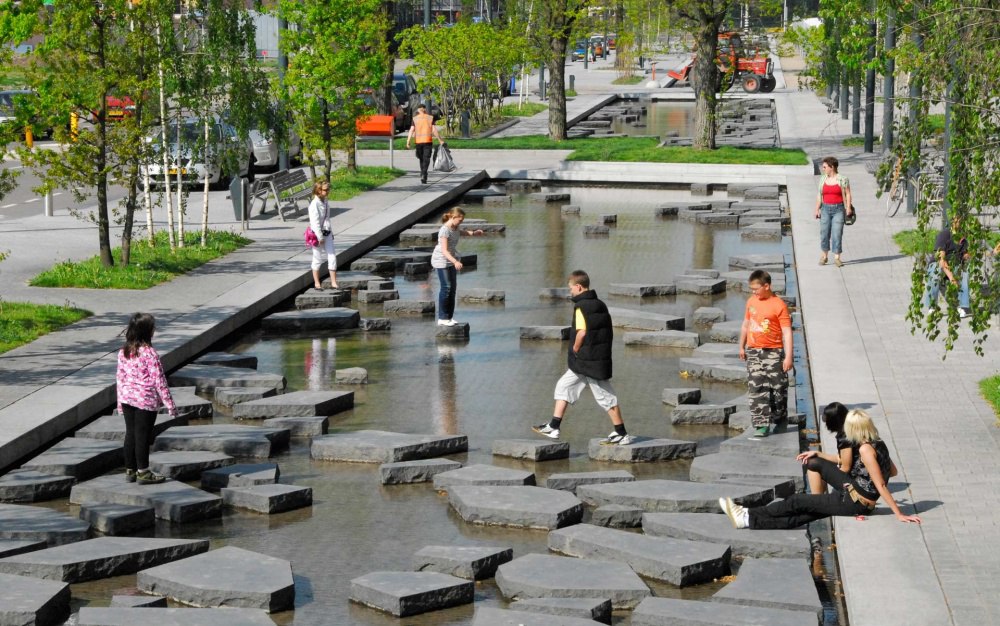
5. Street cracked stones, Enschede (Holland)
Roombeek is a shopping street in the center of the Dutch city of Enschede. His fate is tragic and beautiful at the same time. In 2000, an explosion of a fireworks warehouse occurred at this place, causing 650 houses and a street to be destroyed. A few years later the area was completely restored and brought out underground creek. Designers have treated the bottom of a special coating, so that the stream is constantly covered with ripples. In winter, the fragments of stones become like fragments of glaciers, which melt with the onset of a thaw.
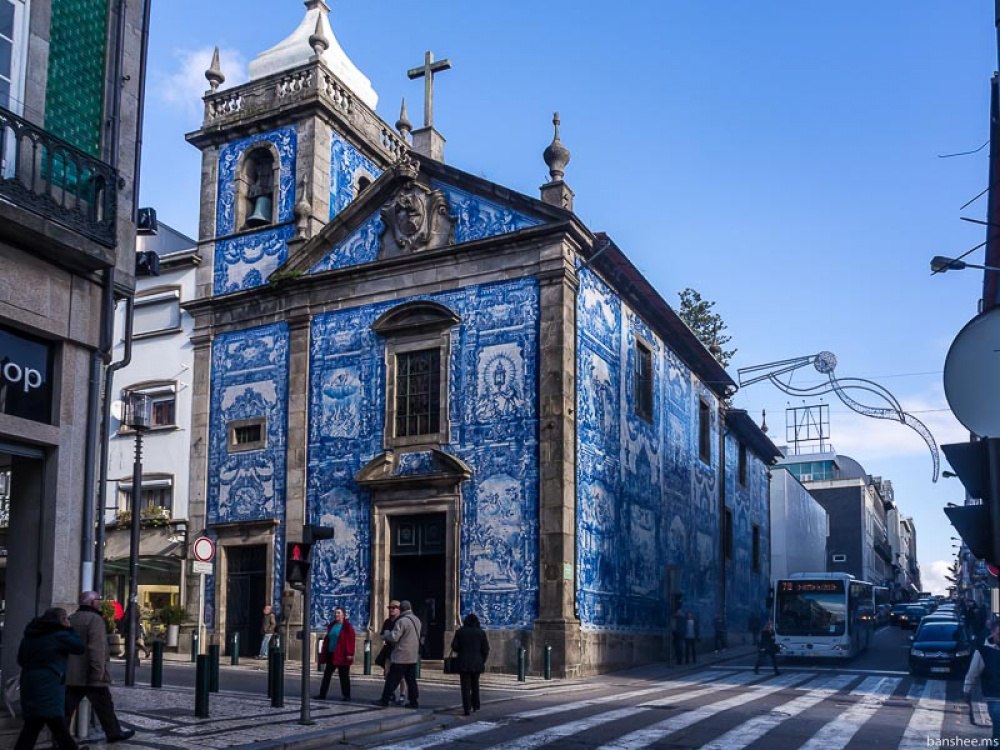
6. Santa Catarina Street, Porto (Portugal)
Azulejos — These are tiles in white and blue colors, which in Portugal turned from a finishing material into an object of art. Translated from the Arabic & laquo; az-zulaidge & raquo; means "a stone". Previously, Azulejos could only afford the Portuguese nobility, who decorated their palaces and churches with them. But over time, blue and white tiles began to be used to finish the facades and interiors of houses, number plates and even railway and metro stations. In addition to the aesthetic function, they also carry a practical benefit: they protect from damp in winter, and keep cool in summer.
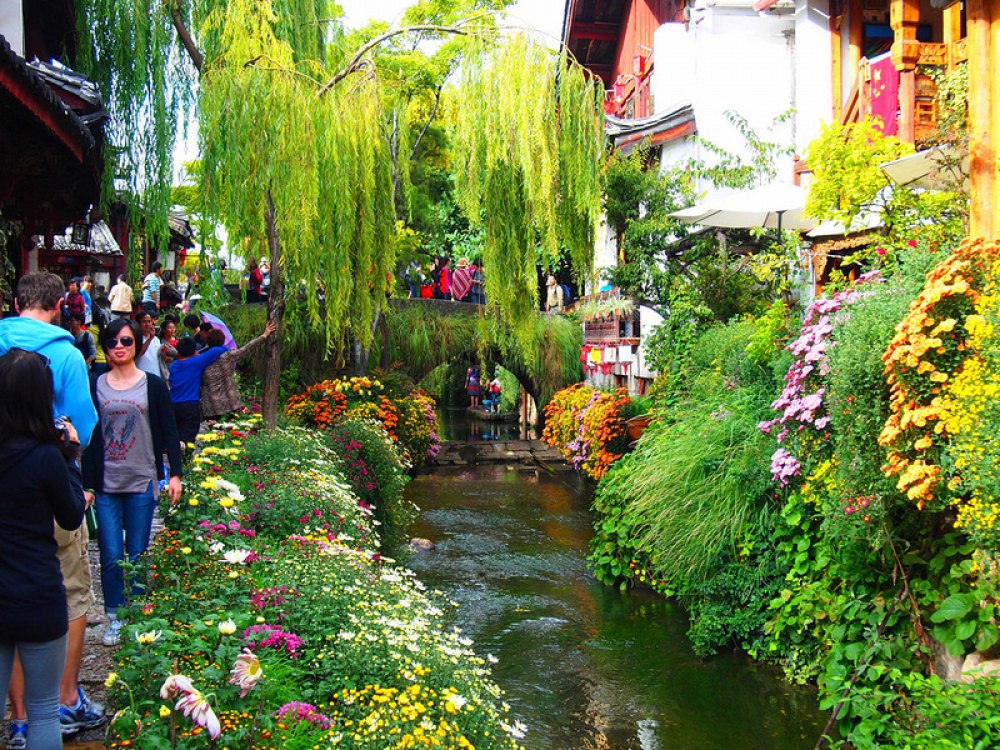
7. Lijiang Old Town (China)
The ancient city of Lijiang is divided into two parts: the old city, which was included in the list of UNESCO World Heritage sites, and a new one. Locals say that & laquo; the city exists because of water, and water — thanks to the city & raquo ;. Yutsuanhe River consists of three branches, which run through the entire city. That is why there are so many graceful bridges, narrow cobbled streets, countless channels. This ancient corner emphasizes the harmony and unity of man with nature.
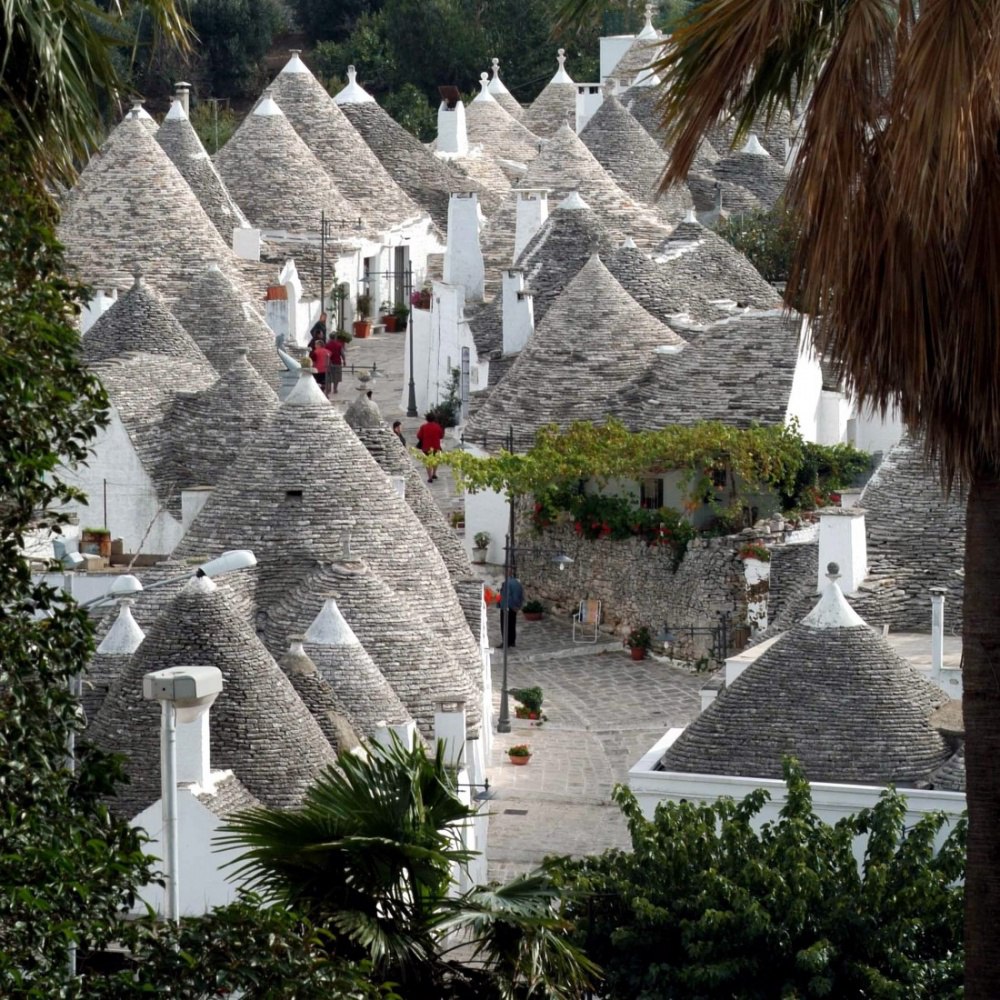
8. Alberobello, Apulia, Italy
This town is famous for snow-white trulli houses. Trulli — these are houses with gabled roofs. This type of building is nowhere else in the world. A special feature of the building is considered to be a backfill stone. If it was taken out, the house quickly turned into a pile of stones, and then the residents did not have to pay tax. Despite the fact that the trulli are similar to each other, they are divided into male with poppy and female, and also differ in the features of laying tiles and signs of the master.
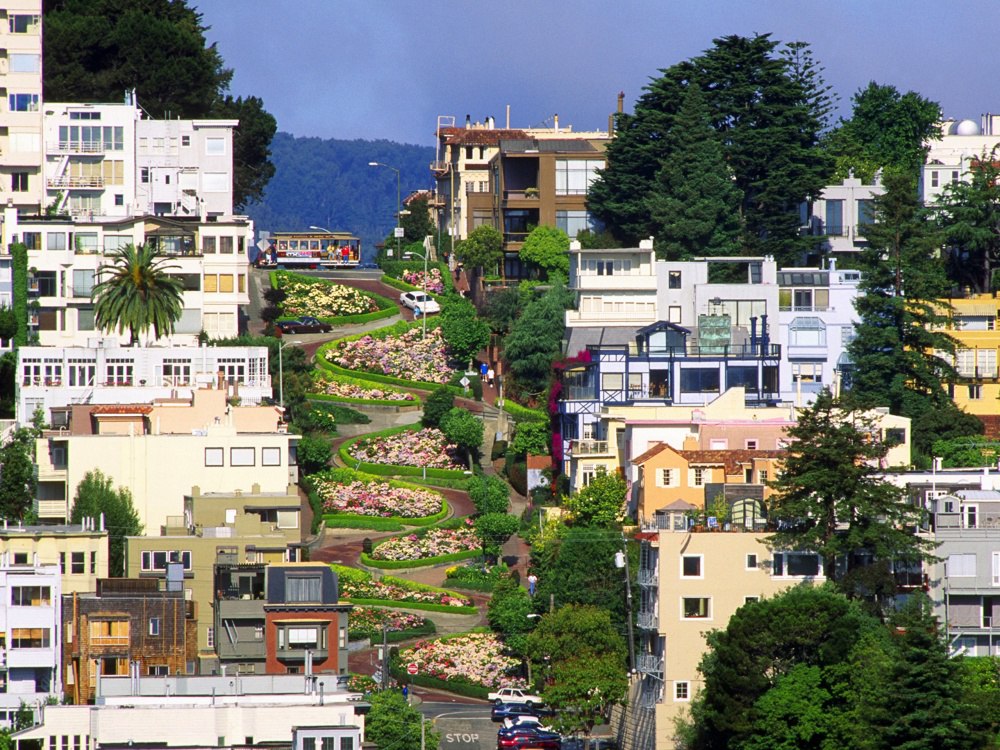
9. Lombard Street (San Francisco, USA)
A must-see landmark to which tourists are brought to San Francisco. Residents of the city proudly call Lombard Street "the most curved street of the world". Its small section runs along the Russian hill. To reduce the angle of inclination, the architects & laquo; smoothed & raquo; its 8 sharp turns. The speed here should not exceed 8 km/h.
Find the Best Professionals for Your Project
Expert repair, construction, and renovation specialists ready to help you right now
Recommended Galleries
Recommended articles



More Galleries
 Maldives
 New York is possibly the only city on the planet that all want
 Portugal, Monsanto
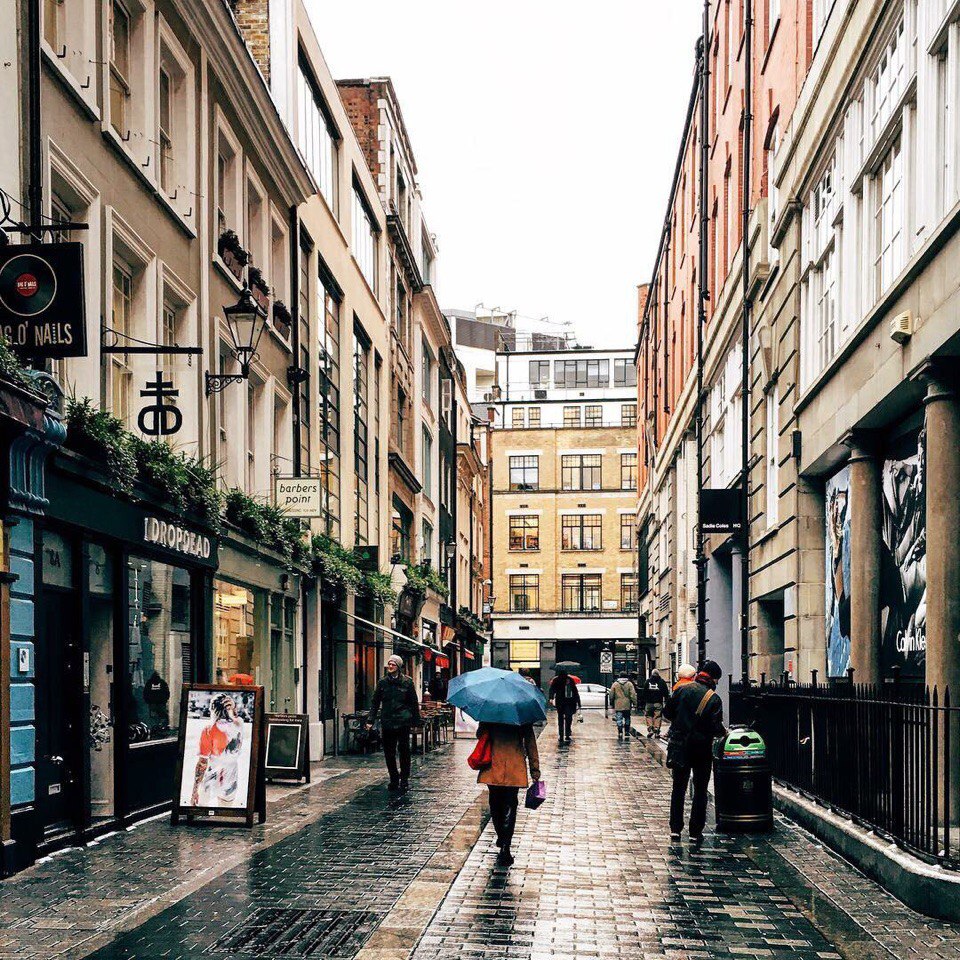 London
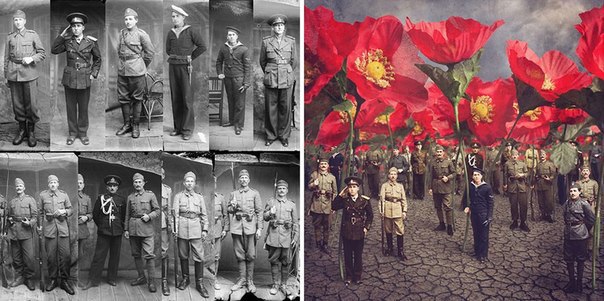 The artist turns ancient photographs into incredibly steep illustrations
 Working days of the pilot from Australia
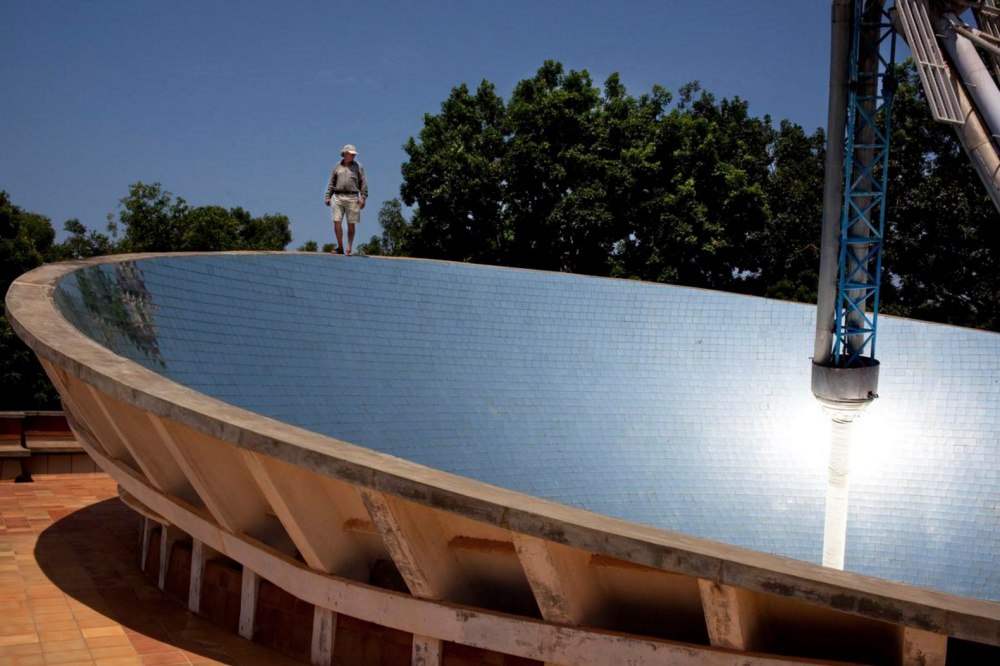 Auroville is a city of the future, which does not care about politics, religion and nationalities
 What would cars look like if they were girls
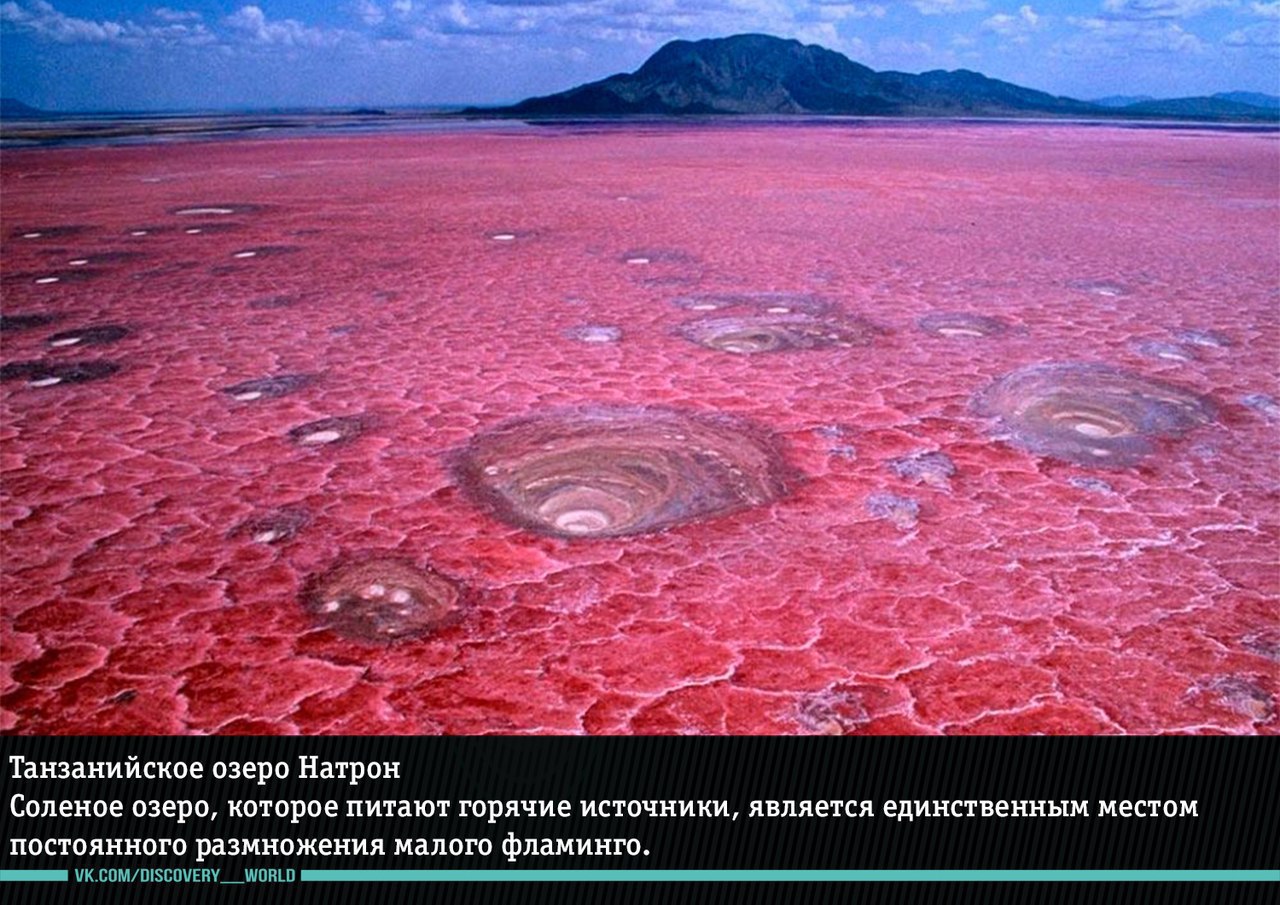 Surprising natural phenomena that are hard to believe
 Ergaki. Nature park in the south of the Krasnoyarsk Territory
 Rainbow Mountains, Peru
 So look 2500 horsepower